

The Heart of Turkish Compassion: Street Animals as Beloved Neighbors
In Türkiye, street animals are not strays—they are cherished members of the community. Cats lounge on mosque steps, dogs nap in park shadows, and locals lovingly feed them daily. This deep-rooted compassion stems from Islamic tradition, Ottoman history, and a cultural belief that caring for animals is a moral duty. Travelers often remark that Türkiye feels like a country run by cats and dogs, with humans as their willing staff.
The Ottoman Empire laid the groundwork for this harmonious coexistence. Endowments known as waqfs were established to feed street animals, and some mosques even had designated cat doors. Today, municipalities provide food, water, and veterinary care, while citizens collectively look after their neighborhood animals. It's a beautiful symbiosis that warms the heart of every visitor.
Whether you're a cat person or a dog lover, Türkiye's street animal culture offers countless moments of joy. From the famous cats of Istanbul to the beach-loving dogs of Antalya, you'll find animals that are friendly, healthy, and utterly photogenic. This guide will help you appreciate and respectfully engage with this unique aspect of Turkish life.
Istanbul: The City of Cats
Istanbul is famously known as the 'City of Cats.' Thousands of felines roam its streets, parks, and waterfronts, each with a distinct personality. They are well-fed, vaccinated, and often have ear tags indicating they've been neutered by local vet volunteers. The documentary Kedi beautifully captured this phenomenon, but nothing compares to experiencing it firsthand.
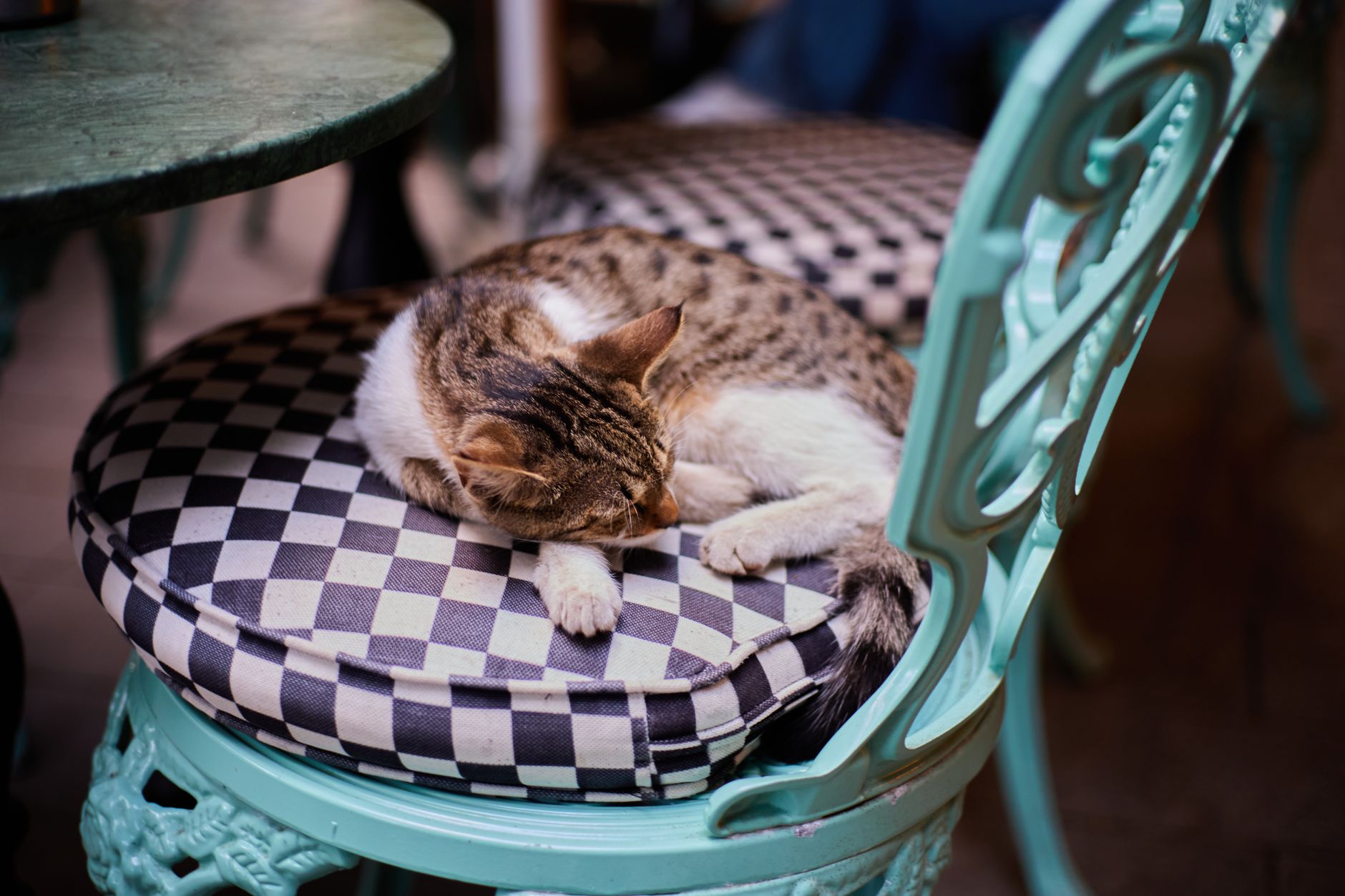
Some of the most beloved cat neighborhoods include Cihangir, where cats sunbathe on cafe chairs; Kadıköy, with its bohemian vibe and many cat-friendly shops; and the area around Hagia Sophia, where a cat named Gli once famously sat beside Barack Obama. The Istanbul Metropolitan Municipality operates feeding stations and mobile clinics, ensuring the cats remain healthy.
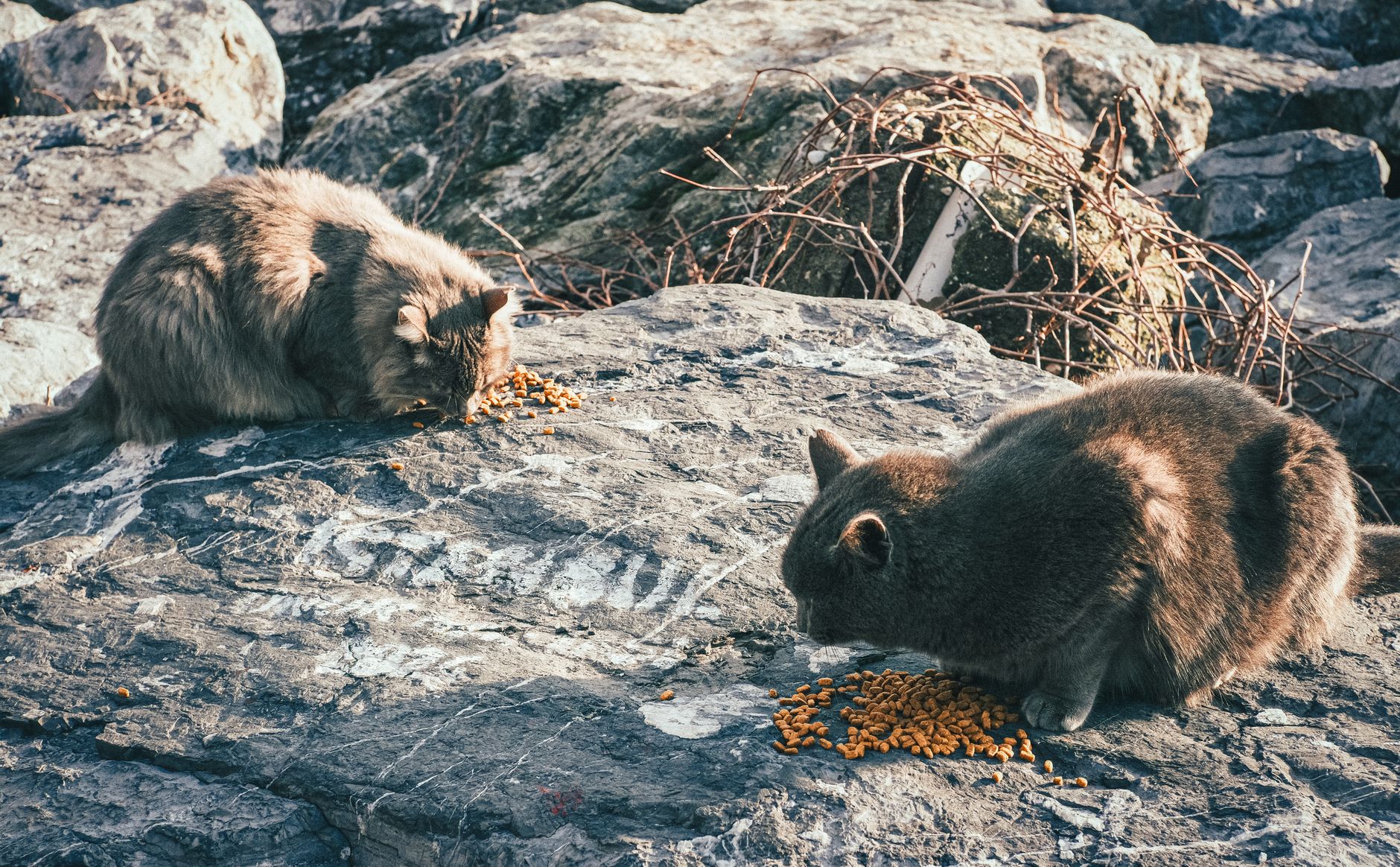
For travelers, interacting with Istanbul's cats is easy and rewarding. Many cafes welcome cats inside, and you'll often see locals carrying small bags of cat food. If you want to join in, purchase a bag of dry food from a pet shop and offer a few kibbles to a friendly cat. Always let the cat approach you first, and avoid disturbing sleeping felines.
Coastal Charms: The Pampered Dogs of Turkey's Seaside Towns
While cats dominate Istanbul, coastal towns like Antalya, Bodrum, and Çeşme are known for their well-cared-for street dogs. These dogs are often large, gentle, and incredibly social. In Antalya, for example, dogs regularly swim in the Mediterranean and nap on the pebbled beaches. Locals bring them food, water, and even toys.
In Bodrum, the marina dogs are famous for escorting tourists along the waterfront. They are typically vaccinated and tagged by the municipality, and many have names given by the community. It's not uncommon to see a dog lounging in a cafe, receiving belly rubs from patrons. The bond between these animals and the residents is truly touching.
These coastal dogs are a testament to Türkiye's nationwide animal welfare efforts. The law requires municipalities to provide care for street animals, and many towns go above and beyond. If you encounter a street dog on the coast, you can offer water or a treat, but always ask locals before feeding to respect any dietary restrictions.
Respectful Interaction: Tips for Travelers
Interacting with Türkiye's street animals should be done with respect and caution. Here are some essential tips:
- Approach calmly and let the animal come to you. Sudden movements can startle them.
- Never disturb a sleeping or eating animal. They need their rest and nourishment.
- Ask before feeding. Some animals have special diets or are on medication.
- Offer water, not human food. Chocolate, onions, and bones can be harmful. Dry cat or dog food is best.
- Supervise children. Teach them to be gentle and not to chase animals.
- Support local charities. Donations to shelters or feeding programs are appreciated.
Remember that these animals are not pets—they are community members with their own routines. By following these guidelines, you contribute to their well-being and show respect for Turkish culture.

Feeding Etiquette: How to Do It Right
Feeding street animals is a national pastime in Türkiye, but it comes with unwritten rules. Many Turks carry small bags of kibble to distribute throughout the day. If you wish to join, buy appropriate food from a pet shop or supermarket. Avoid giving leftovers, especially from restaurants, as they can cause health issues.
Place food on a clean surface or in a designated feeding bowl, not on the ground where it can get dirty. Water is equally important, especially in summer. You'll find public water bowls in many neighborhoods, but you can also carry a collapsible bowl. If you see an animal in distress, contact the local municipality's veterinary services—they are usually responsive.
It's also polite to ask nearby shopkeepers if it's okay to feed. They often know the animals and can advise on preferences. In some areas, feeding stations are maintained by volunteers; you can contribute by refilling them. This collective effort is what keeps Türkiye's street animals healthy and happy.
Charming Animal-Friendly Neighborhoods and Cafes
If you want to immerse yourself in Türkiye's animal culture, head to these neighborhoods:
- Cihangir, Istanbul: A bohemian district where cats rule the cafes. Try Kahve 6 or Van Kahvaltı Evi for a cat-accompanied breakfast.
- Kadıköy, Istanbul: The Asian side's hub for cat lovers. Visit Kedi Kafe or stroll the Moda waterfront where cats gather.
- Alaçatı, Izmir: A charming town with many street cats and dogs, plus pet-friendly boutique hotels.
- Kaş, Antalya: A diving town where street dogs often accompany swimmers. Cafe Bahçe is a favorite for animal lovers.
- Bodrum, Muğla: Marina dogs and cats are well-fed; try Kocadon restaurant for a pet-friendly meal.
These places not only welcome animals but also offer opportunities to volunteer or donate. Some cafes have donation boxes for local shelters. By visiting, you support a culture that values compassion.
Beyond Istanbul: Other Animal-Friendly Destinations
Türkiye's animal love extends far beyond Istanbul and the coast. In Ankara, the capital, the Kuğulu Park is famous for its swans and cats. In Izmir, the Kordon promenade is a gathering spot for dog walkers and street animals. Even in Cappadocia, hotel owners care for stray cats and dogs, often letting them sleep in lobbies during cold nights.
In the eastern city of Van, the famous Van cats—a breed known for heterochromia and swimming—are protected. While they are not street cats, they represent Türkiye's rich feline heritage. Similarly, the Kangal dogs, a national treasure, are celebrated for their loyalty and strength, though they are typically working dogs.
Travelers can also visit animal shelters in major cities to volunteer or donate. Organizations like Hayvan Hakları Federasyonu (HAYTAP) work tirelessly for animal rights. Engaging with these groups offers a deeper understanding of the culture of care.
Conclusion: A Lesson in Compassion
Türkiye's street animals are more than a photo opportunity—they are a window into a society that values empathy and community. The kindness shown to these creatures is a reminder that small acts of care can create a more harmonious world. As you travel through Türkiye, take a moment to sit with a cat, pet a dog, or simply observe the gentle interactions between locals and animals.
By following respectful practices and supporting local efforts, you become part of this beautiful tradition. Whether you're in Istanbul's bustling streets or a quiet coastal town, the animals of Türkiye will leave a lasting impression on your heart. So pack some kibble, carry a water bowl, and prepare for a journey filled with warmth, purrs, and wagging tails.
Thinking about a trip to Turkey?
Share your contact details and a vetted local expert will follow up with a plan built around you — free, no obligation.