

Why Turkish Street Food is a Traveler's Best Friend
Traveling through Türkiye is a feast for the senses, and some of the most memorable flavors come from the street. For just a few lira, you can snack like a local while soaking up the rhythm of daily life. Whether you're wandering Istanbul's historic alleys, basking in Antalya's sunshine, or exploring the bustling bazaars of Gaziantep, street vendors offer a deliciously affordable window into Turkish culture.
Street food here isn't just about quick bites — it's about community, seasonality, and craftsmanship. Vendors often specialize in one item, perfecting it over years. That means every bite carries a story. And because Türkiye's street food scene is so widespread, you're never far from a satisfying treat, no matter your budget.
In this guide, we'll celebrate the joy of Turkish street snacks, highlighting what to try in each season and city, plus practical tips on prices, hygiene, and how to order like a friendly local. Get ready to eat your way through Türkiye — one cart at a time.
Roasted Corn: The Year-Round Street Classic
You'll smell it before you see it: the sweet, smoky aroma of corn roasting over charcoal. Known as mısır or közde mısır, this is one of Türkiye's most ubiquitous street foods. Vendors set up carts on busy corners, especially near ferry docks, parks, and squares. In Istanbul, you'll find them along the Bosphorus and in Taksim; in Izmir, they line the Kordon promenade.
The corn is either boiled or grilled, then sprinkled with salt or a special blend of spices. Some vendors offer it slathered with butter or a tangy sauce. It's a filling, healthy snack that costs around 10–20 TL (about $0.30–$0.60). The best part? It's available all year, but it truly shines in summer when the corn is at its sweetest.
When ordering, just say "Bir mısır, lütfen" (One corn, please). Point to the grilled or boiled pile, and the vendor will customise it for you. It's a perfect bite to enjoy while strolling — and a great way to feel like a local.
Midye Dolma: Istanbul's Favorite Stuffed Mussels
For a taste of the sea that's both savory and satisfying, look for midye dolma — mussels stuffed with spiced rice. These little gems are a staple of Istanbul's street scene, especially in the evening along Istiklal Avenue and in Kadıköy. Vendors arrange them on trays, often with a wedge of lemon, and sell them by the piece.
The rice inside is aromatic, mixed with onion, pine nuts, currants, and a hint of cinnamon and mint. You'll pay about 5–10 TL per mussel, so a dozen makes a hearty snack for under $2. The vendor will usually squeeze lemon over them as you eat. It's customary to toss the empty shells into a bucket — a fun, communal ritual.
If you're concerned about hygiene, choose vendors with high turnover and a clean setup. The mussels should be served fresh and chilled, not lukewarm. A busy stand is a good sign. And don't be shy: ordering a few at a time is perfectly normal. "Kaç tane?" (How many?) the vendor will ask — just hold up your fingers and smile.
Boza: The Winter Warmer You Didn't Know You Needed
When the weather turns chilly, Türkiye's streets offer a thick, creamy, fermented drink that's been warming bellies for centuries: boza. Made from fermented millet or wheat, boza has a slightly sweet, tangy flavor and a consistency like a thin smoothie. It's traditionally sold from large glass dispensers by vendors who've been perfecting their craft for generations.
Boza is especially popular in winter, and you'll find it in cities like Istanbul, Bursa, and Edirne. The most famous boza shop in Istanbul, Vefa Bozacısı, has been serving it since 1876. A glass costs around 15–25 TL. It's often topped with cinnamon and roasted chickpeas — a surprisingly delicious combo. Boza is mildly alcoholic (usually less than 1%), so it's fine for most travelers, but it's not suitable for those avoiding alcohol entirely.
Drinking boza is a cozy, nostalgic experience. Vendors often chat with customers, and the ritual of sipping it on a cold day feels like a hug from Turkish tradition. If you're in Istanbul between November and March, make a beeline for a boza cart — you won't regret it.
Seasonal Street Treats: What to Eat When
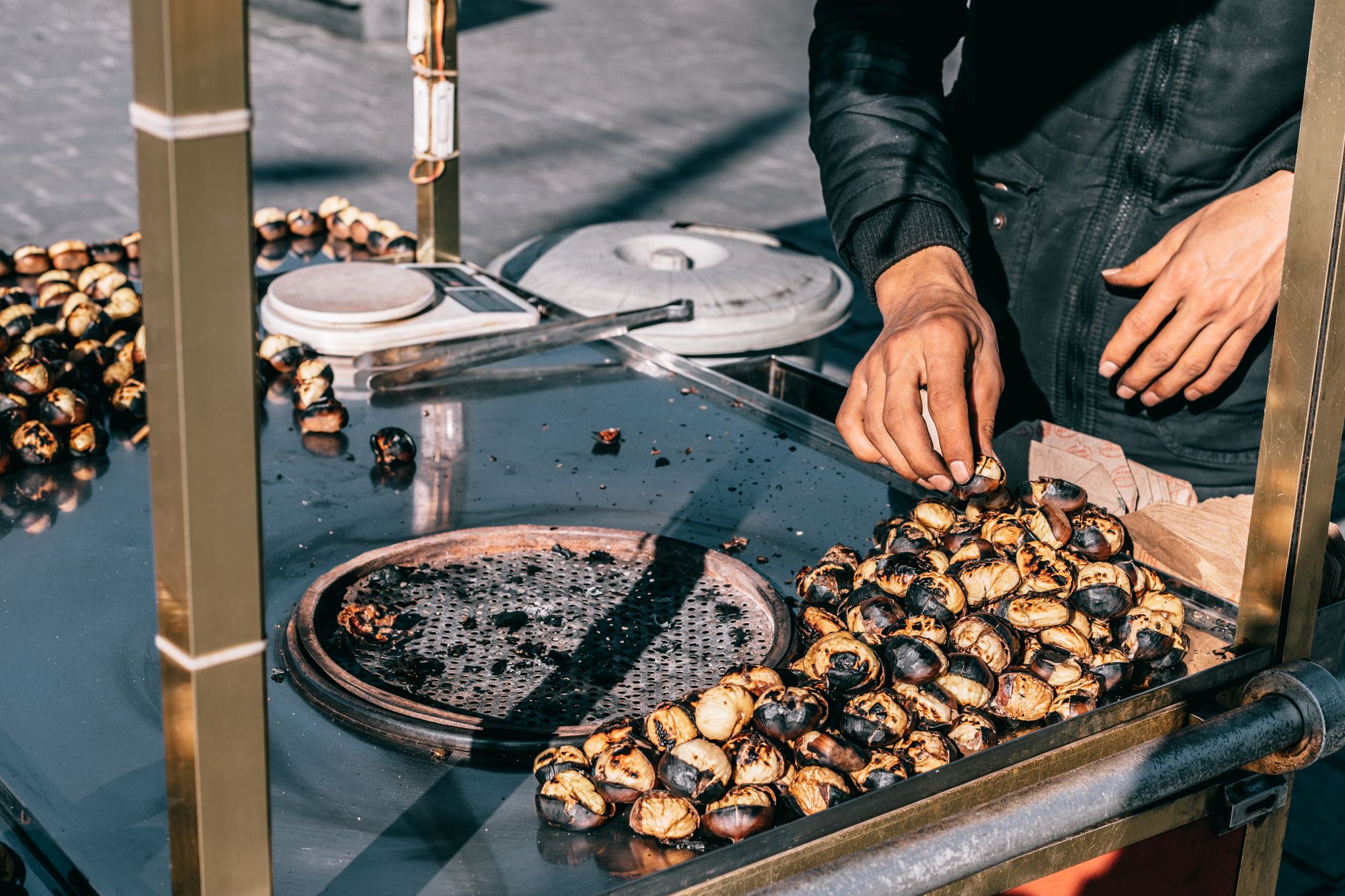
Türkiye's street food changes with the seasons, offering fresh delights throughout the year. In spring, look for taze bakla (fresh fava beans) and enginar (artichokes), often sold boiled or grilled. Summer brings juicy karpuz (watermelon) slices, kavun (melon), and dondurma (Turkish ice cream) — the latter famous for its stretchy texture and playful vendors. Autumn is the time for kestane (roasted chestnuts) and nar (pomegranate) juice, freshly squeezed at carts everywhere.
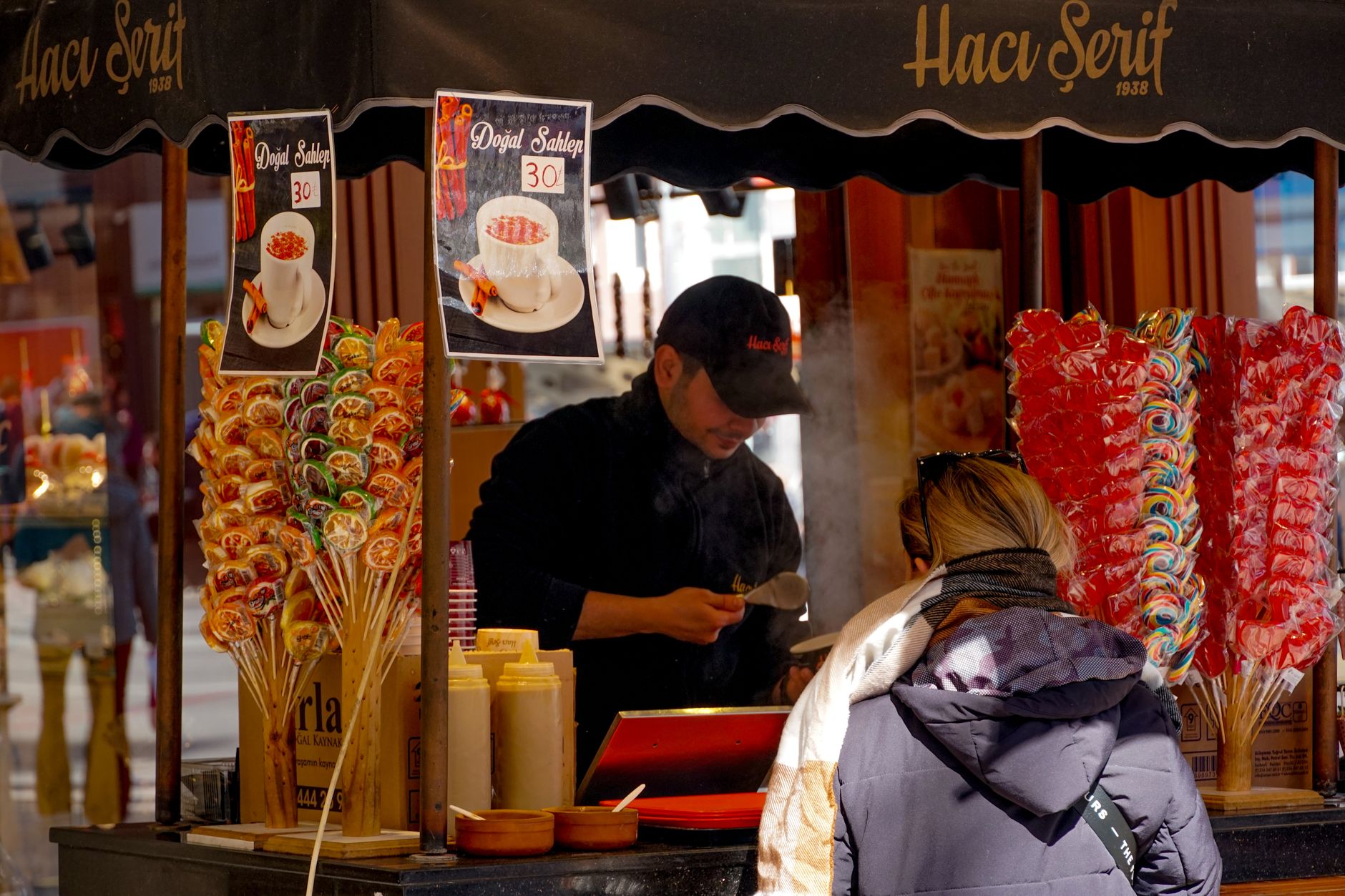
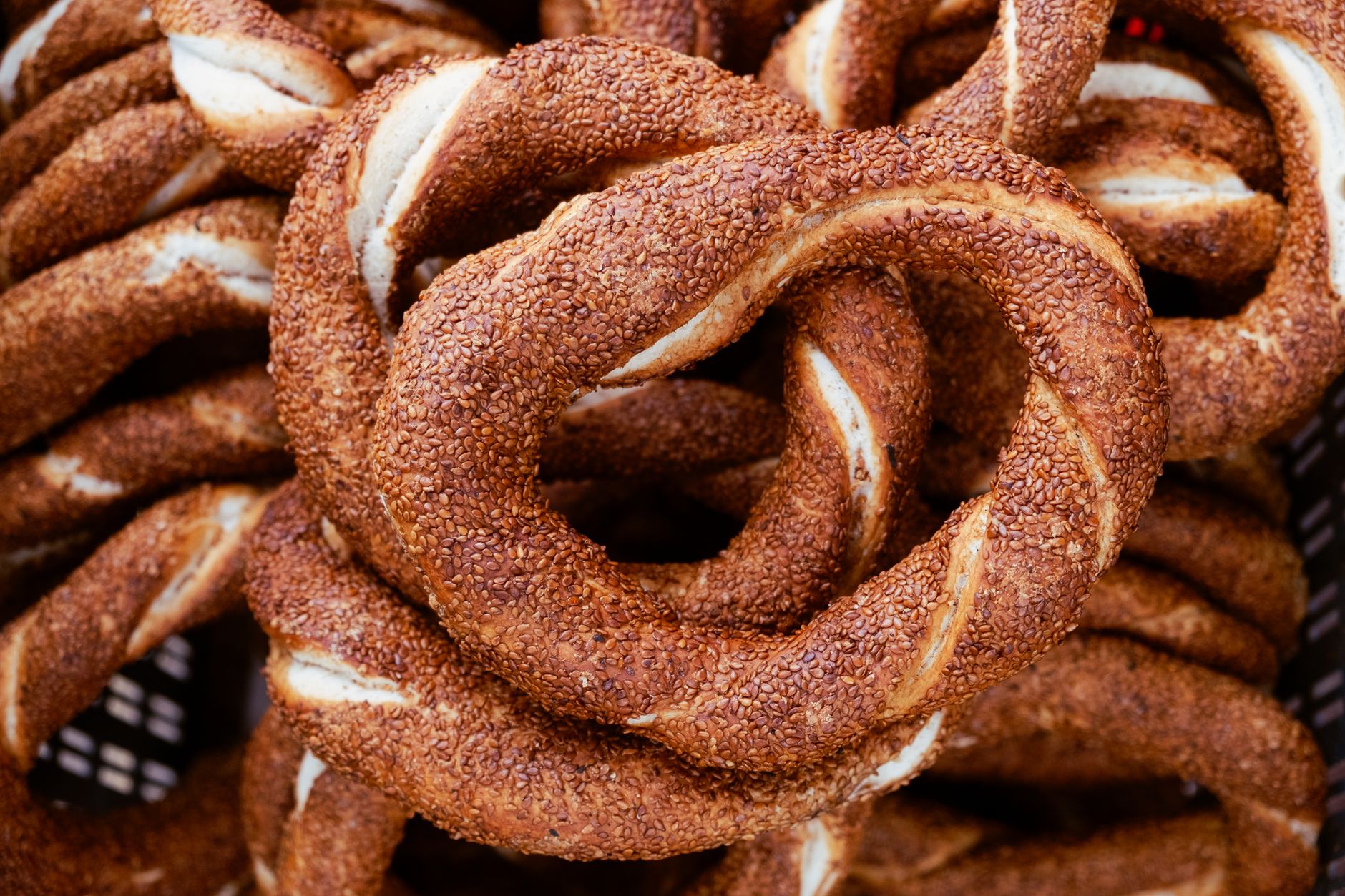
Winter, of course, is boza and salep — a hot, milky drink made from orchid tubers, topped with cinnamon. You'll also find kumpir (giant baked potatoes stuffed with toppings) in Istanbul's Ortaköy neighborhood, a year-round favorite that's especially comforting in the cold. And let's not forget simit, the sesame-encrusted bagel-like bread that's available year-round but pairs perfectly with a cup of Turkish tea any time.
Each season offers a new reason to explore the streets. Don't stick to one favorite — let the calendar guide your snacking. Locals eagerly await the first chestnut carts of autumn or the return of boza as the nights draw in. Joining in these seasonal rituals is one of the great joys of traveling in Türkiye.
City-by-City Highlights: Where to Find the Best Bites
While street food is everywhere, some cities have specialties worth seeking out. Istanbul is the undisputed capital of variety: from midye dolma in Beşiktaş to roasted corn in Eminönü. In Izmir, try kumru — a warm sandwich with cheese, tomato, and sausage — and boyoz, a flaky pastry best enjoyed with tea. Ankara is known for its simit and köfte (meatballs), often sold from grills on street corners.
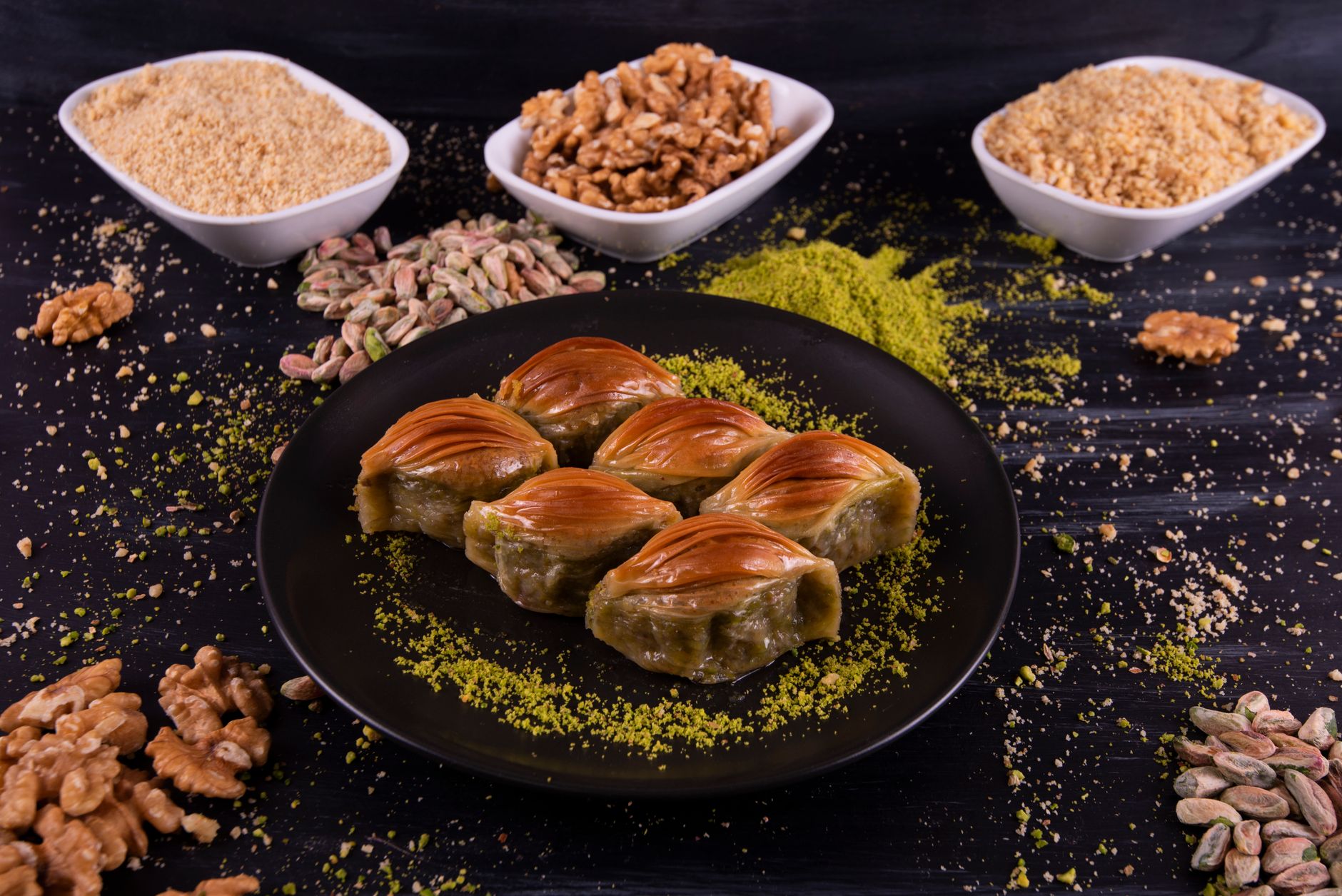
Down south, Antalya offers fresh seafood and citrus juices, while Gaziantep — a UNESCO City of Gastronomy — boasts baklava and lahmacun that will ruin you for anywhere else. In the southeast, Şanlıurfa's çiğ köfte (raw meatball, now usually meatless) is a must-try, sold by vendors who mix it fresh before your eyes. Each region adds its own twist, so keep your eyes open and your appetite ready.
No matter where you go, the friendliest way to order is with a smile and a simple "Merhaba" (hello). Point to what you want, ask "Ne kadar?" (How much?), and pay with small bills. Vendors appreciate the effort, and you'll often get a little extra or a warm chat in return.
Practical Tips: Prices, Hygiene, and Ordering Etiquette
Street food in Türkiye is incredibly affordable. Most snacks range from 5 to 30 TL ($0.15–$1), making it easy to eat well on a budget. Always carry cash — small bills and coins — as many vendors don't accept cards. Prices are usually displayed, but if not, don't be afraid to ask. Tipping isn't expected, but rounding up is a nice gesture.
Hygiene is a valid concern, but you can minimize risk by choosing busy stalls with high turnover. Look for vendors who use gloves, keep food covered, and have a clean cart. Grilled or boiled items are generally safer than raw. If you have a sensitive stomach, stick to hot, freshly cooked foods and avoid unpeeled fruit or salads. Bottled water is widely available.
Ordering is simple and friendly. Use "lütfen" (please) and "teşekkürler" (thank you). If you don't speak Turkish, pointing and smiling works wonders. Many vendors speak a little English in tourist areas, but a few words of Turkish go a long way. And remember: eating on the go is perfectly normal — just find a bench or a view and enjoy.
Embrace the Street Food Adventure
Türkiye's street food is more than sustenance; it's a cultural experience. From the smoky corn carts of Istanbul to the boza stands of a winter evening, each bite connects you to centuries of tradition and the warm hospitality of the Turkish people. Don't just eat to fill your stomach — eat to savor the moment.
So next time you're wandering through a Turkish city, follow your nose and your curiosity. Try that stuffed mussel, sip that boza, and munch on roasted chestnuts as the sun sets. You'll not only save money but also collect memories that will last far longer than any fancy meal. Afiyet olsun! (Bon appétit!)
Thinking about a trip to Turkey?
Share your contact details and a vetted local expert will follow up with a plan built around you — free, no obligation.