

Some travel moments stay with you forever. In Türkiye, one of the sweetest is this: the sky is still pink, the harbor smells of salt and simit, and a small wooden boat is gently rocking while someone pours you a tulip-shaped glass of black tea. Welcome to the Turkish harbor breakfast — a tradition so simple and so joyful that it has quietly become one of the country's most beloved morning rituals.
Along the Aegean and Mediterranean coasts, from Çeşme to Antalya, families, couples, and solo travelers gather at dawn to eat breakfast on the water. Some come for the famous serpme kahvaltı (a sprawling spread of small plates), others for a short boat loop around the bay. Either way, the spirit is the same: slow down, share food, and let the sea set the pace of the morning.
This guide walks you through where to find these sunrise breakfasts, what to expect on board, and how to book them without paying tourist-trap prices — so you can start your Turkish day the way locals do.
What Is a Turkish Harbor Breakfast, Exactly?
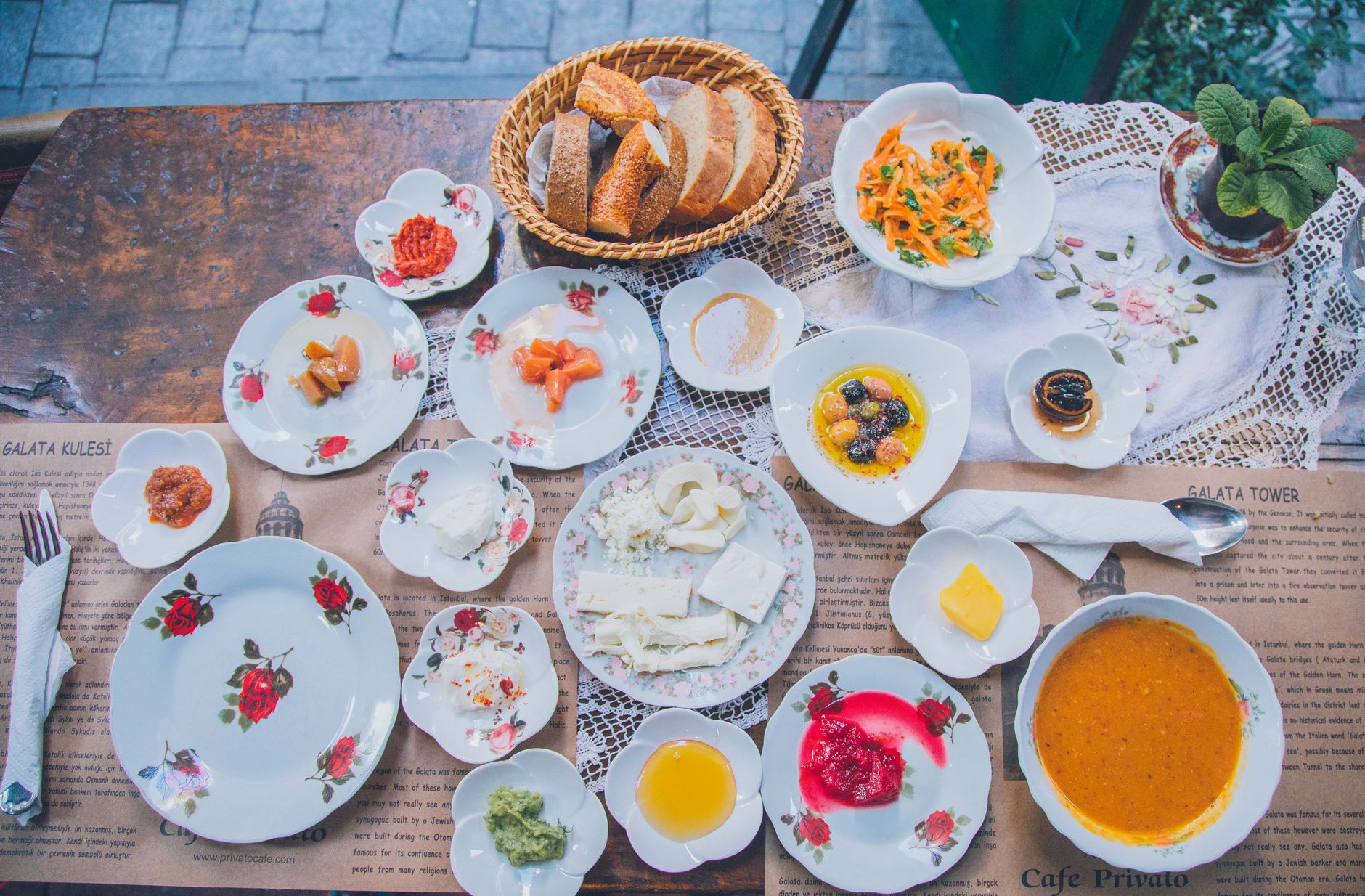
A harbor breakfast is exactly what it sounds like: breakfast served at a waterside table or aboard a boat, usually starting between 7:00 and 9:00 a.m. It's not a rushed hotel buffet. It's a leisurely, almost ceremonial spread — cheeses, olives, tomatoes, cucumbers, jams, honey and kaymak, eggs, warm bread, and endless tea — eaten while fishing boats bob nearby and seagulls circle overhead.
The meal itself is rooted in the kahvaltı culture that runs through all of Türkiye. What makes the harbor version special is the setting. The sea air sharpens your appetite, the light changes minute by minute, and the sounds of the harbor — rigging clinking, engines coughing to life, a waiter calling to a neighbor — become the soundtrack to your morning.
Many coastal towns take it a step further with a short breakfast boat trip: you board a small vessel, motor out to a calm bay or past a lighthouse, and eat the same spread on deck while the sun climbs higher. Trips are usually two to four hours, which means you're back on land well before lunch — perfect for travelers who want a big experience without losing a whole day.
Why This Tradition Feels So Turkish
Hospitality is the heart of Turkish culture, and breakfast is where it shows most generously. The table is never small. If you finish the cheese, more appears. If your tea glass empties, someone refills it before you notice. On a breakfast boat, this generosity takes on a communal rhythm — strangers pass plates to each other, compare notes on the view, and by the second cup of tea, everyone is friends.
There's also something deeply democratic about it. Harbor breakfasts are enjoyed by retirees in their Sunday best, young families with toddlers, fishermen between shifts, and travelers from every corner of the world. You don't need a reservation at a five-star hotel to feel like a VIP here. You just need to show up early and be ready to eat.
And of course, there's the sea itself. Türkiye's Aegean and Mediterranean coasts are legendary for their color — that impossible turquoise that seems to glow in the morning light. Eating breakfast on that water is a way of saying thank you to the day before it has even fully begun. If you want to understand the country's softer, sunnier side, start here rather than at a museum.
"In Türkiye, breakfast is not a meal. It is an invitation — and on the water, the invitation is impossible to refuse."
Where to Find the Best Harbor Breakfasts on the Aegean
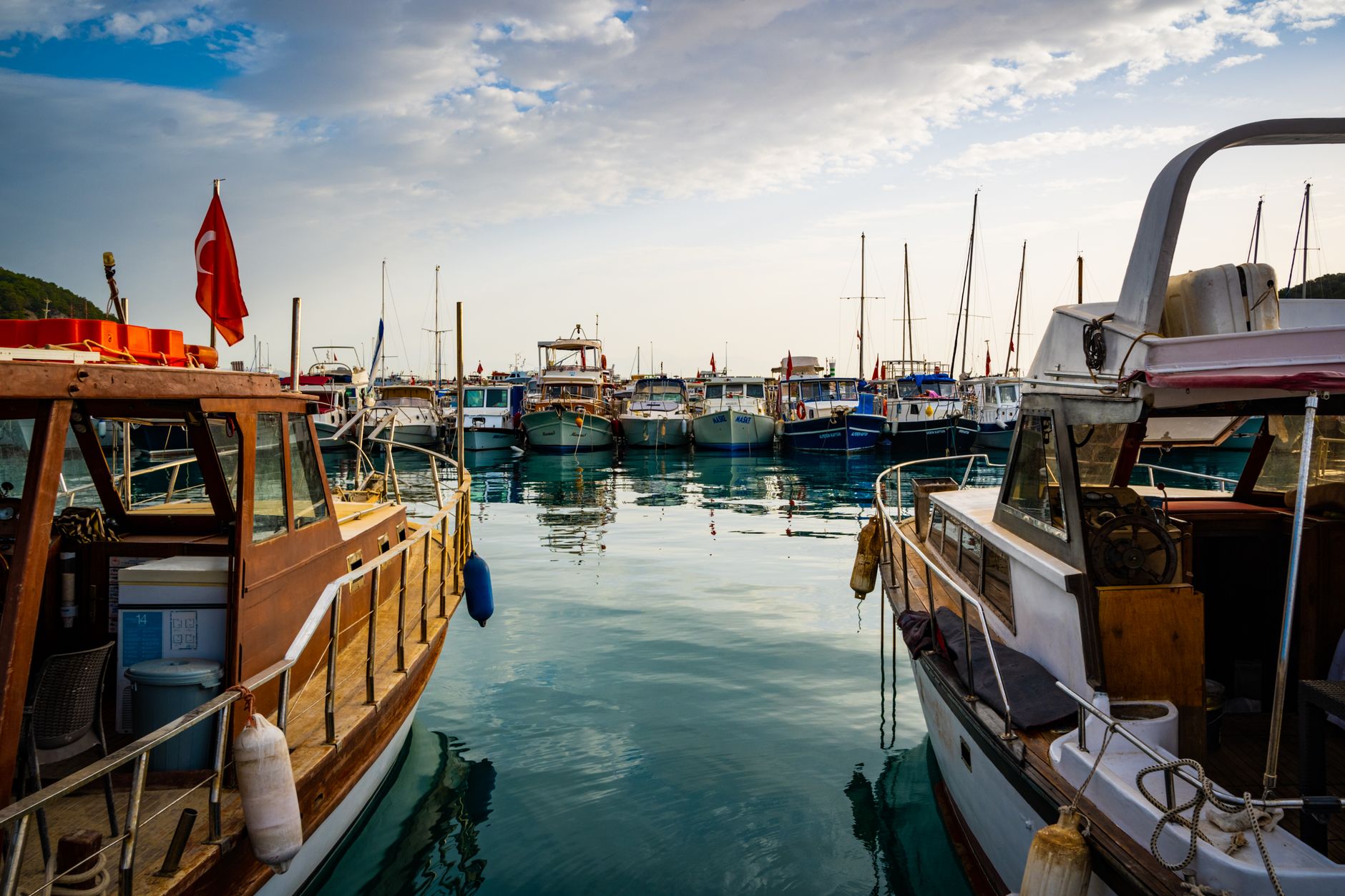
The Aegean coast is the classic heartland of the breakfast boat. Çeşme and the nearby Alaçatı area are famous for waterside breakfast spots, many tucked into small marinas where fishing boats and sailing yachts share the same dock. In Seferihisar and Sığacık, the pace is even slower, with family-run boats leaving from the little harbor for a short loop around the bay.
Further north, Ayvalık and Cunda Island offer some of the most photogenic mornings in the country — stone houses, olive groves, and calm water that reflects the sunrise like a mirror. Foça, with its protected bays and resident Mediterranean monk seals, is another gem where breakfast boats have long been part of local life.
For travelers based in İzmir, day trips to these harbors are easy, and many operators combine a breakfast sail with a swim stop in a quiet cove. If you're mapping out a coastal route, our route ideas can help you string together several harbors into one delicious itinerary.
Breakfast Boats Along the Mediterranean
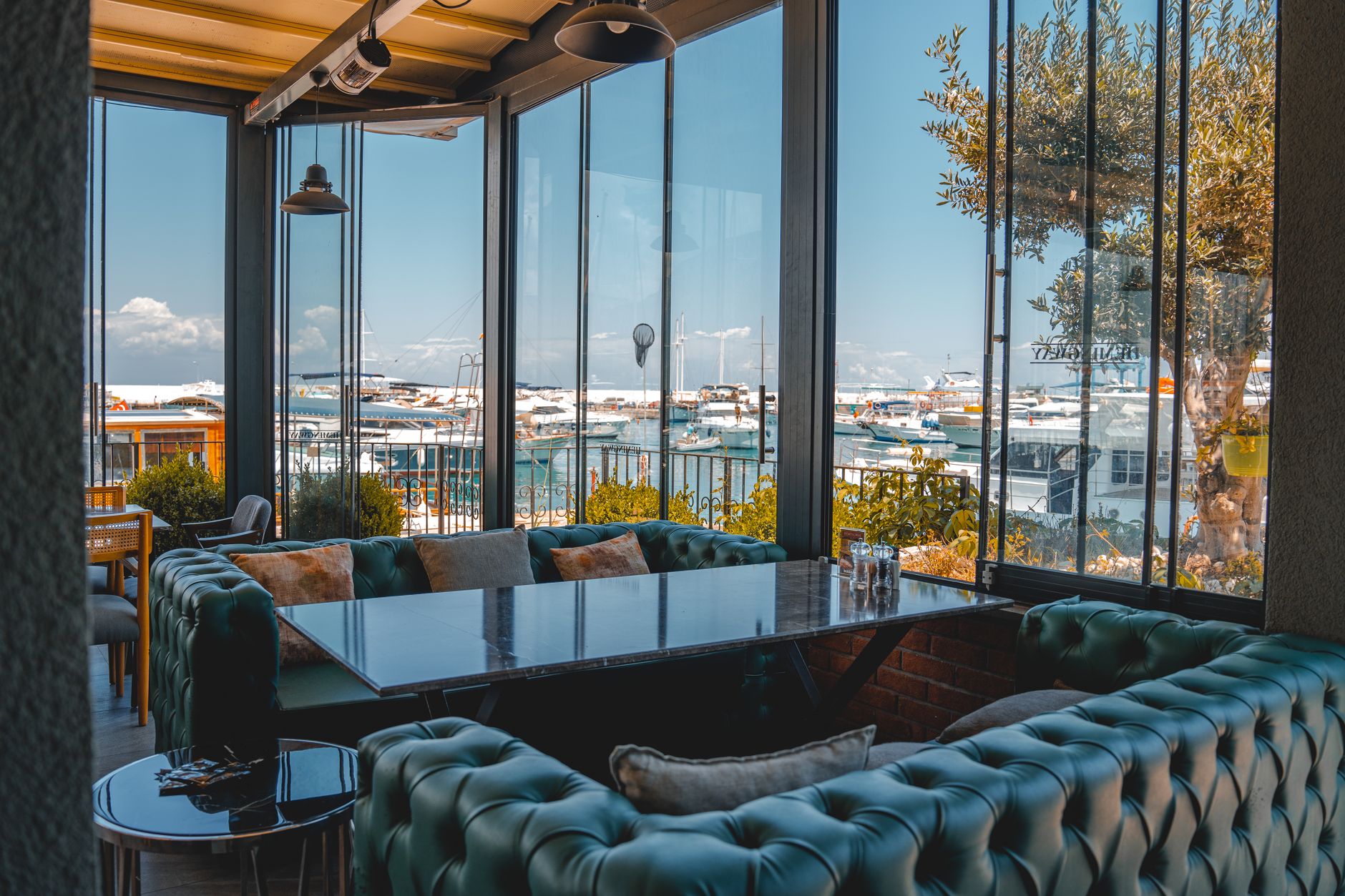
The Mediterranean coast has its own flavor of morning. In Kaş, the harbor is small and intimate, and breakfast boats often glide out to nearby islets where the water is glassy and clear. Kalkan offers similar pleasures, with short trips that hug the cliffs and stop for a swim before returning to port.
Fethiye and Göcek are bigger hubs, where traditional wooden gulet boats sometimes run shorter morning excursions alongside their famous multi-day cruises. Near Antalya, the old harbor at Kaleiçi is a magical place to start the day, with the Taurus Mountains hazy in the distance and the smell of pine drifting down from the cliffs.
If you're traveling in high summer, remember that mornings are also the coolest and calmest hours on the water. That makes a breakfast boat not just a pleasure but a smart way to enjoy the coast before the heat arrives. For more on timing your trip, see our guide to the best time to visit Türkiye.
What to Expect on Board: Food, Drink, and Rhythm
Most breakfast boats follow a familiar pattern. You arrive at the harbor around 7:30 or 8:00, board, and settle in while the crew casts off. Within minutes, tea and coffee appear, followed by a parade of small dishes: white cheese, aged kaşar, black and green olives, sliced tomatoes and cucumbers, honeycomb with thick kaymak, various jams, butter, and baskets of warm bread. Eggs — often fried or scrambled with tomatoes and peppers — come out hot. Some boats add börek (flaky pastry), simit, or fresh fruit.
Expect unlimited tea. It's not a cliché; it's a rule of hospitality. Coffee is usually Turkish, brewed strong and served in small cups. Some operators offer juice or ayran, and on a few boats you can buy a glass of wine on the return leg, though mornings are generally alcohol-free.
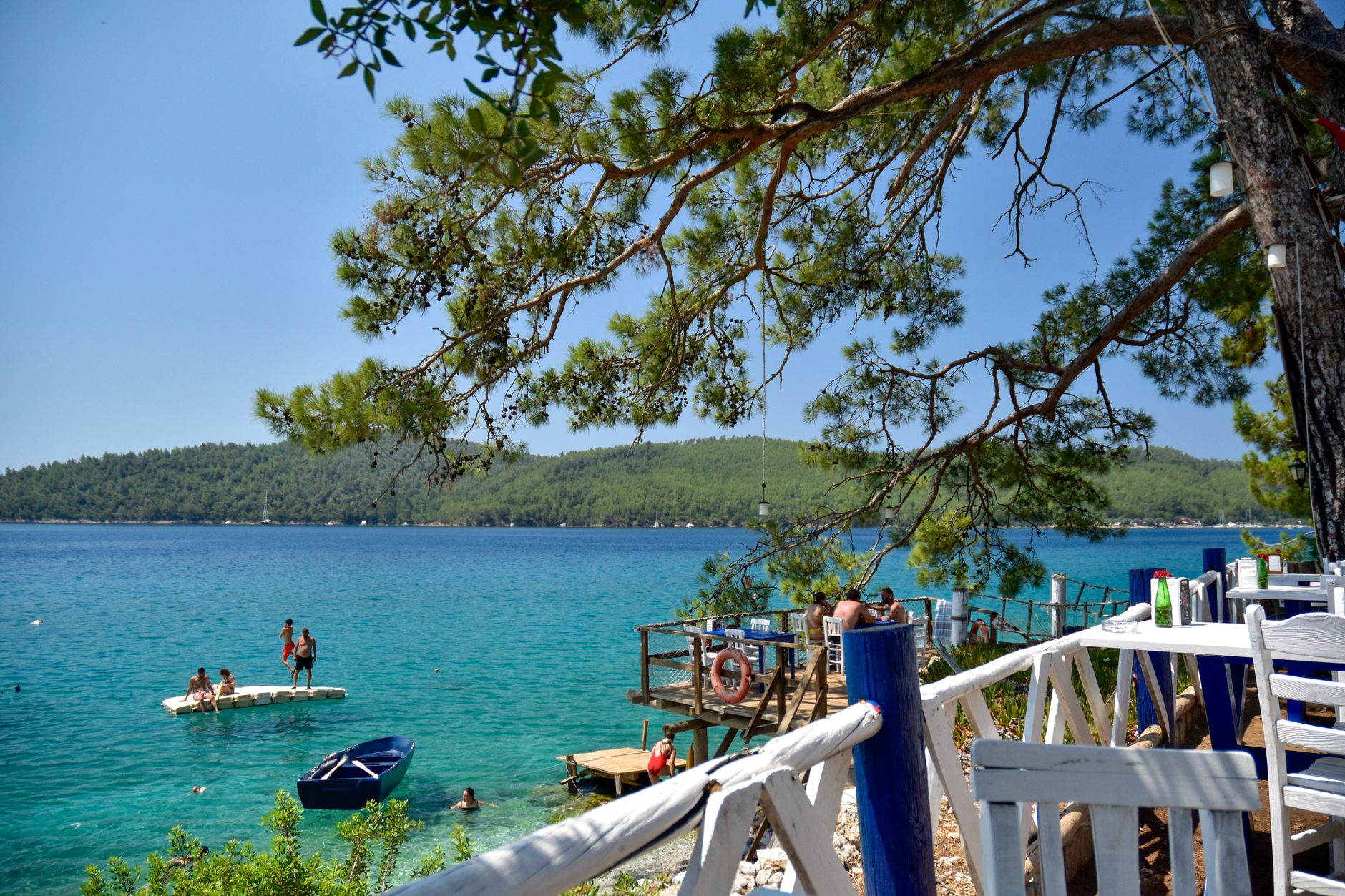
The pace is unhurried. You'll stop at least once for a swim, often in a sheltered bay where the water is calm. Bring a swimsuit and a towel. The crew will typically provide life vests, and many boats have shaded seating, sunbeds, and a small ladder at the stern. Music, if any, is low and Turkish — nothing that competes with the sea.
A Sample Morning Itinerary
- 7:15 a.m. Arrive at the harbor, find your boat, and meet the crew.
- 7:30 a.m. Depart and steam out to a quiet bay or past a lighthouse.
- 8:00 a.m. Breakfast is served on deck as the sun rises higher.
- 9:30 a.m. Swim stop in clear water; tea and fruit on board.
- 11:00 a.m. Return to the harbor, relaxed and pleasantly full.
How to Book Without Overpaying
The good news: harbor breakfasts and short breakfast boat trips are generally excellent value. The bad news: prices can vary widely, especially in tourist-heavy towns, and it pays to know the norms before you book.
Start by booking directly with the boat owner or a small local operator rather than through a hotel concierge or a third-party reseller. Ask at the harbor the day before, or check local listings and community boards. In many towns, you can simply walk down to the marina in the late afternoon and chat with crews about the next morning's trip.
Be clear about what's included. A fair price usually covers the boat trip, the full breakfast spread, unlimited tea, and a swim stop. Ask whether drinks beyond tea are extra, whether there's a per-person or per-boat rate, and whether children pay a reduced price. Confirm the departure time and duration — a "breakfast cruise" can mean two hours or five, and the price should match.
Watch for a few red flags: prices quoted only in foreign currency, pressure to book on the spot, vague answers about the itinerary, or boats that look crowded beyond their stated capacity. A reputable operator will happily answer questions and show you the boat before you commit. If you prefer to have someone else handle the logistics, our local experts can point you to trusted operators.
Finally, tip modestly and in cash. Crews work hard and start early. A small tip is a lovely way to say teşekkürler for a beautiful morning.
Practical Tips for a Perfect Morning on the Water
- Go early, especially in July and August. The first boats out get the calmest water and the best light.
- Bring layers. Coastal mornings can be cool, even in summer, and the sea breeze picks up on the return leg.
- Pack light: swimsuit, towel, sunscreen, sunglasses, a hat, and a light jacket.
- Bring cash in Turkish lira for tips and small extras.
- Ask about sea conditions if you're prone to motion sickness; sheltered bays are usually gentle.
- Respect the crew and the sea — no litter, and follow safety instructions.
If you're planning a broader coastal trip around these mornings, our itineraries and destination guides can help you build a route that balances harbor breakfasts with beaches, ruins, and mountain villages. And if you'd like a hand shaping the whole journey, the trip planner is a great place to start.
More Than a Meal: A Memory You'll Keep
What makes the Turkish harbor breakfast so special isn't the food, though the food is wonderful. It's the feeling of being welcomed into a rhythm that has nothing to do with clocks or schedules. The boat rocks, the tea keeps coming, and for a couple of hours you belong to the sea and to the people around you.
So set your alarm a little earlier than you think you need to. Walk down to the harbor while the streets are still quiet. Find a boat with a friendly crew and a worn wooden deck. Sit down, accept the first glass of tea, and watch the sun come up over the Aegean or the Mediterranean. It's the happiest way to start a day in Türkiye — and one you'll be talking about long after you've gone home.
Thinking about a trip to Turkey?
Share your contact details and a vetted local expert will follow up with a plan built around you — free, no obligation.