

The Hour Before Tourism Wakes Up
There is a version of Türkiye that most visitors never see. It happens between roughly 5:30 and 8:00 in the morning, when the light is still the color of weak tea, and the only sound along the waterfront is the slap of ropes against masts. Fishermen who left port at dusk are coming back in. Their boats nudge the quay, crates of silver fish hit the concrete, and somewhere behind the harbor a café owner is already grilling bread over charcoal.
This is the sunrise fisherman's breakfast: a simple, unglamorous, deeply joyful ritual that plays out along almost every stretch of Turkish coast. You do not need an invitation, a reservation or a guidebook. You need to get up early, walk toward the water, and follow your nose.
On this trip we start in the Aegean, where the light comes up over Greek islands, and finish on the Black Sea, where the sun rises out of the water and the tea is even stronger. In between, the details change — the fish, the bread, the accent — but the rhythm is the same everywhere. That rhythm is the real attraction, and it is the easiest piece of authentic Turkish daily life a traveler can step into.
What Is a Fisherman's Breakfast, Exactly?
Forget the word "breakfast" as you know it. There is no menu, no orange juice machine, no one asking how you'd like your eggs. A fisherman's breakfast is a convergence of two things happening at once: the boats returning with the night's catch, and a handful of small cafés or tea houses serving the men who worked those boats.
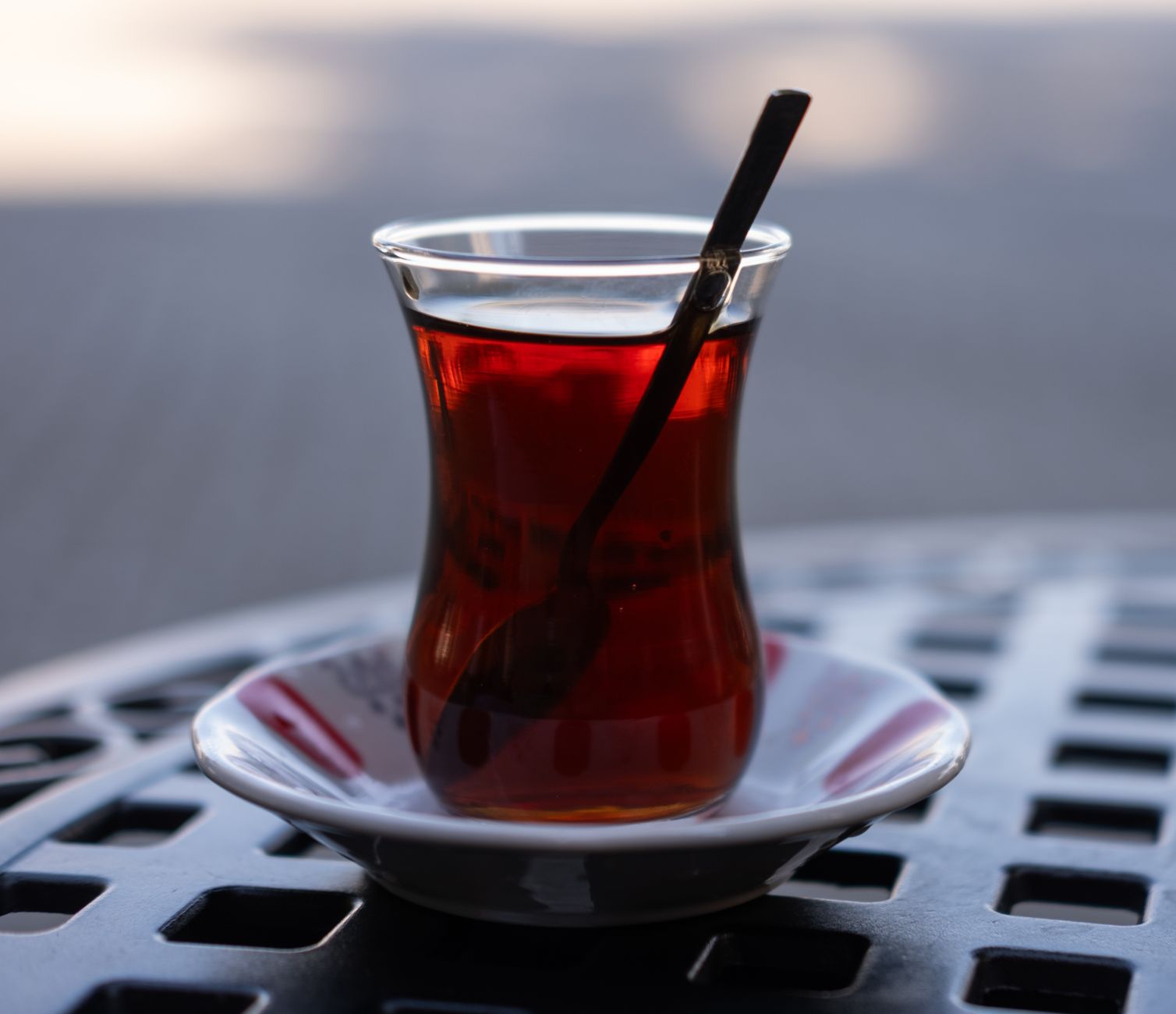
What lands on your table is almost always the same. A loaf of bread — probably tombik or a crusty village loaf — sliced and toasted over charcoal or a gas grill. A small plate of white cheese, a bowl of olives, a dish of tomato and cucumber, and a saucer of honey or jam. Eggs are often fried in a small copper pan with butter and sometimes sucuk, the spicy cured sausage. And tea. Endless tea, served in the tulip-shaped glass that has become the national symbol of hospitality.
What makes it special is not the food, though the food is very good. It's the context. You are eating ten meters from where the fish were landed. The man at the next table may have sold the fish you are about to see on the ice. Somebody will almost certainly pull up a plastic chair for you, and somebody else will fill your tea glass before it is empty. The whole thing costs very little and takes as long as you want it to.
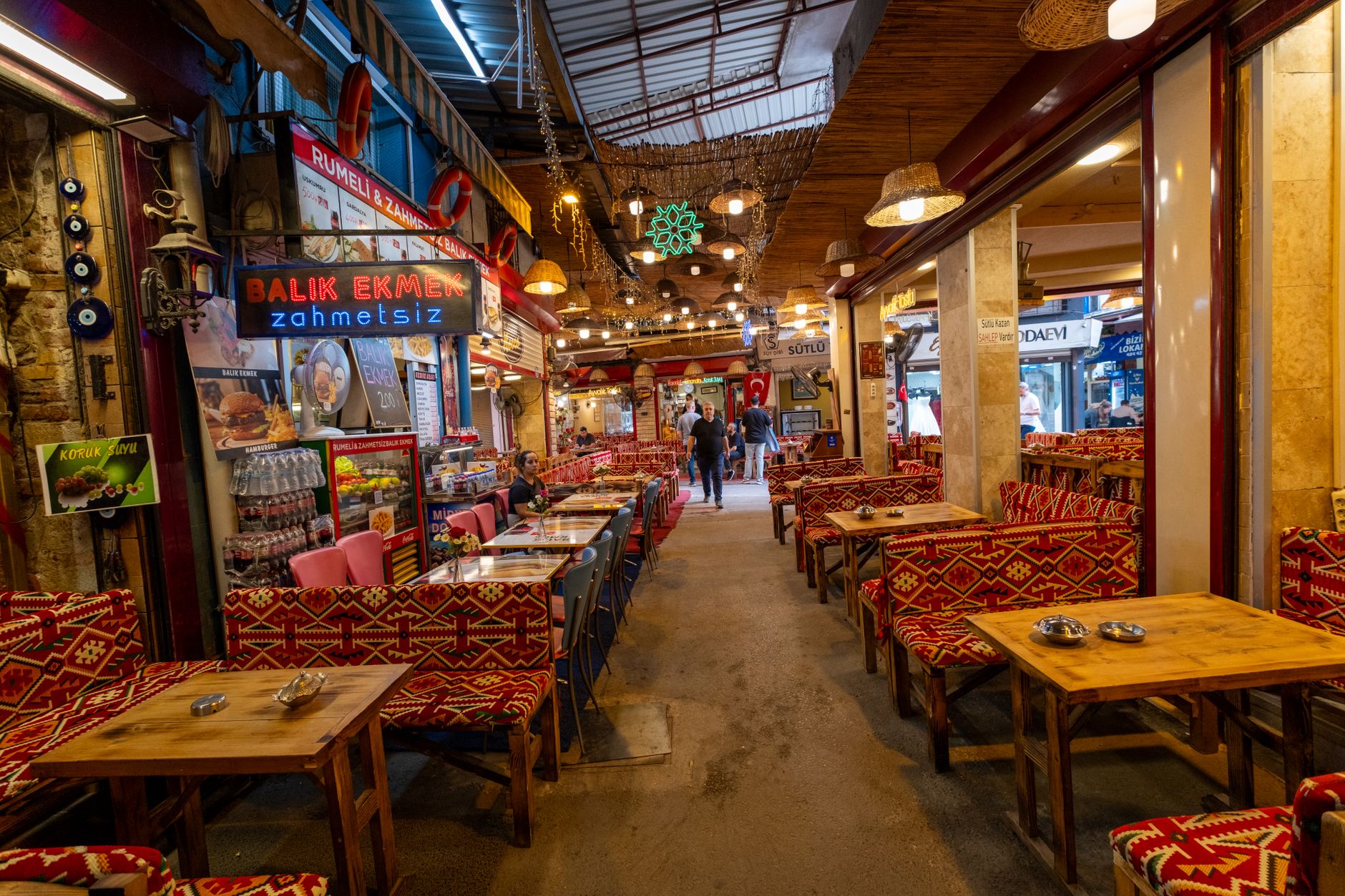
The dish most attached to this early-morning harbor culture is balık ekmek — grilled fish in bread, usually mackerel, with onion, lettuce and a squeeze of lemon. It is eaten at all hours in Istanbul's Eminönü, but the original version is the fisherman's breakfast of the Aegean: fresh-caught fish, grilled over coals at dawn, eaten standing up while the boat is still being tied off.
The Best Harbors for a Sunrise Breakfast
Bodrum and the Bodrum Peninsula
Bodrum's harbor is dominated by yachts and day boats by mid-morning, but the early hours belong to the small fishing fleet. The balıkçı barınağı on the eastern edge of the harbor, and the lanes behind it, fill up from about six o'clock. The cafés there serve breakfast to the crews and to anyone else who turns up.
If you want something quieter, take a minibus to a village on the peninsula — Gümüşlük, Gündoğan or Türkbükü before the crowds arrive. In Gümüşlük particularly, the old harbor and the fish restaurants around it have the atmosphere of a place that still works for a living. Breakfast tables appear on the sand at sunrise, and the fishermen's catch is often displayed next to them.
Bodrum is also a lovely base for exploring the wider Aegean coast, and if you want to combine harbor mornings with ruins and beaches, it is worth reading our destination guides for the region before you plan.
Foça and the Northern Aegean
Foça, north of Izmir, is one of the last true fishing towns on the Aegean. The harbor is small, the boats are painted in bright colors, and the morning market on the quay sells fish, bread and vegetables from the surrounding farms. The breakfast culture here is less polished and more genuine than in the resort towns. Expect a plastic table, a gas burner, and a plate of fried fish with a glass of tea.
Foça is also a good place to see the interplay between the harbor and the town: the fishermen sell at the boats, and the cafés buy directly from them. You can watch the whole supply chain happen before nine in the morning.
Maiden's Tower and the Bosphorus, Istanbul
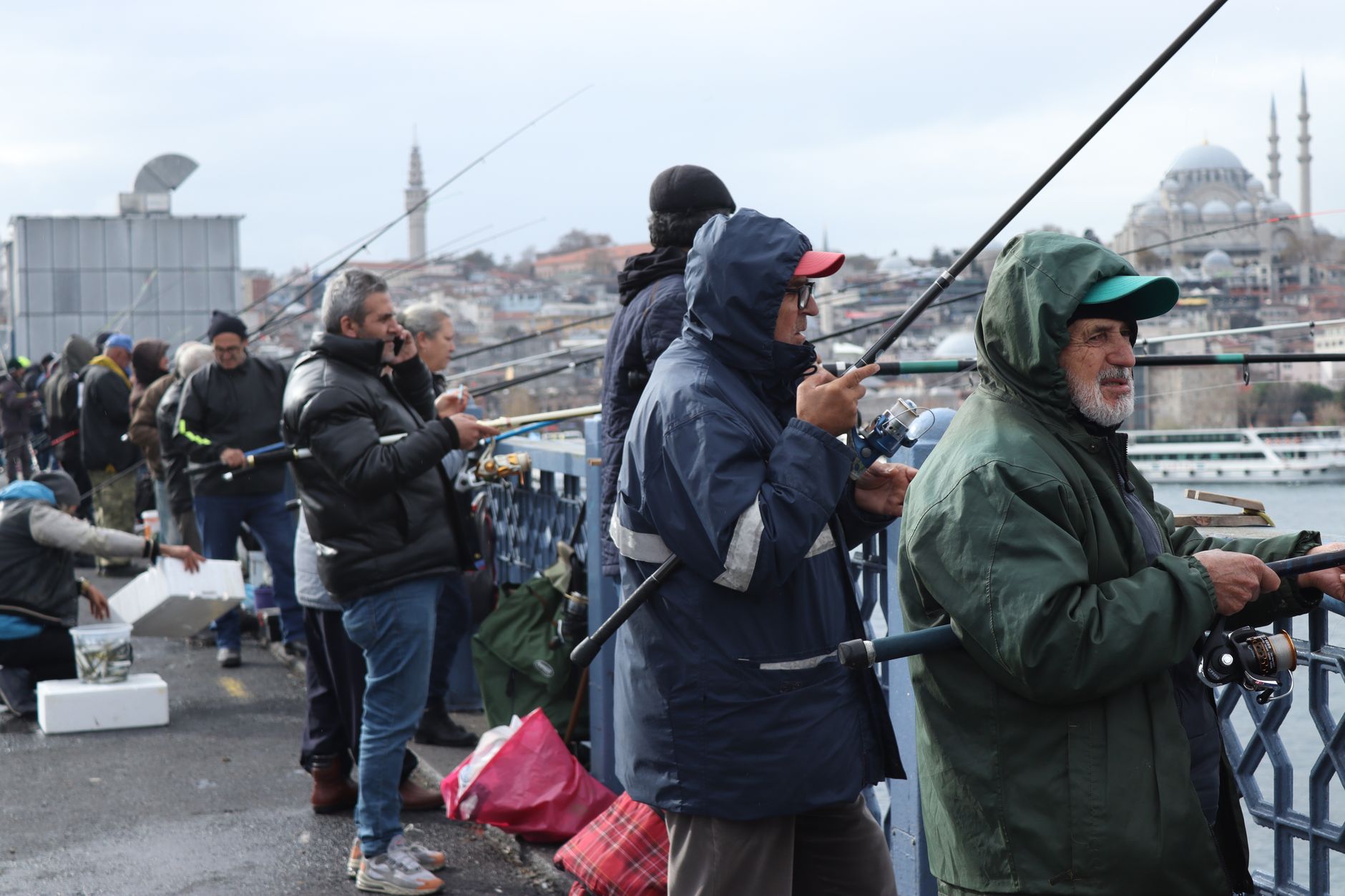
Istanbul is not a small harbor town, but it has its own early-morning waterfront culture. The Eminönü fish market and the Galata Bridge restaurants are the obvious tourist stops, and by noon they are packed. Go at six o'clock, however, and you will see a different scene: the fishermen on the bridge, the tea sellers with their trays, and the fish restaurants making their first deliveries.
For a more local experience, head to Kumkapı or Samatya, where the morning fish trade has been happening for centuries, or take a ferry to the Princes' Islands on the early boat and eat breakfast on the island waterfront as the city wakes up behind you. The guides section covers the details of ferry timetables and transit cards.
Trabzon and the Black Sea
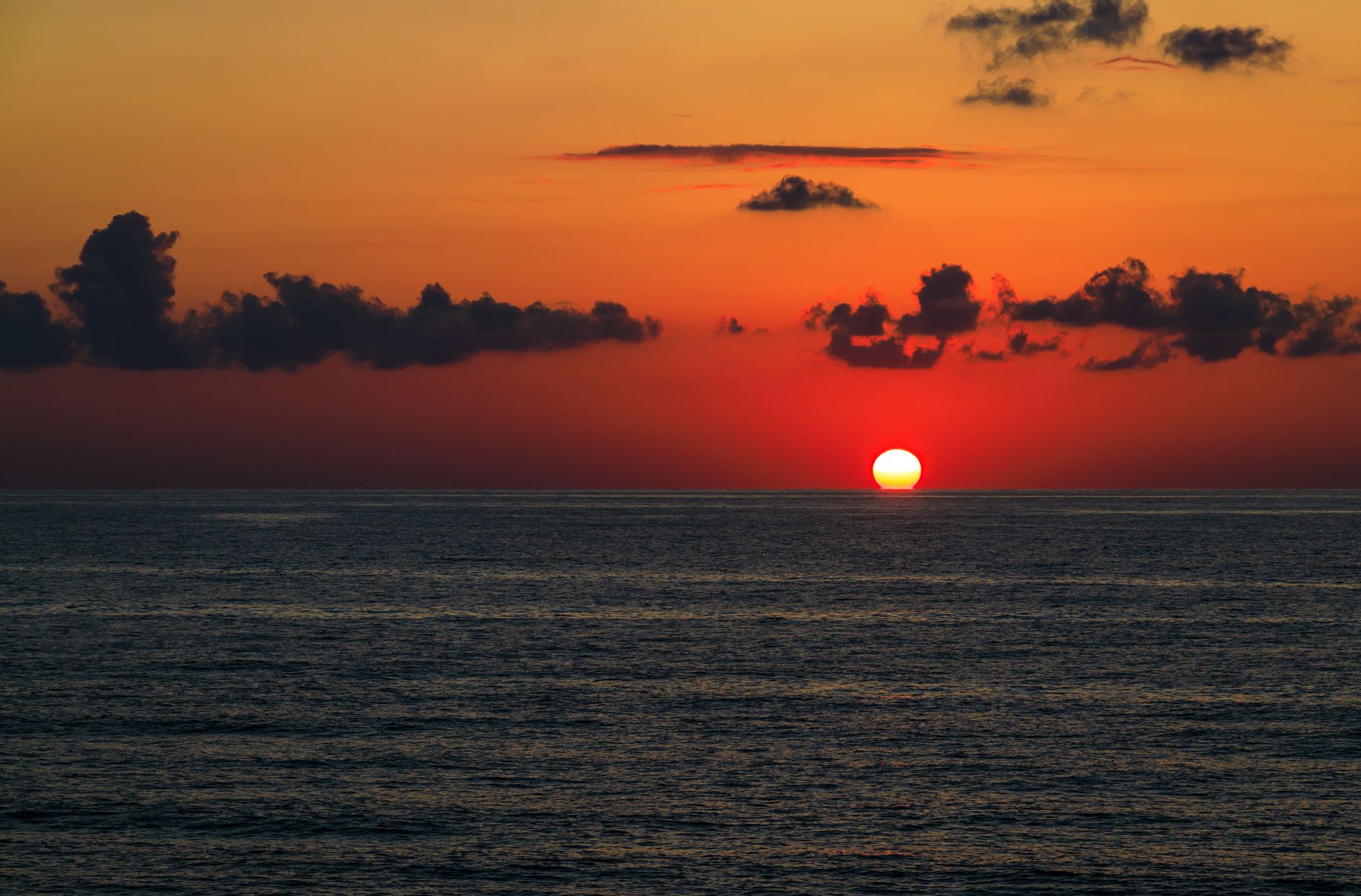
Trabzon is where the Black Sea version of this ritual feels most dramatic. The sun rises out of the water here, not over the land, and the light on the waves is spectacular. The city's small fishing harbors, particularly around the district of Meydan and further along the coast toward Rize, are the place to be at 5:30 or 6:00.
Black Sea breakfast is different from what you'll find in the Aegean. It is built around muhlama — a hot, molten dish of cornmeal, butter and cheese — plus kuymak, black bread, and the famous trabzon hurması in season. The fish is different too: anchovy, hamsi, in season, and a wide range of other Black Sea species. The tea is grown locally, and it is strong enough to stand a spoon in.
The Black Sea coast is also where you can combine harbor mornings with the highlands. The routes page can help you plan a coast-and-mountain itinerary that keeps a few early starts in the mix.
Smaller Harbors Worth the Detour
Three more places to keep in mind: Assos (Behramkale), on the northern Aegean, where the harbor is tiny and the sunrise comes up behind the ancient temple; Kaş on the Lycian coast, with its crescent bay and fishing boats; and Sinop on the Black Sea, a working port where the morning market and the breakfast cafés are practically the same place.
None of these are secret, but they are quiet enough that you can sit down, order a tea, and be the only foreigner at the table.
Timing: When to Go and What Time to Arrive
This is the most practical part, so pay attention. The boats come in at different times depending on the season and the species, but a rough guide is that the harbor is at its most interesting between 5:30 and 7:30 in the morning. In summer, when the sun rises early and the day heats up fast, everything happens earlier — boats may be in by five, and the cafés will be winding down by eight.
In spring and autumn, the pace is gentler: the light is softer, the harbor stays lively until eight or nine, and you can linger over a second glass of tea. Winter is variable: some harbors are still active, but many small fishing operations scale back, and you should check with your hotel or a local before committing to a 5 a.m. start.
The day of the week matters too. Tuesday and Friday are often market days in Turkish towns, and the harbor will be busier — and the breakfast will be livelier — on those mornings. Sunday is the quietest day for the fishing fleet, because many crews take the day off.
As for the season, our best-time guide is worth reading before you book, but the short version is this: late spring and early autumn are ideal for harbor mornings. The weather is pleasant, the fish are good, and the crowds have not yet arrived.
How to Order: A Very Short Phrasebook
You do not need fluent Turkish to join a fisherman's breakfast. A smile, a gesture at the next table, and a few words will do. Here are the ones that matter:
- "Merhaba" — hello. Use it when you walk in. It changes everything.
- "Kahvaltı var mı?" — is there breakfast? Useful in small cafés that don't have a menu.
- "Bir çay, lütfen" — one tea, please. You will hear yourself saying this many times.
- "Balık ekmek" — fish in bread. The classic harbor breakfast.
- "Menemen" — eggs with tomato and pepper. If they have it, order it.
- "Sahanda yumurta" — fried eggs in a pan. Often with butter and sausage.
- "Kahve" — coffee. In a fisherman's café you may be offered instant coffee or Turkish coffee; the tea is usually the better bet.
- "Ne kadar?" — how much? Useful at the end, though the amount will often be small and may be rounded to make your change easy.
- "Afiyet olsun" — enjoy your meal. Say it to the table next to you. You will get it back.
Two cultural notes: do not be surprised if you are invited to join a table, and do not refuse the first glass of tea. It is not a sales pitch; it is hospitality. If you want to repay it, offer to pay for the table's tea — but be prepared for a friendly argument in which they insist on paying instead.
If you have dietary restrictions, learn the phrases for them in advance. "Et yemiyorum" means "I don't eat meat," and "domates alerjim var" means "I'm allergic to tomatoes." The travel tools page has more language and planning resources.
Practicalities: What to Bring, What to Expect, and How to Be a Good Guest
Bring cash. Many harbor cafés are small and do not take cards, and the fishermen selling directly off the boat certainly don't. Small notes and coins are ideal. Bring a light layer, because mornings on the water are cool even in summer. Bring a sense of patience, because the pace is slow and the tea keeps coming.
Expect the food to be simple and the setting to be functional: plastic chairs, paper tablecloths, a gas burner on the pavement. That is the point. The luxury here is freshness and atmosphere, not décor. Do not ask for a menu unless one is offered; let the owner tell you what's good that morning.
Be a good guest. Ask before photographing the fishermen or their boats — most will say yes, but it costs nothing to ask. Do not haggle over a breakfast that costs less than a coffee in your home city. And if you see a boat unloading, keep a respectful distance; the crew is working with sharp knives and slippery crates.
Finally, remember that this is a working harbor, not a performance. The fishermen are not there for your entertainment, and the café owner is not running an "authentic experience." They are simply doing their jobs, and they are happy to let you join in. That openness is the whole appeal — and it is the reason this is one of the most rewarding travel experiences Türkiye offers.
If you'd like help building an itinerary around harbor mornings, seafood, and coastal villages, our trip planner and local experts can put the pieces together. And if you want to see the kind of scenery that goes with it, have a look at the gallery before you decide where to start.
A Morning You'll Remember
The sunrise fisherman's breakfast is not a must-see attraction in the usual sense. There is no ticket, no opening hours, no queue. It is simply a slice of daily life that happens to be both beautiful and accessible — and that is exactly what makes it worth setting an alarm for.
Start in one harbor, and you will find yourself planning the next one. The Aegean gives you soft light and calm water; the Black Sea gives you drama and muhlama; Istanbul gives you the city at its most human. All three will feed you well for very little money, and all three will remind you why Türkiye is one of the great travel destinations on earth.
Go early. Order tea. Say thank you. That is the whole recipe.
Thinking about a trip to Turkey?
Share your contact details and a vetted local expert will follow up with a plan built around you — free, no obligation.