

چرا چای روح ترکیه است
در ترکیه، چای—چای—نوشیدنی نیست. یک زبان است، یک دستدادن، یک دکمه توقف برای روز. حدود ۹۰ درصد ترکها روزانه چای مینوشند و این کشور از نظر سرانه مصرف چای تقریباً در بالاترین جایگاه جهان قرار دارد. وقتی وارد مغازهای میشوید، وقتی غذایتان تمام میشود، وقتی بر سر قیمت چانه میزنید، وقتی عزادار هستید و وقتی جشن میگیرید، چای تعارف میشود. رد کردن یک استکان چای کمتر به خود چای مربوط است؛ رد کردن لحظهای از ارتباط است.
و چون چای اینقدر با زندگی روزمره درآمیخته است، مکانهایی که مردم در آن چای مینوشند هم به اندازه خود چای اهمیت دارند. چای باغچهسی (باغ چای) نهادی کاملاً ترکی است: اغلب در فضای باز، معمولاً ارزان، غالباً زیبا و همیشه اجتماعی. جایی است که بازنشستهها درباره فوتبال بحث میکنند، دانشآموزان برای امتحان درس میخوانند، عاشقان پچپچ میکنند و مسافران تصادفی سه ساعت را صرف تماشای عبور کشتیها از تنگه بسفر میکنند.
آنچه باغهای چای ترکیه را اینقدر خاص میکند، دموکراتیک بودن آنهاست. یک استکان چای معمولاً معادل چند سکه است—غالباً کمتر از قیمت یک بطری آب در اروپای غربی. این قیمت مناسب یعنی میتوانید بدون احساس گناه وقت بگذرانید، و معلوم میشود که همین وقت گذراندن، تمام هدف است. در ادامه چند تا از دیدنیترین باغهای چای ترکیه، از تپههای معروف استانبول تا مزارع مهآلود دریای سیاه، معرفی میشوند.
آداب و رسوم: چگونه مانند یک بومی چای سفارش دهیم و بنوشیم
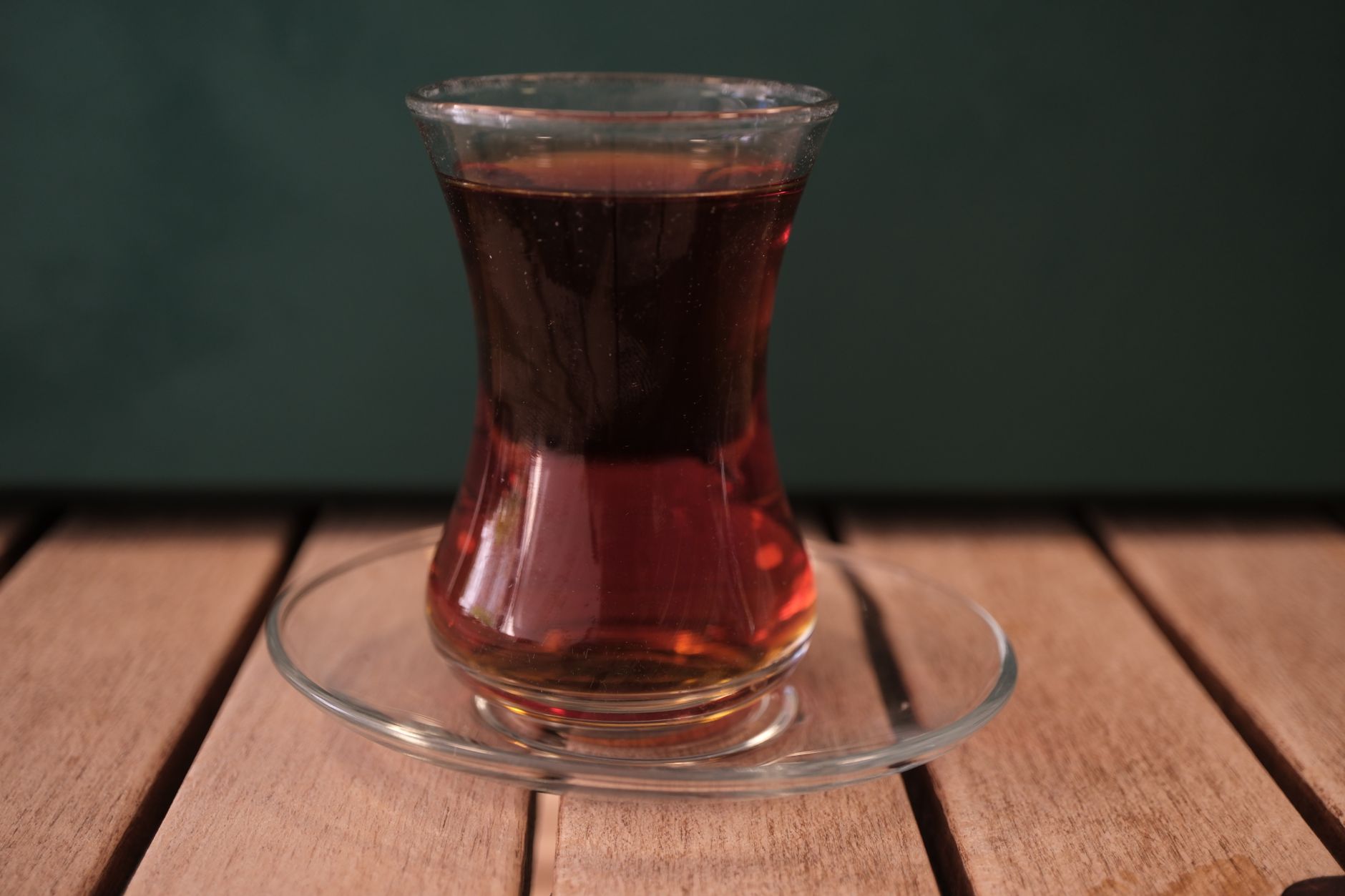
چای ترکی در یک استکان کوچک گلنرگسی به نام اینجه بلی بارداق سرو میشود. این شکل بهخودیخود تزئینی نیست: چای را در پایین داغ نگه میدارد در حالی که اجازه میدهد لبه آن را بدون سوزاندن انگشتان بگیرید، و رنگ قهوهای-کهربایی تیره یک چای خوب دمکرده را به نمایش میگذارد. خود چای در یک قوری دوبل به نام چایدانلیق دم میشود—عصاره غلیظ در بالا، آب داغ در پایین—تا بتوانید غلظت آن را به سلیقه خود تنظیم کنید.
سفارش دادن بهطرز دلپذیری ساده است. میگویید «بیر چای، لطفاً» (یک چای، لطفاً)، و در عرض چند دقیقه ظاهر میشود، معمولاً با یک یا دو حبه قند روی نعلبکی. بومیها اغلب آن را خیلی پررنگ و خیلی داغ مینوشند، قند اضافه میکنند اما بهندرت شیر. اگر ملایمتر میخواهید، آچیق چای بخواهید؛ اگر پررنگ میخواهید، دملی چای بخواهید. بسیاری از باغهای چای هم ترک قهوهسی (قهوه ترک)، آیران و تنقلات ساده مثل سیمیت یا ساندویچ تست سرو میکنند، اما چای همچنان ستاره است.
آداب آن ملایم است. استکان را از لبه یا نعلبکی کوچک بگیرید، آهسته بنوشید و عجله نکنید. وقتی استکانتان خالی شود، تقریباً مطمئناً کسی آن را پر میکند—غالباً قبل از آنکه متوجه شوید بیشتر میخواهید. در باغ چای، زمان با استکان اندازهگیری میشود، نه با دقیقه. ممکن است پیشخدمت هر ده دقیقه با سینی بیاید؛ شما فقط سر تکان میدهید یا رد میکنید. هیچ فشاری برای رفتن نیست، هیچ صورتحسابی جلوی شما تکان داده نمیشود، هیچ ساعت ضمنیای تیکتاک نمیکند. این تجمل آرام چای باغچهسی است: تا زمانی که منظره شما را نگه دارد، خوشآمدید که بمانید.
استانبول: پیر لوتی و شاخ طلایی
هیچ فهرستی از باغهای چای دیدنی بدون پیر لوتی کامل نیست. این کافه معروف که بر تپهای بالای محله ایوب نشسته است، به شاخ طلایی مشرف است، خلیجی درخشان که شاهد ناوگانهای بیزانسی، نیروی دریایی عثمانی و حالا کشتیهای گردشگری و قایقهای مسافربری بوده است. منظره یک پانوراما لایهلایه از گنبدها، منارهها، درختان سرو و آبی است که هنگام غروب طلایی میشود.
این کافه به نام رماننویس فرانسوی پیر لوتی نامگذاری شده است، کسی که در اواخر قرن نوزدهم عاشق استانبول شد و گویا برخی از آثارش را همینجا نوشت. امروز، انکارناپذیر محبوب است—نوازندگان خیابانی مینوازند، چوب سلفی بالا میرود و تراس آخر هفتهها بهسرعت پر میشود. اما صبح یک روز وسط هفته یا درست قبل از غروب برسید، یک چای سفارش دهید و جمعیت به همهمهای آرام تبدیل میشود. خود چای ساده و خوب است؛ منظره برنامه اصلی است.
میتوانید با سوار شدن بر تلهکابین ایوب-پیر لوتی به پیر لوتی برسید، که شما را از فراز گورستانی تپهای بالا میبرد—سفری غیرمنتظره آرام. وقتی به بالا رسیدید، میزی در لبه تراس بگیرید، دو چای بهجای یکی سفارش دهید و تماشا کنید که نور روی آب تغییر میکند. این یکی از مقرونبهصرفهترین تجربههای پانوراما در استانبول و بهبیگمان یکی از رمانتیکترین آنهاست.
آنکارا و قلب آناتولی
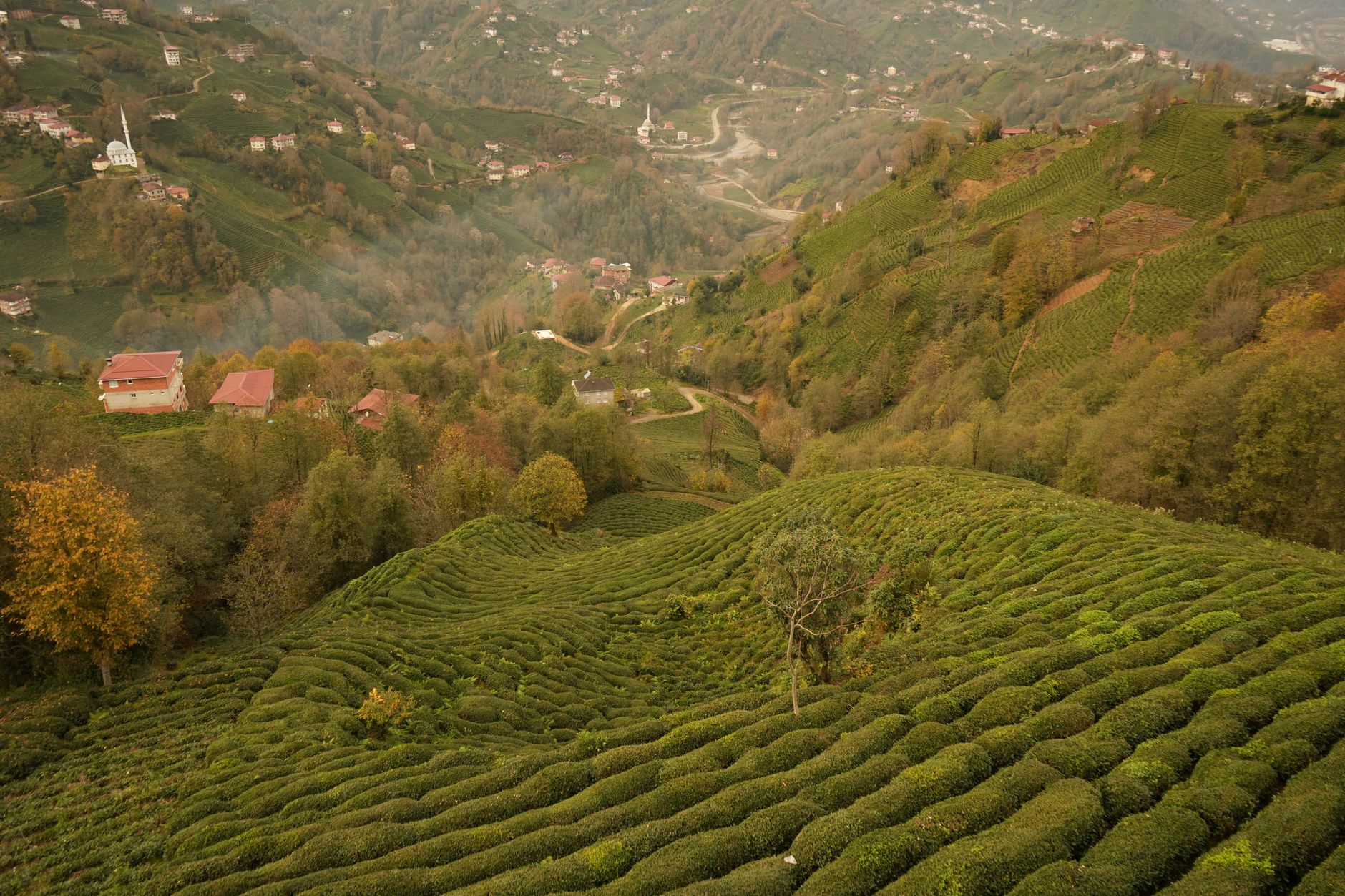
ترکیه داخلی فرهنگ باغ چای خود را دارد، که اغلب حول قلعهها، دیوارهای شهر و منظرههای پانوراما درهها شکل گرفته است. در آنکارا، محله قلعه (ارگ) چایخانههایی دارد که در دیوارهای سنگی باستانی پنهان شدهاند، با پانوراماهایی بر فراز پایتخت گسترده. تضاد بین قلعه قدیمی و شهر مدرن پایین به چای شما حسی از تاریخ میدهد. بومیها به اینجا میآیند تا از سر و صدای ترافیک فرار کنند و غروب خورشید را پشت منارهها تماشا کنند.
در شرق دورتر، شهرهایی مثل قیصریه، ارزروم و غازیعنتاب باغهای چای تپهای دارند که خانوادهها بعدازظهرهای آخر هفته در آنها جمع میشوند. ارزروم، در بلندی فلات آناتولی، به چای پررنگ و زمستانهای سردش معروف است؛ نوشیدن چای کنار پنجرهای مشرف به خیابانهای برفی تجربهای اصیل است. در غازیعنتاب، که به آشپزی فوقالعادهاش شهرت دارد، باغهای چای اغلب کنار مغازههای باقلوا سرو میکنند—ترکیبی بیرقیب از شیرینی، تلخی و تردی.
این باغهای داخلی کمتر درباره منظرههای دریایی چشمگیر و بیشتر درباره تئاتر آرام زندگی روزمرهاند: کودکانی که کبوترها را دنبال میکنند، مادربزرگهایی که بافتنی میبافند، مردانی که با تمرکز خشمگین تختهنرد بازی میکنند. اگر میخواهید ترکیه معمولی را درک کنید، یک ساعت در یکی از این باغها بنشینید. بیشتر از هر موزهای یاد خواهید گرفت.
دریای سیاه: ریسه و تپههای سبز چای
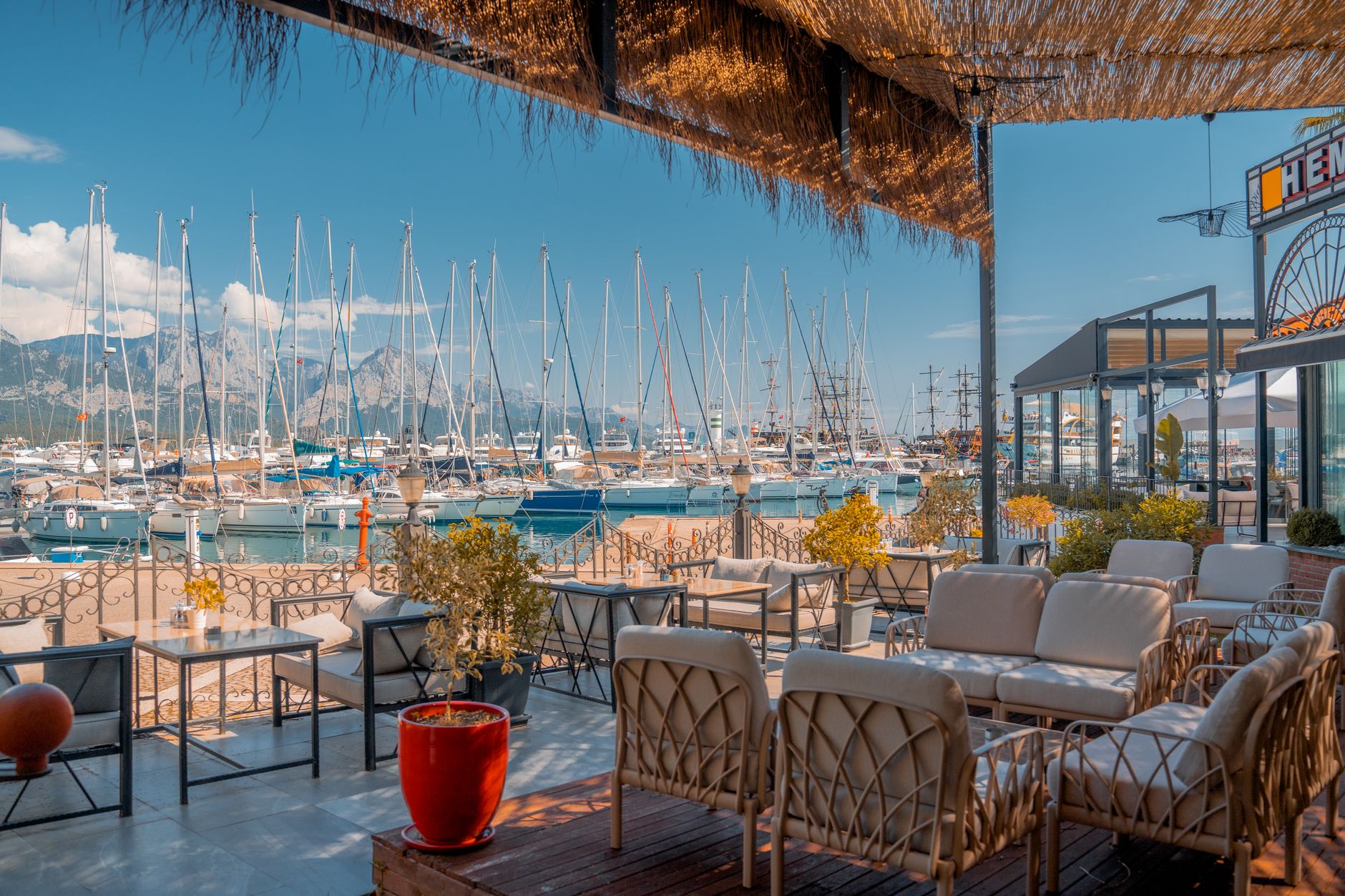
اگر چای در ترکیه وطنی داشته باشد، آن ریسه است. این استان سرسبز و بارانی در ساحل دریای سیاه تقریباً تمام چای کشور را تولید میکند و دامنههای تپه با بوتههای چای زمردین فرش شدهاند که تا افق امتداد دارند. هوا بوی خاک نمناک و کلروفیل میدهد؛ حتی باران هم بخشی از آیین به نظر میرسد.
باغهای چای ریسه با چای باغچهسیهای شهری استانبول متفاوتاند. آنها مناظر کاری هستند—مزارع پلهای که کشاورزان برگها را با دست برداشت میکنند، اغلب با سبدهای بافتهشده بستهشده به پشت. بسیاری از مزارع تراسهای کوچک تماشایی دارند که میتوانید چای ساختهشده از همان بوتههای جلوی چشمتان را بنوشید. طعم تازه، کمی علفی و عمیقاً محلی است. در روزی صاف، تپههای سبز به دریای سیاه سرازیر میشوند و کل صحنه مثل تابلویی به نظر میرسد که کسی فراموش کرده قابش کند.
در نزدیکی، فلات آیدر و کوههای کاچکار ایستگاههای چای مرتفع ارائه میدهند که ابرها از درههای زیر پای شما میگذرند. این باغها آرامتر و خنکترند و اغلب با جادههای کوهستانی پرپیچوخم قابل دسترسیاند. یک کاپشن بیاورید، یک دملی چای سفارش دهید و بگذارید مه بغلتد. این ترکیهای کاملاً متفاوت از سواحل کارتپستالی جنوب است—و برای بسیاری از مسافران، به نقطه اوج سفر تبدیل میشود.
کلاسیکهای ساحلی: آنتالیا، چشما و دریای اژه
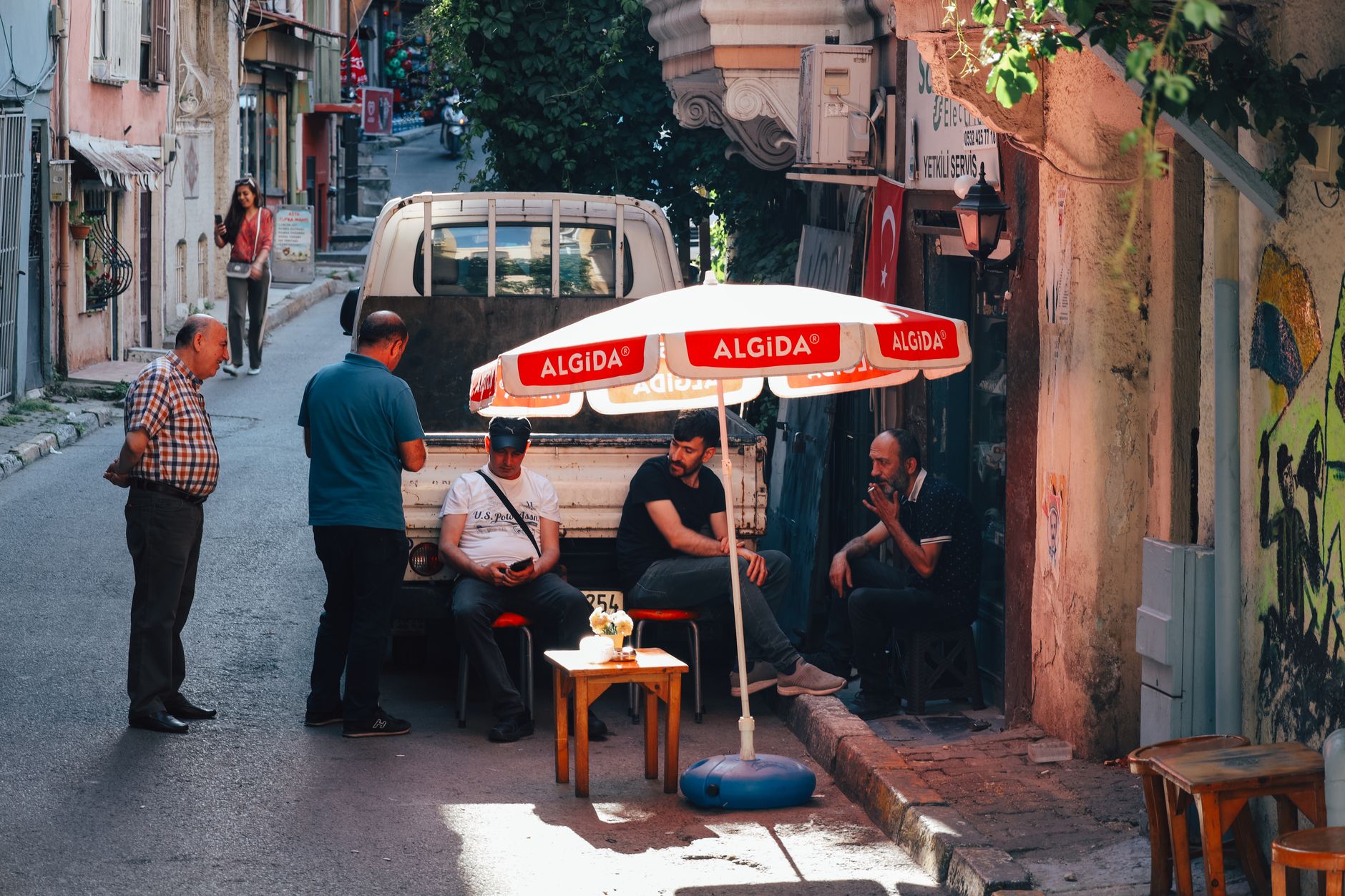
در امتداد سواحل اژه و مدیترانه ترکیه، باغهای چای با دریا درهم میآمیزند. در شهر قدیمی آنتالیا، قلعهایچی، میتوانید چای را روی تراسی مشرف به بندر رومی بنوشید، با کوههای توروس که پشت شهر بالا میآیند. چای ارزان است، قایقها آرام بالا و پایین میروند و اذان مغرب بین پشتبامها طنین میاندازد.
در چشما، شهر تفریحی تابستانی معروف به آب شفاف و آسیابهای بادی، باغهای چای در کنار ساحل صف کشیدهاند. خانوادهها بشقابهای هندوانه و پنیر سفید را در کنار چایشان سفارش میدهند و یک نوشیدنی ساده را به یک ضیافت آرام شبیه مزهفروشی تبدیل میکنند. نور اژه بهشهرت ملایم است و یک چای بعدازظهر در اینجا حس یک نفس نگهداشتهشده را دارد.
در جنوبتر، در جاهایی مثل کاش و فتحیه، غرفههای چای کوچک در انتهای ساحلهای سنگریزهای و روی مسیرهای صخرهای ظاهر میشوند. آنها اغلب چیزی بیش از چند صندلی پلاستیکی، یک سایهبان و یک چایدانلیق که روی شعله گاز قل میزند نیستند. اما منظره—آب فیروزهای، جزیرههای پوشیده از کاج، ویرانههای باستانی—آنها را فراموشنشدنی میکند. اینها باغهای چای هستند که برای پنج دقیقه میایستید و دو ساعت میمانید.
لذت مقرونبهصرفه: چرا وقت گذراندن مهم است
یکی از بزرگترین لذتهای سفر در ترکیه این است که شاد بودن چقدر کم هزینه دارد. یک استکان چای در یک باغ دیدنی اغلب کمتر از بلیت مترو در یک پایتخت اروپایی هزینه دارد. این قیمت مناسب رفتار شما را تغییر میدهد. احساس فشار نمیکنید که با عجله ارزش را حداکثر کنید؛ در عوض، احساس دعوت به کند شدن میکنید. یک استکان دوم سفارش میدهید. بعد یک سوم. تماشا میکنید که نور تغییر میکند. در دفتر یادداشتتان مینویسید. کاملاً هیچ کاری نمیکنید، و حس تجمل دارد.
این جادوی آرام چای باغچهسی است. یک تجربه خوشغذاخوری تجملی یا جاذبهای در فهرست آرزوها نیست. یک صندلی است، یک منظره، یک استکان کوچک و همهمه ملایم دیگرانی که همین کار را میکنند. در دنیایی که به بهرهوری وسواس دارد، باغهای چای ترکیه چیزی رادیکال ارائه میدهند: اجازه وقت گذراندن.
پس وقتی به سفر ترکیه فکر میکنید، زمانی برای چای در برنامه بگذارید. نه بهعنوان توقفی زمانبندیشده، بلکه بهعنوان امکانی بدون پایان مشخص. دنبال صندلیهای پلاستیکی روی تپه بگردید، سینی استکانهای گلنرگسی، پیشخدمتی که بین میزها میپیچد. بنشینید. بگویید «بیر چای، لطفاً.» و بعد، تا هر زمانی که منظره شما را نگه دارد، بمانید.
به فکر سفر به ترکیه هستید؟
اطلاعات تماس خود را به اشتراک بگذارید و یک کارشناس محلی تأیید شده با برنامهای مخصوص شما پیگیری خواهد کرد — رایگان، بدون هیچ تعهدی.