

Autumn: The Season Türkiye's Thermal Waters Were Made For
There is a moment each September when Türkiye's thermal valleys exhale. The fierce heat of summer lifts, the crowds along the Aegean and Mediterranean coasts begin to thin, and the mineral-rich springs that have drawn bathers for millennia settle into their most inviting temperatures. For wellness travelers, this shoulder season is arguably the finest time of year to visit.
Türkiye sits atop one of the world's most active geothermal belts, with more than 1,500 known thermal springs scattered from the Marmara region to Eastern Anatolia. Autumn's cooler air makes the contrast of stepping into a 38–42°C mineral pool all the more pleasurable — and, according to traditional Turkish bathing wisdom, all the more beneficial.
From the historic spa town of Bursa to the travertine terraces of Pamukkale and the emerging retreats of Afyonkarahisar, thermal tourism is entering its golden window. Here is what autumn visitors can expect, and where to go.
Bursa and the Birthplace of the Turkish Hammam
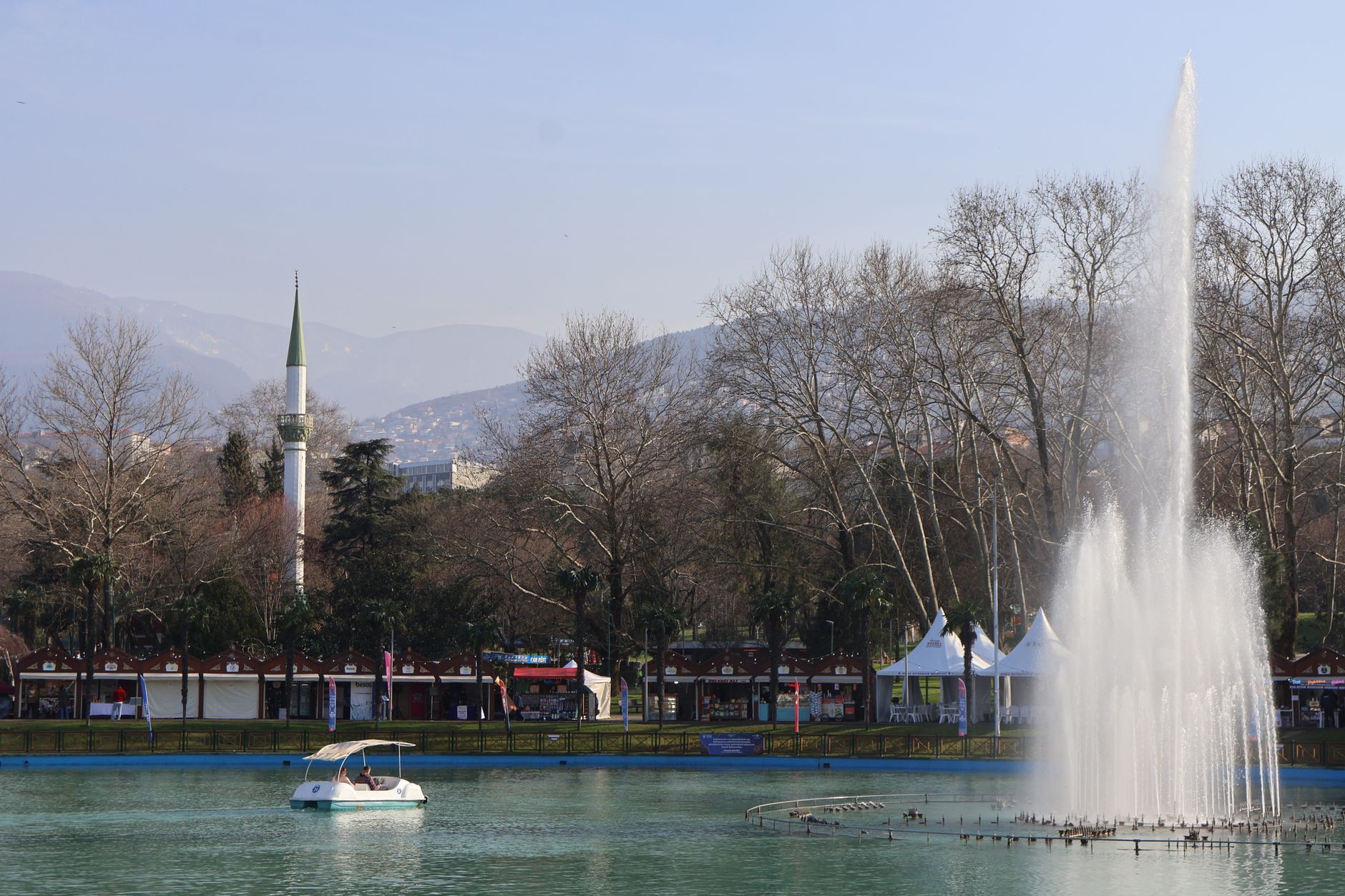
Bursa, the first capital of the Ottoman Empire, is where the hammam tradition matured into an art form. The city's historic baths — many of them built in the 14th and 15th centuries — still operate with their original domes, marble slabs and skylights pierced with star-shaped openings that scatter steam-lit beams across the bathing hall.
The Eski Kaplıca (Old Thermal Bath) at Çekirge, founded on the orders of Sultan Murad I, is among the most storied. Fed by sulfurous springs long believed to ease rheumatism and skin complaints, it pairs a classical hammam ritual — warm room, scrub, foam wash, cool-down — with direct access to thermal water.
Autumn in Bursa also brings the famous chestnuts and the changing colors of Uludağ, the mountain that looms above the city. A morning soak followed by a forest walk is a rhythm many repeat visitors swear by. Travelers should expect modest swimwear in mixed thermal pools and full nudity only within single-gender hammam sections, where a pestemal (thin cotton wrap) is provided.
Pamukkale and Karahayıt: White Terraces, Red Springs
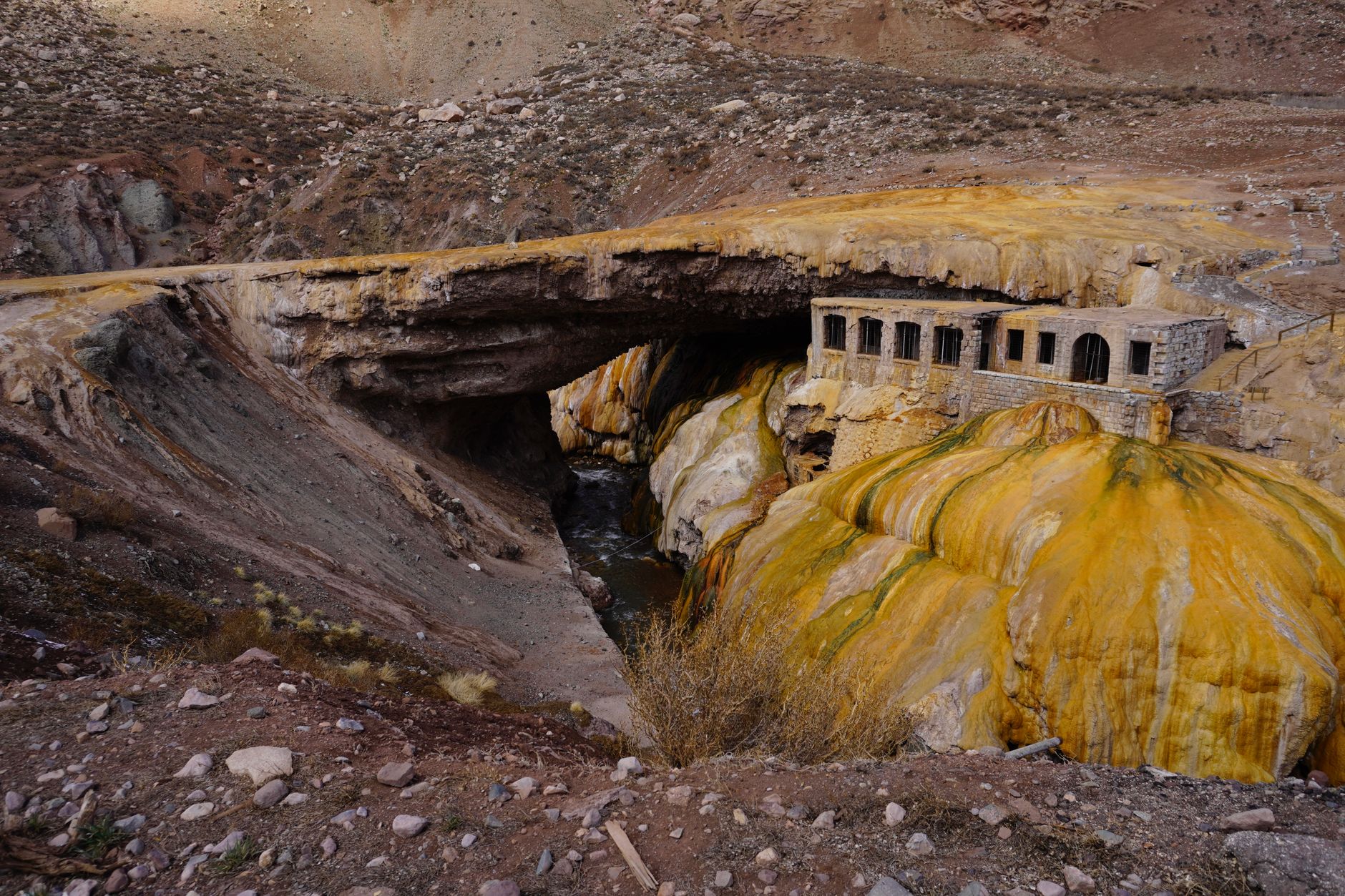
Pamukkale's blinding white travertine terraces are among Türkiye's most photographed landscapes, but the thermal experience extends well beyond the famous pools. The ancient city of Hierapolis was founded around its springs, and visitors can still swim among submerged Roman columns in the Antique Pool, where mineral water bubbles up from the earth at roughly 36°C.
Just a few kilometers away lies Karahayıt, known for its distinctive red-tinged thermal waters, colored by iron and other minerals. Local tradition holds that these springs are especially soothing for circulation and joint discomfort. Several thermal hotels here cater specifically to longer wellness stays, with doctor-supervised balneotherapy programs.
September and October bring gentler temperatures for walking the terraces, and the site is noticeably calmer than in high summer. Visitors should note that walking on the travertines is only permitted barefoot in designated areas to protect the formations.
Afyonkarahisar: Türkiye's Rising Thermal Capital
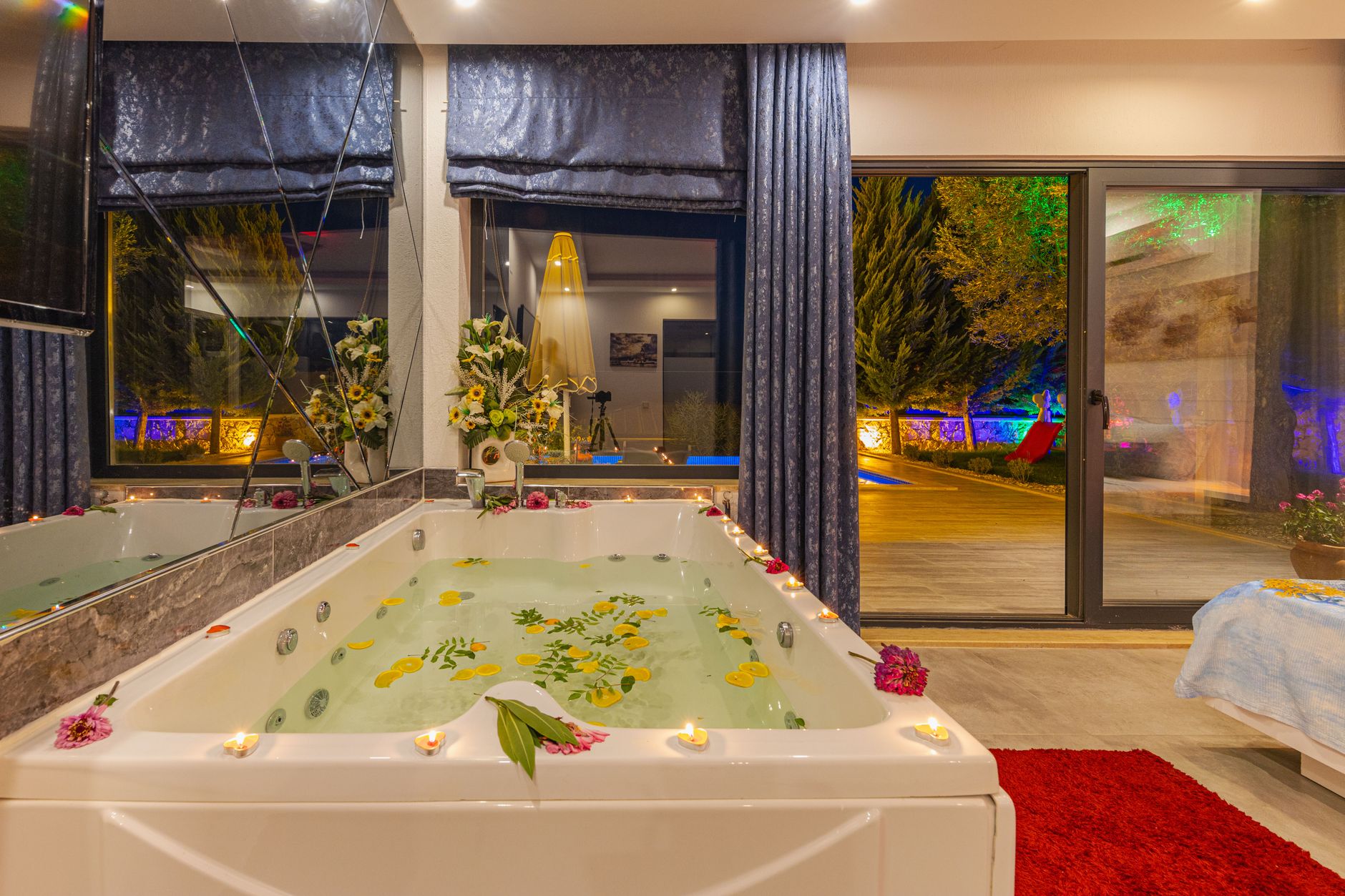
Inland from the Aegean, Afyonkarahisar has quietly become one of the country's most ambitious thermal destinations. Its waters are among the hottest in Türkiye, reaching up to 45°C, and modern resort complexes have grown around them with an eye toward international wellness travelers.
Autumn is peak season for the region's thermal cure programs, which typically combine daily soaking, mud applications, massage and guided nutrition over one to three weeks. The nearby Phrygian valleys, with their rock-cut monuments and hiking trails, offer cool-weather excursions between treatments.
For travelers seeking a more traditional experience, smaller family-run kaplıca (thermal bath) establishments in the surrounding villages offer simple accommodations and a slower pace, often at a fraction of resort prices.
What to Expect in a Turkish Hammam
For first-time visitors, the hammam ritual is as much cultural as it is therapeutic. A typical visit unfolds in stages: changing into a pestemal, relaxing in the warm room (hararet) until the skin softens, then a vigorous exfoliating scrub (kese) with a coarse mitt, followed by a generous foam massage and a rinse.
Afterward, bathers wrap in towels to cool down in the camekân, the domed central hall, often with a glass of tea or sherbet. Many historic hammams in Istanbul, Bursa and Edirne maintain separate sections and hours for men and women, while some tourist-oriented baths offer mixed sessions.
Etiquette is simple: follow the attendants' guidance, keep voices low, and embrace the unhurried pace. The ritual is less about luxury than about restoration — a centuries-old practice of warmth, water and quiet.
Practical Tips for an Autumn Thermal Escape
Autumn's mild days make it easier to combine bathing with sightseeing, but a few practical points help. Thermal waters are best enjoyed in sessions of 15–20 minutes with rests in between, and hydration is essential. Travelers with heart conditions, high blood pressure or pregnancy should consult a physician before prolonged soaking.
Booking ahead is wise for the popular October half-term weeks, particularly at Pamukkale and Afyonkarahisar. Most thermal resorts offer airport transfers from Izmir, Denizli or Istanbul, and many package treatments with accommodation.
Pack loose clothing, a swimsuit, sandals for wet floors and a waterproof bag for valuables. Above all, leave room in the schedule for stillness — the real luxury of Türkiye's thermal tradition is its invitation to slow down.
Why Autumn Is the Reset Wellness Travelers Need
By late September, Türkiye's thermal regions trade peak-season bustle for a calmer, more contemplative atmosphere. Mornings are crisp, evenings cool, and the springs themselves seem to hold their warmth a little longer against the autumn air.
For travelers seeking a reset rather than a checklist, the combination is hard to beat: mineral waters shaped by geology, rituals refined over centuries, and landscapes turning gold and amber. Türkiye's wellness traditions are not a trend but a living heritage — and autumn is when they feel most generous.
Thinking about a trip to Turkey?
Share your contact details and a vetted local expert will follow up with a plan built around you — free, no obligation.