

Global Spotlight on Türkiye's Wellness Heritage
Türkiye's thermal springs and historic hammams are attracting international attention as more travelers seek restorative experiences rooted in tradition. Recent praise from wellness publications and spa industry awards highlights the country's unique blend of natural geothermal resources and centuries-old bathing rituals.
With over 1,500 thermal springs across the country and hammams dating back to the Ottoman era, Türkiye offers an authentic alternative to modern spa resorts. This recognition comes as travelers increasingly prioritize health and well-being, particularly during the cooler months when hot springs offer comforting respite.
The global wellness tourism market has grown significantly, and Türkiye's offerings stand out for their accessibility and cultural depth. From luxury thermal resorts to neighborhood hammams, the experience is both joyful and restorative.
Thermal Towns Worth Visiting
Afyonkarahisar, known as the capital of thermal tourism, boasts numerous facilities with waters rich in minerals like calcium, magnesium, and bicarbonate. The town's modern thermal hotels combine medical-grade treatments with traditional hospitality, making it a popular choice for those seeking relief from joint and skin conditions.
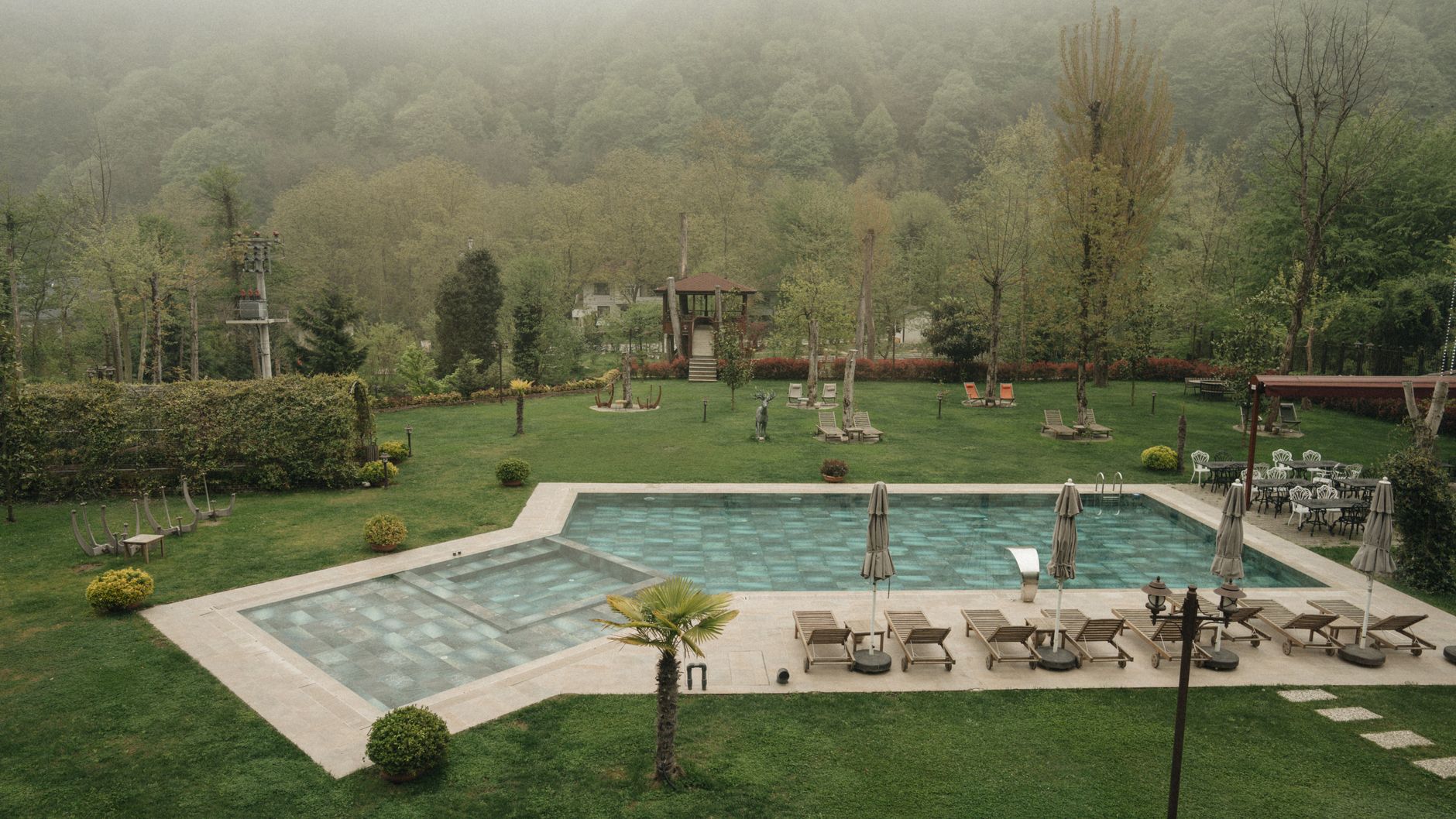
Yalova's Termal district, just a short ferry ride from Istanbul, has been a favored retreat since Byzantine times. Its lush greenery and historic bathhouses provide a serene escape, while Bursa's Çekirge district offers thermal springs alongside Ottoman monuments. For a more off-the-beaten-path experience, consider Kangal in Sivas, famous for its fish that nibble away dead skin—a unique natural therapy.
Each destination varies in infrastructure, from five-star wellness resorts to simple public pools. Travelers should research the specific properties of each spring, as mineral content and temperature differ. Many facilities offer medical consultations, ensuring treatments are tailored to individual needs.
The Enduring Ritual of the Hammam
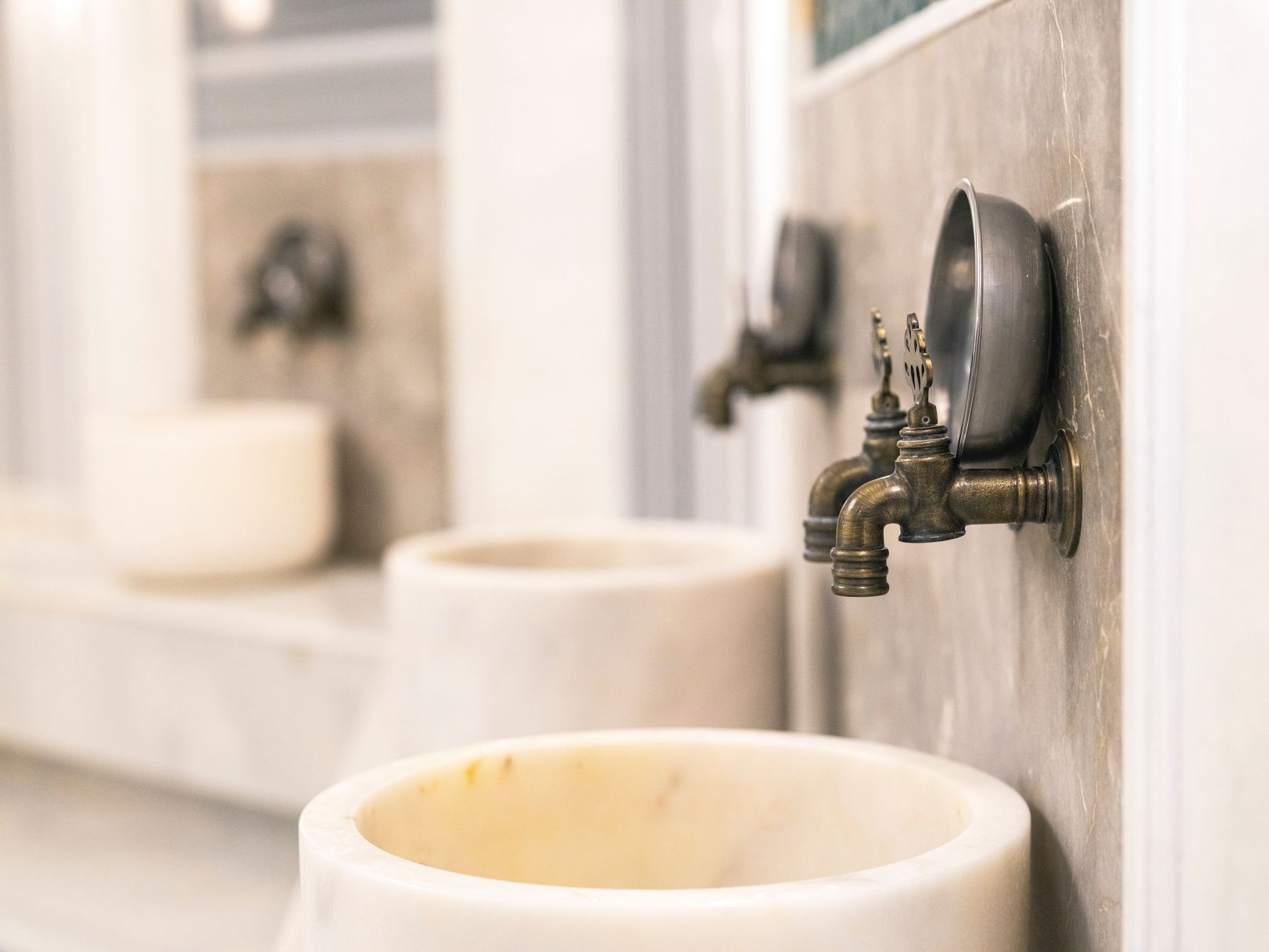
A visit to a historic hammam is a journey into Ottoman social life. The ritual typically begins in a warm room (hararet), where bathers relax on heated marble slabs. A tellak (attendant) then performs a thorough scrub with a kese (rough mitt), removing dead skin, followed by a foamy massage with olive oil soap.
In Istanbul, centuries-old hammams like Çemberlitaş (built in 1584) and Kılıç Ali Paşa (1583) offer separate sections for men and women, preserving traditional practices. Many establishments now provide mixed-gender or private family sessions for tourists, though authenticity lies in the historic architecture and time-honored techniques.
Beyond Istanbul, Bursa's Keçeli Hammam and Edirne's Sokollu Hammam showcase stunning Ottoman design. For a budget-friendly experience, local neighborhood hammams provide the same ritual at lower prices, though fewer English-speaking staff may be available.
How to Enjoy an Authentic Hammam Experience
To make the most of your visit, bring a swimsuit (for mixed sessions), a towel, and toiletries. Many hammams provide these, but it's best to check. Arrive hydrated and avoid alcohol beforehand. The experience typically lasts 45–90 minutes; allow extra time to relax in the cooling room (soğukluk) with a cup of Turkish tea.
Etiquette is simple: keep noise low, follow the attendant's instructions, and respect privacy. Tipping (10–20% of the fee) is customary for good service. Women may want to bring a hair tie, as hair can become tangled during the scrub. If you're shy, opt for private sessions or women-only hours.
For a deeper understanding, consider booking a guided hammam experience through local experts. Our experts page connects you with knowledgeable guides who can explain the history and ensure a comfortable visit.
Planning a Cool-Weather Wellness Escape
Autumn and winter are ideal for thermal stays, as the contrast between crisp air and steamy waters enhances relaxation. Many thermal resorts offer packages including meals, treatments, and guided activities. Booking in advance is wise during peak holiday periods.
When choosing a thermal hotel, look for facilities with on-site medical staff and well-maintained pools. The best time to visit page provides seasonal insights, while our itineraries can help you combine thermal towns with cultural sightseeing. For personalized planning, try our trip planner.
Remember that thermal waters are not a substitute for medical treatment; consult your doctor if you have health concerns. Pregnant women and those with certain conditions should seek advice before bathing.
Practical Tips for a Joyful and Restorative Trip
Pack light clothing, sandals, and a waterproof bag for wet items. Many hammams sell traditional peştemal (cloth wraps) as souvenirs. Learning a few Turkish phrases like "teşekkürler" (thank you) and "çok güzel" (very nice) will be appreciated.
Combine your wellness journey with Türkiye's culinary delights—fresh salads, grilled fish, and herbal teas complement the experience. Stay hydrated and pace yourself; it's easy to overdo it in the heat.
For more travel advice, explore our travel tools and FAQ. Whether you seek medical benefits or simply a peaceful escape, Türkiye's thermal towns and hammams offer a timeless way to unwind and rejuvenate.
Thinking about a trip to Turkey?
Share your contact details and a vetted local expert will follow up with a plan built around you — free, no obligation.