

Why Türkiye's Thermal Season No Longer Ends in September
For decades, Türkiye's hot springs were treated as a summer affair — a stop on the way to the coast, a soak after a day at the beach. That pattern is shifting. Across the country's established thermal towns, hotels and bath complexes are now promoting autumn and winter stays, when cool air and rising steam make the experience feel at its most inviting.
The appeal is simple. Türkiye sits on a geologically active landscape, and mineral-rich springs surface from Thrace to the Aegean interior. In winter, the contrast between crisp outdoor air and warm water turns a quick dip into a lingering ritual — often followed by tea, a blanket and a very long nap.
Winter also brings lower room rates, quieter bathhouses and easier access to the heritage sites that cluster around many thermal districts. For travellers who prefer shoulder-season pacing, the months from November to March are now a genuinely practical window. Check /best-time for a seasonal overview before booking.
Bursa and Yalova: The Marmara Classics
Bursa has been a bathing destination since Roman and early Ottoman times, and its thermal quarter remains the anchor of the Marmara region's wellness map. The historic bath complexes here pair old stone domes with modern hotel spas, and the city's covered bazaars, mosques and silk trade history are all within a short ride.
Nearby Yalova, reached easily by ferry and road from Istanbul, offers a denser cluster of resort-style thermal hotels, many built around their own spring sources. It is a favourite for weekenders who want a two-night reset without a long journey.
Winter tip: Marmara weather can be damp and grey, so pack layers you can peel off in a heated indoor pool area, plus a warm hat for the walk between buildings. The region's thermal towns are well covered in our /destinations section.
Afyonkarahisar: The Quiet Powerhouse of Turkish Thermal Travel
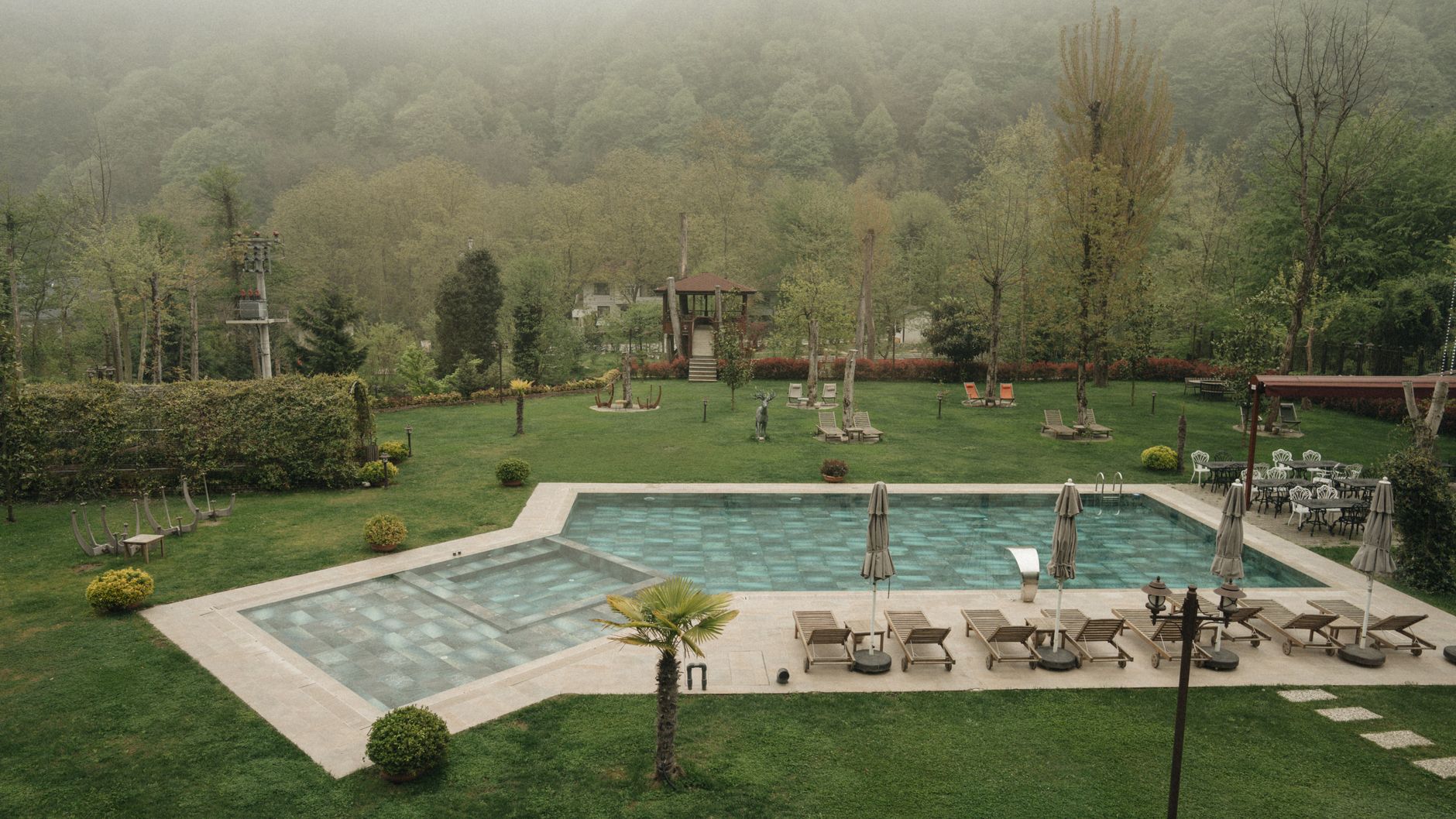
Afyonkarahisar, in the country's inner Aegean region, is arguably the most established thermal destination in Türkiye. Its springs are known for high mineral content, and large resort complexes have grown up around them, offering pools, traditional baths and lengthy treatment menus.
The city itself rewards a half-day: a hilltop fortress, Ottoman streets, and a food culture built on clotted cream, sucuk and poppy-seed sweets. Many visitors pair a morning of bathing with an afternoon of eating — a combination that has nothing to do with medicine and everything to do with pleasure.
Because Afyonkarahisar sits on major road and rail routes between Istanbul, Ankara and Antalya, it works well as a winter stopover rather than a dedicated trip. Our /routes page can help you slot it into a longer itinerary.
Pamukkale and Its Surroundings: Steam Beside Ancient Stone
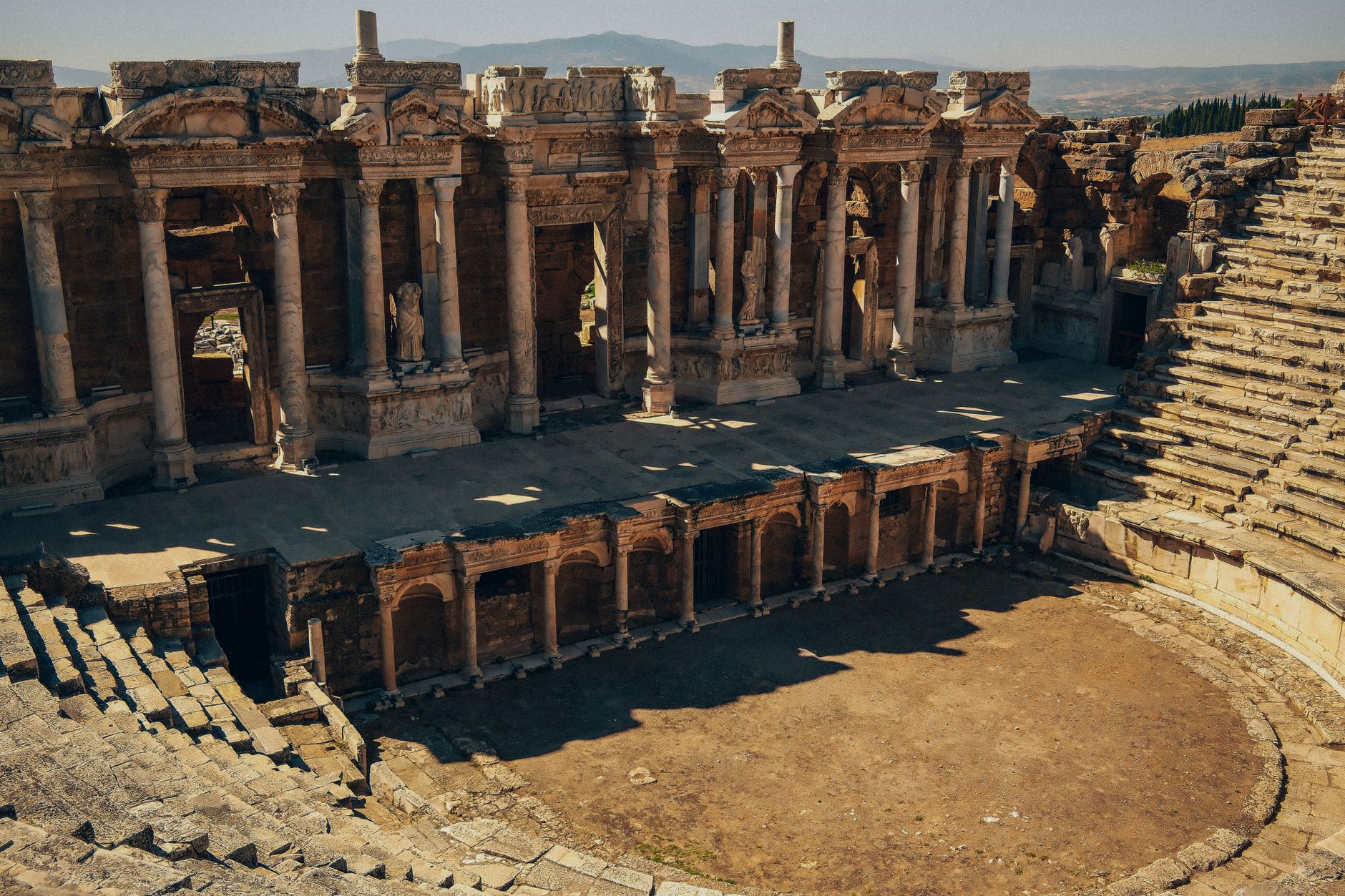
Pamukkale's white travertine terraces are the country's most photographed thermal landscape, and the warm spring water that created them still flows. The ancient city of Hierapolis was built directly on the site, so bathers and history lovers end up in the same place.
In winter, visitor numbers drop sharply and the terraces can take on a moody, misted look. The nearby town of Karahayıt has its own red-tinted springs and a strip of thermal hotels, making the area a comfortable base for two or three nights.
Note that walking on the travertines is restricted to designated barefoot paths to protect the formation. Bring a bag for your shoes and a towel that dries quickly — the site is exposed and wind can pick up. See /guides for practical day-planning advice.
Hammam Etiquette: What First-Timers Should Know
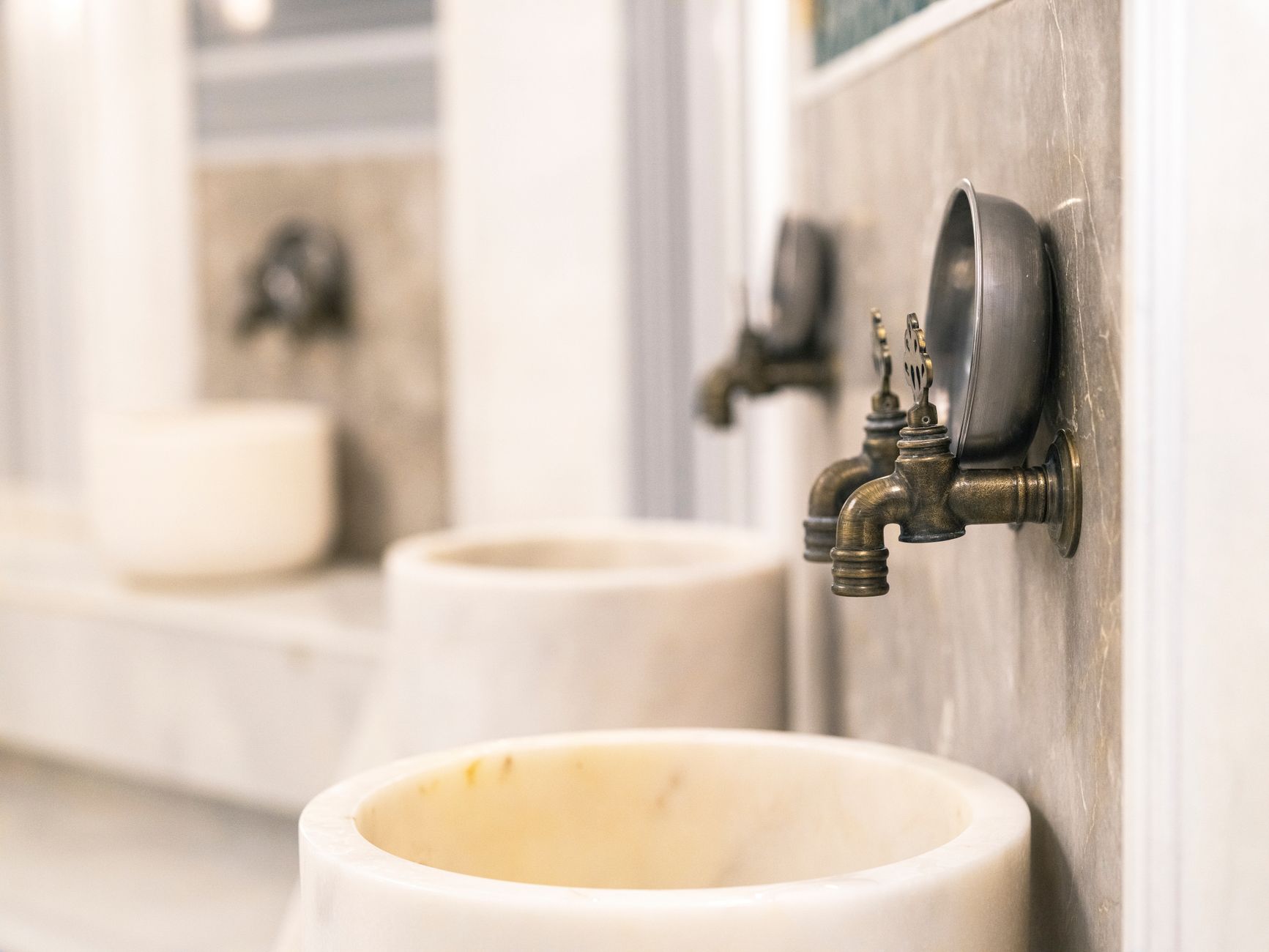
A historic Turkish hammam is not a spa in the Western sense. It is a ritual with its own rhythm, and knowing a few basics makes the visit far more enjoyable.
- Bring your own swimwear if you plan to use mixed or hotel pools; traditional single-sex hammams usually provide a pestemal (thin cotton wrap).
- Shampoo, soap and flip-flops are useful; many historic baths sell or rent them, but sizes vary.
- Expect heat and humidity. Move slowly, sit down when you need to, and drink water before and after.
- Tipping is customary for the tellak or natır who performs the scrub, but amounts are flexible.
- Photography is generally not permitted inside the bathing areas. Leave phones in a locker.
If a full scrub feels like too much, a self-service soak in the warm room is perfectly acceptable. The point is to relax, not to complete a checklist.
What to Pack for a Winter Thermal Stay
Thermal hotels in Türkiye are usually warm inside and cool outside, so the packing list is about transitions rather than extremes.
- A robe or large quick-dry towel if you plan to move between pools and your room
- Slip-on sandals for wet floors and shared bath areas
- Loose, comfortable clothing for after bathing — cotton beats tight synthetics
- A refillable water bottle and light snacks for between sessions
- A dry bag or plastic pouch for wet swimwear when you check out
Many resorts provide robes, towels and slippers, so confirm before you overpack. For a broader seasonal checklist, see /travel-tools.
Pairing Thermal Stays With Nearby Heritage
The real advantage of Türkiye's thermal towns is geography: most sit within an hour or two of significant archaeological or Ottoman sites. A winter trip can therefore alternate between steam and stone without long drives.
From Bursa, add the early Ottoman complex at Cumalıkızık and the city's grand mosques. From Afyonkarahisar, detour to the Phrygian rock monuments of the surrounding highlands. From Pamukkale, the ruins of Hierapolis are literally next door, with Laodicea and Aphrodisias within reach on a longer loop.
Winter in a thermal town is less about doing more and more about doing less, more slowly — and letting the steam set the pace.
If you would like a route built around baths, ruins and regional food, our /planner and /experts pages are good starting points.
Thinking about a trip to Turkey?
Share your contact details and a vetted local expert will follow up with a plan built around you — free, no obligation.