

Introduction: A Journey into Anatolia's Thermal Heartland
For centuries, the thermal waters of eastern Türkiye have been revered for their healing properties. Far from the crowded resorts of the coast, towns like Kangal, Çermik, and Tercan offer a more authentic and serene wellness experience. Here, you can soak in mineral-rich springs that have been used since Roman and Ottoman times, surrounded by landscapes steeped in history. This journey is not just about relaxation—it's a pilgrimage into the heart of Anatolian bathing culture, where health and heritage intertwine.
Whether you're seeking relief from skin ailments, joint pain, or simply a peaceful retreat, these thermal destinations promise rejuvenation. And with ancient sites scattered nearby, combining a spa stay with cultural exploration makes for a superb value trip. Let's dive into the unique offerings of each location and how to make the most of your visit.
Kangal: The Legendary Fish Spas
Kangal is famous not only for its rugged landscapes and the renowned Kangal sheepdogs but also for its unique thermal springs populated by tiny fish that nibble away dead skin—a natural exfoliation treatment enjoyed for generations. The Kangal Balıklı Kaplıca (Fish Spa) is the largest of its kind in the world, and its waters are believed to have therapeutic effects on psoriasis and other skin conditions.
The fish, known as Garra rufa, thrive in the warm, mineral-rich waters (around 36°C) and gently feed on the affected skin, providing a soothing sensation. The spa is open to both men and women, with separate bathing areas and specific hours for each. It's a truly unique experience that draws visitors from around the globe seeking natural remedies.
Beyond the fish spa, Kangal offers basic but comfortable accommodation and a chance to explore the surrounding steppe. The town itself is modest, but the hospitality of the locals and the authenticity of the experience make it worthwhile. Combine your visit with a trip to the nearby Divriği Great Mosque and Hospital, a UNESCO World Heritage Site, to enrich your journey.
Çermik: A Quiet Thermal Town with Historic Charm
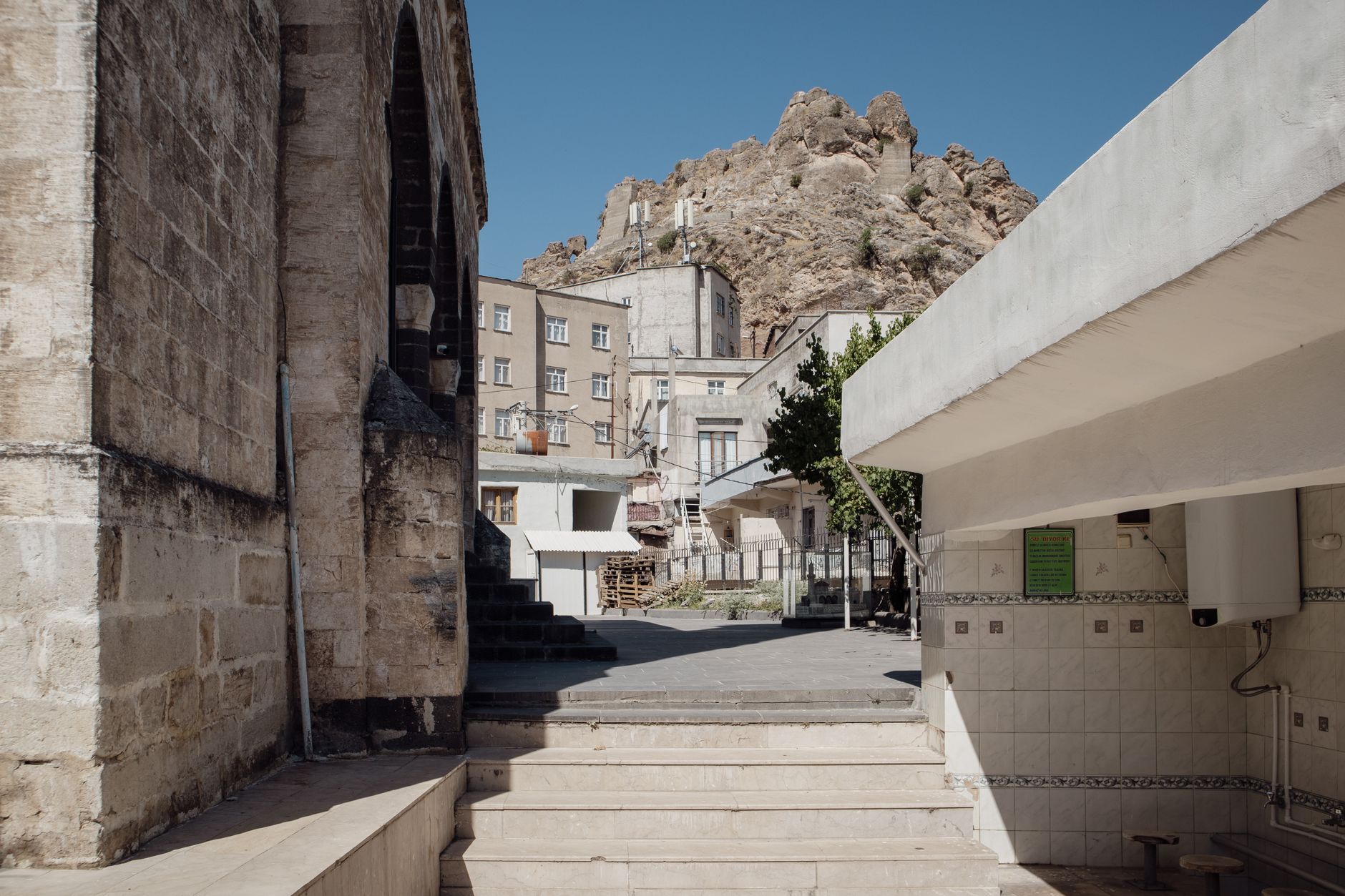
Çermik, a district in Diyarbakır Province, is named after the thermal springs that have been used since antiquity. The waters here are rich in minerals like calcium, magnesium, and bicarbonate, and are particularly effective for rheumatic diseases, digestive issues, and skin problems. The town's main spa facility offers modern amenities while retaining a traditional hamam atmosphere.
What sets Çermik apart is its tranquil setting amid the fertile lands of the Tigris basin. The town is dotted with historic stone houses and offers a glimpse into traditional southeastern Turkish life. After a soothing soak, take a stroll through the bazaar or visit the ancient caves and ruins that dot the surrounding hills.
Çermik is also an excellent base for exploring the region's heritage. The nearby city of Diyarbakır, with its iconic city walls and vibrant culture, is just a short drive away. Plan your visit to coincide with the local grape harvest in autumn for a truly immersive experience.
Tercan: Ottoman-Era Spa in the Heart of the East
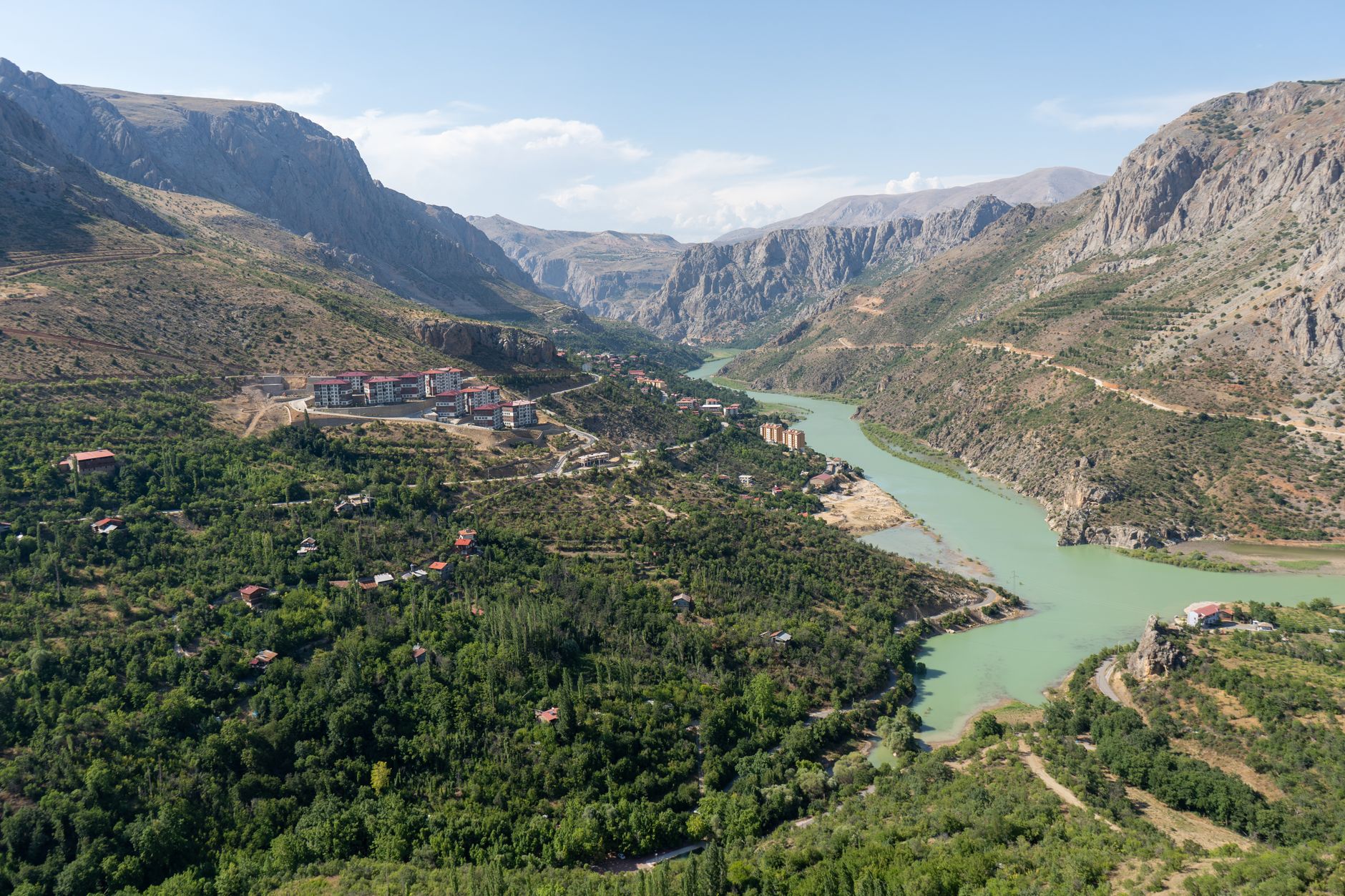
Tercan, in Erzincan Province, is home to a historic thermal complex that dates back to the Ottoman period. The Tercan Kaplıcası is renowned for its healing waters, which are said to alleviate ailments such as rheumatism, sciatica, and gynecological issues. The complex includes a traditional hamam and modern bathing facilities, all set against the backdrop of the dramatic Anatolian plateau.
The spa's architecture is a blend of Seljuk and Ottoman styles, with domed bathhouses and intricate stone carvings. The experience here is steeped in history—you're bathing in the same waters that have soothed travelers for centuries. Accommodation options range from simple guesthouses to more comfortable hotels, making it accessible for all budgets.
Don't miss the chance to explore the nearby historic sites, such as the Mama Hatun Caravanserai, a 12th-century Seljuk structure that once sheltered merchants on the Silk Road. The surrounding countryside offers opportunities for hiking and photography, especially in spring when wildflowers blanket the steppe.
The Healing Waters: What Makes Them Special?
The thermal waters of eastern Türkiye are renowned for their high mineral content, including sulfur, calcium, magnesium, and bicarbonate. Each location has a unique composition that targets specific health conditions. For instance, Kangal's waters are particularly rich in selenium, which is beneficial for skin health, while Çermik's springs are favored for digestive and rheumatic complaints.
These waters have been used for therapeutic purposes since ancient times, and modern medical studies have begun to validate many of the traditional claims. The combination of warmth, minerals, and relaxation promotes circulation, detoxification, and overall well-being. Whether you're seeking relief from a specific ailment or simply want to unwind, these spas offer a natural and holistic approach to health.
It's important to note that while these spas are generally safe, those with serious health conditions should consult a doctor before bathing. Also, respect the local customs: many traditional hamams have separate hours for men and women, and modest swimwear is expected.
Beyond the Spa: Ancient Sites and Cultural Riches
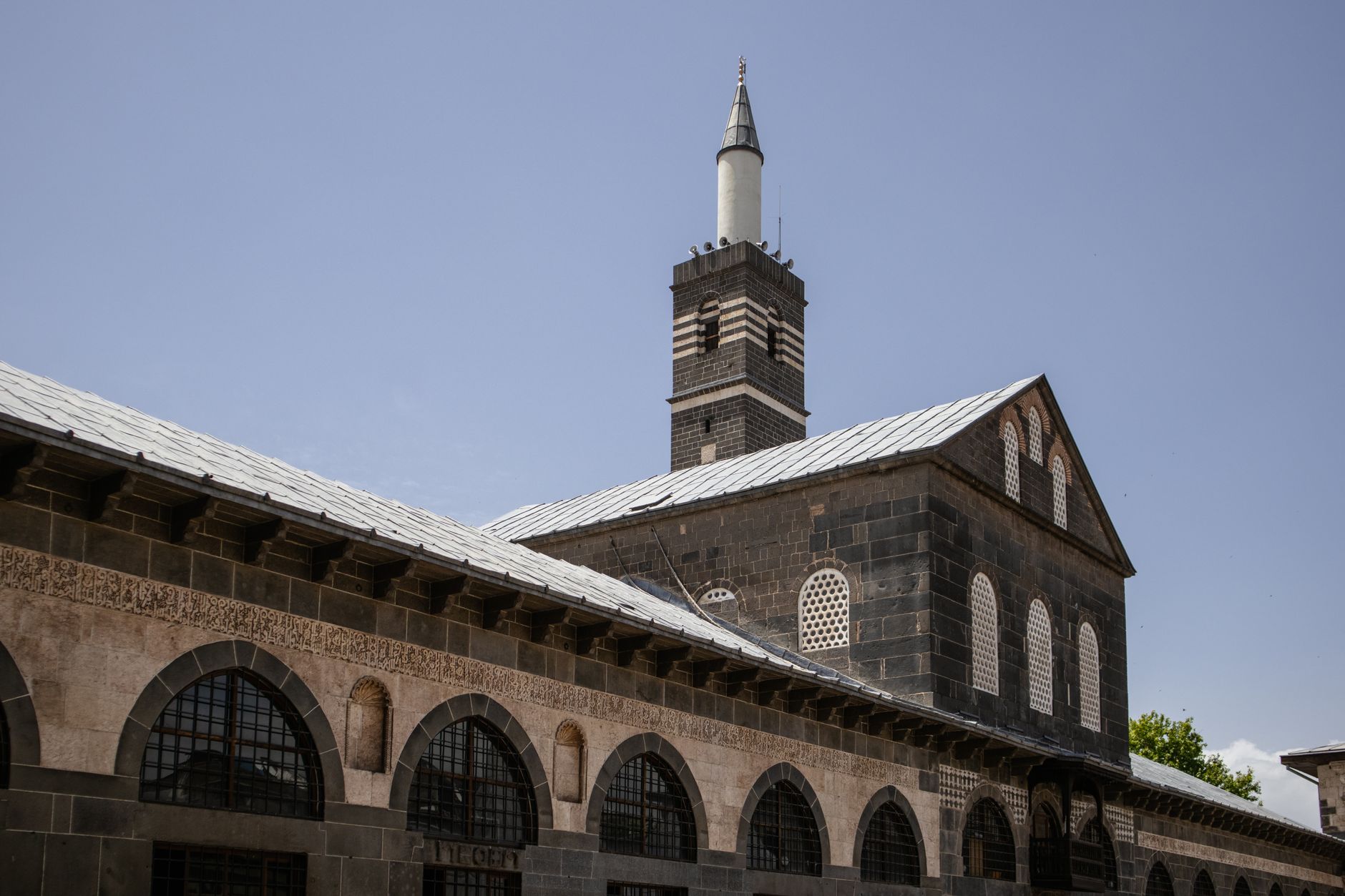
One of the greatest advantages of visiting these thermal towns is their proximity to some of Türkiye's most significant historical sites. Kangal is within reach of Divriği, home to a masterpiece of Islamic architecture. Çermik is close to Diyarbakır, a city with a 5,000-year history and a vibrant Kurdish culture. Tercan is near the ancient Silk Road routes and the stunning landscapes of the Euphrates Valley.
By combining spa treatments with cultural exploration, you create a well-rounded journey that nourishes both body and soul. The affordability of these regions means you can enjoy a longer stay without breaking the bank. Consider hiring a local guide to uncover hidden gems and learn about the rich tapestry of civilizations that have left their mark here.
For more ideas on how to structure your trip, check out our itineraries and guides to the region.
Practical Tips for Booking and Etiquette
Booking: While the larger spas like Kangal have websites and accept reservations, smaller ones may require phone calls or in-person booking. It's advisable to book accommodation in advance, especially during peak seasons (spring and autumn). Many facilities offer packages that include meals and multiple treatments—ask for these when enquiring.
Etiquette: Respect local customs by adhering to dress codes and bathing schedules. In traditional hamams, it's customary to wash before entering the main pool. Bring your own towel and slippers, as these may not always be provided. Tipping is appreciated but not mandatory.
Best Time to Visit: Spring (April-May) and autumn (September-October) offer pleasant weather and fewer crowds. Summers can be hot, and winters cold, but the thermal waters are enjoyable year-round. Check our best time guide for more details.
Getting There: The region is accessible by bus and car from major cities like Ankara, Kayseri, and Diyarbakır. Domestic flights connect to nearby airports (Sivas, Diyarbakır, Erzincan). Renting a car gives you the flexibility to explore at your own pace.
Conclusion: A Journey of Wellness and Discovery
Türkiye's eastern thermal waters offer a unique blend of natural healing and cultural immersion. From the famous fish spas of Kangal to the quiet charm of Çermik and the historic Tercan, each destination provides a chance to step back in time and experience the centuries-old tradition of balneotherapy. Whether you're a wellness seeker or a history buff, this journey promises to rejuvenate your body and enrich your mind.
So pack your towel and sense of adventure, and set off to discover the thermal treasures of Anatolia. For more inspiration, explore our destinations page and start planning your wellness getaway today.
Thinking about a trip to Turkey?
Share your contact details and a vetted local expert will follow up with a plan built around you — free, no obligation.