

As the world emerges from a year of travel recalibration, Türkiye is quietly becoming a sanctuary for wellness seekers. In 2026, the country's thermal towns and historic hammams are attracting a new wave of global travelers—those seeking affordable, restorative escapes far from the crowded, pricey spas of Western Europe. From the misty mountains of Bursa to the healing springs of Afyon, Türkiye offers a centuries-old bathing culture that feels both timeless and urgently modern.
The Rise of Türkiye's Thermal Towns
While the Riviera draws sun-seekers, a different kind of traveler is heading inland. Bursa, Yalova, Afyonkarahisar, and Kütahya are witnessing a surge in bookings at thermal resorts, according to local tourism boards. These destinations, long cherished by Turks for their therapeutic waters, are now gaining international attention for their affordability and authenticity.
In Bursa, the historic Çekirge district has been a thermal destination since Byzantine times. Its mineral-rich springs, rich in sulfur and iron, are said to ease everything from arthritis to exhaustion. Yalova's Termal district, tucked among green hills, offers a cooler, forested retreat. And Afyon's thermal resorts, with their high mineral content, are increasingly popular for post-surgical recovery and stress relief.
What sets these towns apart is not just the water, but the way of life. Days here unfold slowly: a morning soak, a long breakfast of local cheeses and olives, an afternoon walk through Ottoman-era streets. It's a pace that resonates with travelers craving genuine restoration.
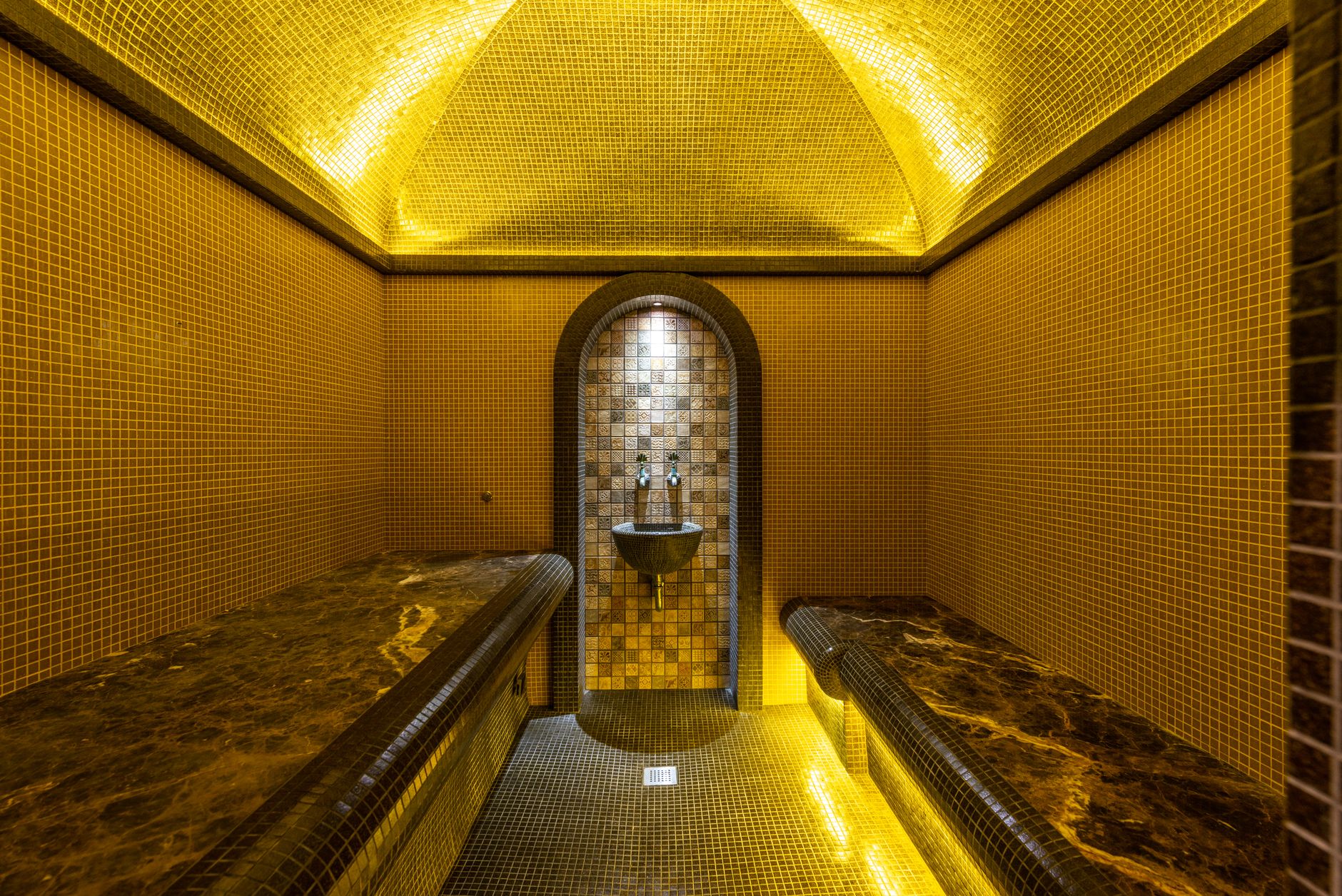
Hammams: A Living Tradition for Modern Travelers
No wellness journey in Türkiye is complete without a visit to a hammam. These historic bathhouses, some dating back to the 16th century, are not mere relics—they are active community spaces where locals and visitors alike partake in a ritual of cleansing and relaxation.
In Istanbul, the iconic Kılıç Ali Paşa Hamamı, designed by the great architect Mimar Sinan, offers a refined experience with marble domes and soft light filtering through star-shaped openings. In Bursa, the centuries-old baths near the Grand Mosque provide a more local, unfussy atmosphere. Many hammams now offer services in English and cater to international guests, making the experience accessible without losing its soul.
The hammam ritual—steam, scrub, foam, rinse—is both deeply physical and meditative. For travelers accustomed to high-tech spa treatments, it is a revelation: simple, human, and profoundly relaxing.
Affordable Luxury: Why Thermal Resorts Are Gaining Ground
Compared to traditional spa destinations like Baden-Baden or the Hungarian baths, Türkiye's thermal resorts offer remarkable value. A night in a four-star thermal hotel in Afyon, including unlimited access to the springs and a hammam, often costs less than a single treatment at a Western European spa.
This affordability is drawing a diverse crowd: young professionals from Berlin and London, retirees from the Gulf, and wellness-focused digital nomads. Many resorts now offer packages that include meals, guided nature walks, and cultural excursions, making a week-long stay both restorative and enriching.
Moreover, the Turkish government has invested in upgrading thermal facilities, with new resorts opening in regions like Sivas and Kangal, home to the famous doctor fish that nibble away dead skin. These developments signal a broader ambition: to position Türkiye as a global leader in accessible wellness tourism.
Combining Thermal Stays with Heritage: Pamukkale and Beyond
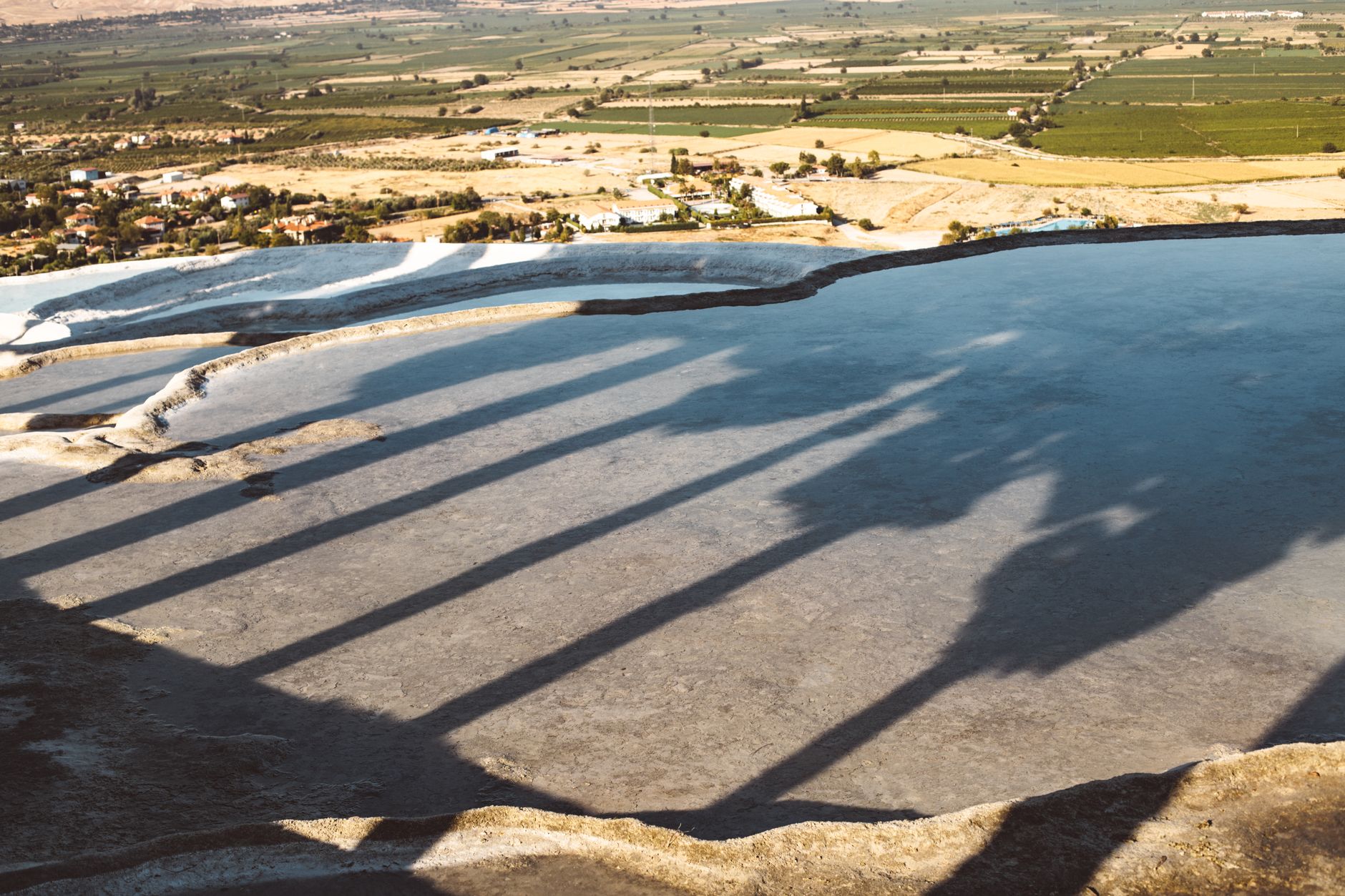
One of the most compelling aspects of a thermal holiday in Türkiye is the ease of combining it with cultural exploration. The ancient city of Hierapolis, built atop the white travertine terraces of Pamukkale, is a prime example. Here, you can soak in the same mineral-rich waters that Romans enjoyed two millennia ago, then wander through ruins of temples, baths, and a vast necropolis.
Pamukkale is easily reachable from thermal hubs like Afyon or Denizli, making it a natural extension of a wellness itinerary. Other pairings abound: from Bursa, you can visit the early Ottoman village of Cumalıkızık and the Green Mosque; from Yalova, take a ferry to Istanbul's historic peninsula.
Travelers are increasingly designing trips that blend restorative soaks with heritage walks, creating a holistic experience that nourishes both body and mind.
Practical Tips for a Thermal Journey in Türkiye
When to go: Spring and autumn offer mild weather and fewer crowds. Winter can be magical in Bursa, with snow-dusted mountains contrasting the steamy baths.
What to pack: Swimwear for co-ed thermal pools, a modest cover-up for hammams, and comfortable walking shoes for heritage sites.
Booking: Many thermal resorts offer all-inclusive packages. For hammams in Istanbul, reserve online in advance, especially for historic venues.
Etiquette: In traditional hammams, you'll be given a pestemal (thin towel) and directed through the ritual. Don't rush; the experience is as much about slowing down as getting clean.
The Future of Wellness Travel in Türkiye
As global travelers seek more meaningful, affordable, and restorative experiences, Türkiye's thermal towns and hammams are perfectly positioned. The country's centuries-old bathing culture is not a trend but a heritage—one that continues to evolve with modern comforts while preserving its essence.
In 2026, a wellness journey to Türkiye is more than a vacation; it's a return to a slower, more connected way of being. Whether you're soaking in Afyon's mineral springs or steaming in a 500-year-old hammam, you'll find that the waters here have been healing travelers for millennia—and they're ready to welcome you too.
Thinking about a trip to Turkey?
Share your contact details and a vetted local expert will follow up with a plan built around you — free, no obligation.