

Türkiye Confirms Its Place Among the World's Tourism Elite
Türkiye has done it again. For another consecutive year, the country has ranked among the top four most-visited destinations on the planet, standing shoulder to shoulder with France, Spain and the United States. For a nation that welcomed a record-breaking influx of international travelers last year, this is no fluke — it is the result of two decades of deliberate investment in airports, roads, museums, marinas and hospitality training.
What does this mean if you are planning a trip? In short: everything gets easier and better. Airlines are competing for your seat, hotels are upgrading their rooms, and towns that once saw only a trickle of visitors now have world-class amenities. The global spotlight has pushed Türkiye to raise its game — and travelers are the direct beneficiaries.
"Growth at this scale forces a country to improve or fall behind," says one Istanbul-based tour operator. "Türkiye chose to improve. We now have infrastructure that rivals anywhere in Europe, and we still have the warmth and generosity that make people come back."
Reaching fourth place globally is not just a ranking — it is a promise to every visitor that Türkiye will keep raising the bar.
Better Infrastructure, Smoother Journeys
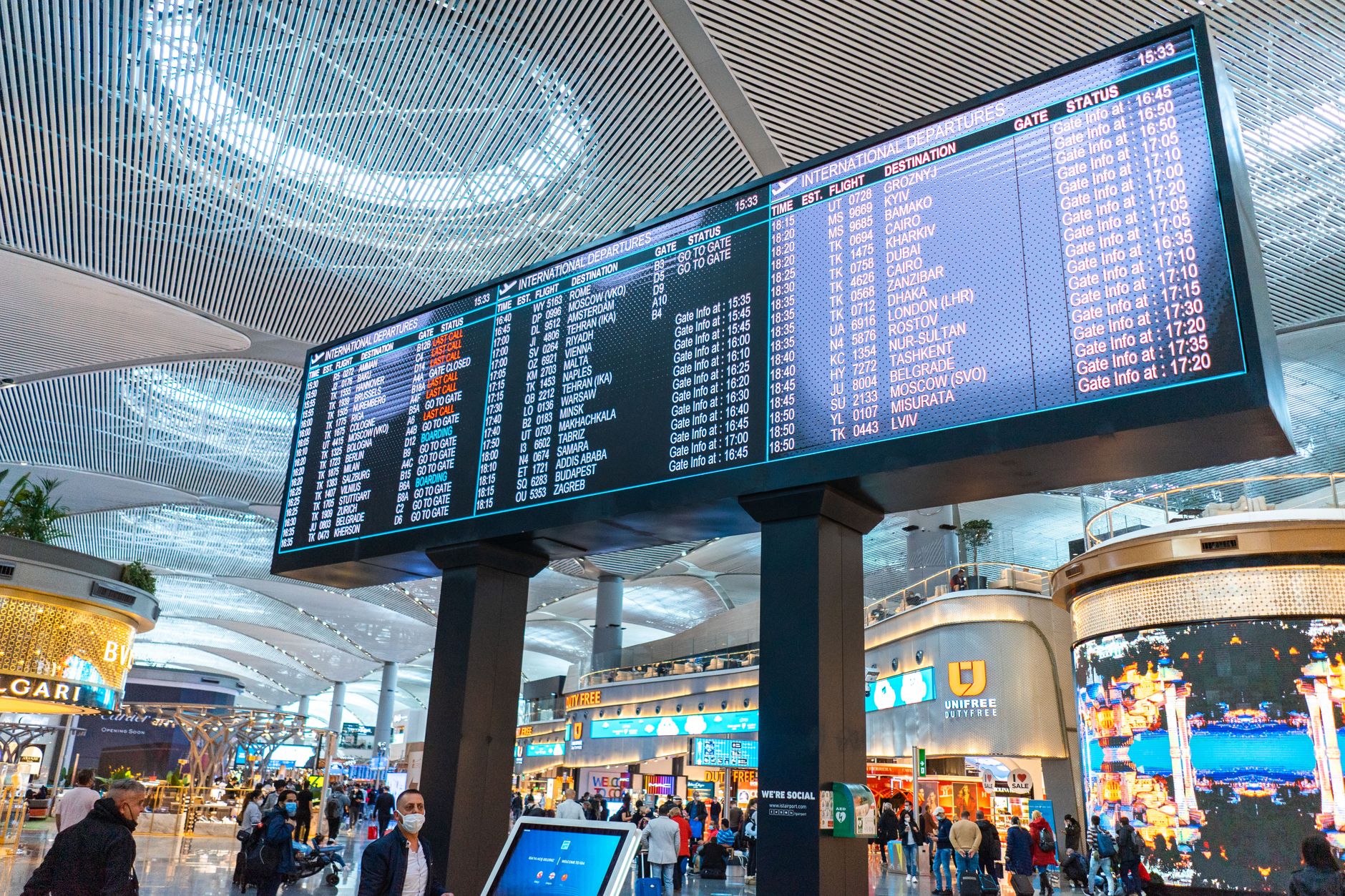
The most tangible payoff for travelers is infrastructure. Istanbul Airport and the newer hubs in Antalya and Izmir have become some of the most efficient gateways in Europe, with streamlined transfers, expanded lounges and high-speed metro links into the city centers. High-speed rail now connects Istanbul to Ankara, Eskişehir, Konya and beyond, making multi-city itineraries genuinely practical.
Coastal roads along the Aegean and Mediterranean have been widened and re-signed, and regional airports from Gaziantep to Trabzon receive direct seasonal flights from major European cities. Domestic carriers have also expanded their networks, so hopping from Cappadocia to the Black Sea coast no longer requires a full day of travel.
Digital services have kept pace too. E-visas are processed in minutes, museum passes are now available on mobile, and contactless payment is accepted almost everywhere, from Grand Bazaar stalls to village teahouses. For first-time visitors, this means less time solving logistics and more time actually experiencing the country.
More Flights, More Choice, More Value
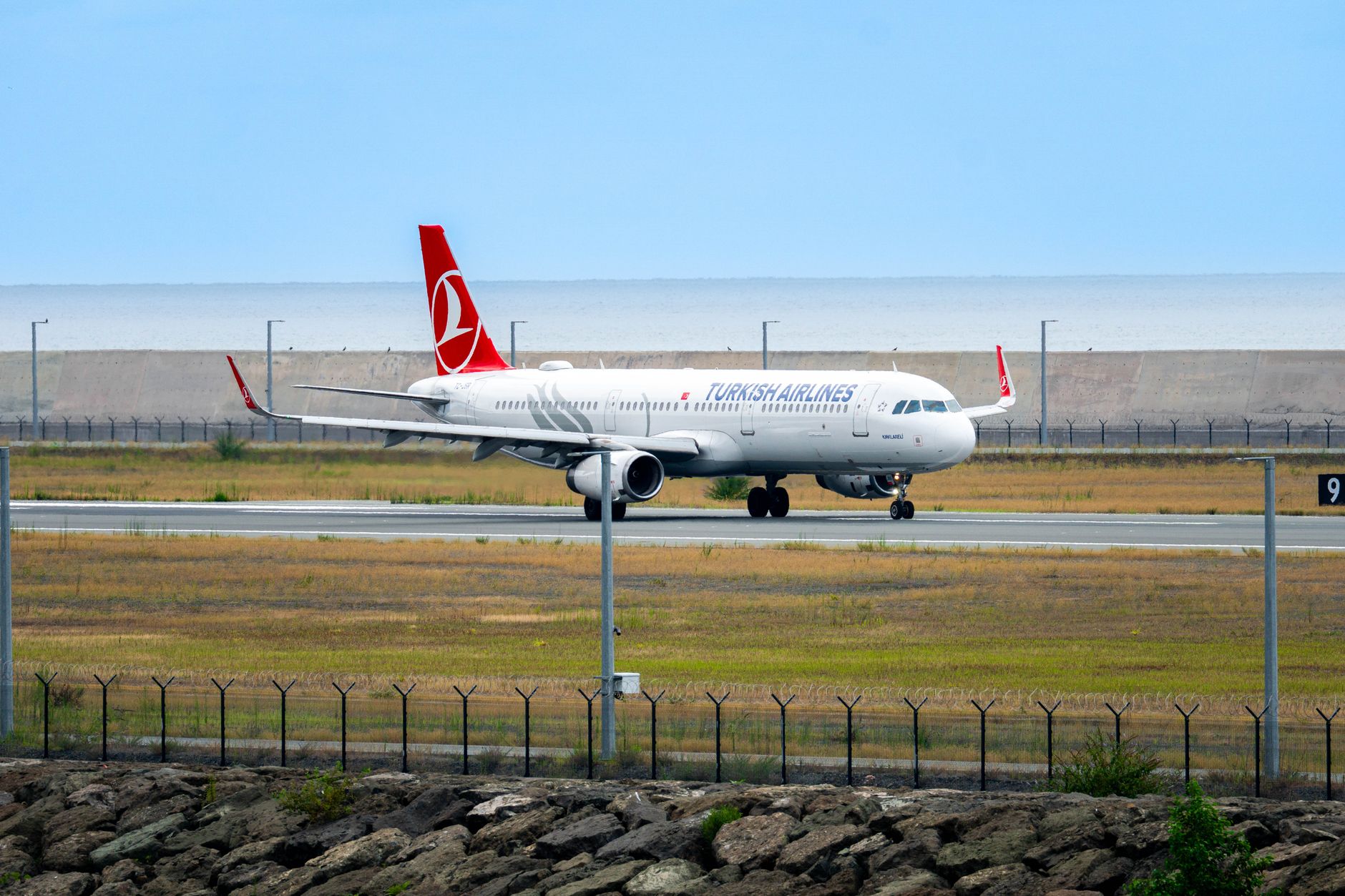
Competition among airlines is one of the clearest wins of Türkiye's tourism boom. National carrier Turkish Airlines has expanded its global network to more destinations than any other airline, while low-cost and charter carriers keep adding routes to Antalya, Dalaman, Bodrum and Bodrum-adjacent resort towns. More seats mean more competitive fares, especially in shoulder seasons.
Travelers can now fly direct to Türkiye from dozens of secondary cities in Europe, the Middle East, Asia and Africa that had no connection a decade ago. That matters for families and budget-conscious travelers who want to skip expensive hub transfers.
On the ground, the value story remains strong. The Turkish lira keeps dining, shopping and domestic transport affordable for many international visitors, and the quality-to-price ratio — a boutique cave hotel in Cappadocia, a fresh Aegean seafood dinner, a hammam ritual — is still one of the best in the Mediterranean.
Richer Services and a Deeper Travel Experience
Competition has also raised the quality of services. Boutique hotels in restored Ottoman mansions, farm-to-table restaurants in the Aegean hinterland, wine routes through Thrace and Cappadocia, and guided culinary walks in Gaziantep and Şanlıurfa have all matured into genuinely world-class offerings.
Museums and archaeological sites have benefited from major investment. The restored areas of Ephesus, the new galleries at the Istanbul Archaeological Museums, Göbeklitepe's visitor center and the underground cities of Cappadocia now offer better interpretation, accessibility and crowd management. Guided tours are available in more languages than ever.
Wellness travel is booming as well. Turkish hammams, thermal resorts in Bursa and Yalova, and yoga retreats along the Lycian Way have turned relaxation into a reason to visit in itself. Meanwhile, the country's food scene — from street simit to Michelin-starred tasting menus in Istanbul — continues to earn international recognition.
Hospitality That Keeps Travelers Coming Back
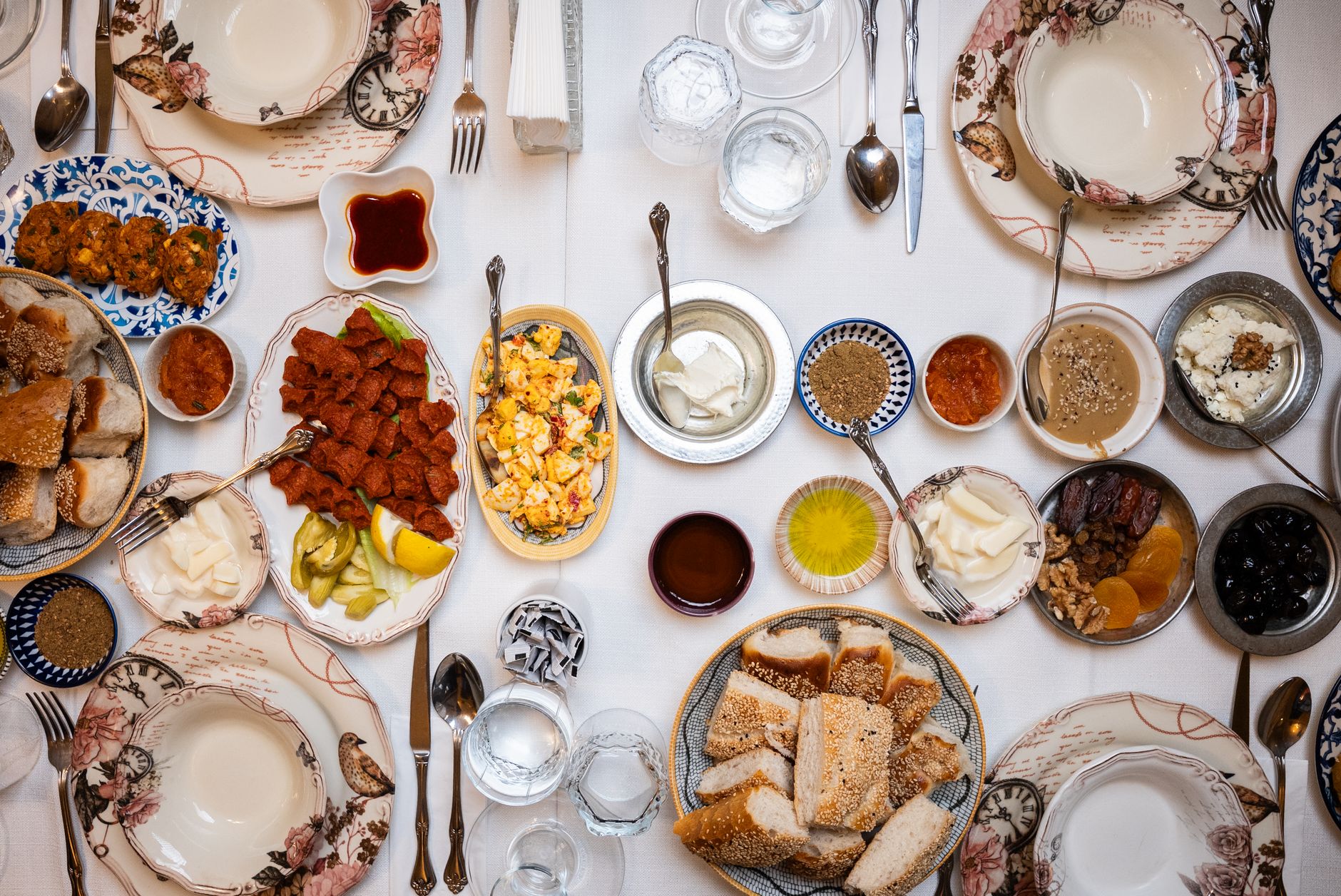
Numbers alone do not explain Türkiye's rise. The country's greatest asset remains its people. Turkish hospitality — the instinct to offer tea, to help a lost stranger, to share a meal — is not a marketing slogan; it is a daily practice that visitors consistently cite as the highlight of their trip.
The tourism boom has also created jobs and pride in local communities. Villages near ancient sites, family-run guesthouses in the Black Sea highlands and cooperative restaurants in the southeast all now welcome visitors with growing confidence and professionalism.
For repeat visitors, this warmth is what turns a holiday into a relationship. Many travelers return not just for the landscapes, but for the people who made them feel at home.
"You come for the history," one repeat visitor from Germany put it, "but you come back for the people."
Beyond Istanbul and Antalya: Where to Go Next
If you are a first-timer, it is tempting to stick to Istanbul's skyline and Antalya's beaches — and both deserve their reputations. But Türkiye's improved transport network makes it easier than ever to go further. Consider pairing Istanbul with Cappadocia's fairy chimneys, or Antalya with the ancient cities of Perge and Aspendos.
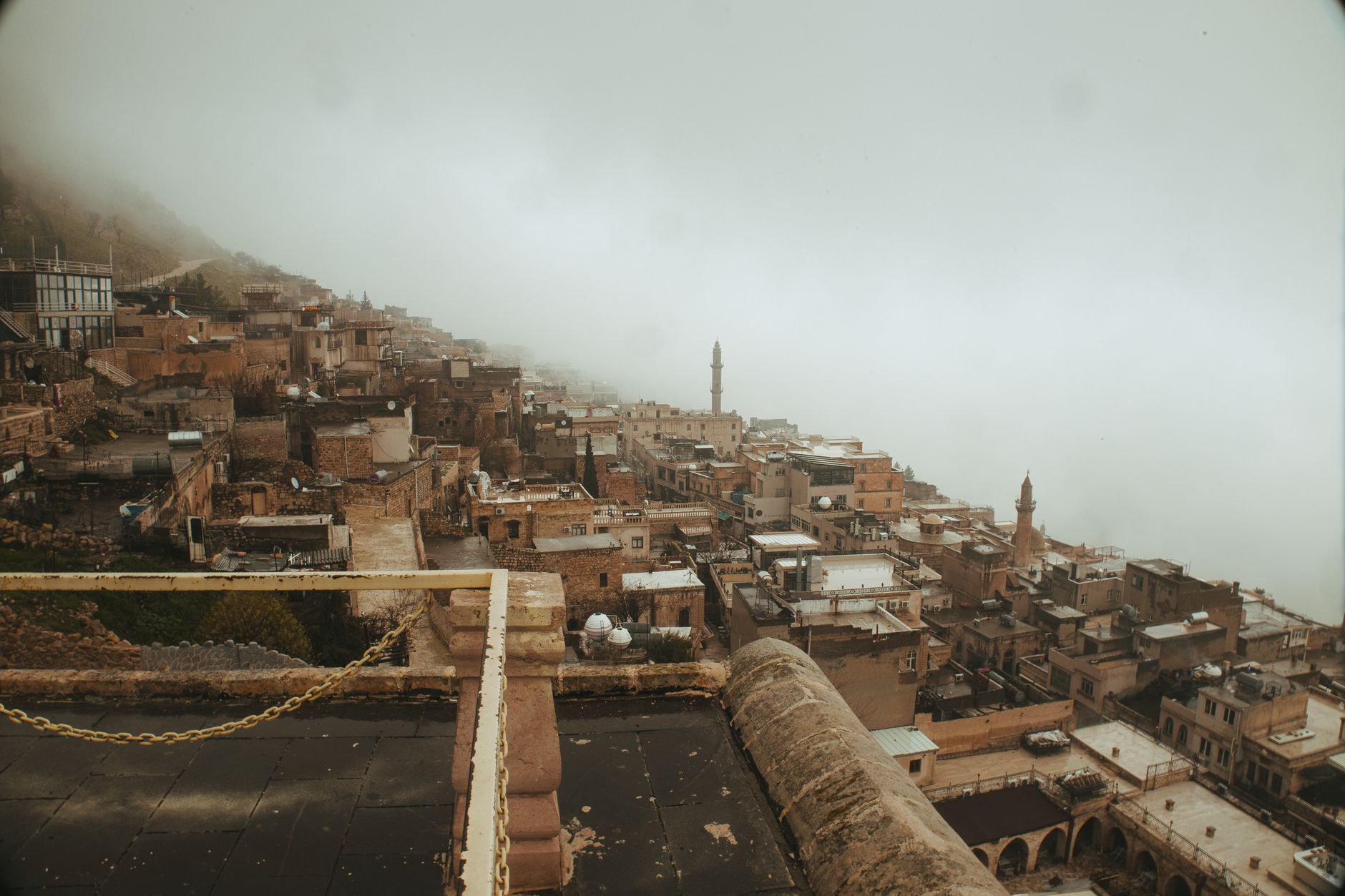
For return visitors, the country offers a second layer entirely. Explore the Aegean coast's lesser-known towns like Assos and Alaçatı, hike a section of the Lycian Way, or head east to Mardin's honey-colored stone houses, Gaziantep's legendary cuisine and the monumental statues of Mount Nemrut. The Black Sea region rewards travelers with lush highlands, Ottoman mansions in Safranbolu and the cliffside Sümela Monastery.
Winter travelers can ski in Erzurum and Kars, soak in Pamukkale's thermal terraces, or experience Istanbul without the summer crowds. With more flights and better roads, these experiences are no longer expeditions — they are simply the next chapter of a Turkish journey.
What the 4th-Place Milestone Means for You
Rankings matter because they reflect real investment. Türkiye's fourth-place global standing means more direct flights, better airports, improved museums, higher service standards and a tourism sector that is actively competing for your visit. It also means the country is investing in sustainability, accessibility and off-season travel to protect the very places people come to see.
For travelers, the practical advice is simple. Book early for peak summer and major festivals like Istanbul's tulip season or Cappadocia's balloon mornings. Consider shoulder seasons for better prices and smaller crowds. And build an itinerary that mixes icons with lesser-known regions — Türkiye rewards curiosity.
Above all, come with an appetite. For history, for landscapes, for food and for the everyday generosity of a nation that has made hospitality its calling card. Türkiye's rise in the global rankings is impressive, but the real story is what that rise delivers to every visitor who steps off the plane.
Thinking about a trip to Turkey?
Share your contact details and a vetted local expert will follow up with a plan built around you — free, no obligation.