

A Story of Steady, Purposeful Growth
In just eight years, Türkiye's tourism revenue has climbed from $30 billion to $65 billion — a doubling that reflects not only more visitors, but a deliberate national strategy to raise the quality of every stage of the journey. The result is a travel experience that feels smoother, better maintained and more rewarding than it did a decade ago.
For travelers, the most tangible benefit is choice. Cities, coastlines and heritage regions across the country have used this momentum to invest in the things that matter most: reliable transport, beautifully restored monuments, a wider range of places to stay and services that make exploring easier.
This growth hasn't come at the expense of Türkiye's famous warmth. From the Grand Bazaar to the fairy chimneys of Cappadocia, the country still greets guests with the same generosity — now paired with infrastructure that matches its world-class destinations.
Airports That Welcome the World
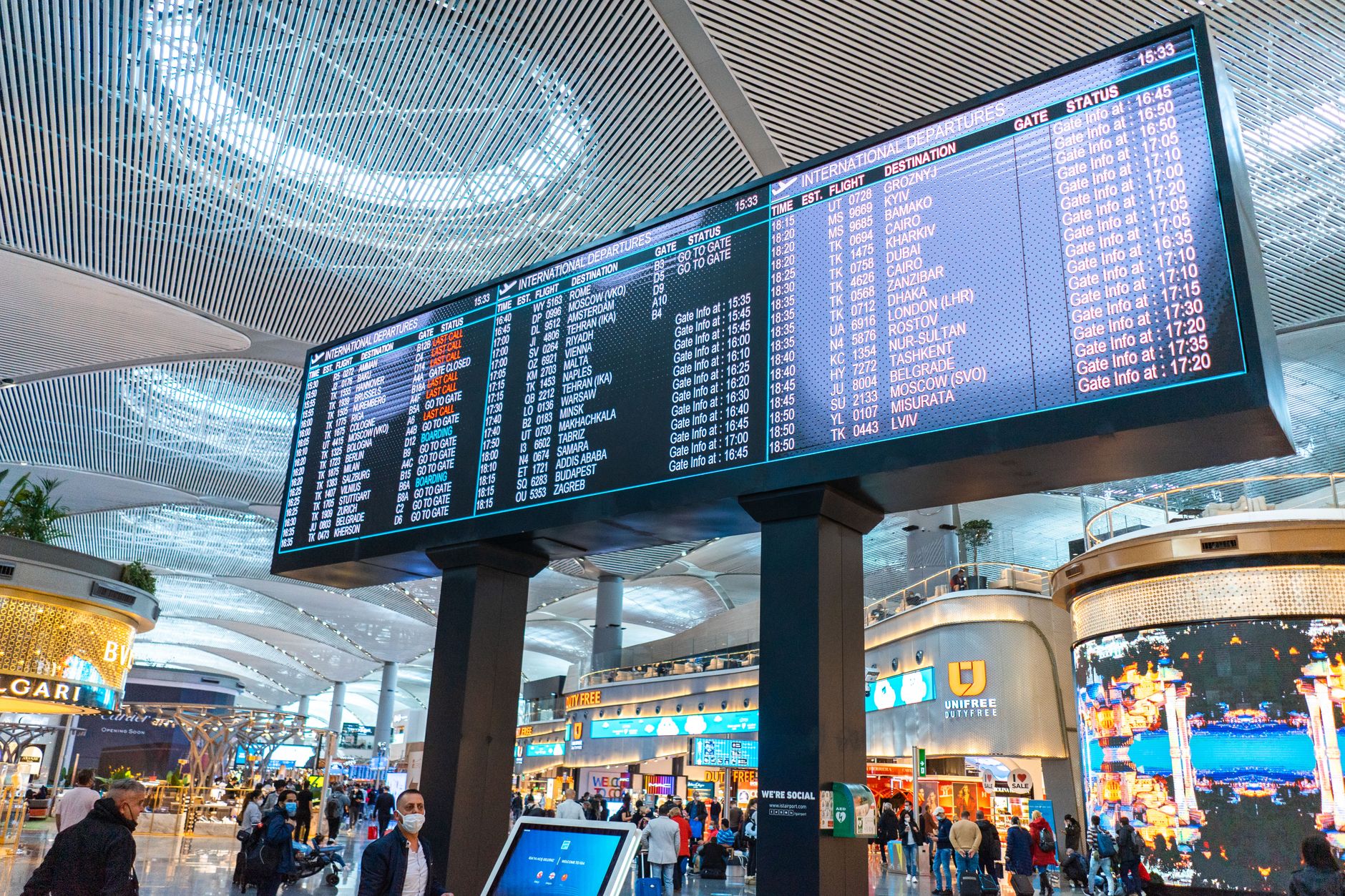
Aviation has been a cornerstone of the boom. Istanbul Airport, one of the largest in the world, continues to expand its terminal and route network, making Türkiye a natural stopover between continents. Domestic connections from Istanbul to Antalya, Izmir, Nevşehir and Gaziantep are faster and more frequent than ever.
Regional gateways have kept pace. Antalya Airport, the gateway to the Turkish Riviera, has undergone major capacity upgrades, while airports serving Bodrum, Dalaman and Cappadocia have improved terminals and passenger services. New routes from secondary cities in Europe, the Gulf and Asia mean more travelers can reach Türkiye without a transfer.
Inside terminals, the focus is on comfort: faster passport control, expanded lounges, better signage in multiple languages and improved public transport links to city centers. Arriving in Türkiye now feels less like a bottleneck and more like the first pleasant chapter of the trip.
"The journey begins the moment you land," says one Istanbul-based tour operator. "When arrivals are smooth, guests start their holiday relaxed — and that sets the tone for everything that follows."
Restored Sites and Renewed Heritage
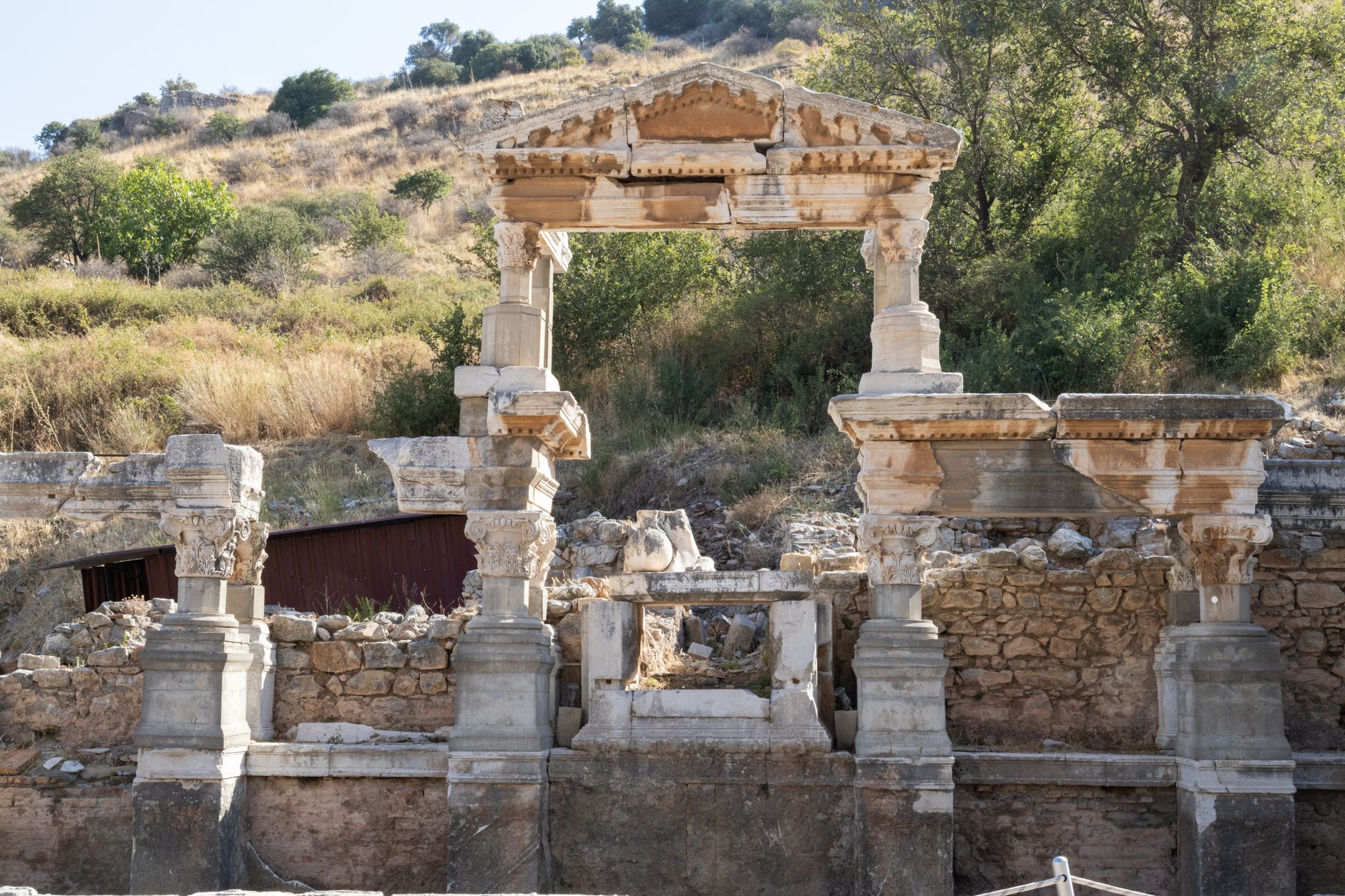
Across the country, the increased revenue has helped fund the careful restoration and interpretation of Türkiye's extraordinary heritage. At Ephesus, ongoing work continues to open new areas and improve visitor pathways. In Pamukkale, conservation of the travertine terraces is paired with better-managed access so future generations can enjoy them too.
Göbeklitepe, the world's oldest known temple complex near Şanlıurfa, has benefited from modern visitor centers and shelters that protect the excavation while allowing close viewing. In Cappadocia, rock-cut churches and underground cities are being stabilized, with new walking routes and multilingual information panels.
Istanbul's treasures are also receiving attention. Major restoration projects at sites such as the Hagia Sophia complex and the Basilica Cistern have improved the experience for visitors, while museums across the city use updated lighting, climate control and digital guides to bring history to life.
The practical takeaway: the monuments you come to see are in better condition and easier to understand than ever before, with more signage, guided options and accessible pathways.
New Hotels and a Wider Range of Stays
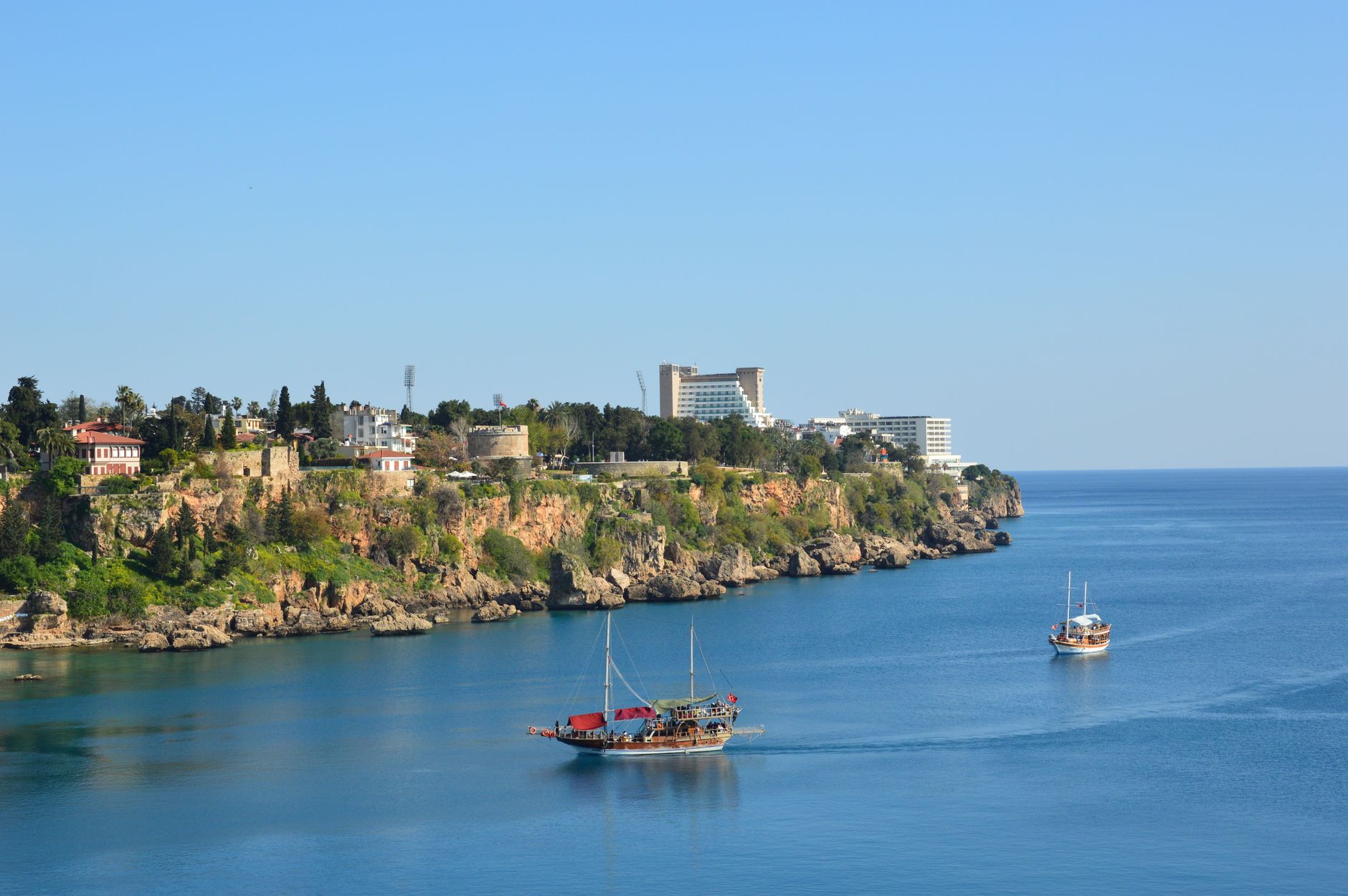
Investment in accommodation has spread well beyond the traditional resort strips. Istanbul now offers everything from design-led boutique hotels in Karaköy and Beyoğlu to international luxury brands along the Bosphorus. The Turkish Riviera — Antalya, Belek, Side and Kaş — continues to add all-inclusive resorts, family-friendly complexes and adults-only retreats.
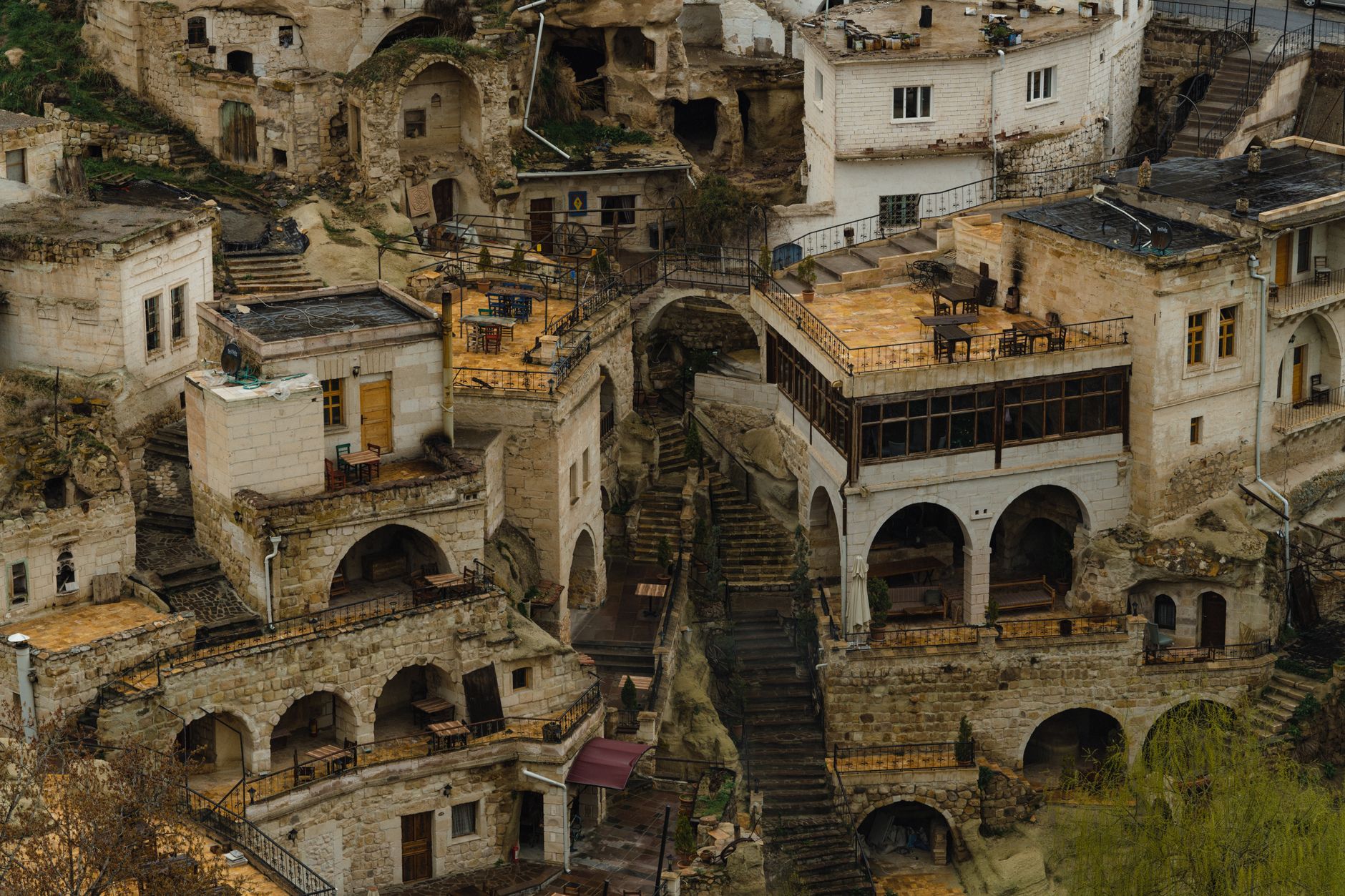
Cappadocia has seen a wave of restored cave hotels, blending historic stone architecture with modern comforts. In Izmir, Bodrum and the Aegean coast, boutique properties and marinas are attracting a new generation of travelers looking for style and authenticity.
For budget-conscious visitors, the growth has also brought more mid-range and locally run guesthouses, especially in regions like the Black Sea coast and Southeastern Anatolia. Wherever you stay, standards around cleanliness, service and safety have risen across the board.
Better Visitor Services and Easier Planning
The eight-year boom has funded improvements that travelers notice in small but meaningful ways. Digital museum passes, online ticketing for major attractions, expanded public transport networks and more English-speaking staff at information points all make exploring simpler.
Tourist police and multilingual helplines are more visible in major hubs, and accessibility has improved at many sites, with ramps, elevators and tactile guides being added. High-speed rail links, such as the YHT lines connecting Istanbul, Ankara and Konya, offer comfortable alternatives to domestic flights.
Culinary tourism has flourished alongside: food tours, cooking classes and farm-to-table experiences now appear in cities and villages alike. Travelers can book a hot-air balloon ride over Cappadocia, a gulet cruise along the Turquoise Coast, or a wine-tasting tour in Thrace with a few taps on their phone.
Why This Growth Means Better Value for You
It's tempting to equate growth with crowds alone, but the reality in Türkiye is more nuanced. Revenue has been reinvested in quality — and that translates into better value for visitors. You'll find more competitive hotel rates, improved facilities and a wider range of experiences at every price point.
A stronger tourism sector also supports local communities, from family-run restaurants in Gaziantep to artisans in the Grand Bazaar. When you travel here, you're contributing to the preservation of the very places you've come to see.
With its unique blend of East and West, ancient wonders and modern comforts, Türkiye is ready to welcome you. The eight-year journey from $30 billion to $65 billion is a story of ambition, but the real reward is the experience waiting for every guest who arrives.
Thinking about a trip to Turkey?
Share your contact details and a vetted local expert will follow up with a plan built around you — free, no obligation.