

In just eight years, Türkiye's tourism revenue has surged from $30 billion to $65 billion, a remarkable achievement that is being plowed back into the very experiences visitors cherish. From improved signage at ancient sites to expanded airport capacity and a wave of boutique hotels in lesser-known towns, the benefits are tangible for every traveler. The message is clear: your trip to Türkiye directly supports preservation, hospitality, and infrastructure that make each journey smoother and more enriching.
Record Revenue, Real Reinvestment
The jump from $30 billion to $65 billion in tourism revenue didn't happen by accident. It's the result of a deliberate national strategy to enhance the visitor experience at every touchpoint. A significant portion of these funds is earmarked for cultural preservation, transportation upgrades, and hospitality training, ensuring that Türkiye remains a top destination for years to come.
For travelers, this means better roads, clearer signs, and more comfortable facilities at popular sites. It also means that even as visitor numbers grow, the quality of the experience is rising, not falling. The government and private sector are working in tandem to keep Türkiye competitive with other Mediterranean destinations.
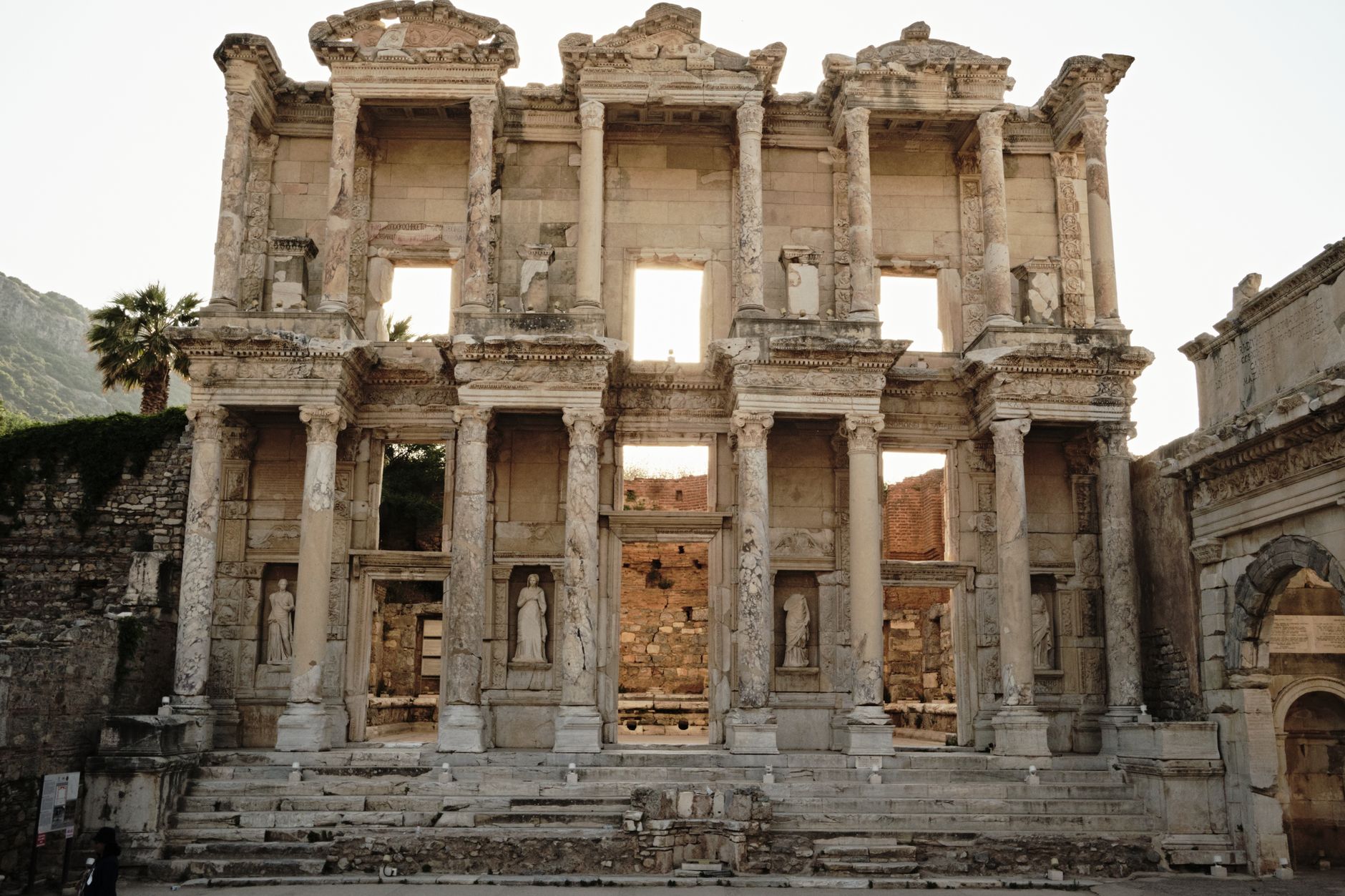
Museum Upgrades and Multilingual Signage
At iconic sites like Ephesus, Göbekli Tepe, and the Basilica Cistern, new multilingual signage and interactive displays are making history more accessible than ever. Audio guides are now available in more languages, including Mandarin, Spanish, and Arabic, reflecting the diverse origins of today's visitors.
The Museum of Anatolian Civilizations in Ankara and the Zeugma Mosaic Museum in Gaziantep have undergone extensive renovations, with climate-controlled galleries and improved lighting that protect artifacts while enhancing viewing. These upgrades are funded directly by tourism revenues, demonstrating how visitor spending circulates back into preservation.
"Every ticket sold contributes to the safeguarding of our heritage," says a spokesperson for the Ministry of Culture and Tourism. "Travelers are not just observers; they are partners in preservation."
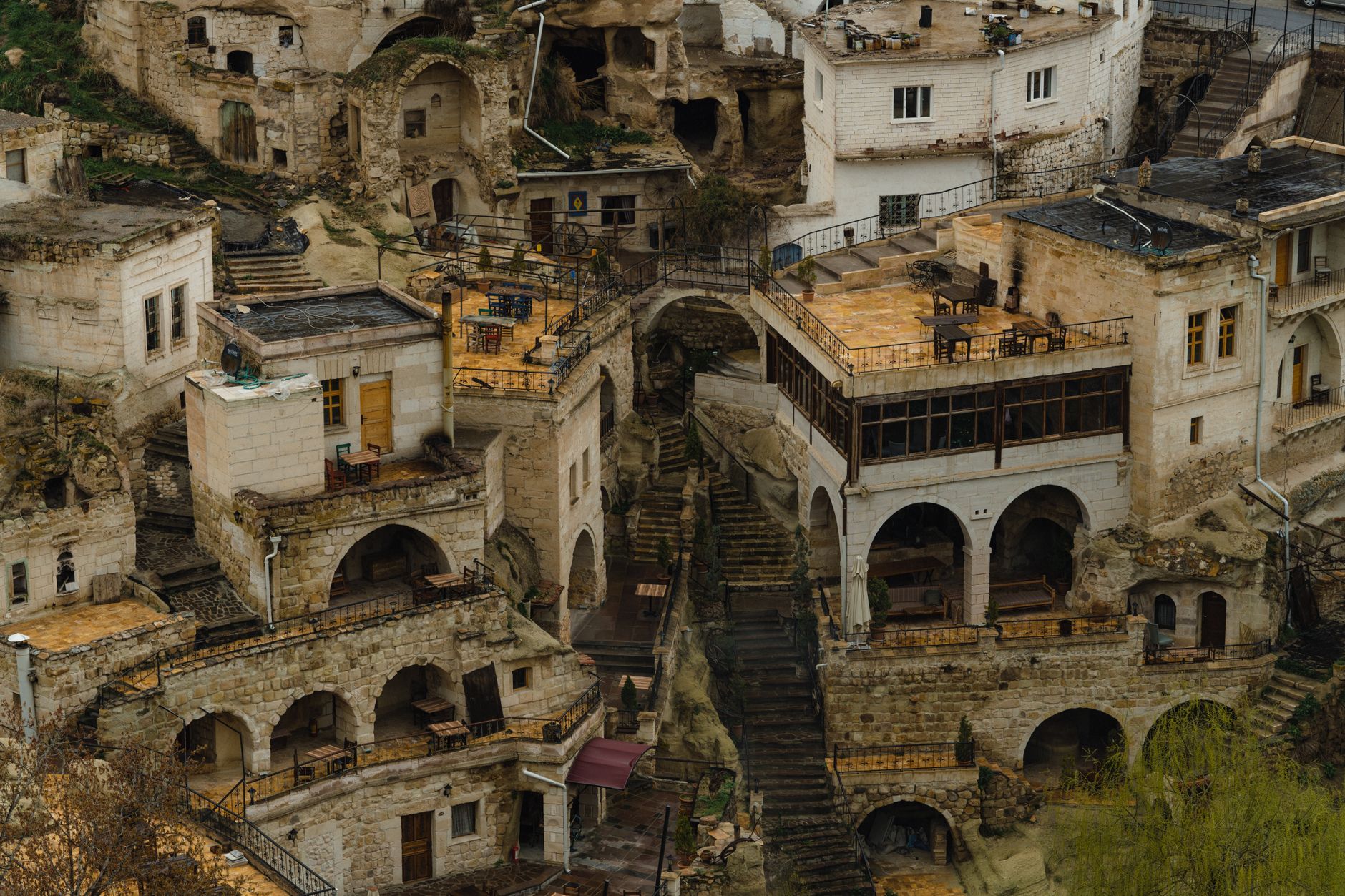
Airport Expansions and Seamless Connections
Istanbul Airport, already one of the world's largest, continues to expand with new terminals and faster transit options. Domestic hubs like Antalya, Izmir, and Bodrum have also seen capacity increases, making it easier to hop between coastal resorts and inland treasures.
New high-speed rail links, such as the Ankara–Istanbul and Ankara–Konya lines, offer comfortable, eco-friendly alternatives to short flights. These investments reduce travel time and open up lesser-known regions to curious explorers.
For those venturing to the East, improved roads and new regional flights to places like Mardin and Van are cutting journey times, allowing more travelers to discover Türkiye's rich Kurdish and Armenian heritage.
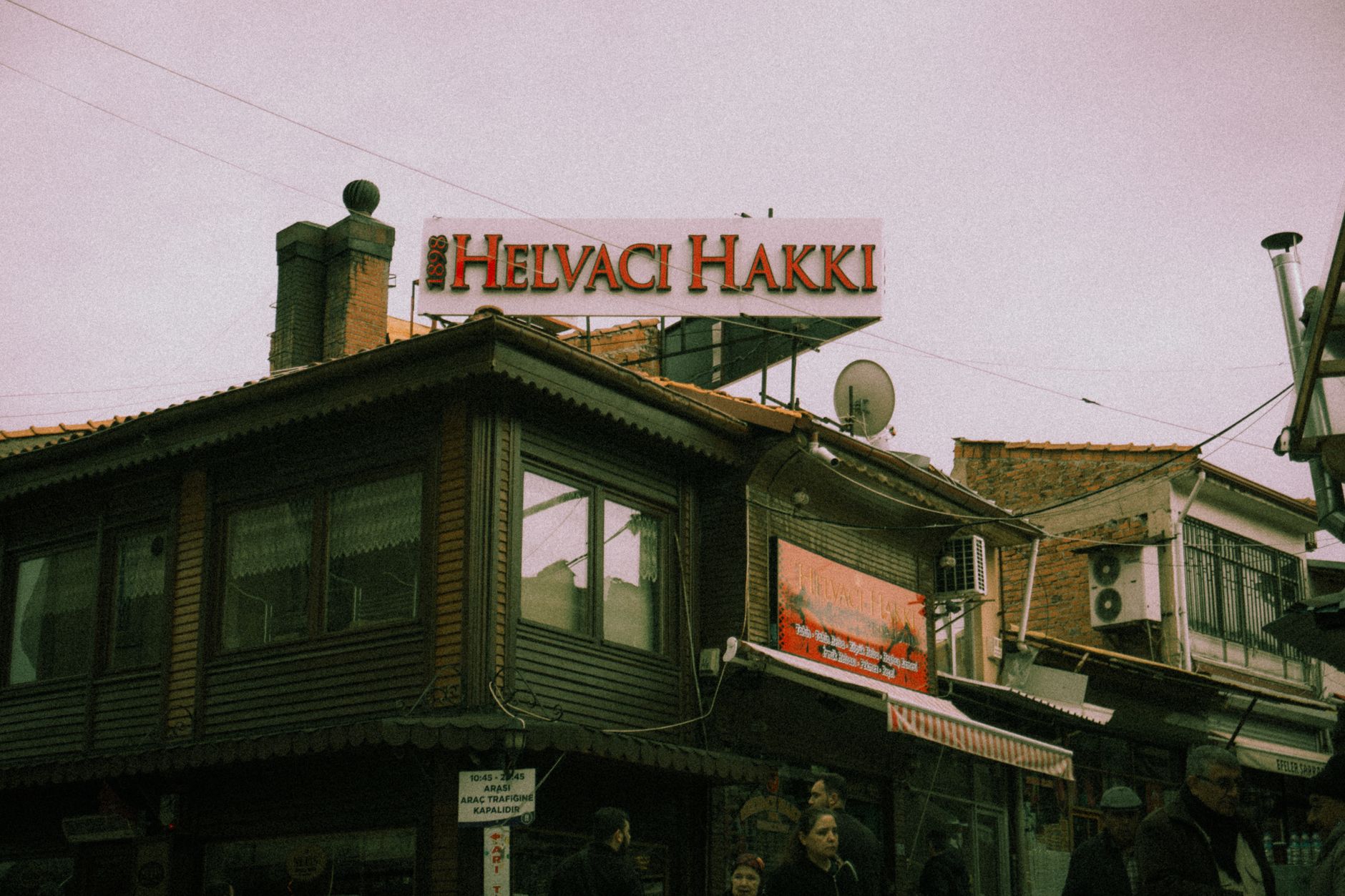
Boutique Hotels Flourish in Lesser-Known Towns
Beyond Istanbul, Cappadocia, and the Aegean coast, a new wave of boutique hotels is putting towns like Şirince, Halfeti, and Amasya on the map. These properties often restore historic stone houses, blending modern comforts with traditional charm.
In Şirince, once a sleepy village near Ephesus, family-run inns now offer cooking classes and wine tastings, thanks to increased tourist interest. Similarly, Halfeti's riverside guesthouses provide a base for exploring the sunken city and Rumkale fortress.
This decentralization of tourism spreads economic benefits and alleviates pressure on overcrowded hotspots, creating more authentic encounters for visitors.
Multilingual Services and Warm Hospitality
Throughout Türkiye, tourism workers are receiving enhanced language training, with English, German, Russian, and Arabic widely spoken in major hubs. Even in rural areas, younger generations are learning foreign languages to welcome guests.
Digital tools like the Türkiye Tourism app offer real-time translation, attraction info, and offline maps in multiple languages. Many museums and sites now provide QR codes that link to multilingual guides.
This focus on communication ensures that travelers feel welcomed and understood, fostering the warm hospitality for which Türkiye is famous.
What It Means for Your Trip
When you visit Türkiye today, you'll notice the difference: smoother airport transfers, clearer directions at ancient ruins, and more comfortable museum experiences. Your spending supports these improvements, creating a virtuous cycle that benefits both visitors and locals.
So go ahead—explore the bazaars of Gaziantep, hike the Lycian Way, or sail the Turquoise Coast. Every lira you spend helps preserve Türkiye's treasures and ensures that the welcome mat remains out for generations to come.
Thinking about a trip to Turkey?
Share your contact details and a vetted local expert will follow up with a plan built around you — free, no obligation.