

There is a moment in every Turkish sweets workshop when the room goes quiet. A master confectioner lifts a sheet of pastry so thin you can read a newspaper through it, and a dozen travelers stop filming and simply stare. Then comes the invitation: your turn. Hands-on dessert classes across Türkiye have turned this craft into one of the country's most joyful travel experiences, and the lessons stretch from Gaziantep's pistachio workshops to Mardin's künefe counters. Whether you have a free morning in Istanbul or a full week to trace the sweets trail east, a few hours at the bench will change how you taste every bite afterward.
Why Türkiye's Dessert Workshops Beat Any Cooking Demo
Plenty of destinations offer cooking classes where you watch a chef and then eat. Türkiye's sweets workshops are different: the masters here are often the third or fourth generation of a family business, and they teach the way they learned — by putting the tools in your hands. You will dust a marble bench with starch, press a pistachio filling into place, and feel for yourself why a baklava tray is judged by its layers rather than its size.
These classes also open a door into Turkish hospitality. Expect tea the moment you sit down, strong coffee halfway through, and a host who insists you take the imperfect pieces home "for the family." The patience is genuine — a master who has rolled tens of thousands of leaves will still lean over your shoulder and gently correct your wrist angle, never your enthusiasm.
Perhaps the best part is the souvenir. A box of sweets lasts a week; the skill of folding lokum or judging syrup temperature lasts a lifetime. If you are planning a food-focused route, our travel guides and sample itineraries can help you slot a class into a wider trip through the southeast.
Gaziantep: Where Baklava Is a Birthright
Gaziantep, known locally as Antep, is the undisputed capital of baklava. The city protects its recipes the way other places protect monuments, and its pistachios — smaller, greener and more fragrant than most — are the reason. A typical baklava class here runs two to three hours and begins not with pastry but with a tour of ingredients: watching pistachios being shelled, smelling clarified butter, and learning why Antep bakers insist on a particular wheat starch.
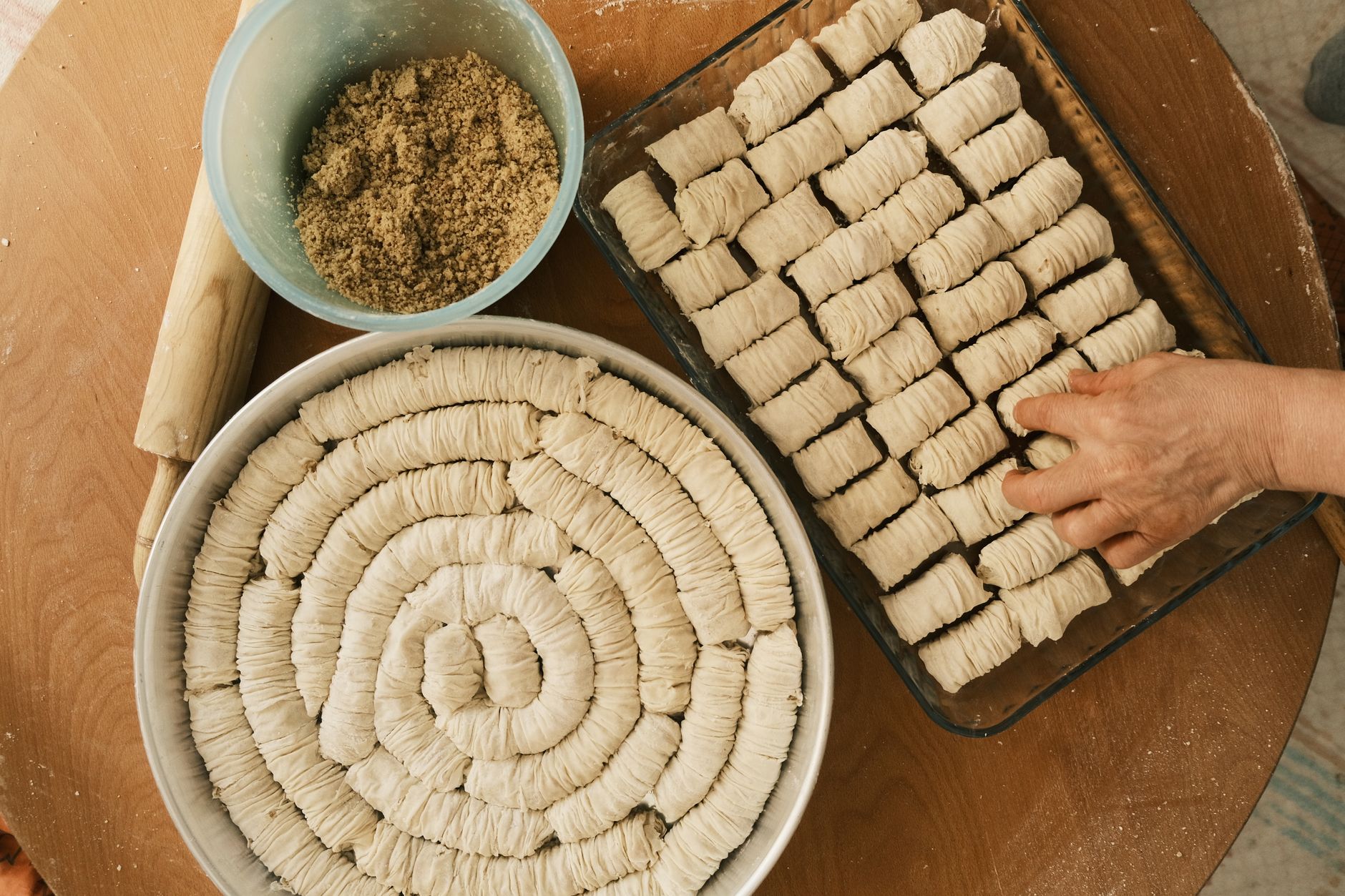
Then the real work starts. You will roll dough around a long wooden oklava, coax it into translucent sheets, brush layer after layer with butter, and spread the nut filling with a practiced hand. The master will explain how the tray is cut before baking, why the syrup must be hot when the baklava is cool (or the reverse, depending on the family's tradition), and how to listen for the faint sizzle that means the syrup is being absorbed properly.
Many workshops finish with a tasting of regional variations: walnut-filled burma, coiled sütlü nuriye, and the pale, cheese-filled künefe that also belongs to this region. Ask about combined classes if you want to cover both — Gaziantep is one of the few places where you can bake baklava in the morning and stretch künefe in the afternoon. Add a day to explore the old bazaars and copper workshops, and you will understand why this city deserves more than a stopover on your route through Türkiye.
Istanbul: Lokum, Baklava and a Dash of Ottoman History
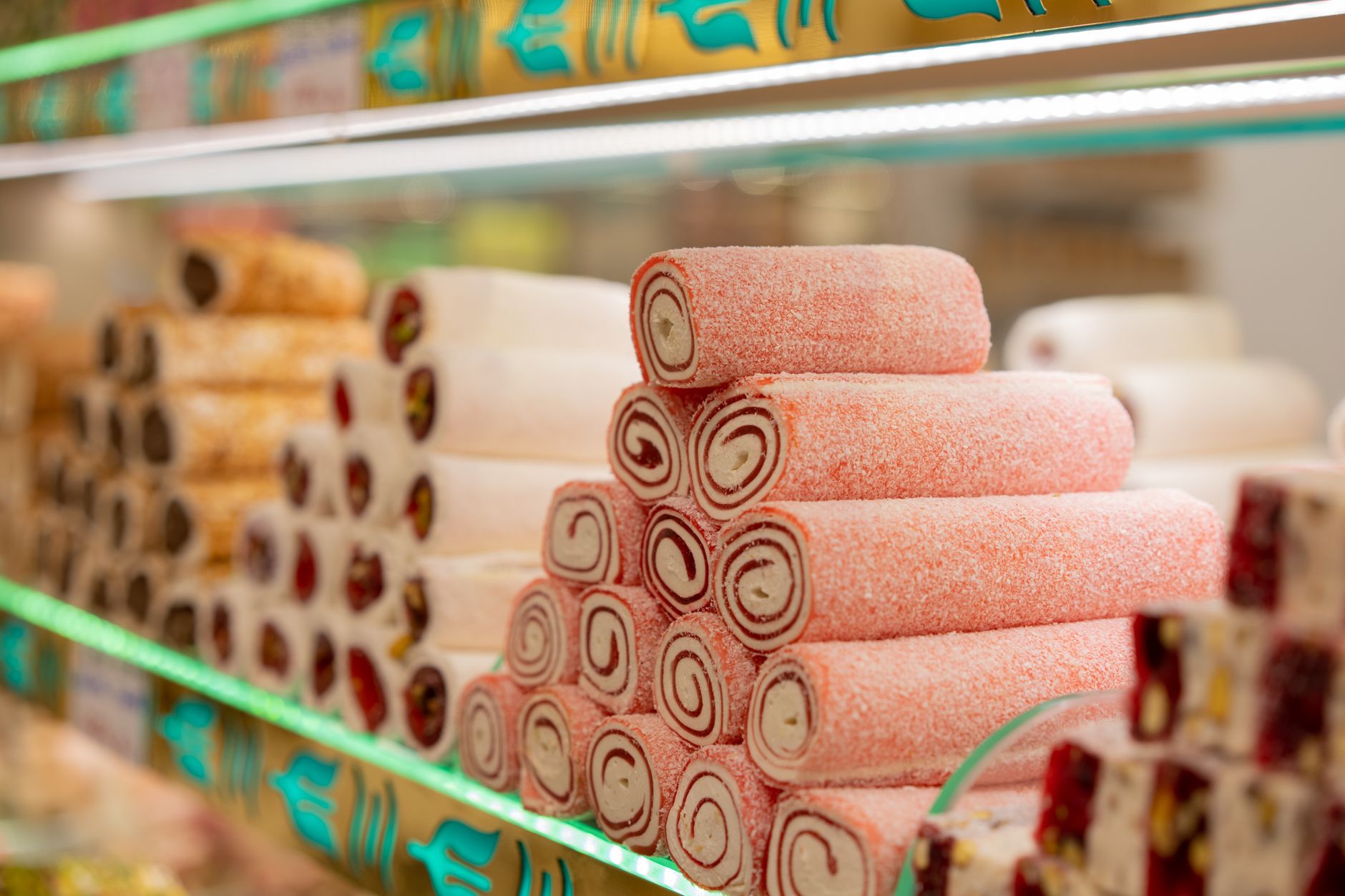
Istanbul's sweets classes range from two-hour introductions in a Beyoğlu kitchen to half-day sessions in historic confectionery houses near the Spice Bazaar. Lokum, often sold abroad as "Turkish delight," is the classic entry point: you will boil sugar and water to the precise stage a master judges by feel, add starch, and stir — for what feels like a very long time — until the mixture turns glossy and elastic.
Flavoring is where Istanbul's classes shine. Rosewater, mastic, bergamot, sour cherry and double-roasted pistachio all make an appearance, and instructors love explaining how Ottoman palace kitchens combined sweets with medicine and perfume. You will also learn the finishing stage: dusting with powdered sugar, cutting with a rhythmic rocking motion, and packing the pieces so they survive the flight home.
Baklava session in Istanbul often focus on the home-kitchen method, using store-bought yufka so that travelers can recreate the dish after they leave. That practicality is a theme — good instructors ask where you live, what your oven is like and which ingredients you can actually find, then adapt the recipe accordingly. If it is your first time in the city, pair a class with a walk through the surrounding neighborhood; our destination pages cover the districts where these kitchens cluster.
Mardin: Künefe, Cheese and Patience on the Silk Road
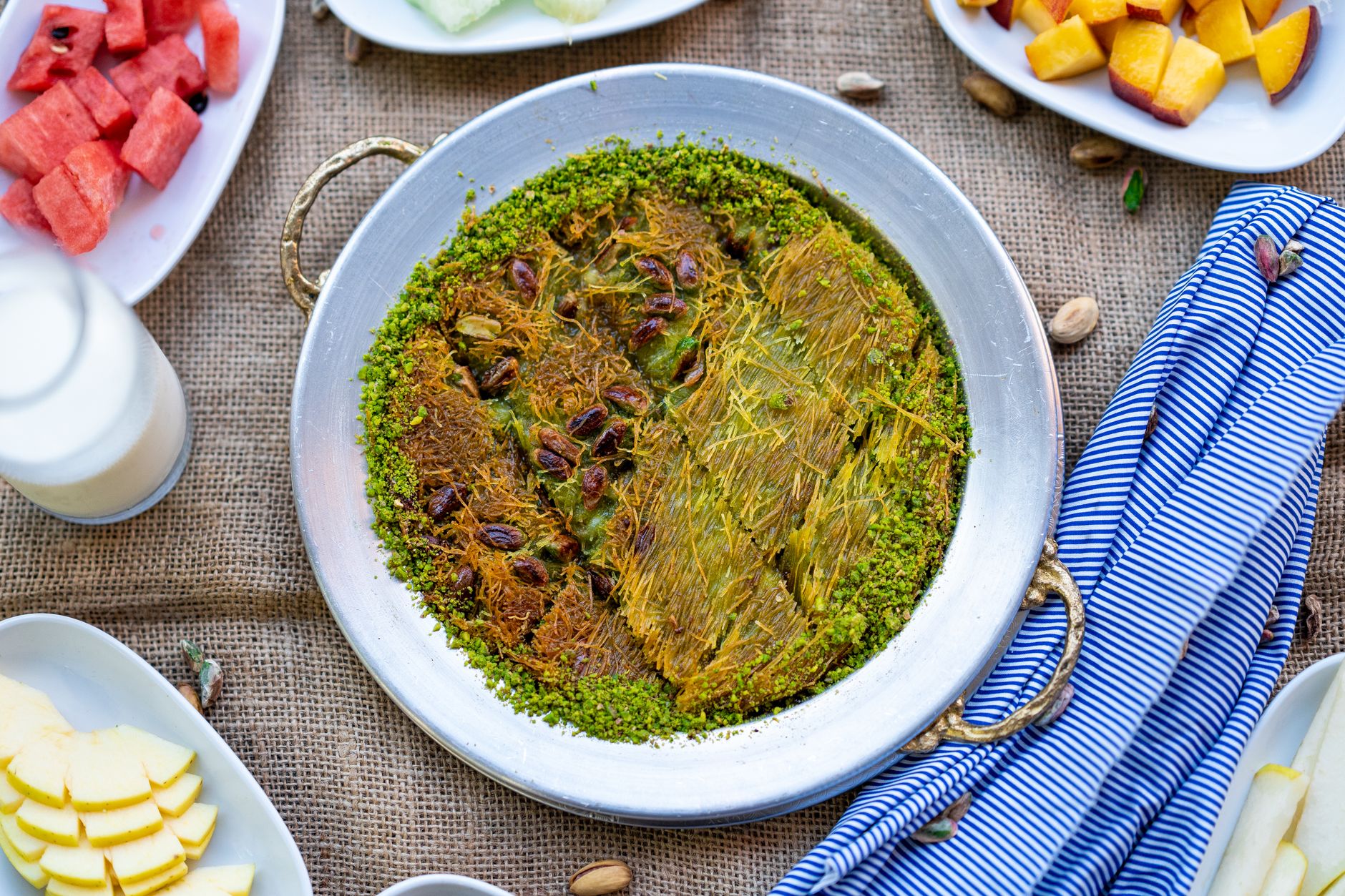
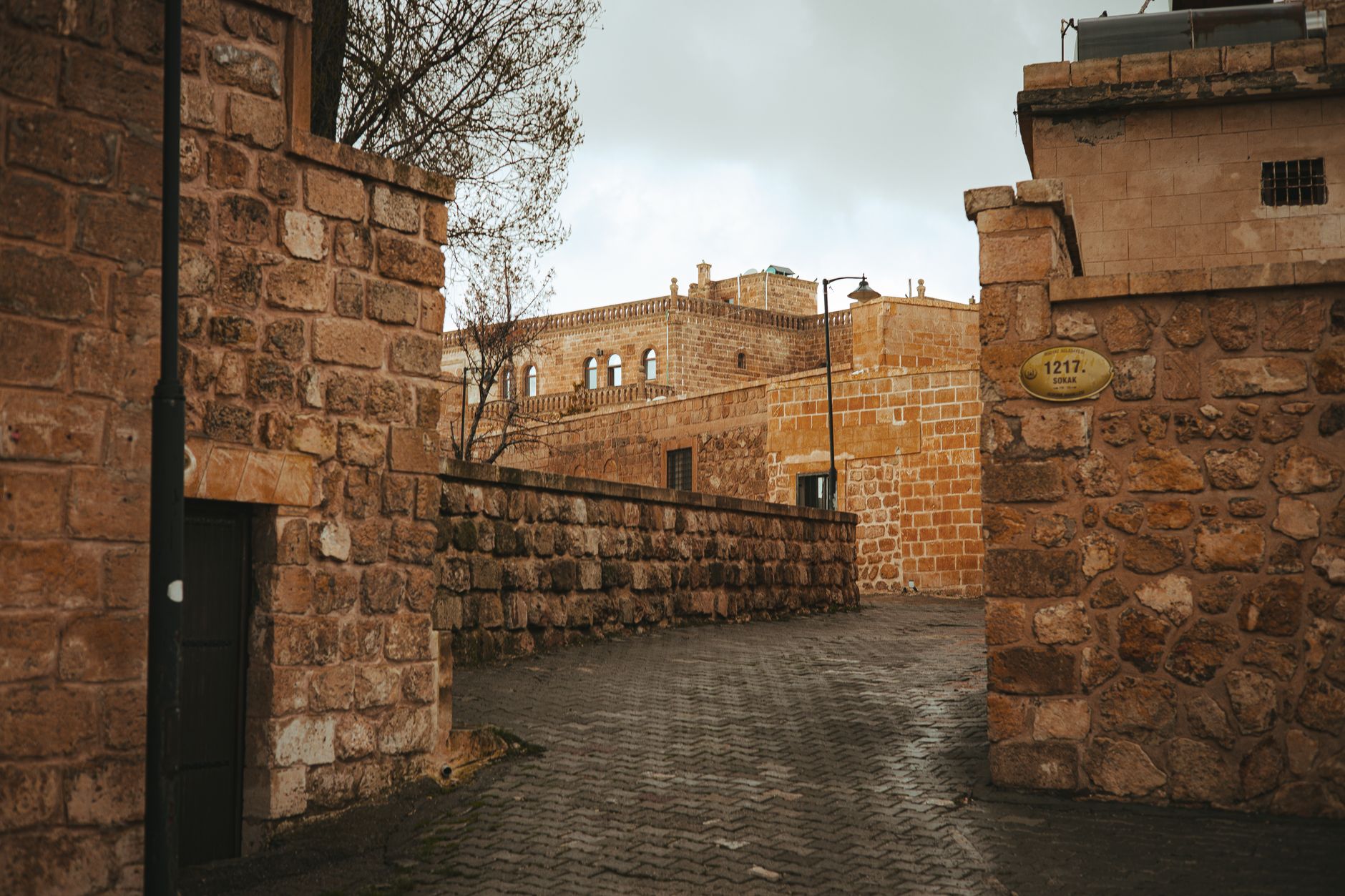
Mardin's honey-colored stone streets feel a world away from Istanbul, and so does its signature sweet. Künefe is a hot dessert of shredded kadayıf pastry layered around stretchy, unsalted cheese, baked on a copper tray over charcoal and soaked briefly in syrup. The drama is built in: the cheese must pull, the crust must crisp, and the syrup must arrive at exactly the right temperature.
Workshops in Mardin are usually small and family-run, often attached to a sweets shop where you can watch the evening rush afterward. Classes run around two hours and emphasize technique over volume: how to butter the tray, how to press the pastry without compacting it, and how to flip the künefe — the nerve-wracking moment everyone remembers. Local masters also teach regional variations, including the sesame-topped style and versions made with dil cheese rather than the more common string cheese.
Because Mardin sits on historic trade routes, instructors often weave in stories about how sweets traveled between Anatolia, the Levant and Persia. That context makes the class feel less like a recipe demonstration and more like a history lesson you can eat. It is a natural stop on a southeastern itinerary, and the city rewards a slow visit beyond the workshop.
How to Choose a Class and Book Ahead
Class lengths vary more than you might expect. Quick introductory sessions run 90 minutes to two hours and suit travelers with a tight schedule. Half-day workshops of three to four hours include market visits, multiple recipes and a full meal, while multi-day "sweets intensives" exist in Gaziantep for serious home bakers. As a rule, choose a class that caps its group at around ten people; rolling pastry is a hands-on activity, and a crowded bench means less guidance.
Book ahead, especially between April and June and during the September–October shoulder season. Small family kitchens fill up weeks in advance, and the most respected masters in Gaziantep take bookings through local agencies or their own social pages rather than walk-ins. Confirm three things when you reserve: the language of instruction (English is common but not universal), whether aprons and materials are included, and whether you take home what you make.
- Ask about dietary needs in advance — pistachio and dairy are everywhere, and vegan versions are rare.
- Wear closed shoes and clothes that can tolerate flour and syrup.
- Bring cash for small workshops and for the inevitable extra boxes of sweets.
- Check whether the workshop concludes with a certificate or printed recipe cards.
If you are comparing options across cities, our local experts can point you toward vetted hosts, and the FAQ covers practical questions about payments and cancellations.
Taking the Skills — and the Sweets — Home
Almost every master will send you away with a written recipe, but the real takeaways are sensory. You will remember the sound of syrup hitting a hot tray, the feel of dough giving way under the oklava, and the smell of butter browning at the right moment. Write these details down the same evening; notebooks beat memory when you are jet-lagged.
For packing, buy sturdy airtight containers rather than relying on shop boxes, and check your home country's rules on bringing food — most allow commercially sealed sweets, but fresh cheese-based desserts like künefe rarely travel well and are best eaten on the spot. Pastry-based sweets such as baklava and lokum survive flights surprisingly well when wrapped tightly and kept cool.
"The secret is not the recipe," one Antep master likes to tell his students. "The secret is that you came here to learn it. Now you will always have a little bit of Gaziantep in your kitchen."
That generosity is what makes these workshops a highlight of any Turkish trip. You arrive curious about sugar and pastry; you leave with flour on your sleeves, a new friend behind the counter, and the quiet confidence that you could, with practice, do this at home. Plan your class early, arrive hungry, and let the masters teach you the rest.
Thinking about a trip to Turkey?
Share your contact details and a vetted local expert will follow up with a plan built around you — free, no obligation.