
Rails, Rattles and a Little Romance
There is something quietly magical about a tram. It moves at the speed of a good conversation, glides past doorways and balconies you would never notice from a taxi, and rings its bell like a polite guest arriving at a party. In Türkiye, that charm has been folded into one of the most improved public transport networks in the region — and travellers get to enjoy the ride.
Over the past two decades, Turkish cities have invested seriously in rail. Istanbul's tram lines now knit together historic districts and modern suburbs, İzmir runs a sleek network right along its famous waterfront, and Antalya keeps a beloved antique streetcar circling its old town. The best part? You do not need to be a transport enthusiast to love them. A tram ticket is often the cheapest sightseeing you will buy all day. If you are mapping out a city-hopping route, it is worth checking our route ideas and itineraries to see where rail rides slot naturally into a day.
This guide is a light-hearted, practical love letter to Türkiye's trams and nostalgic streetcars — where to ride them, how to pay, which stops deserve a photo, and why locals are rightly proud of how far their networks have come.
Istanbul: The Nostalgic Tram and the Modern Arteries
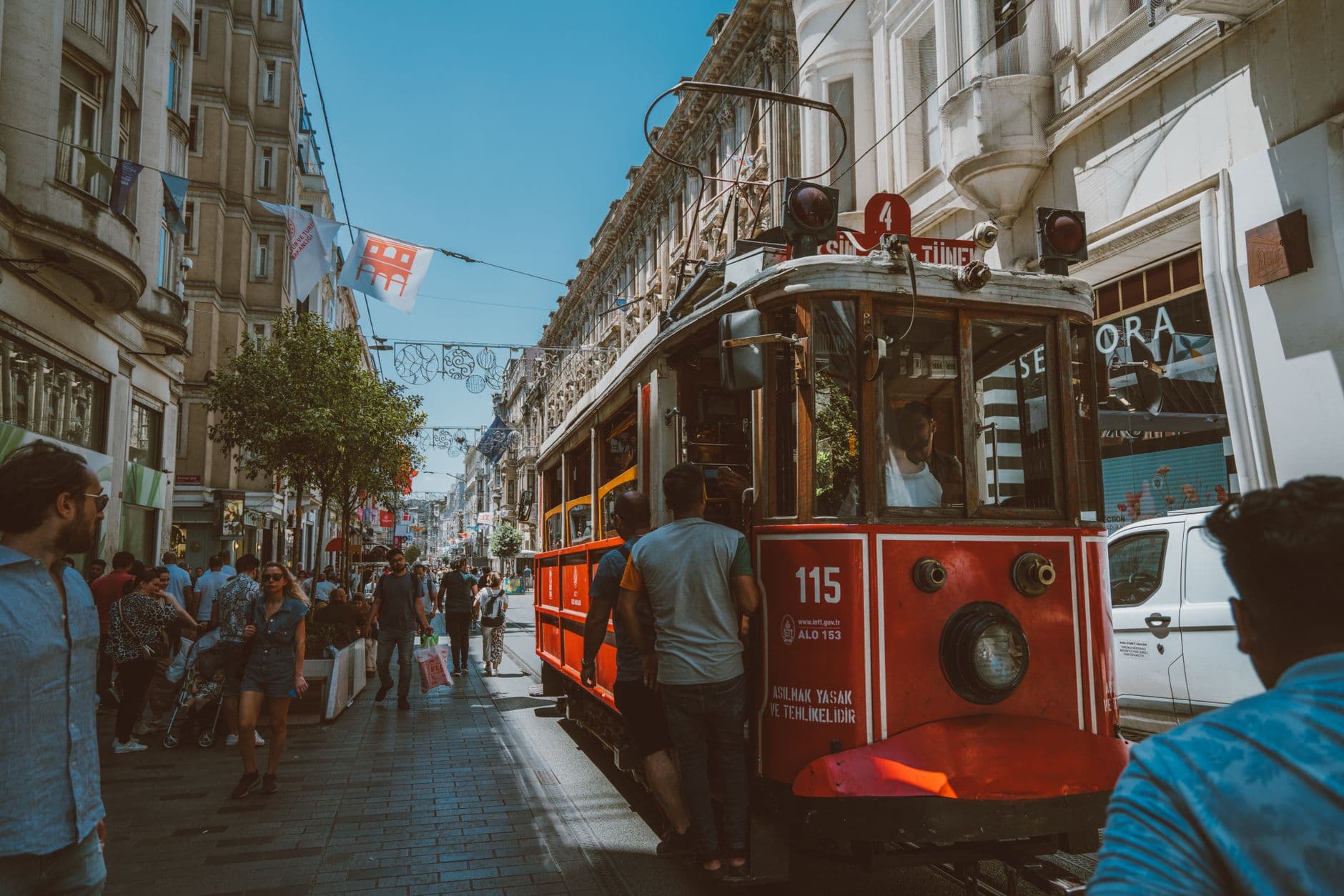
Start with the icon. The red-and-white nostalgic tram on İstiklal Caddesi, the pedestrian boulevard running from Taksim Square toward Tünel, has been clanging along since 1990 — a deliberate revival of the city's original tram era. It is short, slow, permanently crowded with photographers, and absolutely essential. Hop on near Taksim, ride a few stops, and step off into the side streets of Beyoğlu for tea.
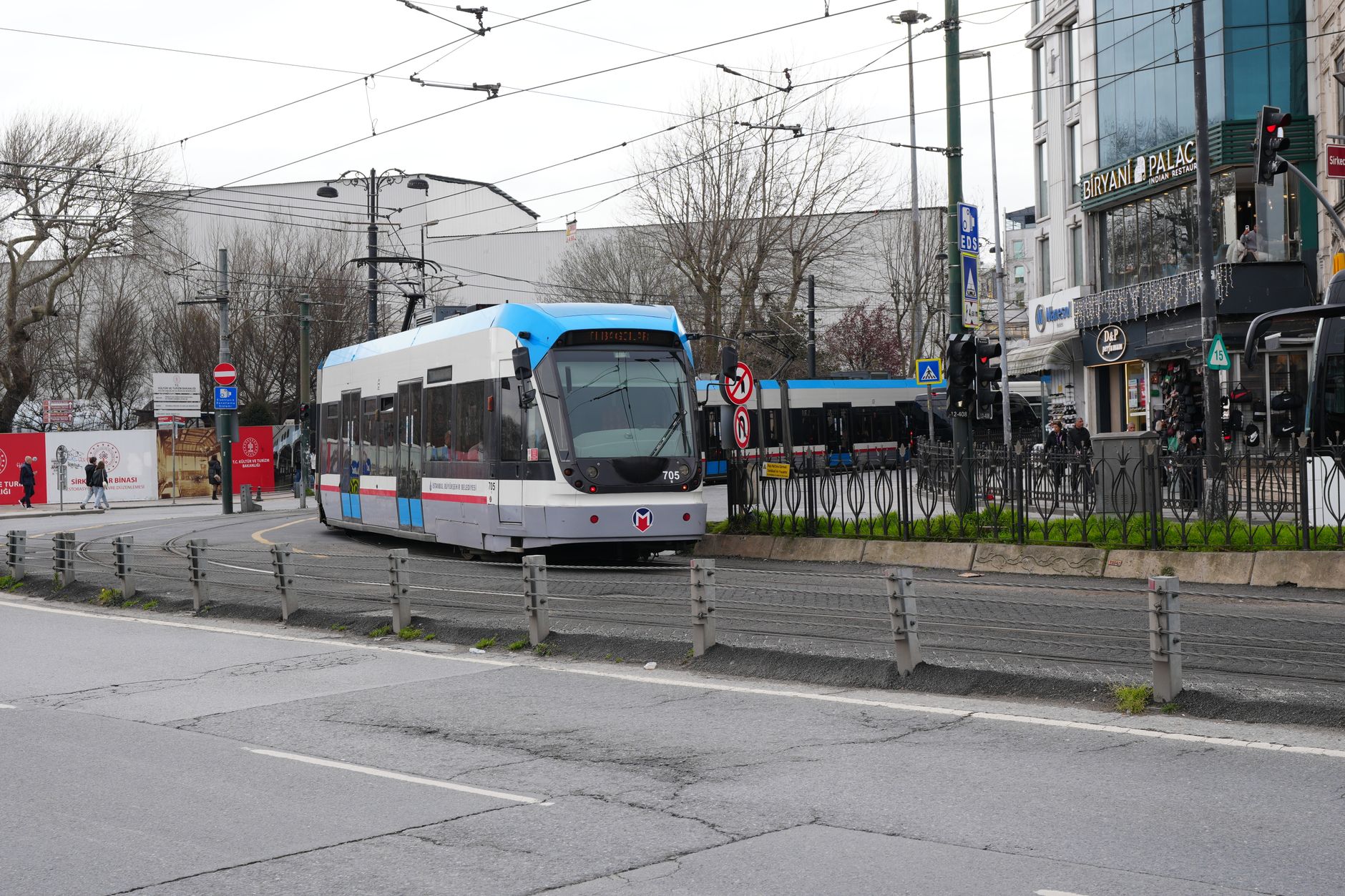
At the Tünel end you can connect to the world's second-oldest underground funicular, which whisks you down to Karaköy and the water. From there, the modern T1 tram line is the traveller's workhorse: it threads through Eminönü, past the Spice Bazaar, along the walls of Topkapı Palace and out to Sultanahmet, Beyazıt and beyond. If you are planning your first visit, our travel guides pair these stops neatly with the big sights.
The T1 is also a moving viewpoint. Sit on the right side heading west and you catch glimpses of the Golden Horn and the domes stacking up behind Sirkeci. On the Asian side, the T3 nostalgic loop in Kadıköy circles the lively Moda neighbourhood on a charming little heritage line — quieter than İstiklal, and a favourite with families.
Payment is simple: an Istanbulkart, the reloadable transit card, covers trams, metro, ferries and buses. Buy one from machines at major stops, top it up, and tap in. Single rides are cheap, and a card quickly pays for itself. For a deeper breakdown of cards and passes across the country, see our travel tools page.
İzmir: Waterfront Gliding on the Konak Tram
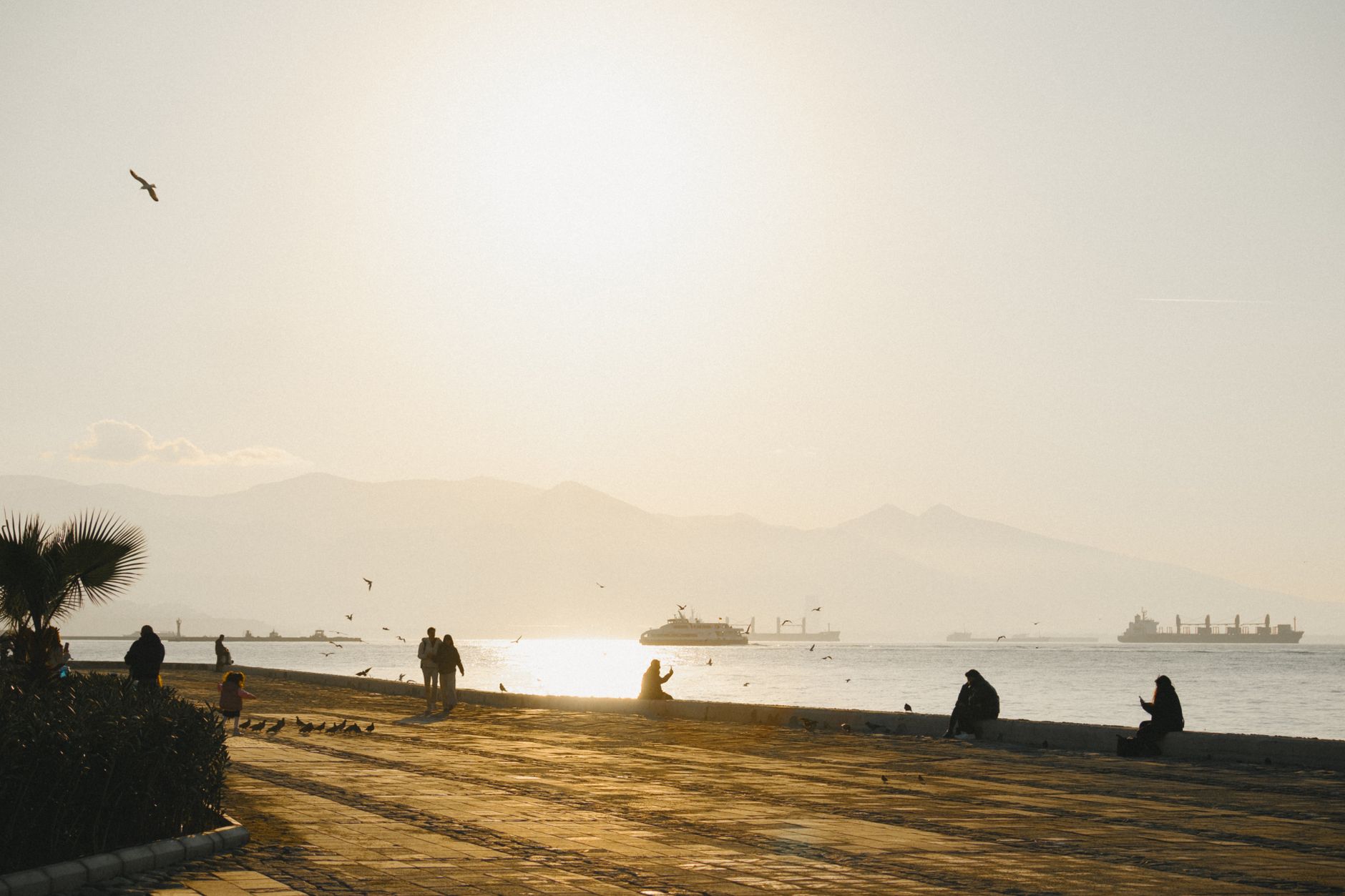
İzmir's tram network is younger and sleeker, but it has already become part of the city's identity. The Konak Tram runs along the Kordon — the breezy waterfront promenade — connecting Alsancak, the clock tower at Konak Square, and the lively Karataş quarter. Riding it at sunset, with the Aegean glinting on one side and palm trees on the other, is one of the great inexpensive pleasures of the Aegean coast.
The cars are modern, air-conditioned and frequent, which makes them a comfortable way to cover ground on hot afternoons. A second line, the Karşıyaka Tram, loops through the northern district and its car-free streets, crossing the bay by ferry connection. Together they give visitors a genuinely usable spine for a city that can feel spread out on foot.
Payment uses the İzmirim Kart, available from kiosks and machines at stops. Tap on, tap off, and keep the card — it works on ferries and the metro too. If you are building a longer Aegean itinerary, our best time to visit guide helps you pick the season when waterfront rides are at their most pleasant.
Antalya: The Little Antique Tram of Kaleiçi
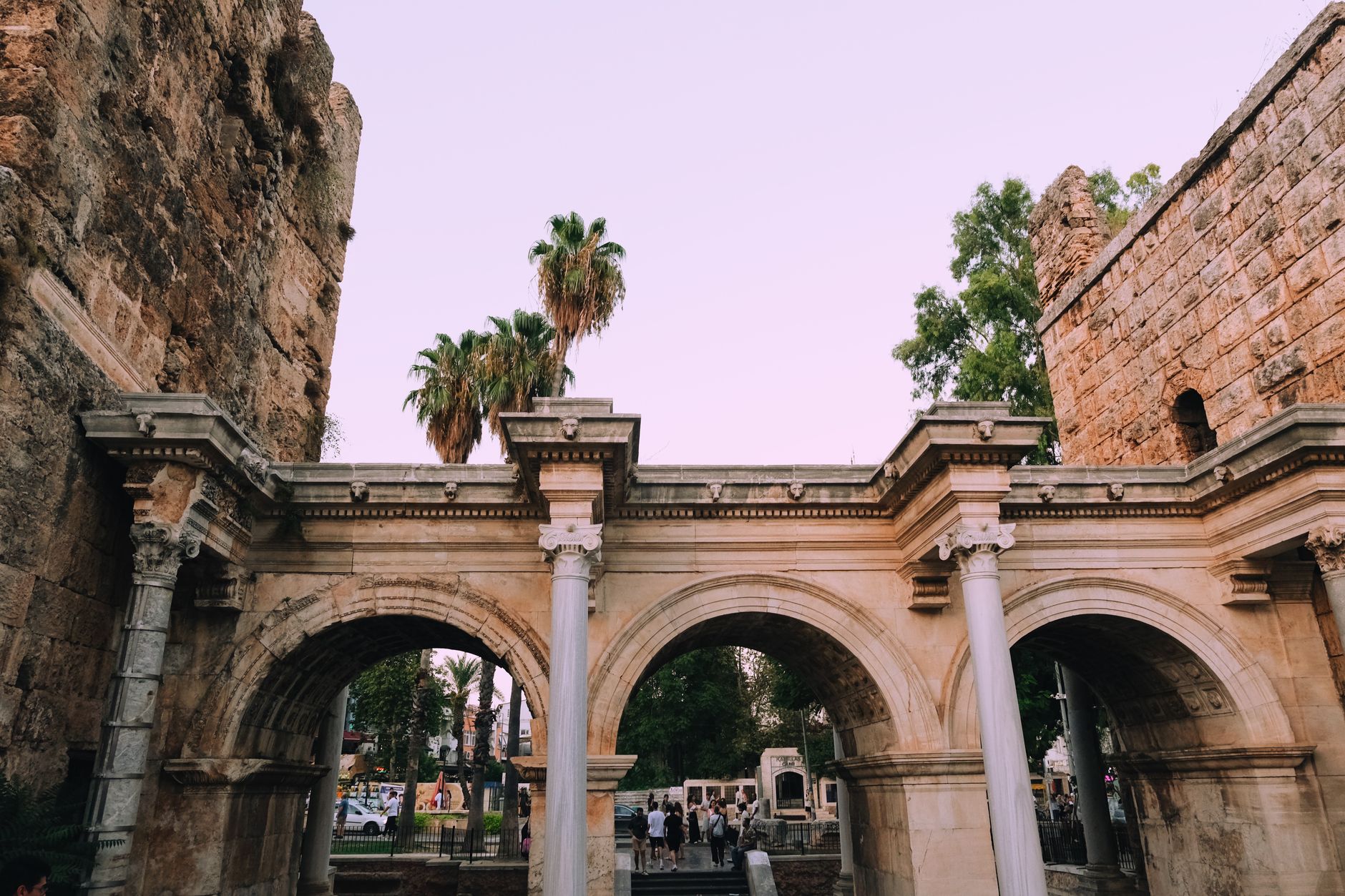
Antalya's nostalgia tram is a delight: a small, open-sided heritage-style vehicle that trundles along a loop past Hadrian's Gate, the old harbour quarter of Kaleiçi, and the palm-lined avenues nearby. It is not fast. It is not trying to be. It exists so that the ride itself is the point.
Because the route brushes right up against the Roman-era gate and the Ottoman houses of the old town, it is a superb orientation tool on your first morning. Ride the full loop once, note the corners you want to return to, then walk them properly. The modern Antray light rail system, meanwhile, connects the airport, bus station and beach suburbs — handy if you are arriving by air and heading straight to your hotel.
Antalya's transit card covers both systems, and single rides are inexpensive. Our destinations section has more on how the Mediterranean coast fits into a wider Turkish trip.
How to Pay: Cards, Apps and the Tap-In Rhythm
Each Turkish city has its own transit card, and this is the single most useful thing to know before you arrive. Istanbul uses Istanbulkart, İzmir uses İzmirim Kart, Antalya uses AntalyaKart, and other cities such as Bursa and Konya have their own equivalents. They are not interchangeable, but they are all cheap, reloadable and sold at machines or kiosks near major stops.
Tap in as you board. On some systems — particularly İzmir — you also tap out, so do not forget or you may be charged a maximum fare. Contactless bank cards work on some newer systems but not reliably everywhere, so carrying a local card is the safest habit.
- Buy your card at the first major station you reach; machines accept cash and often cards.
- Top up in small amounts; fares are low and cards rarely expire quickly.
- Keep the card as a souvenir if you like — many travellers do.
- Check operating hours; most lines run late but not all night.
For a printable checklist of what to pack and prepare, our trip planner is a good companion.
Photo Stops Worth Planning Around
Trams are photogenic by nature, but a few spots are exceptional. In Istanbul, the curve of İstiklal near the Galatasaray High School, with the red tram emerging between ornate facades, is the classic shot. Arrive early morning to avoid the densest crowds. In İzmir, the Kordon at golden hour — tram, palms and sea in one frame — is hard to beat.
In Antalya, position yourself near Hadrian's Gate as the little tram passes the stone arches; the contrast of ancient masonry and colourful carriage is the postcard image of the city. In Kadıköy, the Moda loop offers quieter, more residential scenes, with laundry lines and cats often stealing the show.
Respect the ride, too: trams are working transport, not fairground attractions. Keep clear of doors, do not block aisles for a selfie, and give up seats willingly. Locals will appreciate it, and you will get better photos anyway. Our gallery shows the kind of scenes you can expect to capture.
Why This Matters: A Quiet Public Transport Success Story
Twenty years ago, many Turkish cities were dominated by traffic and crowded buses. Today, trams are back — not as museum pieces but as real, everyday infrastructure, complemented by metro lines, ferries and bike-sharing. The nostalgia tram is the charming face of a much bigger, genuinely impressive effort to make cities easier to move through.
For visitors, that means something practical and lovely: you can see a great deal of a Turkish city for very little money, without a car, while watching daily life unfold at window height. It is slow travel in the best sense.
So buy a card, find a window seat, and let the bell ring. For more inspiration on where to go next, browse our blog, and if you want a hand shaping the trip, our local experts are happy to help.
Thinking about a trip to Turkey?
Share your contact details and a vetted local expert will follow up with a plan built around you — free, no obligation.