

The Timeless Appeal of Turkish Tramways
There's something undeniably magical about the clang of a tram bell echoing through a historic Turkish street. In a country where high-speed trains and metro systems are rapidly modernizing, the vintage tramways of Istanbul, Izmir, and other cities offer a charming counterpoint—a slow, romantic way to travel that feels like stepping into a bygone era. These nostalgic rides are not just relics; they are living pieces of urban heritage, lovingly restored and still running on many of the same routes they served a century ago.
For travelers, hopping aboard a historic tram is one of the most affordable and delightful ways to sightsee. For the price of a single transit ticket, you can glide past Ottoman palaces, bustling bazaars, and waterfront promenades, all while soaking in the atmosphere of a city that effortlessly blends old and new. Whether you're a history buff, a photographer, or simply someone who loves the idea of a leisurely ride, Türkiye's tramways promise an experience that's as memorable as it is photogenic.
In this guide, we'll explore the best vintage tram lines across Türkiye, share practical tips on fares and routes, and reveal the top photo spots to capture that perfect nostalgic shot. So grab a seat by the window—our journey begins now.
Istanbul's Nostalgic Trams: A Ride Through History
Istanbul is home to two of the most iconic vintage tram lines in the world: the T2 on the European side and the T3 on the Asian side. The T2, often called the "Nostalgic Tram," trundles along the famous İstiklal Avenue from Taksim Square to Tünel. This 1.6-kilometer route is a living museum, passing elegant 19th-century buildings, consulates, churches, and synagogues. The red-and-white tram, built in the 1920s and restored to pristine condition, moves at a leisurely pace, allowing you to hop on and off as you explore the boutiques, cafés, and street musicians that line the avenue.
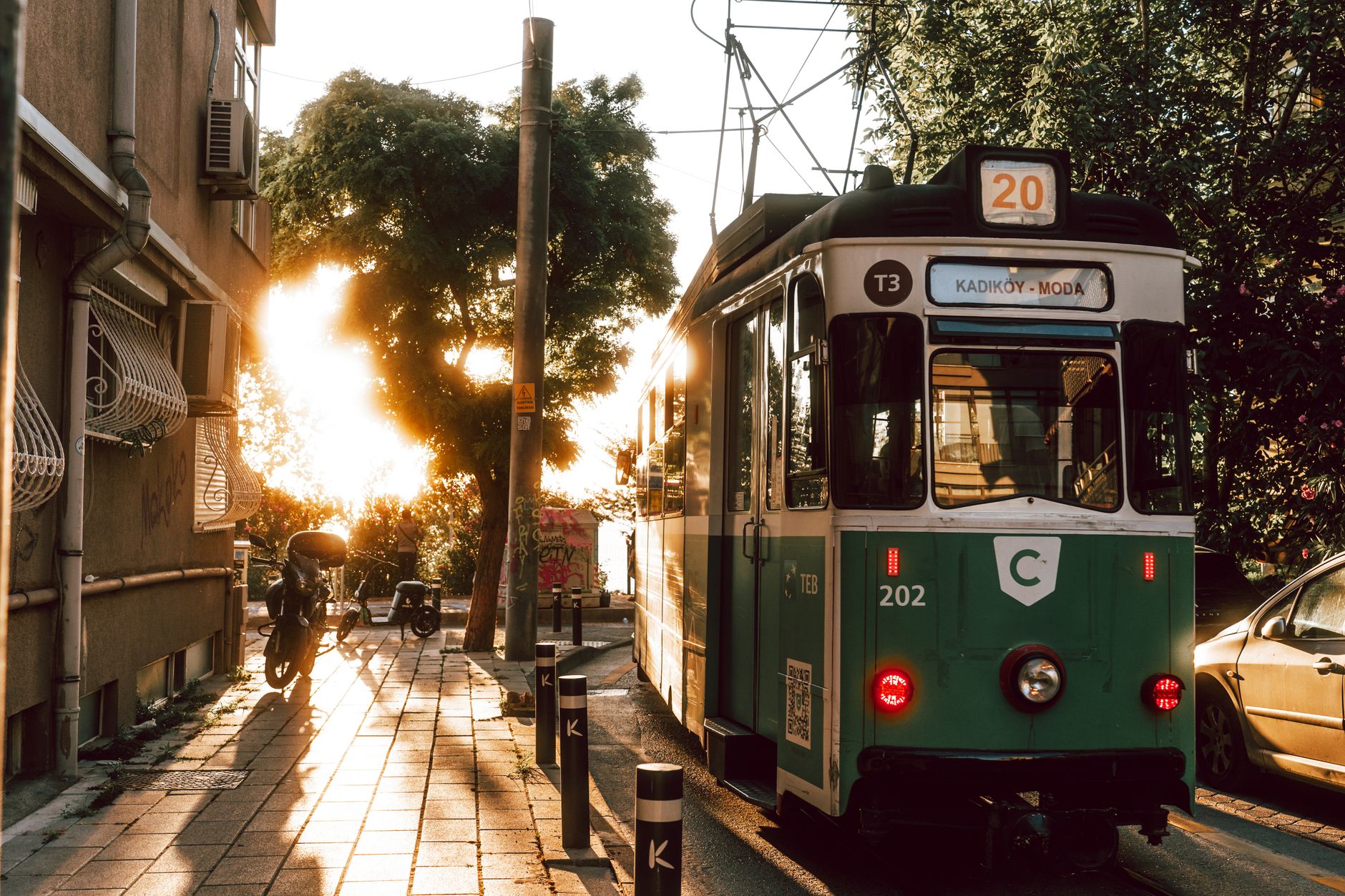
Across the Bosphorus, the T3 tram on the Asian side weaves through the charming neighborhood of Kadıköy. This circular route takes you past the bustling Kadıköy Market, the serene Moda Park, and the waterfront, offering a glimpse into local daily life. The tram itself is a delight—a small, wooden-bodied vehicle that looks like it belongs in a storybook. Both lines are operated by Istanbul Metropolitan Municipality and are integrated into the city's public transit system, making them incredibly easy and cheap to use.
For the best experience, ride the T2 in the early morning or late afternoon when the light is golden and the crowds are thinner. On the T3, hop off at Moda to enjoy a çay (Turkish tea) by the sea. These rides are not just transportation; they are time machines that connect you to Istanbul's cosmopolitan past.
Izmir and Beyond: Vintage Trams Along the Aegean
Izmir, Türkiye's third-largest city, boasts its own nostalgic tram line along the Kordon waterfront. The Karşıyaka Tram, opened in 2017, may be modern, but it pays homage to the city's tram history with a vintage-inspired design. It glides along the palm-lined promenade, offering stunning views of the Aegean Sea and the opportunity to explore the vibrant Karşıyaka district. For a truly historic ride, head to the Alsancak neighborhood, where you can still see remnants of the old tram tracks that once crisscrossed the city.
Other Turkish cities are also embracing their tramway heritage. In Antalya, the nostalgic tram (AntRay) connects the old town of Kaleiçi with the modern city, though it's more modern than vintage. In Bursa, the T1 tram line offers a scenic ride through the city center, passing Ottoman-era mosques and markets. And in Eskişehir, a city known for its youthful vibe, the nostalgic tram on Porsuk Boulevard is a favorite among locals and visitors alike, especially during the evening when the riverbanks come alive with lights and music.
These tramways are more than just tourist attractions; they are integral to the urban fabric, used daily by residents to commute, shop, and socialize. Riding them gives you an authentic slice of Turkish life that you won't find on a tour bus. Plus, with fares often less than a dollar, they are the ultimate budget-friendly way to see the sights.
Practical Tips for Riding Turkish Tramways
Before you hop aboard, here are some essential tips to make the most of your tram adventure. First, fares: In Istanbul, you'll need an Istanbulkart, a rechargeable smart card that works on trams, metros, buses, and ferries. A single ride costs around 15 TL (as of 2026), which is a bargain. You can buy the card at vending machines near major tram stops. In Izmir, the İzmirim Kart works similarly. Always validate your card when boarding to avoid fines.
Routes: The T2 in Istanbul runs from Taksim to Tünel, with stops at Galatasaray High School and the Galata Tower area. It operates daily from early morning until around 10 PM. The T3 in Kadıköy runs in a loop from Kadıköy to Moda and back, every 10-15 minutes. In Izmir, the Karşıyaka Tram runs along the coast from Alaybey to Bostanlı. Check local schedules as they can vary seasonally.
Best times: To avoid crowds, ride during off-peak hours—weekday mornings or early afternoons. Weekends can be busy, especially on İstiklal Avenue, but the lively atmosphere is part of the fun. For photography, the golden hour (just before sunset) offers the best light, casting a warm glow on the tram and its surroundings. Also, keep in mind that trams can be standing-room only during rush hour, so if you want a seat, plan accordingly.
Accessibility: Most vintage trams are not wheelchair accessible due to their historic design. If you have mobility concerns, consider the modern tram lines instead, which are fully accessible. Also, be prepared for a bumpy ride—these old vehicles have character!
Capturing the Perfect Shot: Top Photo Spots
Türkiye's tramways are a photographer's dream. Here are the best spots to snap that perfect Instagram-worthy photo. In Istanbul, the classic shot is the T2 tram passing in front of the Galata Tower. Position yourself on the slight hill of İstiklal Avenue near the Galatasaray Lisesi, and wait for the red tram to trundle by with the tower looming behind—a quintessential Istanbul image. Another favorite is the T3 tram in Kadıköy, especially near the Kadıköy Market, where the colorful produce stalls provide a vibrant backdrop.
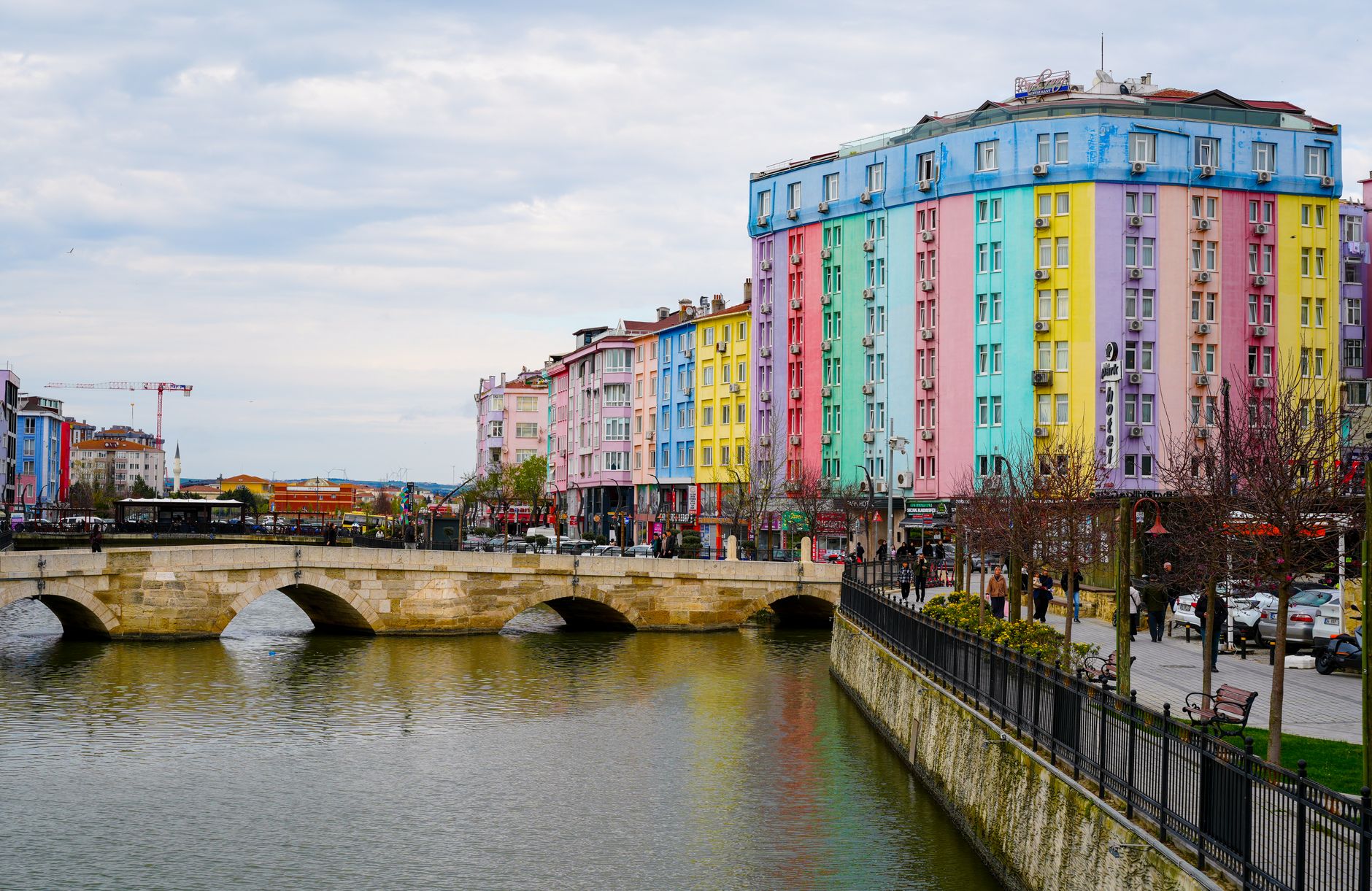
In Izmir, head to the Kordon waterfront at sunset. The Karşıyaka Tram gliding along the promenade with the sea and palm trees creates a postcard-perfect scene. For a more historic feel, visit Alsancak and capture the old tram tracks embedded in the cobblestone streets, perhaps with a vintage tram passing by if you're lucky. In Eskişehir, the Porsuk River with its bridges and the nostalgic tram makes for a romantic evening shot, with reflections shimmering on the water.
Pro tip: Use a slower shutter speed to capture the motion of the tram, or shoot from a low angle to emphasize its vintage details. And don't forget to put your camera down occasionally—sometimes the best memories are made just by soaking in the ride.
Why Tramways Are the Heart of Turkish Cities
Beyond their practicality, tramways hold a special place in the hearts of Turkish people. They represent a continuity between the Ottoman past and the modern republic, a symbol of urban progress that respects tradition. When you ride a nostalgic tram in Istanbul, you're sharing the same experience as generations before you—poets, artists, and everyday commuters who have all listened to that same familiar clang.
Moreover, these trams are a testament to Türkiye's commitment to sustainable and accessible public transportation. They reduce traffic congestion, lower emissions, and provide an affordable mobility option for all. In a world where cities are constantly racing forward, Türkiye's tramways remind us to slow down and appreciate the journey.
So next time you're in Türkiye, skip the taxi and take the tram. Let the rhythm of the rails guide you through bustling bazaars, serene waterfronts, and historic neighborhoods. It's not just a ride—it's a story, and it's waiting for you to be part of it.
Thinking about a trip to Turkey?
Share your contact details and a vetted local expert will follow up with a plan built around you — free, no obligation.