

The Heartbeat of Rural Türkiye: Why Village Weddings Matter
In the villages scattered across Anatolia, a wedding is never just a wedding. It is the entire community's declaration of joy, a multi-day festival that transforms quiet streets into stages of music, dance, and feasting. For travelers lucky enough to witness or, better yet, be invited to one, it is an unforgettable immersion into the soul of Turkish hospitality. The celebration often begins days before the official ceremony, with women gathering to bake baklava and prepare dolma, while men set up long tables under strings of colorful lights. Everyone contributes—not because they must, but because sharing in a neighbor's happiness is a sacred duty and a profound pleasure.
These weddings are not performances for tourists; they are living traditions passed down through generations. Yet the warmth extended to outsiders is genuine and immediate. If you find yourself in a village during a wedding, you are not a spectator—you are a guest of honor. The father of the groom might clasp your hand and lead you to the best seat. A grandmother might press a plate of gözleme into your palm. Children will tug you toward the dance circle. This is Turkish hospitality at its purest: unconditional, exuberant, and deeply respectful.
Understanding the rhythms of these celebrations offers a window into values that define rural Türkiye—respect for elders, love of family, and the belief that joy multiplies when shared. As a traveler, your presence is a compliment, and your willingness to participate is a gift. Approach with an open heart, and you will leave with memories that outshine any monument.
Music That Moves the Soul: From Davul-Zurna to Halay
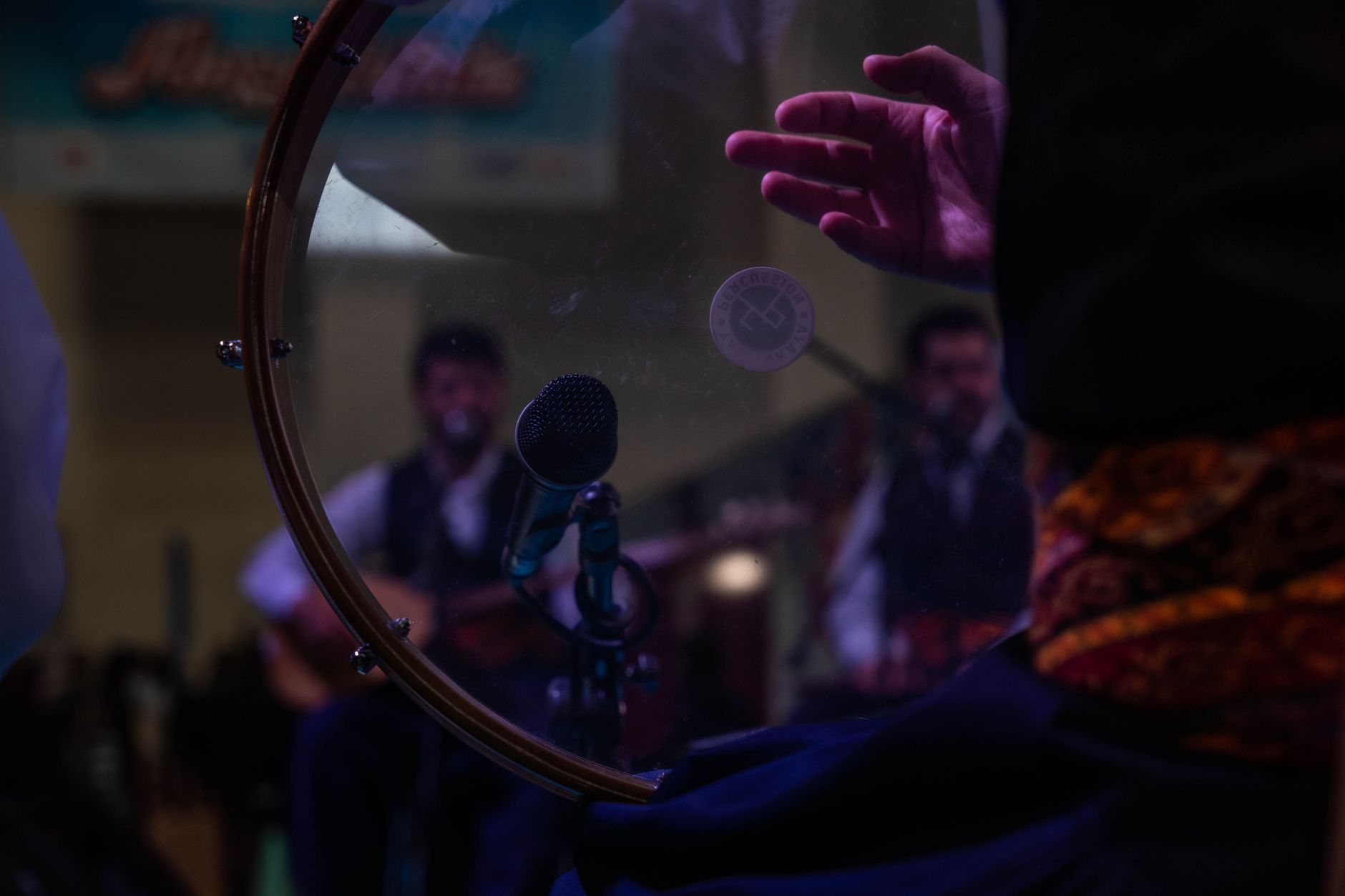
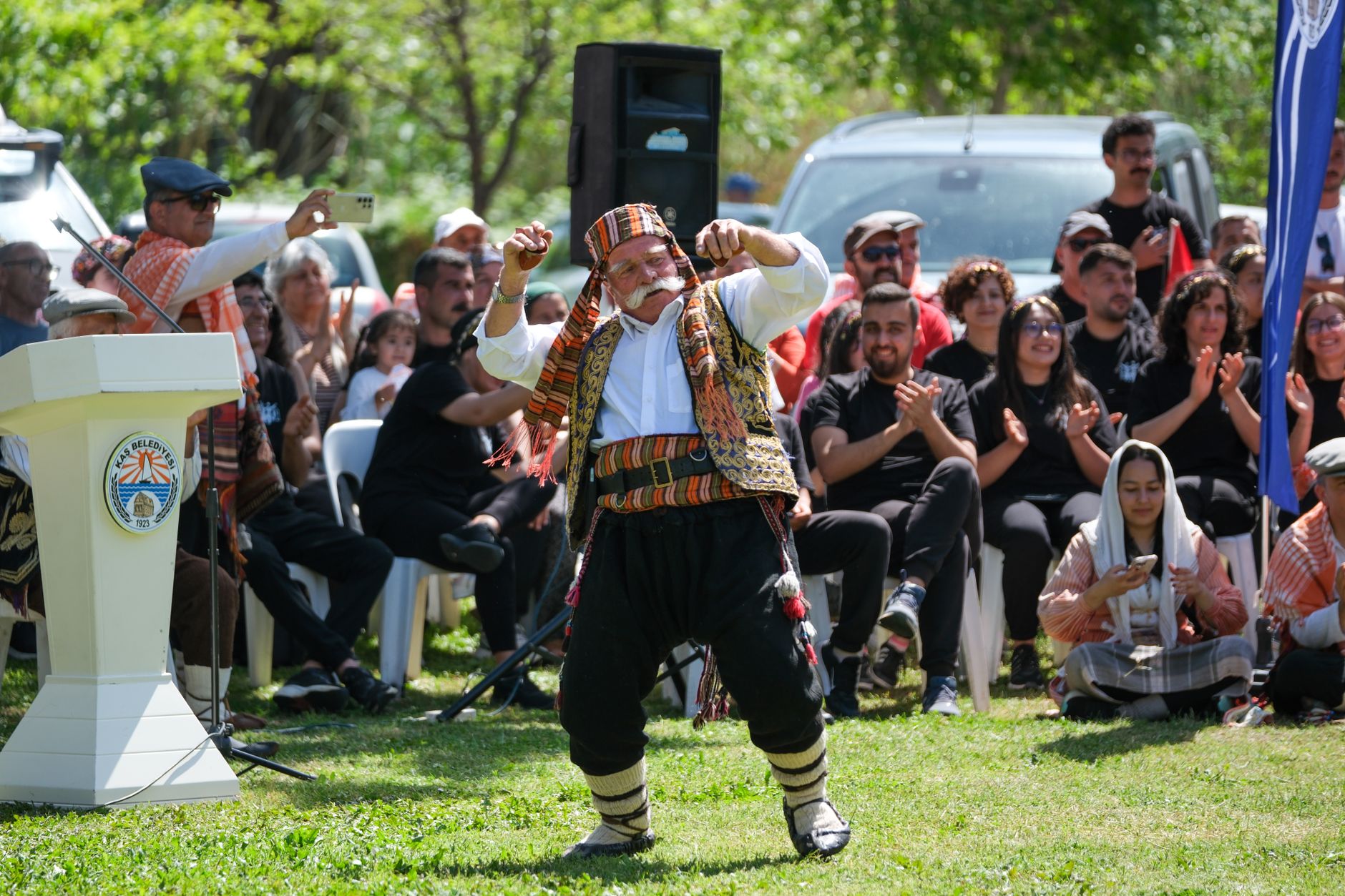
The soundtrack of a Turkish village wedding is impossible to ignore. The piercing call of the zurna (a double-reed wind instrument) and the thunderous beat of the davul (a large double-headed drum) announce the celebration to every corner of the valley. These two instruments form the traditional core of Anatolian wedding music, and their sound is designed to reach the heavens. As the rhythm builds, guests form a line or circle, linking pinkies or shoulders, and begin the halay—a communal folk dance that varies from region to region but always pulses with unity.
In the Aegean villages, you might hear the melodic strains of the bağlama (a long-necked lute) accompanying zeybek dances, where dancers spread their arms like eagle wings in a slow, dignified march. Along the Black Sea coast, the horon is a rapid, shoulder-shaking whirl that seems to defy gravity. No matter the style, the message is the same: everyone belongs. Elderly men and toddlers alike join the line, and no one cares if you miss a step. The point is participation, not perfection.
For visitors, the music is an invitation. Stand near the circle and tap your foot, and soon a smiling woman will extend her hand. Accept it. You will be guided through the steps with laughter and gentle encouragement. If you play an instrument, mention it—someone will surely fetch a bağlama or a darbuka for you to try. Music here is not a spectacle; it is a conversation, and your contribution, however humble, is welcomed.
"When the davul sounds, the heart answers. We dance not to show off, but to share our joy with God and with each other." — A village elder in Cappadocia
Feast of Generosity: The Food That Defines Celebration
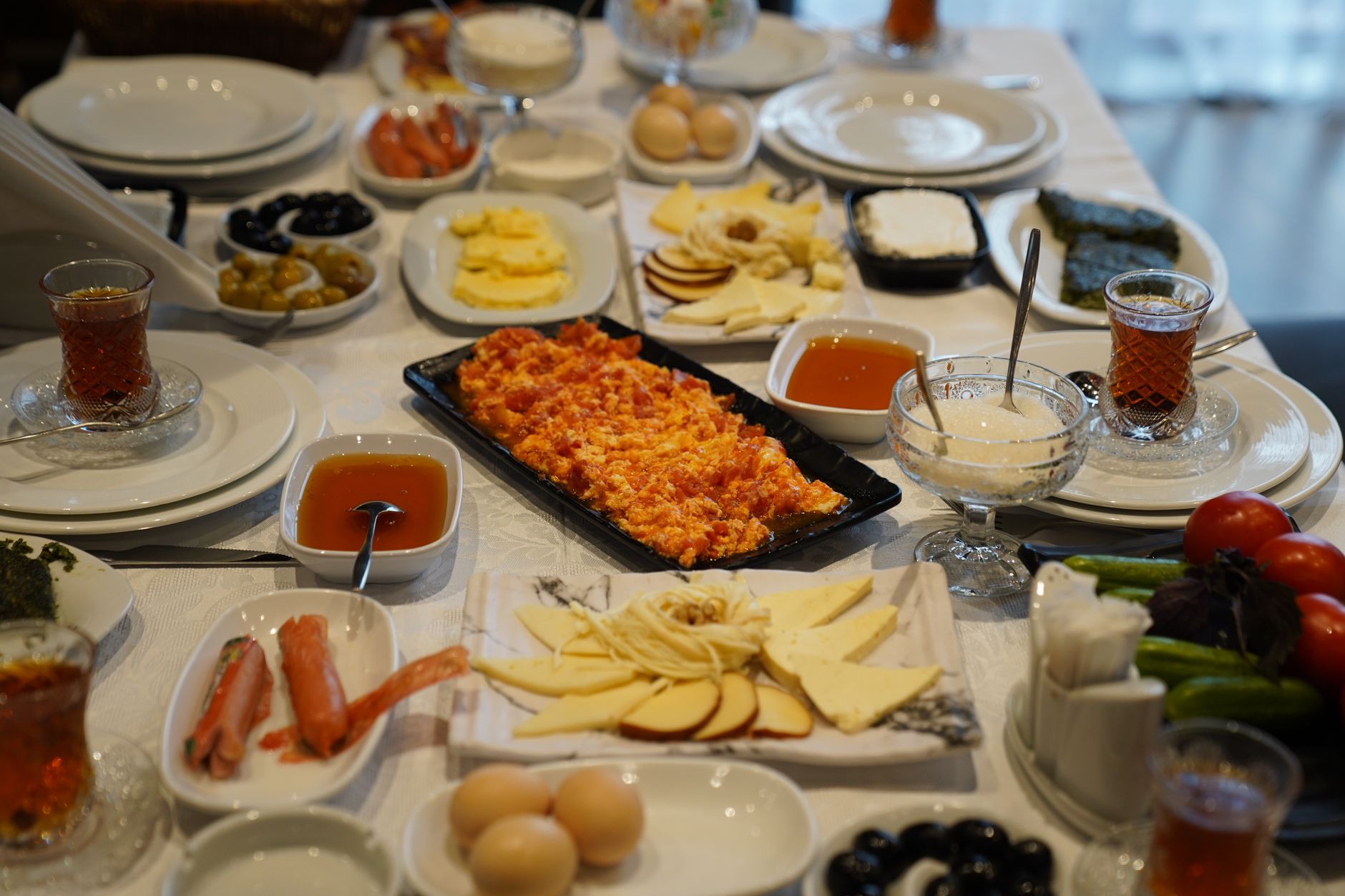
No Turkish wedding is complete without an abundance of food, and village weddings take this to extraordinary heights. Preparation begins days in advance. Neighbors bring their own ingredients and cooking skills, turning a backyard into a bustling open-air kitchen. The menu varies by region but always includes mountains of rice pilaf, slow-cooked lamb or chicken, fresh salads, yogurt-based mezes, and sweets like baklava, kadayıf, or helva. In some villages, a whole sheep is roasted on a spit, its aroma drawing hungry guests from afar.
What strikes visitors most is the sheer generosity. Plates are refilled before you realize they are empty. The host's greatest fear is that a guest might leave hungry. If you compliment a dish, you may find the recipe—or even the cook—offered to you. This is not ostentation; it is a cultural imperative. In rural Türkiye, feeding others is a way of honoring them, and sharing a meal is a form of prayer. As you eat, you are participating in a centuries-old ritual of community bonding.
For the traveler, the food is also a gateway to conversation. Ask about the spices in the içli köfte (stuffed bulgur balls), and you will hear stories of the family's history. Compliment the ayran (yogurt drink), and someone will explain how it is made from the family's own sheep. Every bite carries meaning. If you have dietary restrictions, mention them gently to your host—they will likely go out of their way to accommodate you, even creating a special dish. Refusing food outright can cause genuine distress, so accept at least a small taste of everything.
Rituals of Respect: Customs That Bind the Community
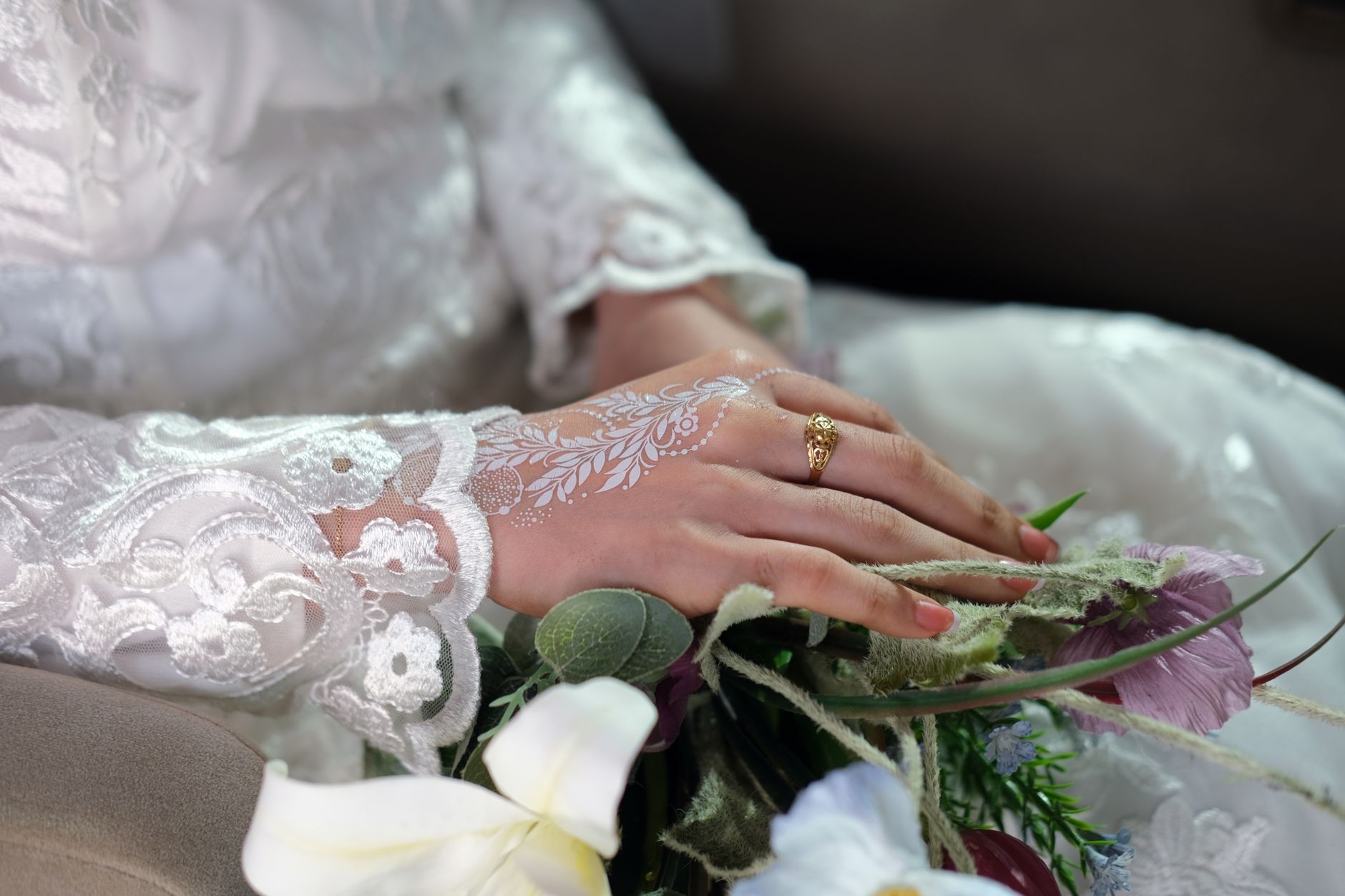
Turkish village weddings are rich with symbolic rituals that reflect deep-seated values. One of the most touching is the kına gecesi (henna night), held the evening before the wedding. The bride, dressed in a red velvet gown, sits in the center while female relatives sing mournful songs and apply henna to her palms. The henna symbolizes sacrifice and blessing, and the tears shed are a mix of joy and sorrow at leaving her family home. As a guest, you may be invited to witness this intimate ceremony. Observe quietly, offer your congratulations, and avoid taking flash photography unless given permission.
Another important custom is the presentation of gifts. In many villages, guests pin money or gold coins onto the bride and groom's clothing—a practice called takı. This is not just a gift; it is a public blessing and a practical way to help the young couple start their life. If you are invited to a wedding, bringing a small gift is appreciated. A modest envelope with cash is perfectly acceptable, as is a decorative item for the home. Present it to the groom's family or place it in the designated box.
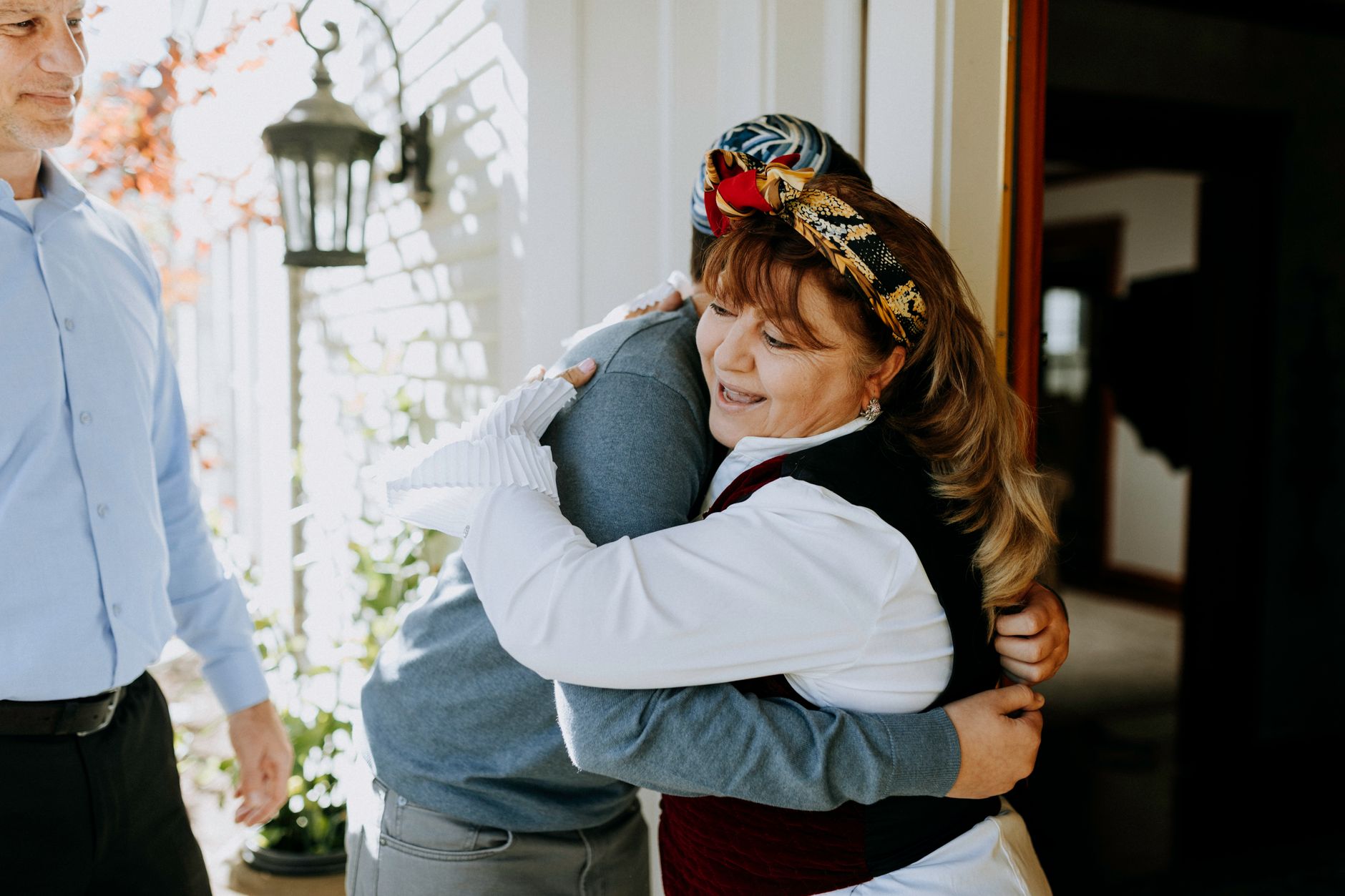
Respect for elders is paramount. When you enter a wedding gathering, greet the oldest person first, and use the traditional phrase "Merhaba" or "İyi günler" with a slight bow. If an elder offers you a seat, accept it graciously; refusing may be seen as disrespectful. Similarly, when dancing, do not turn your back to the elders or the bride and groom. These small gestures show that you honor the culture, and they will be noticed and deeply appreciated.
Etiquette Tips for the Fortunate Traveler
Being invited to a Turkish village wedding is a privilege, and a few simple guidelines will ensure you are a welcome guest. First, dress modestly and comfortably. Women should cover their shoulders and knees, and a light scarf is useful for entering mosques or during certain rituals. Men should avoid shorts and sleeveless shirts. Leave flashy jewelry at home; the focus should be on the celebration, not on you.
Second, accept offers of food and drink with enthusiasm. Even if you are full, take a small portion and taste it. If you have allergies or dietary restrictions, explain them politely to your host, but try not to make a fuss. Third, participate in the dancing if invited. You do not need to know the steps—just follow the person in front of you and smile. Laughter and good humor are the universal language. Fourth, be mindful with photography. Always ask before taking close-up shots of people, especially women and children. A respectful request in Turkish, such as "Fotoğraf çekebilir miyim?" (May I take a photo?), will usually be met with a warm nod.
Finally, remember that weddings can last for hours, sometimes late into the night. Pace yourself, stay hydrated, and do not feel obligated to stay until the very end. When you decide to leave, thank your hosts sincerely and say "Allah razı olsun" (May God be pleased with you). Such phrases carry weight and show that you recognize the spiritual dimension of the celebration.
Beyond the Wedding: Celebrations Throughout the Year
Village celebrations are not limited to weddings. Throughout the year, communities gather for festivals tied to the seasons, harvests, and religious holidays. Hıdırellez, celebrated on the night of May 5th, marks the arrival of spring with bonfires, picnics, and wishes written on paper and tossed into the flames. Ramazan Bayramı (Eid al-Fitr) brings families together for three days of feasting and visiting, and strangers are often welcomed into homes for sweets and coffee. In the Black Sea region, the yayla festivals celebrate the migration to high mountain pastures with music, dance, and competitive sports.
If you travel through rural Türkiye in summer, you may stumble upon a düğün (wedding) or a şenlik (festival) in almost any village. Do not be shy—step closer, smile, and ask what is being celebrated. More often than not, you will be pulled into the festivities. These spontaneous encounters are the highlight of many travelers' journeys, offering a glimpse of a Türkiye that exists far from the tour buses and souvenir shops.
Ultimately, the joy of Turkish village celebrations lies in their inclusivity. They remind us that happiness is not a private possession but a communal treasure. As a visitor, you are not an outsider looking in; you are a thread woven into the fabric of the moment. Embrace it, and you will carry the warmth of Türkiye in your heart forever.
Thinking about a trip to Turkey?
Share your contact details and a vetted local expert will follow up with a plan built around you — free, no obligation.