
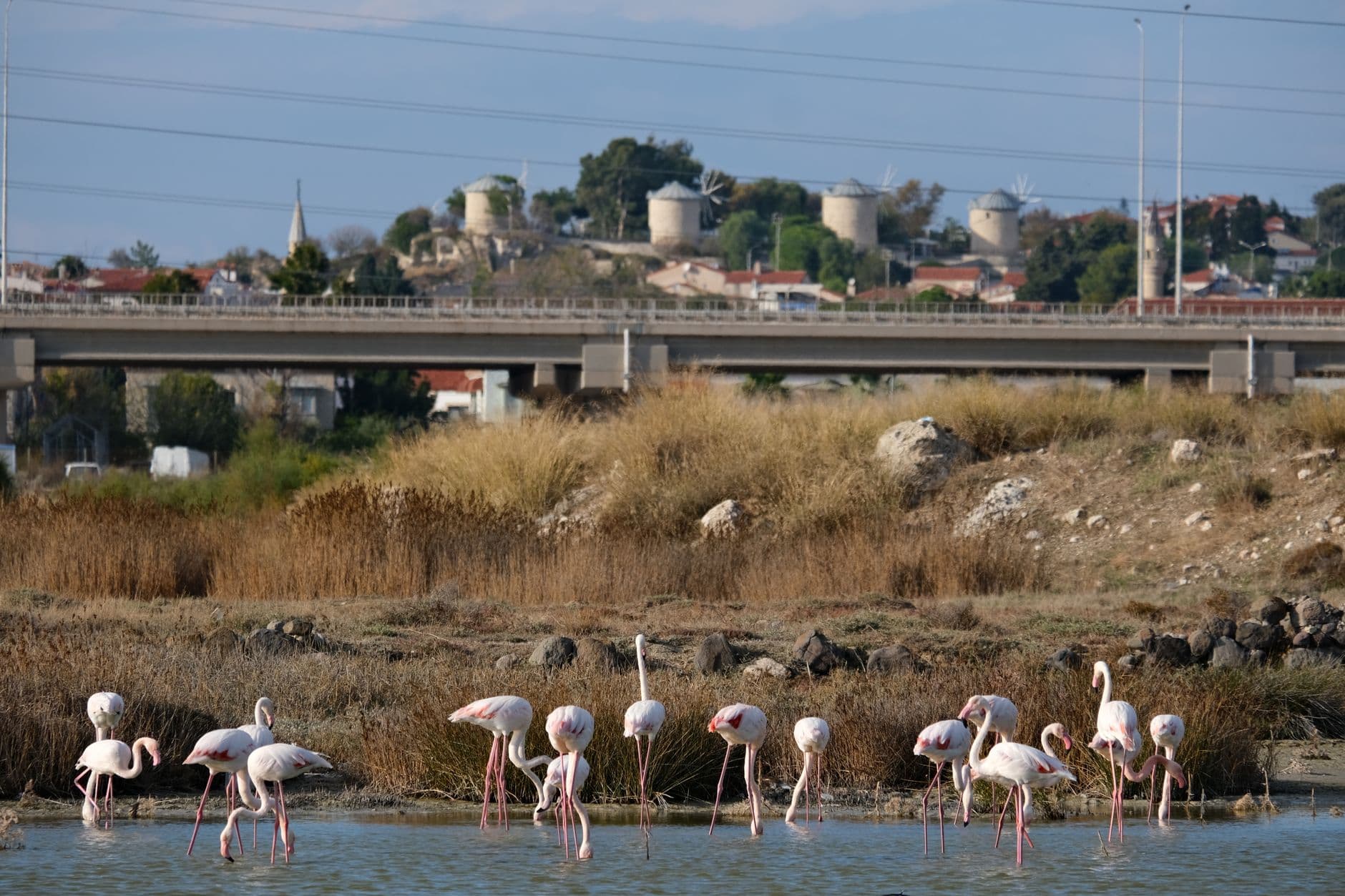
Why Türkiye Is a Brilliant — and Underrated — Winter Birding Destination
Ask most birders where they'd spend a winter week and you'll hear the same handful of names: the Netherlands, the Camargue, the Danube Delta. Türkiye rarely makes that list. It should. The country sits at the crossroads of the Palearctic and African flyways, and its long, mild coastline means that wetlands which freeze solid further north stay open and productive all winter. From November through February, tens of thousands of waterfowl pour into Türkiye's lakes and deltas, joined by flamingos, Dalmatian pelicans, spoonbills, cormorants and a supporting cast of raptors that hunt the reed beds and mudflats.
What makes Türkiye especially appealing right now is how easy it is. You can fly into Istanbul or Izmir in the morning and be standing on a dike with a telescope by early afternoon. Winter is low season, so roads are quiet, guesthouses are affordable, and the light — soft, low and long — is exactly what photographers hope for. Add a strong culture of local bird guides and conservation groups who know their sites intimately, and you have a destination that rewards curiosity far beyond its modest reputation.
This isn't a trip that requires expedition logistics. It's a series of slow, rewarding days: a lakeshore at dawn, a delta at midday, a hot tea and a notebook in the afternoon. If you're already planning a wider trip, our best time to visit guide will help you slot a birding leg into a longer itinerary.
Manyas and Lake Kuş: The Waterfowl Capital of the South Marmara
Lake Manyas — also called Lake Kuş, literally "Bird Lake" — is one of Türkiye's oldest and most celebrated protected wetlands, sitting a couple of hours south of Istanbul near Bandırma. In winter the shallow lake and its surrounding reeds host enormous rafts of ducks and geese, alongside Dalmatian pelicans and, often, roosting flamingos in the calmer bays. The dedicated Kuş Cenneti reserve area has observation points and a small museum, and early morning access gives you the best chance of dense flocks before the birds spread out to feed.
The surrounding countryside is equally productive. Willow groves and irrigation channels hold woodpeckers and tits, while the fields between the lake and the coast attract harriers and the occasional wintering greater spotted eagle. A local guide is genuinely valuable here: the lake is large, the access points aren't obvious, and somebody who knows where the flocks moved after a cold night will save you hours of driving in circles.
Manyas pairs naturally with Istanbul. Take an early ferry or drive down, spend the morning at the lake, and you can be back on the Bosphorus for dinner. If you want to combine culture and birds, our route ideas show how to stitch this into a longer circuit without breaking your budget.
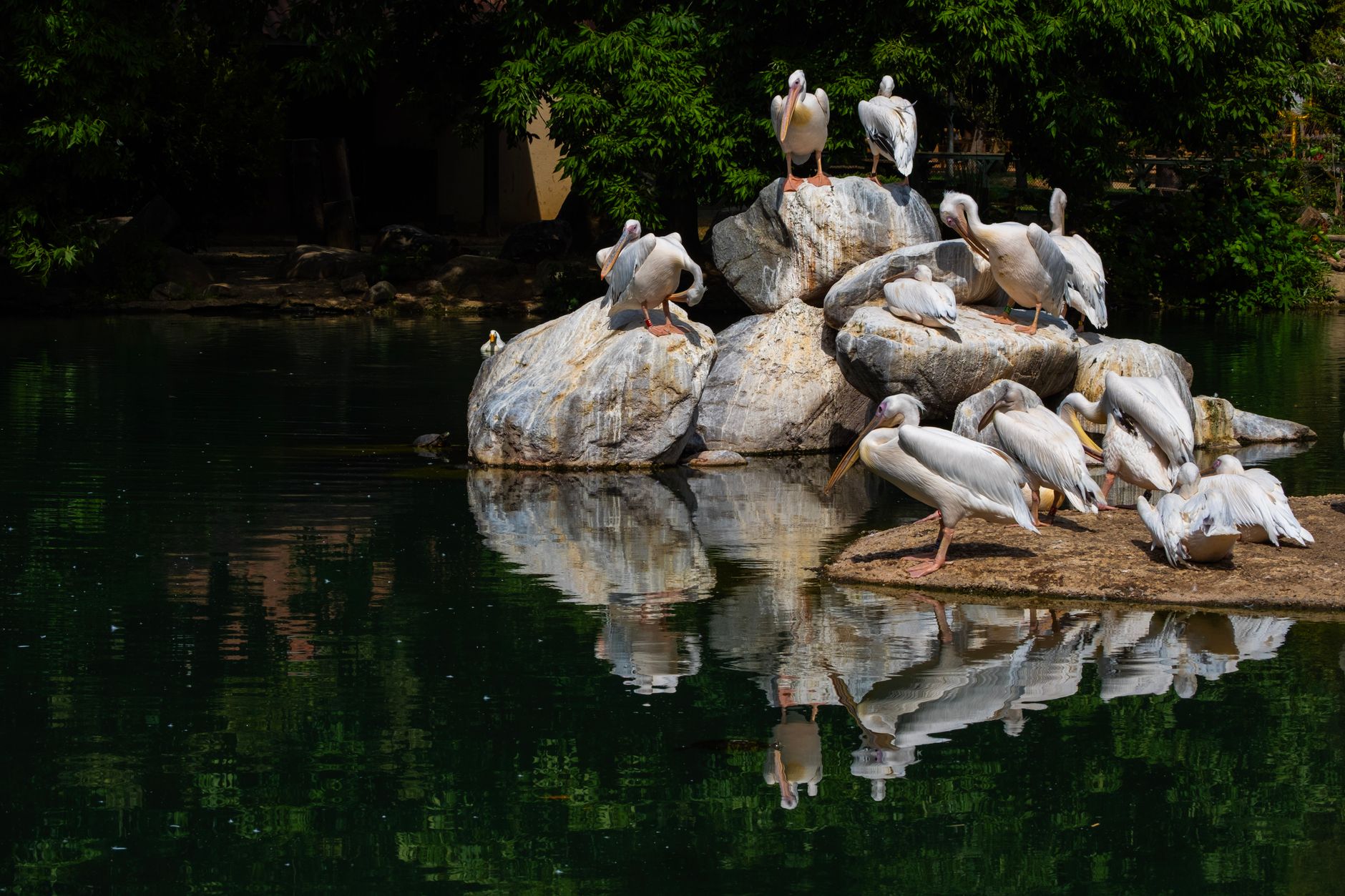
The Gediz Delta: Flamingos, Spoonbills and a Working Landscape
Just north of Izmir, where the Gediz River meets the Aegean, lies one of the most important wetland complexes in the eastern Mediterranean. The Gediz Delta is a mosaic of saltpans, lagoons, reed beds and mudflats, and in winter it hosts thousands of flamingos — a sight that never quite loses its impact, whether you're seeing a pink carpet from a distance or scattered birds stepping delicately through shallow water in front of you.
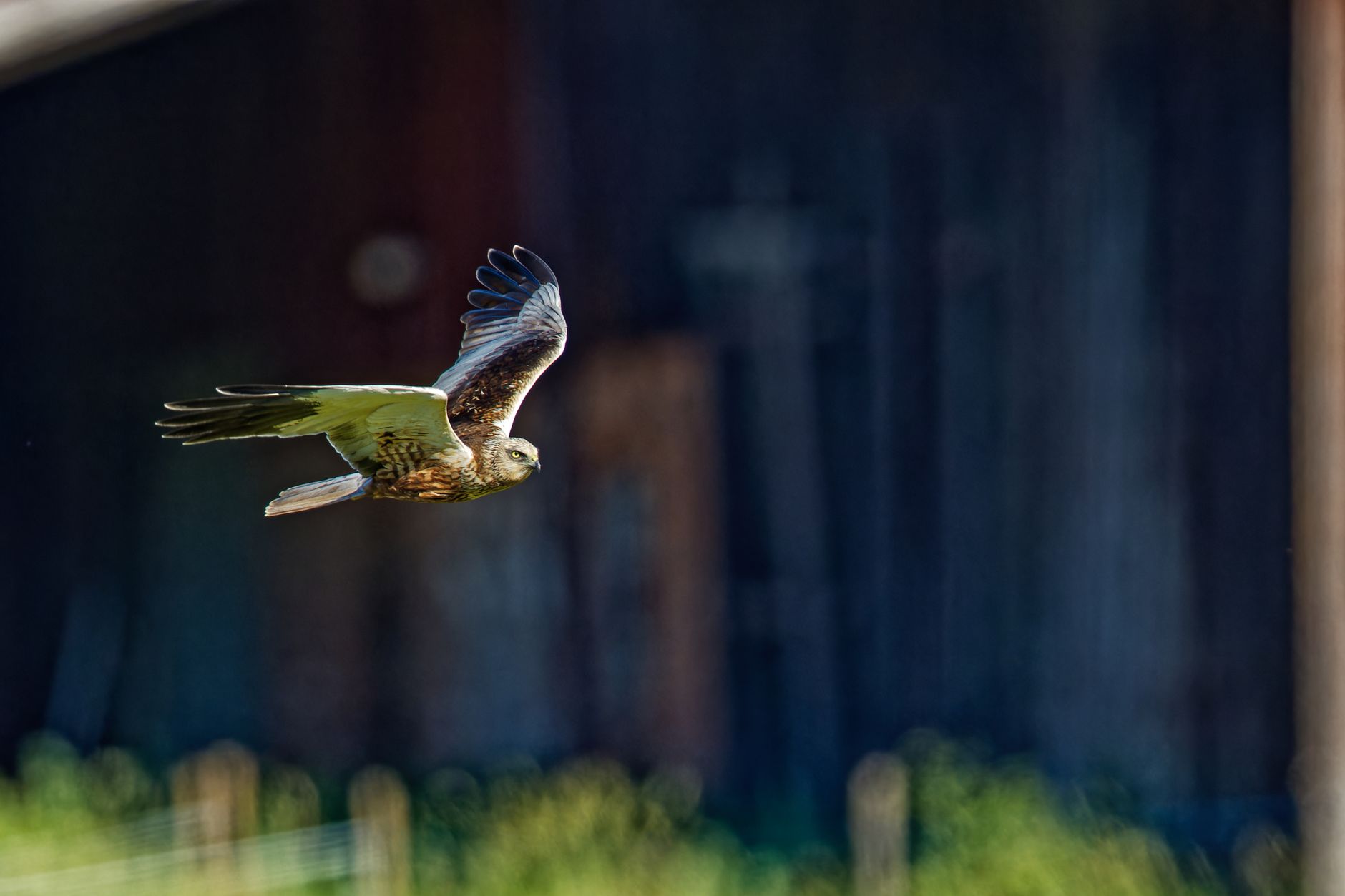
The delta's saltpans are also where you find avocets, black-winged stilts in small numbers, dunlin, curlew and other waders, while the reed edges and channels hold spoonbills, little egrets, great white egrets and kingfishers. Raptors are a constant presence: marsh harriers quartering at low level, kestrels on wires, and good chances of peregrine. Because this is a working landscape — salt production, fishing and farming all happen here — access is managed, and you should stick to marked paths and roads rather than walking into the pans.
Izmir is a superb base: cheap flights, good food and a direct road out to the delta. Birders with a spare day can continue south toward the Büyük Menderes delta and the Dilek peninsula for a very different habitat mix. Our destination guides cover the Aegean coast in more detail if you want to extend the trip.
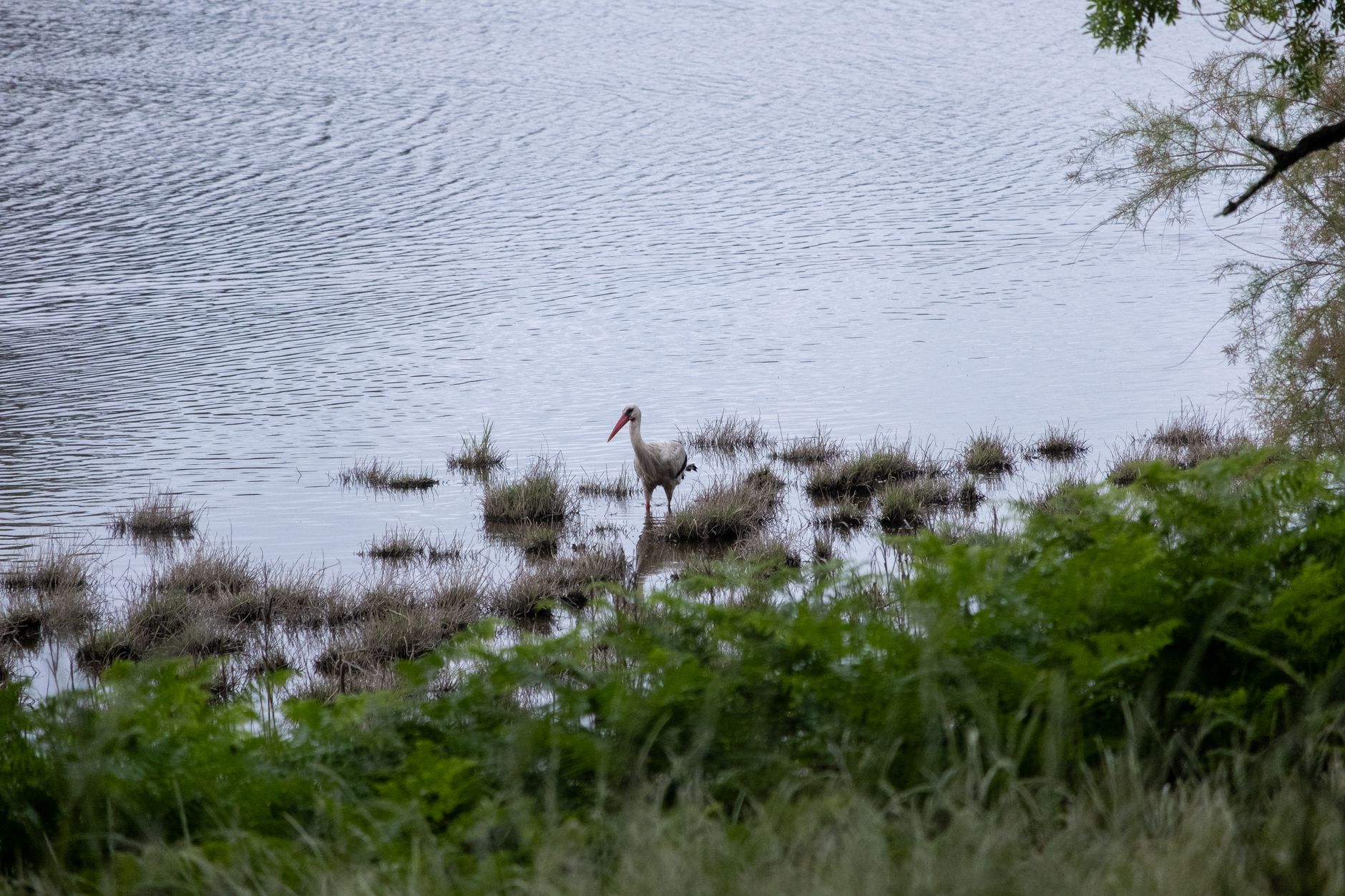
Central Anatolia: Lakes, Salt Flats and Winter Raptors
Not all of Türkiye's winter birding is coastal. The Central Anatolian plateau has its own character in the cold months, when lakes such as Tuz Gölü (the great salt lake south of Ankara) and the wetlands of the Konya basin attract huge numbers of waterfowl and, with them, some of the country's most sought-after raptors. White-tailed eagles, ruddy shelducks, and in good years magnificent numbers of flamingos, cranes and geese make these plains surprisingly alive.
This is harsher, more exposed country than the Aegean, but that is part of the appeal: vast skies, distant villages, and the sense of having a whole lake to yourself. Birding here rewards patience and a scope. Some plateau lakes partially freeze in January and February, which can concentrate birds into open water channels — spectacular, but also a reminder to keep your distance and not push birds to flush in freezing conditions.
Practical note: services are sparse, roads can be icy, and a local guide who knows the current water levels and access rules is close to essential. Plan your days around the light and the cold rather than trying to cover too much ground.
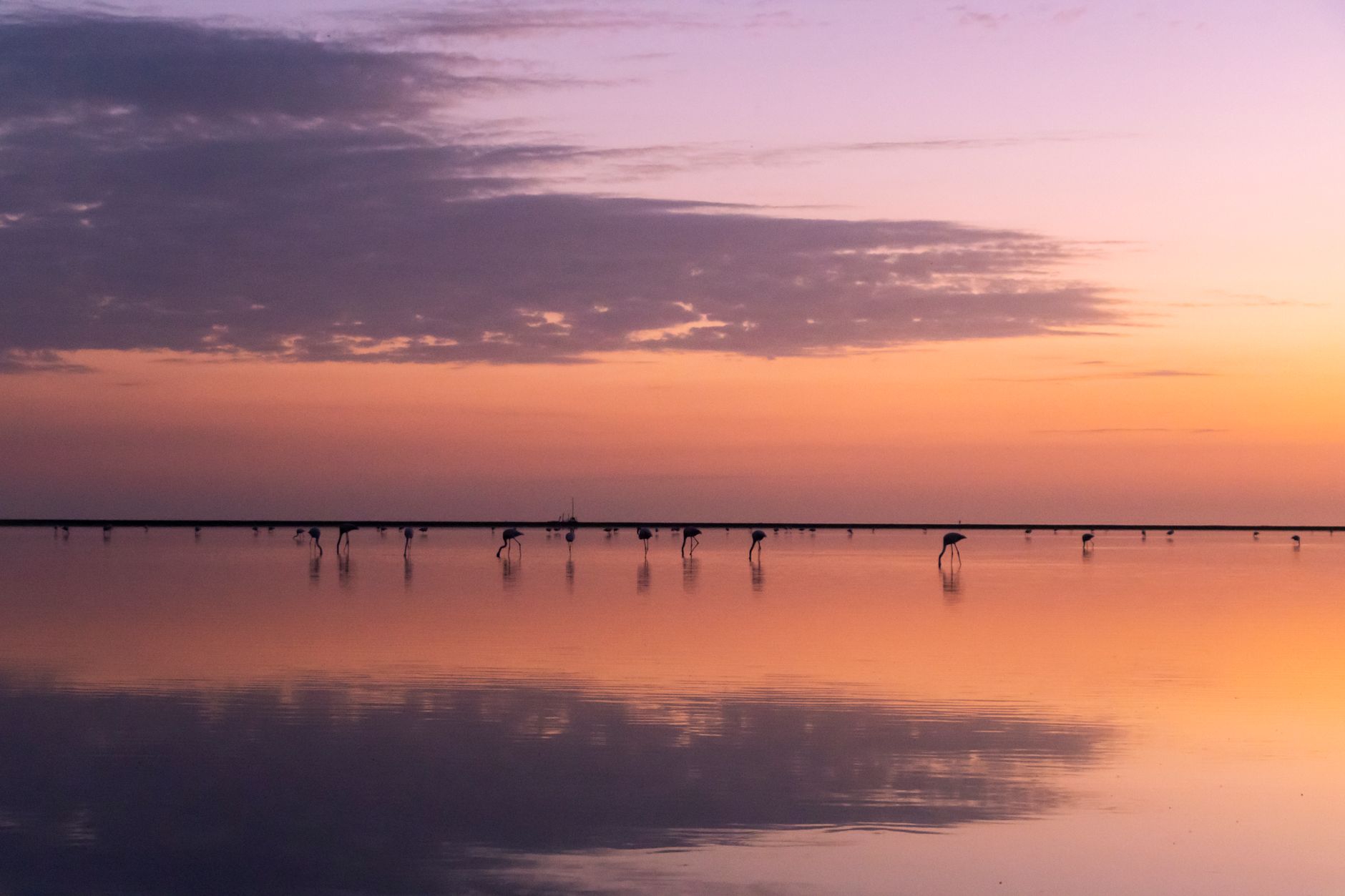
When to Go and How to Plan a Winter Birding Trip
November through February is the core season for wintering waterfowl, with December and January typically delivering peak numbers at the big lakes and deltas. Early November is often glorious — mild, quiet and already full of birds — while February brings the first stirrings of spring passage and longer days. The Bosphorus in autumn and spring is legendary for raptors and storks, but winter is when the lowland wetlands truly come into their own.
A realistic week might look like this: two nights near Manyas, a transfer south to Izmir with two or three days around the Gediz Delta, and a flexible final day either inland or coastal depending on weather and recent reports. Build in buffer — winter weather is changeable, and the best-laid plans should bend to what the birds are doing. Our itineraries and trip planner are useful starting points for shaping dates and distances.
Book accommodation outside national park boundaries where possible, eat locally, and consider hiring guides through established conservation-linked operators. Birding tourism is one of the strongest arguments local communities have for protecting these wetlands, so spending your money thoughtfully is part of the conservation story. See our local experts page for pointers on finding trustworthy guides.
Practical Gear and Fieldcraft for Turkish Wetlands
You don't need exotic kit, but you do need the right basics. A scope is the single biggest upgrade for open-water birding; a 20–60x zoom on a sturdy tripod will transform your experience at Manyas and the saltpans. Binoculars of 8x42 or 10x42 are ideal for close work and raptor scanning, and a second, smaller pair is worth having in your bag. Bring waterproof boots — mud and shallow water are unavoidable — and a windproof outer layer, because delta wind cuts through even a mild day.
Winter light is beautiful but short, so pack a headtorch and plan to arrive at your first site before sunrise. Keep a notebook or a birding app for logging counts; repeating visits to the same lake at the same time of day teaches you more than a long tick-list. Finally, carry your own water and snacks, because rural cafés may be closed or hard to find.
Conservation-minded fieldcraft matters more than gear. Stay on roads and marked tracks, keep voices low, never approach roosts or use playback around wintering flocks, and give feeding areas a wide berth, especially in cold snaps when birds are burning energy just to stay warm. If you find something unusual, share it responsibly through local recording channels rather than broadcasting precise locations of sensitive species.
A Realistic, Rewarding Winter Week
The joy of birding in Türkiye in winter is that it feels undiscovered without being difficult. You'll meet warm, knowledgeable local birders, drink endless glasses of tea on cold mornings, and watch flamingos and pelicans against a backdrop of olive groves and mountains. Nothing about the trip is glamorous, and that is precisely the charm.
Go slowly, hire locally, protect the places that make the spectacle possible, and let the birds set the pace. For more context on the country's travel seasons and regions, browse our destinations pages, and if you'd like help turning these hotspots into a workable itinerary, get in touch — a well-planned birding week here will quietly become one of your favourite winter memories.
Thinking about a trip to Turkey?
Share your contact details and a vetted local expert will follow up with a plan built around you — free, no obligation.