

Why Türkiye's Seasons Are Rewriting the Value Equation
For decades, Türkiye's tourism calendar followed a predictable rhythm: peak summer crowds, premium prices, and a scramble for sunbeds along the Aegean and Mediterranean. But as we look ahead to the 2026-27 season, a smarter pattern is emerging — one that rewards travelers who think beyond July and August. Call it the great seasonal inversion: winter luxury at summer value pricing.
Along the Aegean coast, five-star resorts that command €500+ per night in August are quietly dropping to €150-200 in late October and November, often with upgraded rooms and spa credits thrown in. Meanwhile, the Turkish Riviera — Antalya, Belek, Side, and Alanya — stays warm enough for sea swimming well into December, with daytime temperatures hovering around 18-22°C (64-72°F).
The result is a rare win-win: you get the same turquoise water, the same Ottoman-inspired architecture, and the same world-class hospitality, but at a fraction of the cost and without the crowds. For travelers flexible with dates, Türkiye's shoulder and winter seasons are no longer a compromise — they're the main event.
The Aegean in Autumn: Luxury for Less
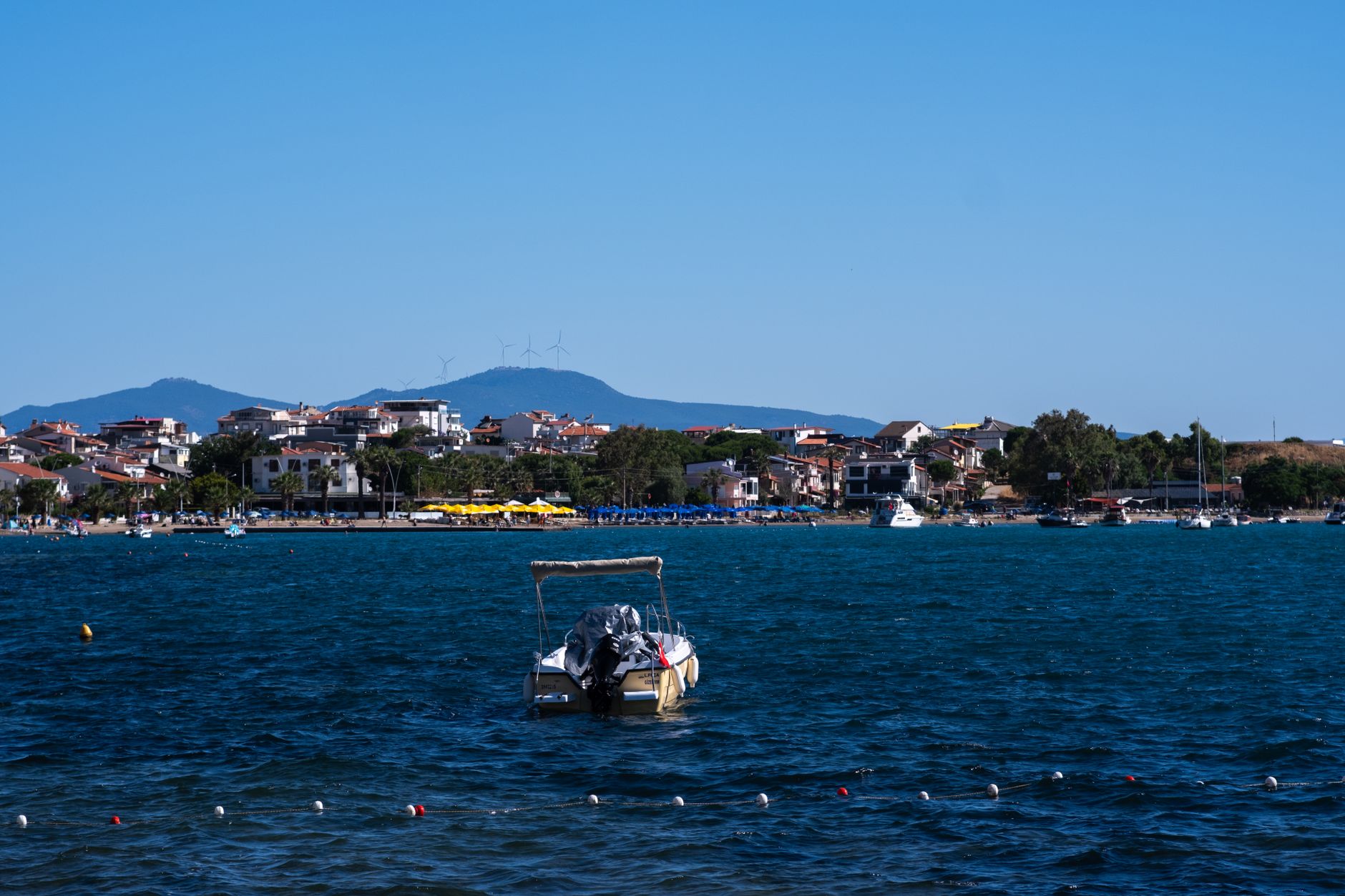
Think of Bodrum, Çeşme, and Kuşadası in September and October. The sea retains its summer warmth, the meltemi winds soften, and the beach clubs that buzz with DJs in July become serene retreats where you can hear the waves again. Hotel rates typically fall 40-60% from peak, and many luxury properties extend their summer amenities — infinity pools, private cabanas, and waterfront dining — through the end of October.
Practical example: a boutique cave suite in Bodrum that costs 25,000 TL per night in mid-August might drop to 9,000-12,000 TL by mid-October, with breakfast and a sunset boat trip included. Flights from Istanbul or Europe also become cheaper and more available, making a long weekend feel almost indulgent.
For wine lovers, autumn is harvest season in Urla and Şirince, where you can join vineyard tours and tastings without the summer heat. And for history buffs, Ephesus and Pergamon are far more enjoyable in crisp October air, with shorter ticket lines and cooler walking conditions.
The Riviera in Winter: Warm Sun, Remarkable Rates
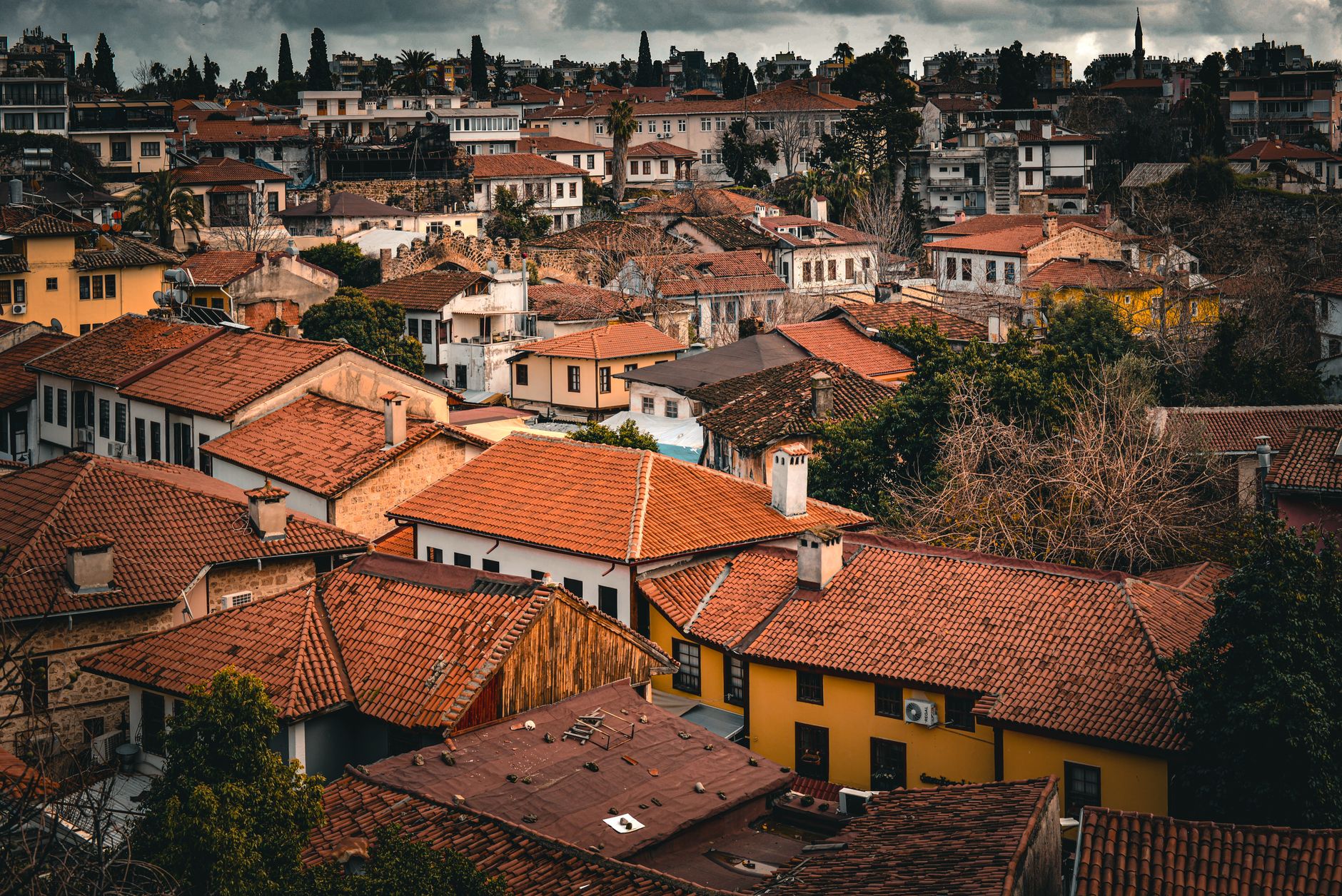
While much of Europe shivers, Türkiye's Mediterranean coast — particularly between Antalya and Alanya — offers a gentle winter microclimate. From November through February, you can expect mostly sunny days, occasional rain showers, and temperatures that make hiking, golfing, and sightseeing a pleasure. The sea may be too brisk for extended swimming, but many resorts heat their outdoor pools, and hardy swimmers still take the plunge.
This is where the value story gets truly compelling. All-inclusive five-star resorts in Belek that charge €400 per night in July often drop to €80-120 per night in January — including meals, drinks, and entertainment. Families can book connecting rooms for less than the price of a single peak-season room. Golf enthusiasts, meanwhile, find world-class courses like Montgomerie Maxx Royal and Carya Golf Club wide open, with green fees discounted by 50% or more.
Beyond the resorts, winter is ideal for exploring Antalya's old town (Kaleiçi), the ancient ruins of Perge and Aspendos, and the stunning Düden Waterfalls — all without breaking a sweat or a budget.
How to Time Your Trip for Maximum Comfort and Savings
The sweet spots are clear: for the Aegean, aim for the last two weeks of September or the first three weeks of October. You'll still enjoy beach weather, but prices have already softened and the crowds have thinned. For the Riviera, consider late November through early March — skip the Christmas and New Year peak if you want the absolute lowest rates, but even the holidays offer better value than summer.
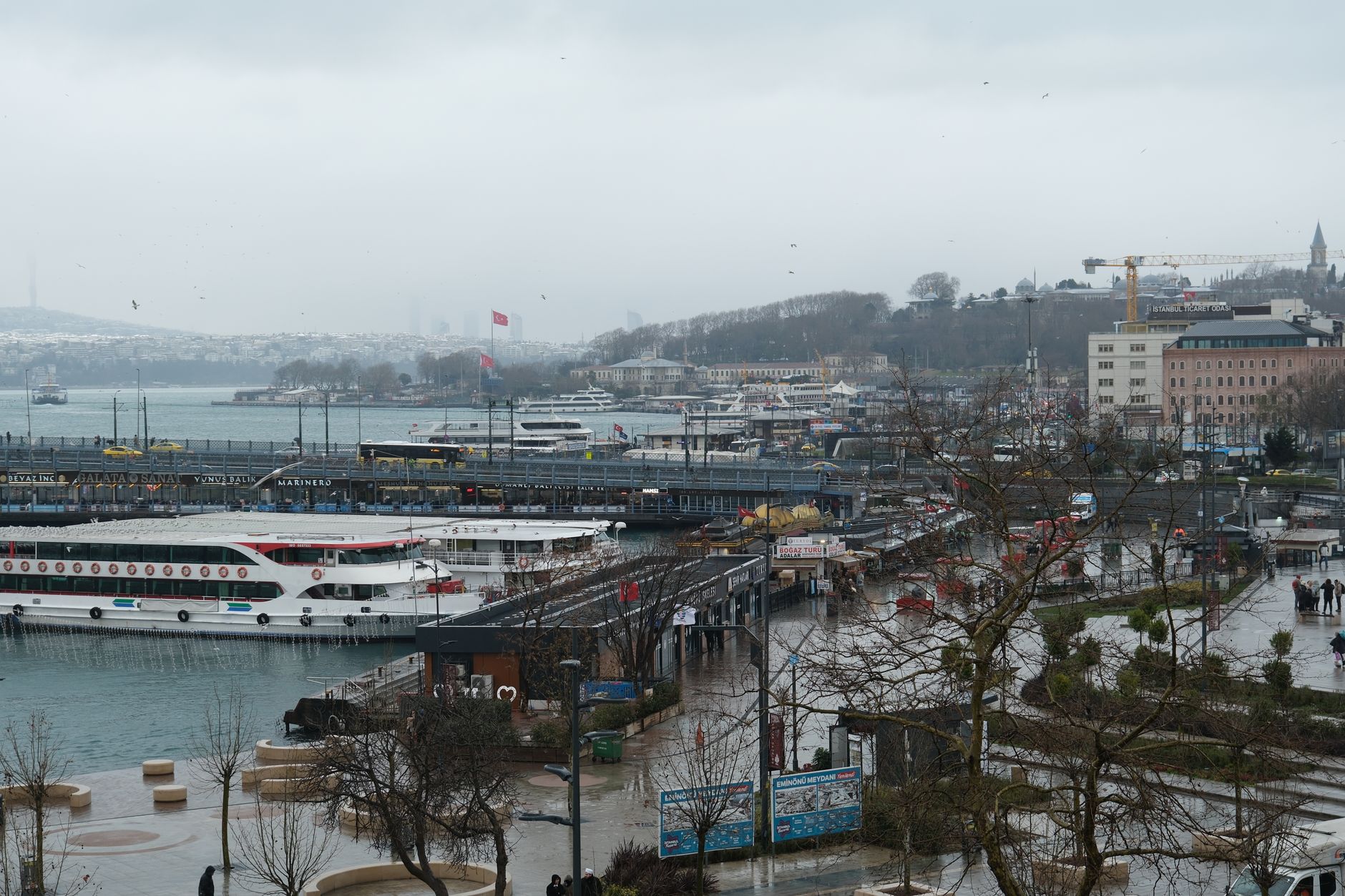
If you're eyeing Istanbul, winter is a magical time: fewer tourists at Hagia Sophia and Topkapı Palace, cozy çay bahçesi (tea gardens) with views of the Bosphorus, and hotel rates that can be 30-50% lower than in spring. Combine a city break with a few days on the coast for a diverse, affordable itinerary.
Booking strategy matters too. For autumn Aegean trips, reserve by early August to lock in early-bird discounts. For winter Riviera stays, waiting until late autumn can yield flash sales, but if you have specific dates — like a family holiday — booking by October ensures the best room selection.

What's Open in the Off-Season?
One common concern is whether amenities shut down. The answer: it depends on the destination. In Bodrum and Çeşme, some boutique hotels and restaurants close from November to March, but the major luxury resorts remain open year-round, often with reduced services but full spa and dining options. In Antalya and Belek, virtually everything stays open because the region hosts international conferences, golf tournaments, and winter sun seekers.
Cultural attractions follow standard hours, though some smaller sites may have shorter opening times. Major museums in Istanbul and Antalya are open daily. Outdoor markets in coastal towns may operate on reduced schedules, but you'll still find fresh produce and local crafts.
The upside of quieter months is more personal attention. You might get a complimentary room upgrade, a private tour guide for the price of a group tour, or a table at a top restaurant without a reservation. Hospitality shines when the pace slows.
A Gift for Flexible Travelers
Türkiye's emerging seasonal pricing pattern isn't just a quirk — it's an invitation. By shifting your travel dates away from the summer crunch, you can experience the same stunning coastline, rich history, and warm hospitality for significantly less. The country's year-round appeal is finally getting the recognition it deserves, and savvy travelers are already adjusting their calendars.
Whether it's a romantic autumn escape to the Aegean or a winter Riviera retreat with the family, the value is undeniable. As we plan for 2026-27, consider making Türkiye your off-season luxury destination. Your wallet — and your sense of discovery — will thank you.
Thinking about a trip to Turkey?
Share your contact details and a vetted local expert will follow up with a plan built around you — free, no obligation.