

Why the Turkish Riviera Shines in Winter
While much of Europe shivers under gray skies, Türkiye's southern coast basks in a gentle winter. From November through March, Antalya and the surrounding Riviera enjoy daytime temperatures that often reach 16–20°C (60–68°F), with plenty of sunshine and minimal rainfall. The sea may be too cool for swimming, but the promenades are perfect for strolling, and the famous beaches are blissfully quiet.
This season transforms the region into a haven for travelers seeking relaxation and value. Hotel rates drop significantly compared to summer highs, and the absence of crowds means you can explore ancient ruins, dine at seafront restaurants, and tee off at world-class golf courses without the hustle. The Mediterranean breeze remains crisp but kind, making outdoor activities pleasant rather than perspiring.
For 2026-27, tour operators are already highlighting winter sun packages that combine cultural discovery with wellness. Whether you're a golfer, a history buff, or simply someone who craves a peaceful escape, the Riviera delivers a warm welcome.
Golf and Spa: Peak Season for Pampering
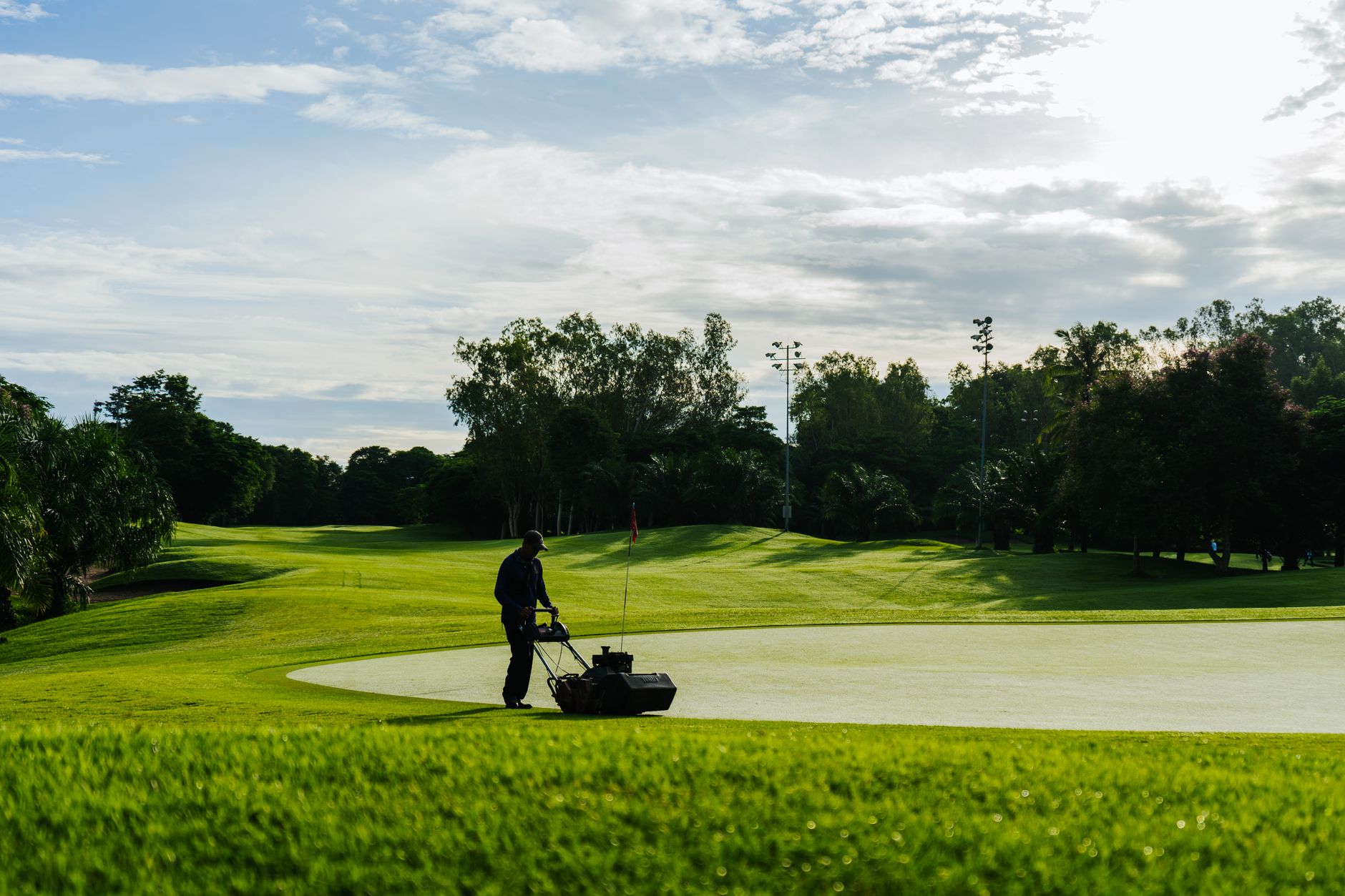
Antalya's Belek region is a golfer's paradise, and winter is prime time. With over a dozen championship courses designed by legends like Nick Faldo and Colin Montgomerie, the area hosts international tournaments and welcomes amateurs eager to play in comfortable weather. Mornings might be cool, but by midday, you'll be shedding layers as you navigate lush fairways framed by pine trees and sea views.
After a round, indulge in the Riviera's renowned spa culture. Many resorts offer traditional Turkish baths, aromatherapy massages, and heated indoor pools. The combination of thermal waters and expert therapists makes for a rejuvenating experience. Some spas even offer outdoor treatments with views of the Taurus Mountains, allowing you to soak in the scenery while you unwind.
Prices for green fees and spa packages are often 30-50% lower than in summer, making luxury accessible. It's the perfect time to treat yourself without breaking the bank.
Ancient Sites Without the Crowds
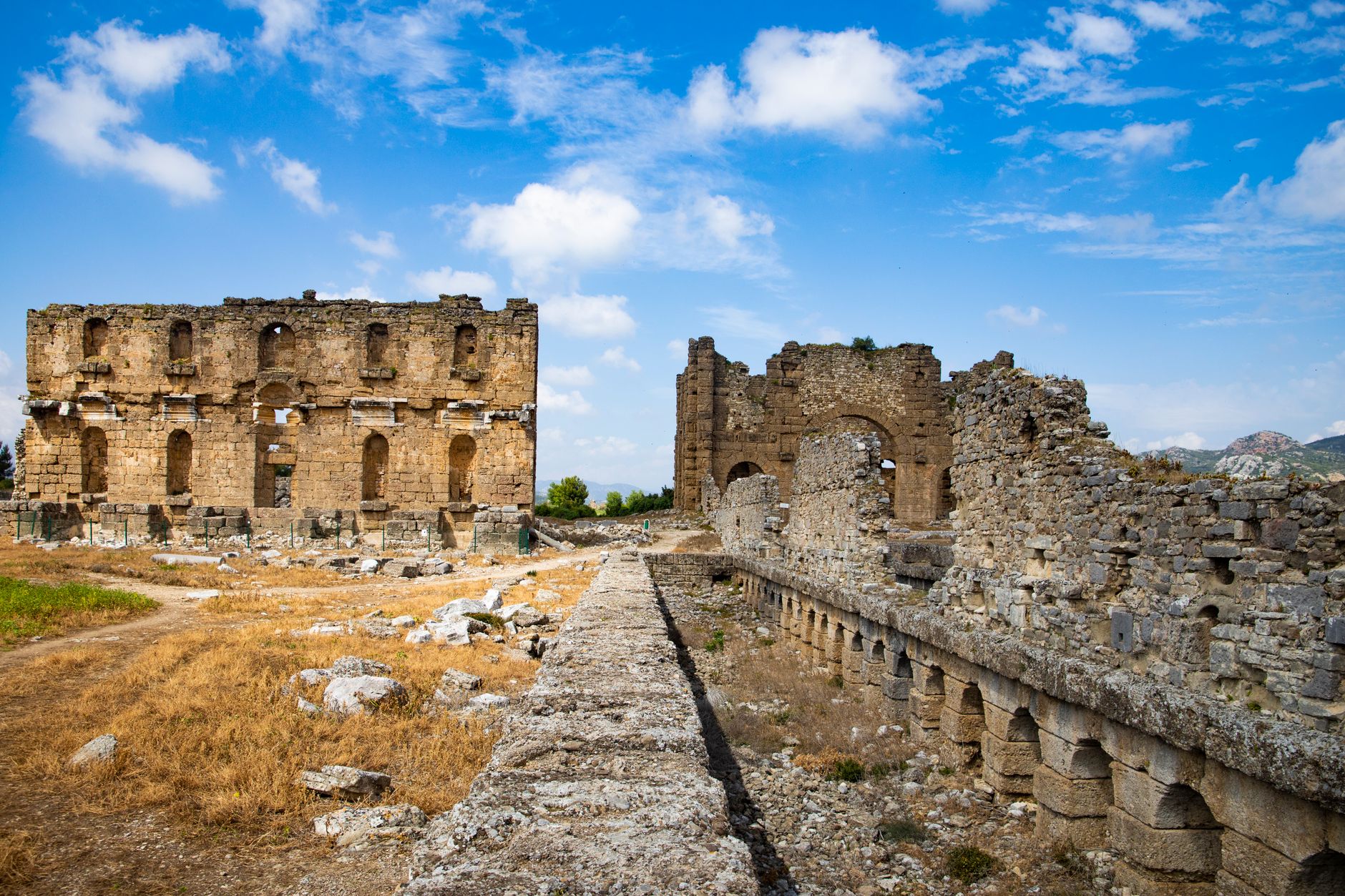
The Turkish Riviera is dotted with remarkable archaeological treasures, and winter grants you the luxury of exploring them in peace. Visit the ancient city of Perge, where Roman baths, a stadium, and a theatre stand almost empty, or wander through the ruins of Aspendos, home to one of the best-preserved Roman theatres in the world. Without summer's tour groups, you can truly absorb the history.
Further afield, the Lycian rock tombs of Myra and the sunken city of Kekova offer hauntingly beautiful experiences. Boat tours to Kekova run year-round, though fewer crowds mean a more intimate encounter with the submerged ruins. Guides are more available for personalized tours, and you can linger at each site as long as you like.
Many museums and archaeological parks keep shorter winter hours, so check schedules in advance. But the trade-off—having iconic sites nearly to yourself—is well worth it.
Fresh Seafood and Coastal Dining
The Mediterranean diet shines in winter, when fishermen bring in catches of sea bass, bream, and octopus. Seafront restaurants in Antalya's old harbor, Kalkan, and Kaş serve freshly grilled fish with mezze and salads, often at tables overlooking the water. The atmosphere is relaxed, and you won't need a reservation.
Beyond seafood, winter is the season for hearty Turkish comfort foods like lamb stews, stuffed vegetables, and baklava. Many eateries offer fixed-price menus that showcase local olive oil and produce. Pair your meal with a glass of local wine or rakı, and toast to the sunset.
For a truly memorable experience, head to a fish market where you can pick your catch and have it cooked on the spot. The value is exceptional, and the flavors are unforgettable.
Sunny Promenades and Lively Towns
Despite the season, coastal towns remain vibrant. Antalya's Konyaaltı and Lara promenades are popular for walking, cycling, and people-watching. Locals and visitors alike enjoy the mild air, and cafes stay open with outdoor seating. In the evenings, the old town of Kaleiçi comes alive with bars and restaurants, though the pace is gentler than in summer.
Towns like Fethiye, Marmaris, and Alanya maintain a welcoming atmosphere with markets, festivals, and cultural events. Winter is also a great time to shop for handicrafts, carpets, and leather goods, as shopkeepers have more time to chat and negotiate.
Don't miss the opportunity to take a boat trip along the coast—many operators run shorter winter cruises to secluded bays and islands. The sea may be too chilly for swimming, but the views are spectacular.
Value and Relaxation for 2026-27
With travel costs rising elsewhere, the Turkish Riviera stands out as an affordable winter sun destination. Flight prices from Europe are reasonable, and accommodation ranges from budget-friendly pensions to all-inclusive luxury resorts at fractions of their summer rates. Meal costs are low, and many attractions offer discounted winter tickets.
For 2026-27, early booking is advised for the holiday period, but flexibility can yield even better deals. The season runs from November to March, with December and January being the coolest but still pleasant. February and March bring warmer days and the first signs of spring.
Whether you seek adventure, culture, or simply a quiet place to recharge, Türkiye's winter Riviera promises a warm and bright escape. Come discover why this Mediterranean gem is a year-round treasure.
Thinking about a trip to Turkey?
Share your contact details and a vetted local expert will follow up with a plan built around you — free, no obligation.