

Why Türkiye's Small Harbor Towns Are Worth the Boat Ride
There is a particular kind of magic about arriving somewhere by water. The engine slows, the quay slides closer, and a village that takes an hour to reach by winding road suddenly feels like a secret you were let in on. Türkiye's coastline — over 8,000 kilometers of it, from the Aegean's olive-green bays to the turquoise coves of the Mediterranean — is dotted with exactly these places: small harbor towns where fishing boats outnumber cars and the evening's menu depends on what came off the nets that morning.
These are towns that reward travelers who leave the highway behind. You'll find family-run guesthouses where breakfast is a spread of village cheese, olives, tomatoes still warm from the garden, and endless tea. You'll find calm swimming coves a five-minute walk from your room, and tavernas where the grilled sea bass arrives simply, with lemon and olive oil, because nothing else is needed. And you'll find that boat travel itself — the rhythm of it, the salt on your skin, the way the coast unfolds — becomes the highlight of the trip.
This guide celebrates those harbor towns and gives you the practical tools to enjoy them: how seasonal ferry schedules work, how to board smoothly, and a few sample day routes in different regions. For a broader look at the coast's seasons, our best-time guide is a good companion, and our route ideas help you stitch several of these villages into one relaxed journey.
How Boat Travel Works Along the Turkish Coast
Seasonal schedules are the single most important thing to understand. Most small-scale passenger ferries, shuttle boats and excursion services along the Aegean and Mediterranean run from roughly May through October, with the busiest frequencies in July and August. Outside that window, some routes stop entirely and others shrink to a single weekly sailing — or operate only when enough passengers show up. Always confirm with the operator a day or two ahead, and never assume last year's timetable still applies.
Fares are usually modest and often paid in cash at the pier, though larger operators increasingly accept cards and online booking. Your passport or ID is sometimes checked on intercity coastal ferries, so keep it handy. Luggage space on small boats is limited — a soft duffel is far easier than a rigid suitcase on a narrow gangway.
Boarding tips from locals: arrive 20–30 minutes early at small piers, wear shoes with grip, and hand larger bags across rather than wheeling them down steep ramps. If the sea is choppy and you're prone to seasickness, sit toward the stern and keep your eyes on the horizon. On summer weekends, morning sailings fill first, so book or show up early. Our travel tools page can help you organize timetables and packing checklists in one place.
Sample Day Route 1: The Aegean Olive Coast
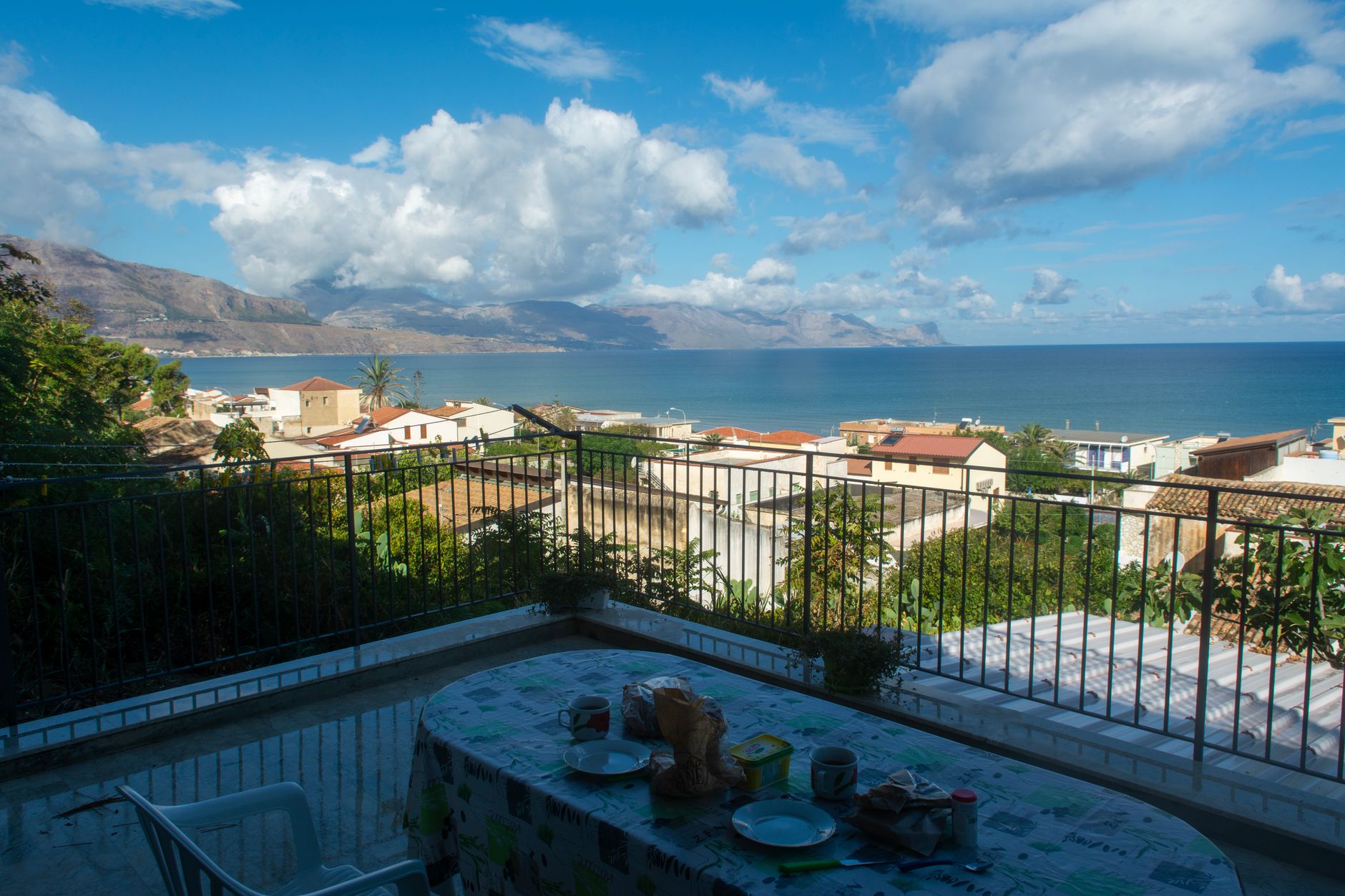
Start in a lively harbor town in the northern Aegean and catch a morning boat south, hugging a shoreline of olive groves and pine-covered hills. The first stop is often a village built around a crescent bay where the water is so still it looks like glass before the afternoon breeze picks up. Swim first — the coves here are shallow and warm by mid-morning — then find a waterfront spot for lunch.
Fresh seafood is the point of these towns, and the Aegean does it beautifully: grilled octopus, fried red mullet, stuffed squash blossoms, and a salad of purslane with yogurt. Ask what came in that morning; the answer is usually the best thing on the menu. After lunch, wander the backstreets where bougainvillea spills over stone walls and older residents play backgammon in the shade.
Catch the late-afternoon boat back, or better, stay the night in a small guesthouse and let the harbor quiet down after the day-trippers leave. That evening hour — fishing boats bobbing, tea glasses clinking, the smell of charcoal grills — is the reason to come. If you'd rather have an expert assemble the logistics, our trip planner is built for exactly this kind of slow coastal itinerary.
Sample Day Route 2: The Lycian Turquoise Coast
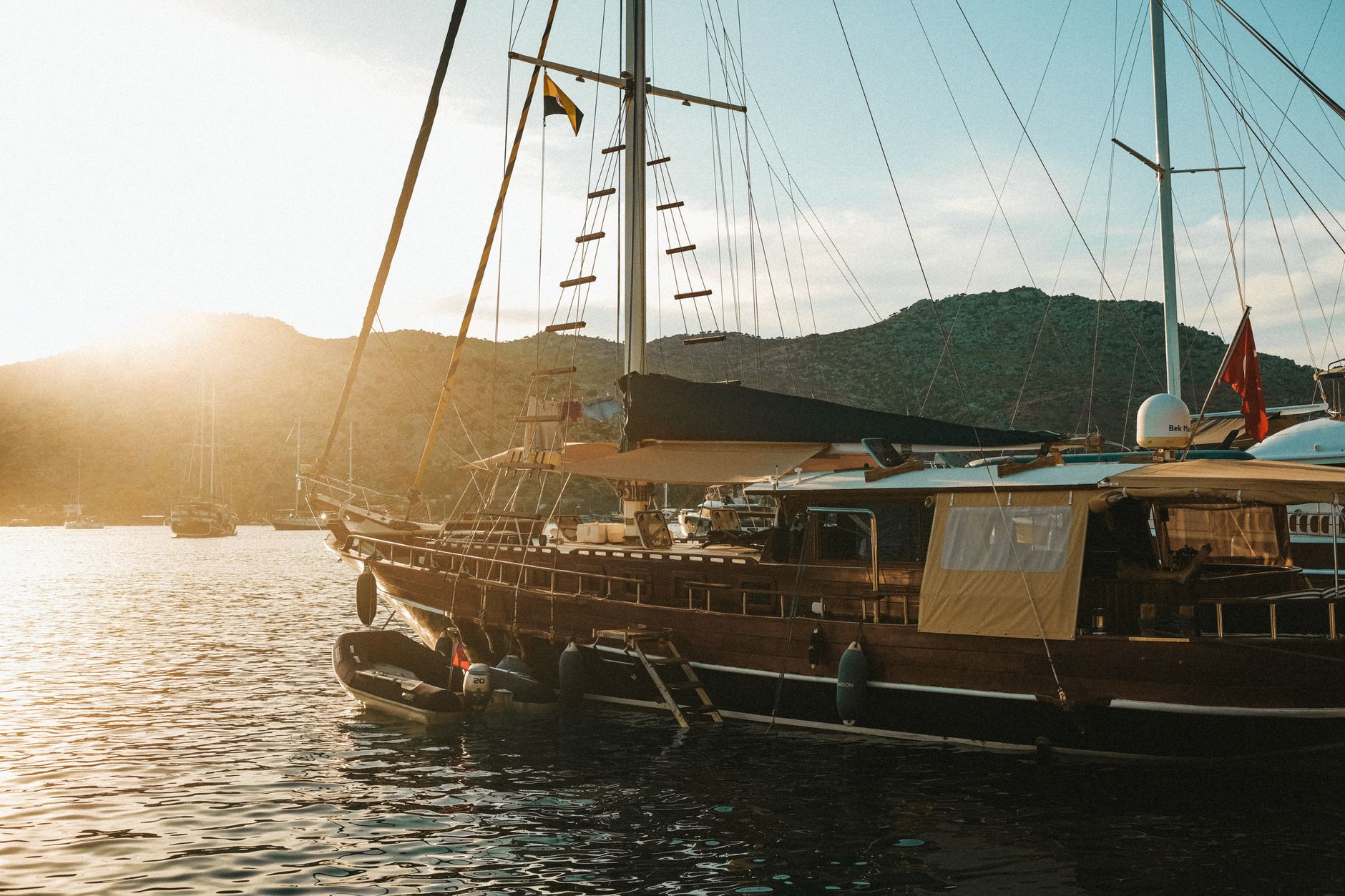
On the Mediterranean, the classic boat day is a gulet or shuttle boat out of a harbor town into the Lycian bays. Mornings are for motoring past rock tombs and pine-clad cliffs, then anchoring in a sheltered cove for a swim in water so clear you can count the stones on the seabed. Many boats include a simple lunch of grilled fish, pasta salad and melon — nothing fancy, entirely perfect.
These routes are weather-dependent, and afternoon winds can pick up, so captains often adjust the plan. Trust them; they know which coves stay calm. Bring reef-safe sunscreen, a hat, and a light long-sleeve layer for the ride home when the sun drops.
In the evening, back in the harbor town, seek out a guesthouse with a rooftop terrace. The hospitality in these villages is genuine and unhurried — expect to be offered tea the moment you sit down, and expect directions to the best swimming spot to come with hand-drawn maps. Browse our destinations section for more regional inspiration before you commit to a base.
Sample Day Route 3: Island-Hopping in the Marmara and North Aegean
The Marmara Sea and the northern Aegean offer quieter, less-discovered harbor towns where ferries connect villages with islands and peninsula ports. A great day: a morning crossing to a small island with a car-free center, a short walk to a calm swimming cove, and a long lunch of fried calamari and chilled white wine at a table practically at the water's edge.
These crossings are often short — 20 to 60 minutes — which makes them ideal for travelers who prefer gentle journeys. Schedules can be sparse even in summer, so plan your return sailing before you set out, and keep a backup in mind. In shoulder season, boats may run only a few days a week.
The reward is space: empty coves, uncrowded quays, and tavernas where the owner remembers your name by the second visit. This is the Türkiye that rewards curiosity and a flexible attitude. Our guides dig deeper into regional character and local etiquette.
What to Eat, Where to Sleep, and How to Swim Well
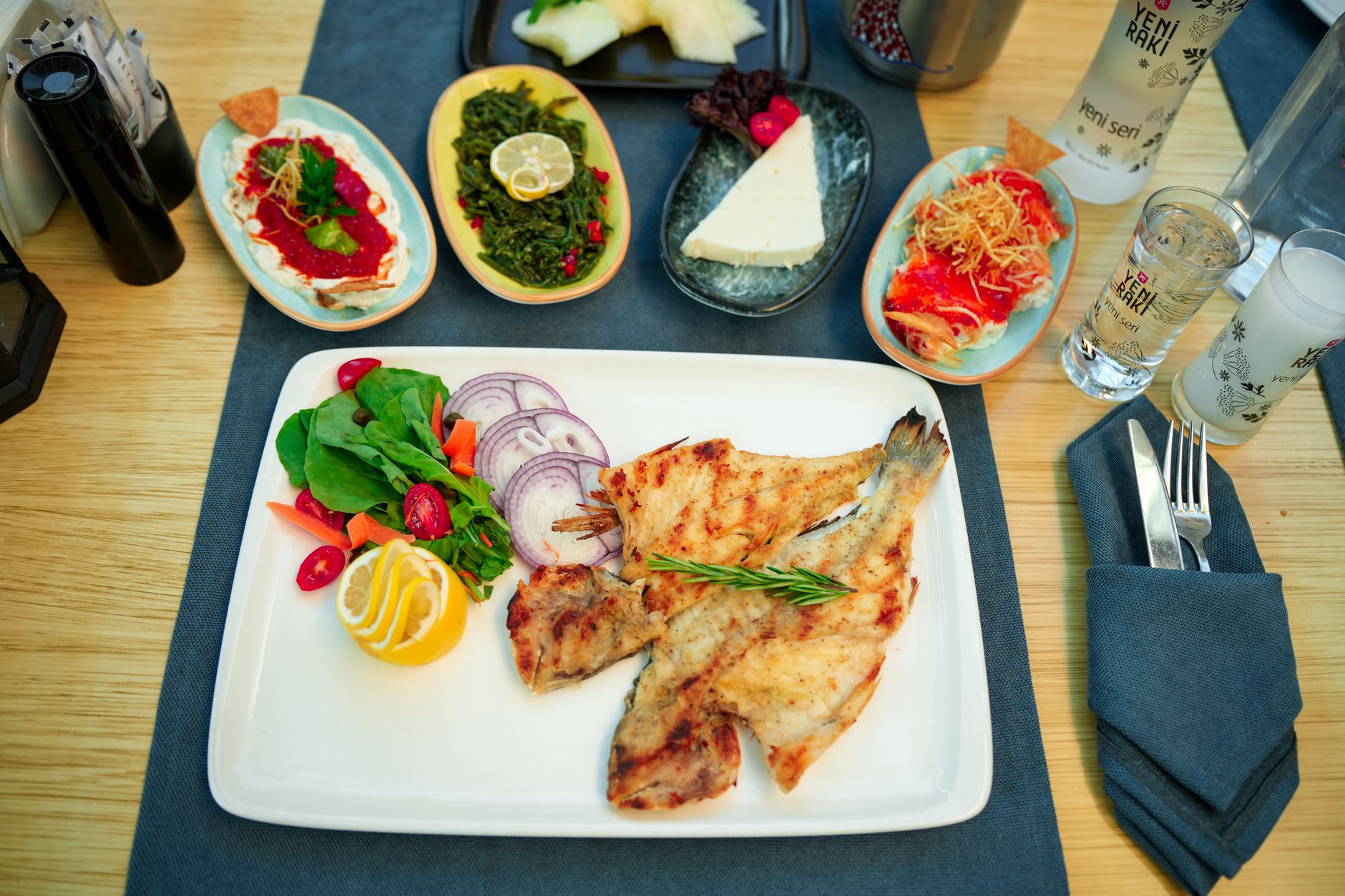
Seafood, seafood, seafood. Harbor towns live by the catch, and the freshest meals are usually the simplest: sea bream or sea bass grilled whole with olive oil and lemon, a plate of fried mussels, calamari, and meze to start — hummus, tarama, seaweed salad, stuffed peppers. Pair it with rakı if you like, or with the local white wine. Breakfast, meanwhile, is a feast: village cheeses, olives, honey, fresh bread, eggs, and endless tea.
Guesthouses are the heart of these towns. Small, family-run, often with a garden courtyard or a sea-view terrace, they offer warmth that big hotels can't match. Book ahead in July and August, and don't be shy about asking your host for advice — they'll know which cove is calmest today and which restaurant is serving the best fish.
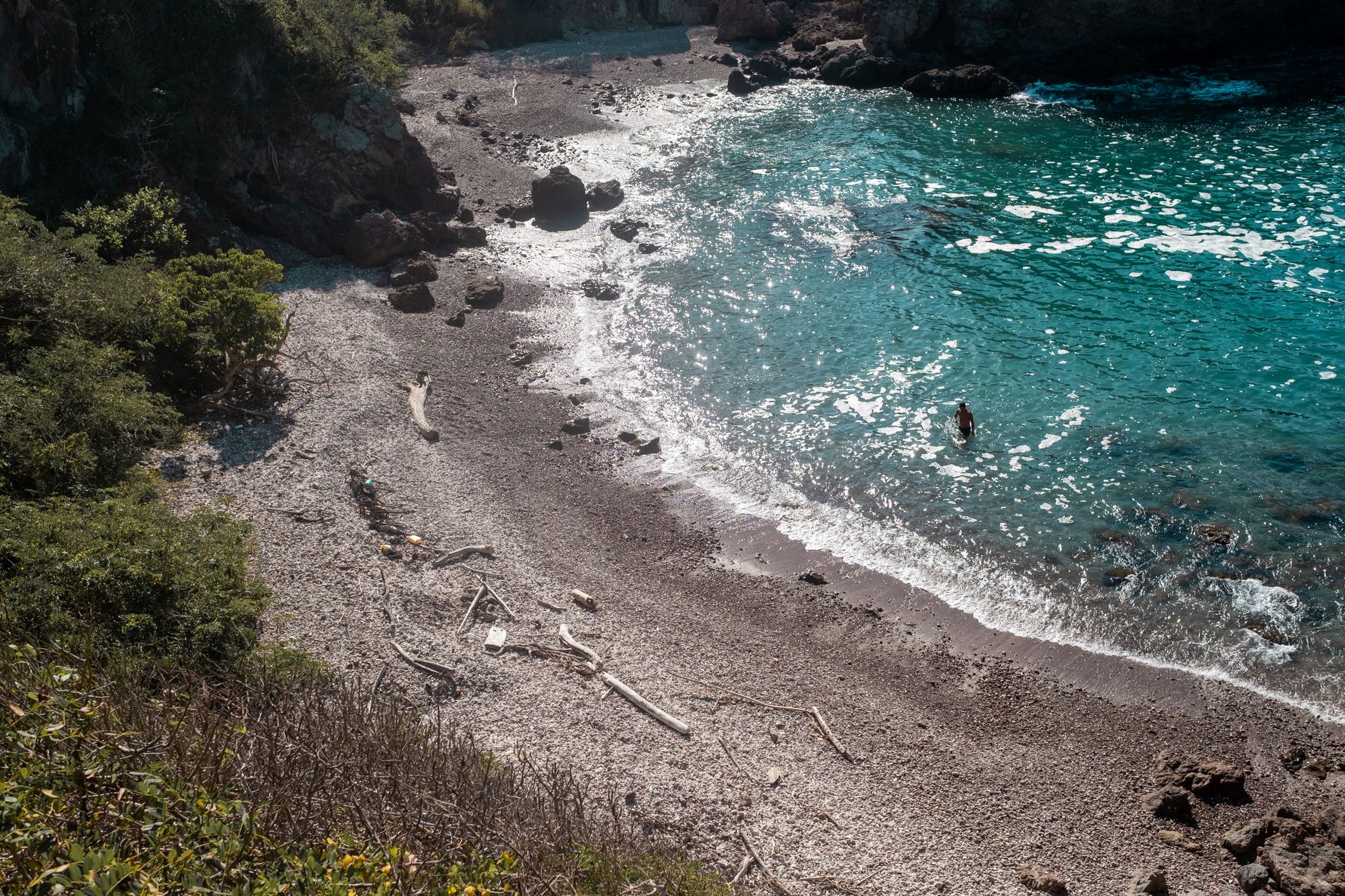
For swimming, look for coves with a pebble beach and no motorboat traffic; mornings are calmest. Bring water shoes for rocky entries, and remember that some small beaches have no facilities — pack in what you need and pack it out. A light towel, snorkel mask and dry bag will transform your boat days.
Practical Notes for a Smooth Coastal Trip
Travel light, carry cash for small piers and family-run boats, and build slack into your plan — a delayed sailing is an invitation to swim, not a disaster. Shoulder season (May–June and September–October) brings comfortable temperatures, fewer crowds, and still-reliable boat service on main routes, though always double-check the smaller operators.
Respect the rhythm of these places: they are working harbors as well as holiday spots, so keep clear of fishing gear on the quay and ask before photographing people at work. Turkish hospitality is famously generous; a warm "merhaba" and a little patience go a long way.
Ready to plan? Start with our itineraries for route skeletons, skim the FAQ for practical questions, and reach out to our local experts when you want a harbor-hopping trip tailored to your pace. The boats are waiting — and the coves have never looked better.
Thinking about a trip to Turkey?
Share your contact details and a vetted local expert will follow up with a plan built around you — free, no obligation.