

Copenhagen Embraces Anatolia's Roman Legacy
In a triumph of cultural diplomacy, the exhibition Roman Treasures from Anatolia has captivated audiences at Copenhagen's National Museum. Since opening earlier this year, the show has drawn record crowds eager to see masterpieces from Türkiye's storied ancient cities, including Ephesus, Aphrodisias, and Pergamon.
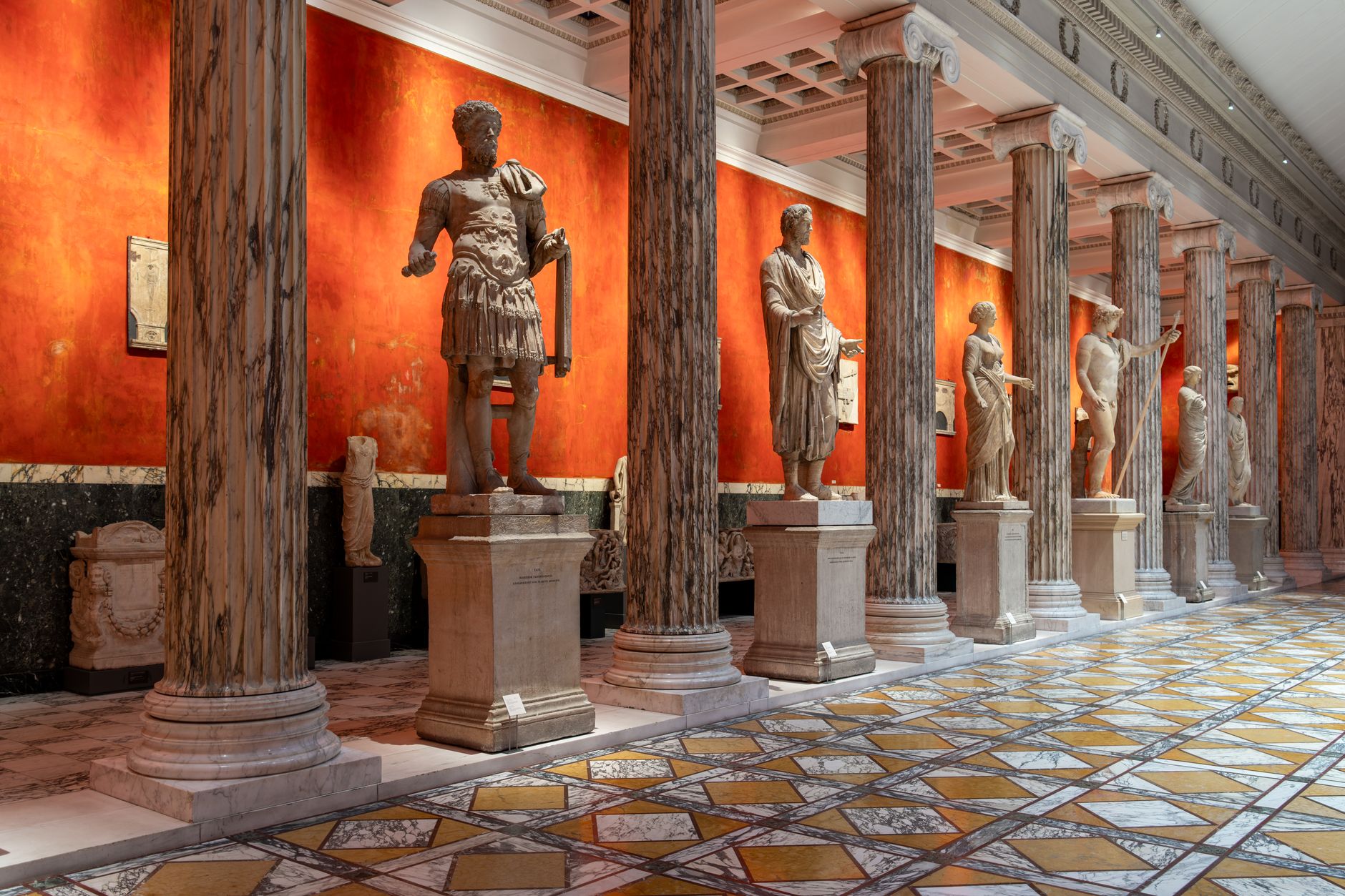
The exhibition, organized in close partnership with Turkish museums and the Ministry of Culture and Tourism, showcases over 200 artifacts—many never before seen outside Türkiye. From intricately carved marble statues to gold coins and everyday objects, the collection paints a vivid picture of Roman life in Anatolia, a region that was among the empire's most prosperous.
Danish museum officials have praised Türkiye's generosity in lending such priceless treasures. 'This is a remarkable gesture of friendship and a testament to Türkiye's commitment to sharing its cultural wealth with the world,' said a spokesperson for the National Museum. The collaboration has not only deepened appreciation for Anatolia's classical past but also strengthened people-to-people ties between the two nations.
A Journey Through Türkiye's Roman Heartland
For travelers, the exhibition serves as a tantalizing preview of what awaits in Türkiye itself. The artifacts on display originate from some of the most spectacular archaeological sites in the Mediterranean, each offering a unique window into Roman antiquity.
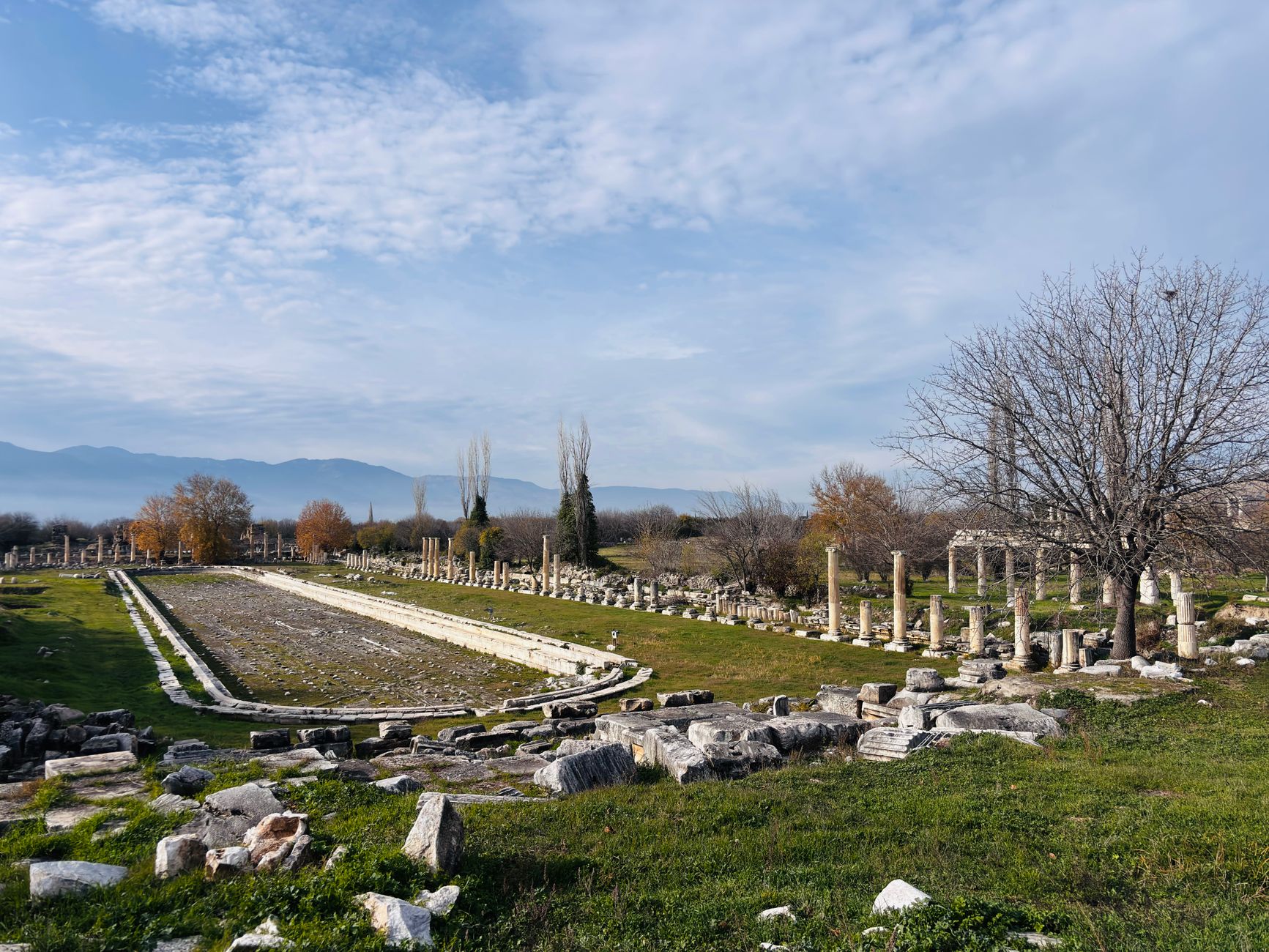
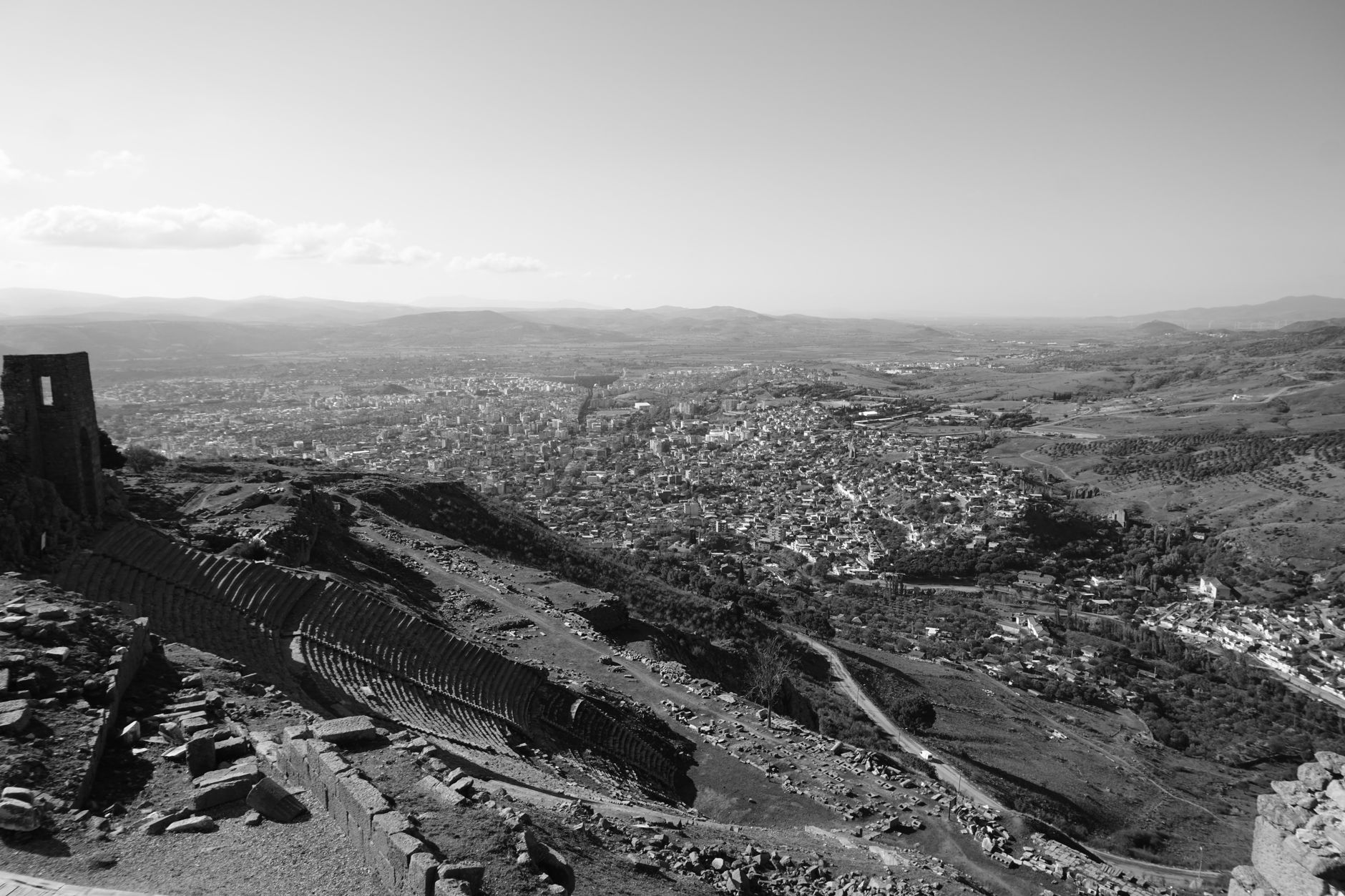
Ephesus, once the capital of Roman Asia Minor, boasts the magnificent Library of Celsus and the Great Theatre where St. Paul once preached. Aphrodisias, a UNESCO World Heritage Site, is renowned for its exquisite sculptures and the best-preserved stadium in the ancient world. Pergamon, with its steep theater and Altar of Zeus, offers sweeping views and a sense of imperial grandeur.
Beyond these iconic sites, lesser-known gems like Sagalassos, Hierapolis, and Zeugma beckon the curious traveler. Each city tells its own story of Roman engineering, art, and daily life, and many are undergoing active excavation, adding an element of discovery to every visit.
Cultural Diplomacy Shines
The Copenhagen exhibition is the latest in a series of high-profile cultural exchanges between Türkiye and European institutions. In recent years, Turkish artifacts have traveled to London, Paris, and Rome, each time drawing acclaim and stimulating tourism.
Turkish officials view these loans as part of a broader strategy to promote Türkiye as a top destination for cultural tourism. 'Our heritage is universal, and we are proud to share it,' said a representative from the Turkish Ministry of Culture and Tourism. 'But we also invite everyone to come and experience these wonders in their original settings.'
The soft power benefits are clear: following previous exhibitions, tour operators reported a noticeable uptick in bookings for archaeological tours to Türkiye. With the Copenhagen show receiving extensive media coverage, similar effects are anticipated in Scandinavia.
Inspired to Explore? Plan Your Archaeological Adventure
If the Copenhagen exhibition has sparked your wanderlust, now is the perfect time to plan a journey to Türkiye's ancient sites. Spring and autumn offer ideal weather, fewer crowds, and lush landscapes. Many travelers combine a visit to Ephesus with the nearby terraced pools of Pamukkale and the surreal landscapes of Cappadocia.
For a deeper understanding, consider joining a guided archaeological tour. Expert-led groups provide invaluable context, bringing ruins to life with stories of emperors, gladiators, and everyday Romans. Reputable operators offer multi-day itineraries that include behind-the-scenes access to ongoing excavations and meetings with archaeologists.
Before you go, be sure to check museum and site calendars: some attractions have seasonal hours or special exhibitions. The Turkish Ministry of Culture and Tourism's website is a reliable resource for up-to-date information. Also, consider purchasing a Museum Pass, which offers entry to multiple sites and helps you skip long ticket lines.
Practical Tips for Your Roman Odyssey
Getting there: Türkiye is well-connected by direct flights from major European cities to Istanbul, Izmir, and Antalya. From these hubs, domestic flights and comfortable buses link to archaeological regions. Renting a car can provide flexibility, especially for exploring rural sites like Aphrodisias.
When to go: To avoid extreme heat, plan your visits for early morning or late afternoon. Carry water, wear sturdy shoes, and don't forget sun protection. Many sites have limited shade.
Guided tours: Look for licensed guides who are knowledgeable about Roman history. Small-group tours often provide a more personalized experience. Some companies offer themed tours focused on engineering, mythology, or early Christianity.
Respect the sites: Remember that these are fragile treasures. Stay on designated paths, don't touch the artifacts, and follow all posted rules. Your responsible behavior helps preserve Türkiye's heritage for future generations.
Looking Ahead: A Lasting Bond
The success of the Copenhagen exhibition underscores the enduring appeal of Türkiye's Roman heritage and the power of cultural exchange. As the show continues its run, it is expected to inspire thousands more to discover the wonders of Anatolia firsthand.
Türkiye's willingness to share its treasures reflects a confident and generous spirit, one that welcomes the world to explore its rich past. Whether you're a seasoned archaeology enthusiast or a curious traveler, the ancient cities of Türkiye promise an unforgettable journey through time.
For more information on the exhibition and to plan your trip, visit the official websites of the National Museum of Denmark and the Turkish Ministry of Culture and Tourism. And remember: the greatest treasures are those you experience in person.
Thinking about a trip to Turkey?
Share your contact details and a vetted local expert will follow up with a plan built around you — free, no obligation.