

Ahlat: Seljuk Tombstones and Lake Van's Historic Shore
Ahlat: Anatolia's Forgotten Seljuk Capital
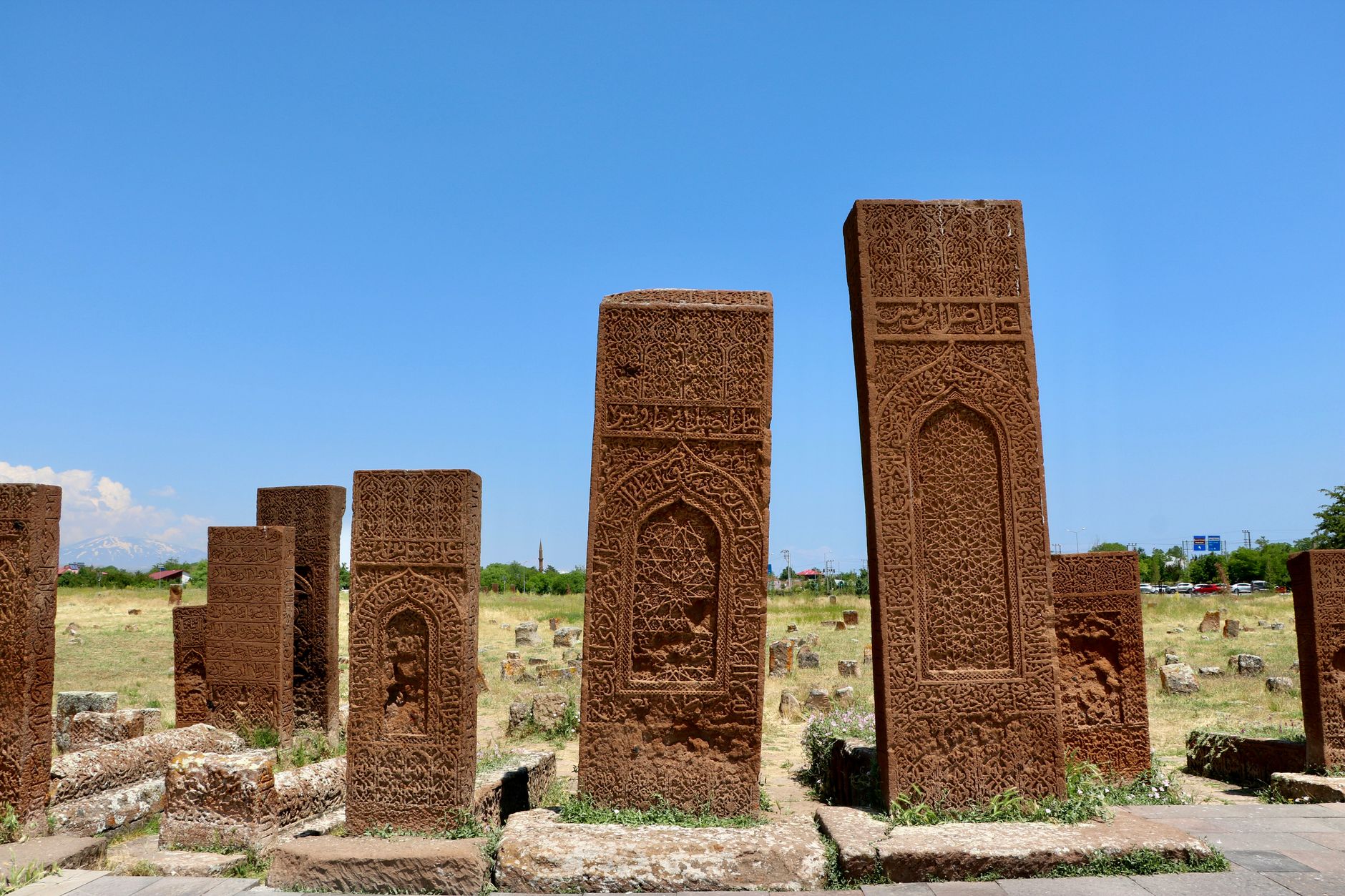
Once a thriving Seljuk city and a key stop on the Silk Road, Ahlat is now a quiet district on the northwestern shore of Lake Van. Its fame rests on the UNESCO World Heritage-listed Seljuk cemetery, one of the largest and most remarkable in the Islamic world. Here, thousands of intricately carved tombstones stand like silent sentinels, their towering forms casting long shadows over the volcanic plain.
The cemetery, known as Meydanlık, is an open-air museum of Seljuk stonework. The monochrome basalt and limestone headstones, some reaching up to 4 meters, are adorned with geometric patterns, Kufic inscriptions, and floral motifs. Walking among them, with the vast expanse of Lake Van shimmering in the distance, is an experience that feels both timeless and profoundly moving.
Despite its historical significance, Ahlat remains off the main tourist trail, offering a peaceful and authentic encounter with Turkey's rich heritage. The warmth of the local Kurdish and Turkish hospitality adds a welcoming layer to this evocative destination.
The Seljuk Tombstones: Masterpieces in Stone
The tombstones of Ahlat date from the 12th to the 16th centuries, with the majority from the Seljuk and Aq Qoyunlu periods. They mark the graves of nobles, scholars, and warriors, and their artistry reflects the cosmopolitan culture of the time. The most famous is the tombstone of Emir Bayındır, a towering monument with a stalactite niche and intricate carvings.
Each stone is unique, featuring a blend of Arabic calligraphy, geometric interlacing, and symbolic motifs. The size and decoration often indicated the deceased's status, and some stones are shaped like tents or mihrabs, pointing to diverse influences from Persia and Central Asia. The cemetery is divided into several sections, including the Meydanlık and Harabeşehir areas, each with its own character.
Preservation efforts have been ongoing since the 1960s, and in 2021 the site was inscribed on the UNESCO World Heritage List. A small on-site museum provides context, displaying artifacts and explaining the cemetery's history. Guides are available locally, though their English may be limited; hiring a certified guide from Van or Tatvan is recommended for deeper insight.
Lake Van and Nemrut Crater Lake: Natural Wonders Nearby
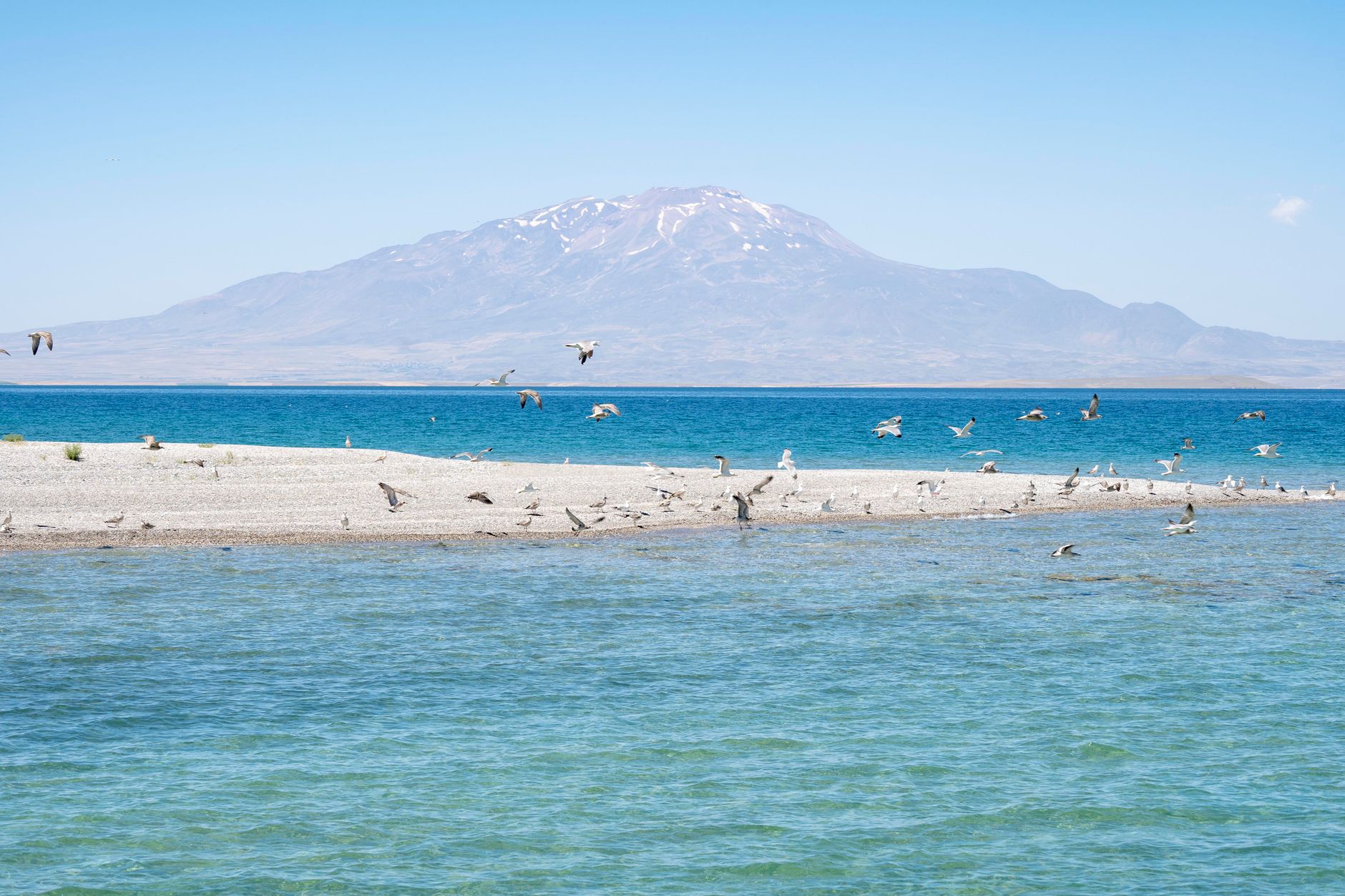
Ahlat sits on the shore of Lake Van, Turkey's largest lake, whose alkaline waters support only one species of fish, the pearl mullet. The lake's vivid blue contrasts beautifully with the dark tombstones, creating a photographer's paradise. A short drive from the cemetery brings you to the lakeside, where you can enjoy a picnic or simply soak in the serene atmosphere.
For a dramatic change of scenery, head to Nemrut Crater Lake, located about 30 kilometers west of Ahlat. This is the second-largest crater lake in the world, formed when Mount Nemrut erupted thousands of years ago. The caldera is a surreal landscape of volcanic rock, freshwater lakes, and steam vents. In spring and autumn, the surrounding slopes are dotted with wildflowers, and the views from the rim are breathtaking.
Combine a visit to Ahlat with a trip to Nemrut to experience the region's geological and historical contrasts. The drive itself is scenic, passing through rural villages and offering glimpses of traditional life. Note that the road to Nemrut may be snow-covered in winter, so plan accordingly.
Planning Your Visit: Best Time and Logistics
Best Time to Visit: Spring (April to June) and autumn (September to October) offer mild temperatures, clear skies, and vibrant landscapes. Summer can be hot, though the lake provides some relief, while winter is cold and often snowy, with some roads inaccessible.
Getting There: The nearest airport is Van Ferit Melen Airport (VAN), about 130 kilometers away. From Van or Tatvan, you can reach Ahlat by car or bus. The journey takes around 2 hours from Van and 1 hour from Tatvan. Buses run regularly along the Van-Tatvan highway, and dolmuşes (shared minibuses) also serve the route. For flexibility, renting a car is ideal, as it allows you to explore Nemrut Crater Lake and other nearby sites at your own pace.
Recommended Days: 1-2 days. A day trip from Tatvan or Van is feasible, but staying overnight in Ahlat or Tatvan allows for a more relaxed experience, including a sunset visit to the cemetery and an early morning trip to Nemrut.
Where to Stay: Accommodation options in Ahlat are limited but include small hotels and guesthouses. Tatvan, a larger town, offers a wider range of hotels and restaurants. Van has the most amenities, making it a good base for exploring the region.
Local Hospitality and Cultural Insights
The people of Ahlat are known for their warmth and hospitality. Don't be surprised if a local invites you for tea or offers to show you around. The town has a mixed Kurdish and Turkish population, and while English is not widely spoken, a few words of Turkish or Kurdish will go a long way in making connections.
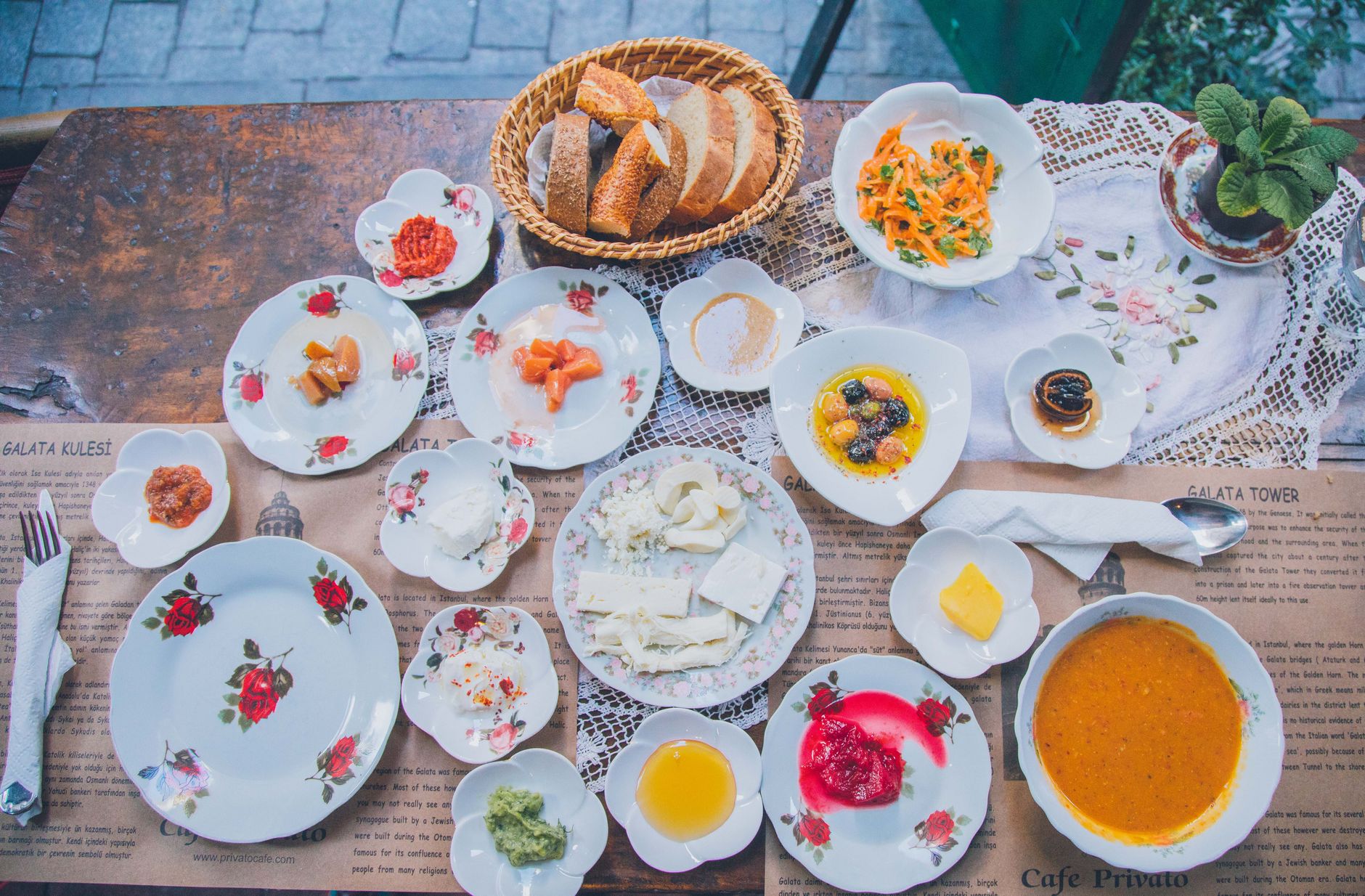
Be sure to try local specialties such as Van breakfast, a lavish spread of cheeses, olives, honey, and pastries, and pearl mullet, a fish unique to Lake Van. The region is also known for its honey and dairy products. Respect local customs when visiting the cemetery: dress modestly and avoid loud behavior, as it is a sacred site.
Responsible tourism is key to preserving Ahlat's heritage. Stick to designated paths, don't touch or climb on the tombstones, and consider hiring local guides to support the community. Your visit contributes to the ongoing conservation efforts and helps keep this remarkable site accessible for future generations.
Nearby Attractions and Day Trips
Beyond the cemetery and Nemrut Crater Lake, the Lake Van region offers several other attractions. In Tatvan, you can take a ferry across the lake to Van, a scenic journey that takes about 4 hours. In Van, explore the ancient Urartian fortress of Van Castle and the nearby Akdamar Island, home to a 10th-century Armenian church with exquisite stone reliefs.
For nature lovers, the Muradiye Waterfalls, about 80 kilometers from Ahlat, are a refreshing escape. History buffs might enjoy the Hoşap Castle, a well-preserved Kurdish fortress, or the Çavuştepe Urartian ruins. These sites can be combined into a multi-day itinerary, with Ahlat as a highlight.
Whether you're a history enthusiast, a photographer, or a curious traveler, Ahlat's Seljuk tombstones and the surrounding landscapes promise an unforgettable journey into Turkey's lesser-known heritage.
Top Highlights
Popular Activities
Thinking about a trip to Turkey?
Share your contact details and a vetted local expert will follow up with a plan built around you — free, no obligation.
