

Aksaray and the Ihlara Valley
Welcome to Aksaray and the Ihlara Valley
Just an hour's drive from the bustling tourist hubs of Göreme and Ürgüp, the Ihlara Valley (Ihlara Vadisi) offers a serene escape into a green river canyon that feels worlds away from Cappadocia's famous fairy chimneys. Carved by the Melendiz River through volcanic tuff, this 16-kilometer gorge is a haven for nature lovers, history buffs, and anyone seeking a peaceful day out. The valley's name, Ihlara, likely derives from the Greek word for 'beautiful,' and it lives up to that billing with its lush vegetation, babbling brooks, and ancient rock-cut churches.
The nearby city of Aksaray serves as the gateway to this natural wonder. A provincial capital with a rich Seljuk heritage, Aksaray is often overlooked by travelers rushing to Cappadocia's main attractions. But those who linger will find a welcoming Turkish city with a lively bazaar, historic mosques, and a central location that makes exploring the valley and surrounding sights a breeze. Whether you're arriving from Nevşehir or Konya, Aksaray is the perfect base for a day of discovery.
In spring, the valley transforms into a verdant paradise. Wildflowers carpet the trails, fruit trees bloom along the riverbanks, and the air is filled with birdsong. It's the ideal time to walk the easy valley trails, visit the cave churches, and enjoy a leisurely Turkish breakfast in the village of Belisırma. With fewer crowds than Cappadocia's main sites, you'll often have entire churches to yourself and can soak in the tranquility at your own pace.
The Ihlara Valley: A Green Oasis in Cappadocia
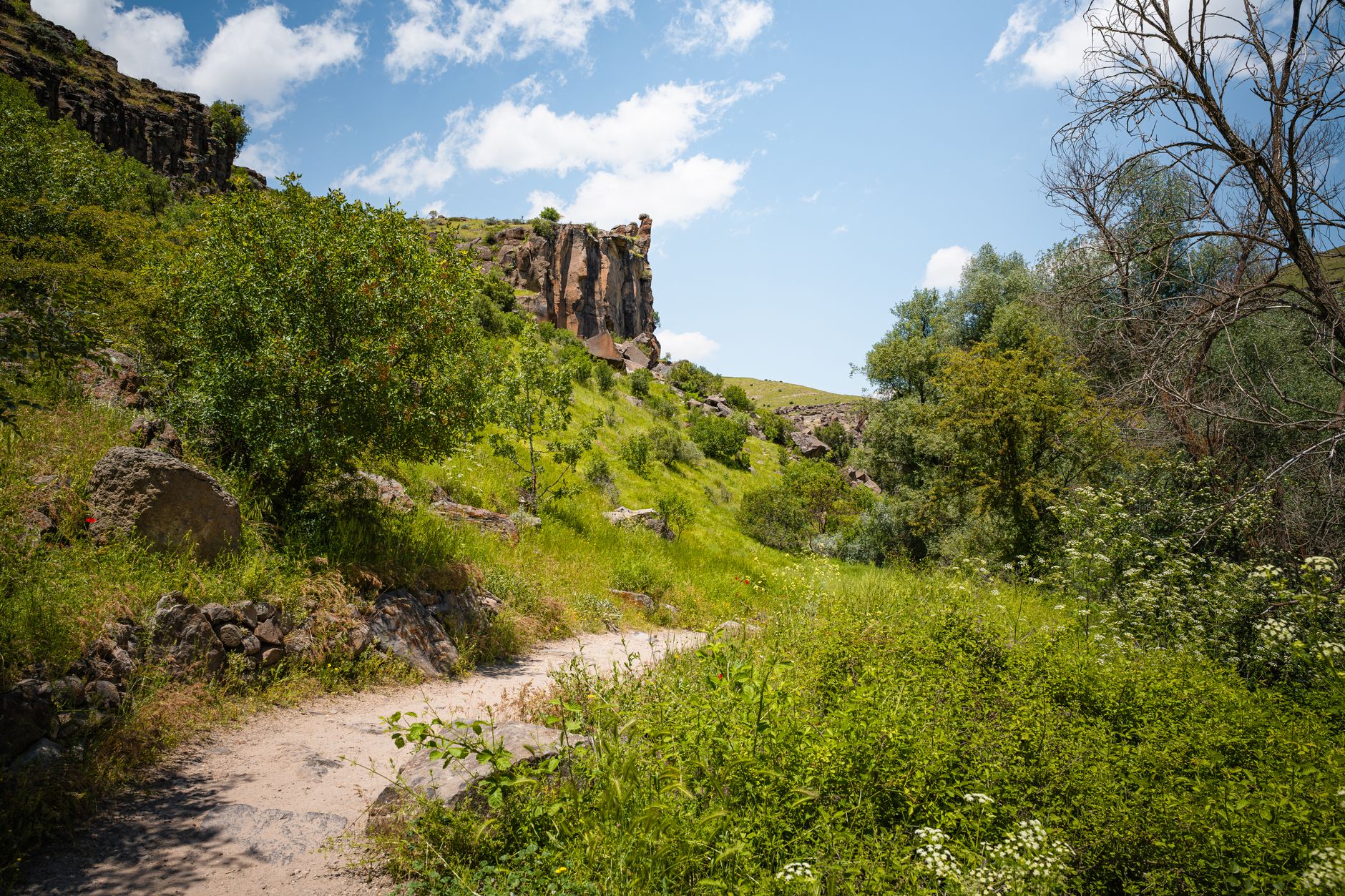
The Ihlara Valley is a 16-kilometer-long canyon that cuts through the stark Cappadocian landscape like a green ribbon. The Melendiz River, which flows year-round, supports a rich ecosystem of poplar and willow trees, wild roses, and even vineyards. The valley's microclimate makes it cooler and more humid than the surrounding plateau, providing a refreshing break during hot summer days. Walking trails run along both sides of the river, connected by picturesque bridges, allowing you to customize your route.
The canyon is also an open-air museum. Over 100 Byzantine cave churches and monasteries are carved into its cliffs, many adorned with vibrant frescoes dating from the 9th to the 13th centuries. The most famous include the Agacalti (Daniel) Church, the Snake Church (Yılanlı Kilise), and the Dark Castle (Karanlık Kale). These rock-cut sanctuaries offer a glimpse into the region's Christian past, when monks and hermits sought solitude in the valley's embrace.
For many visitors, the highlight is simply strolling through the valley, crossing wooden bridges, and pausing at riverside tea gardens to sip çay while the river gurgles past. The trails are mostly flat and easy, suitable for all ages and fitness levels. You can walk as little or as much as you like, with options to exit at various points and arrange a pickup.
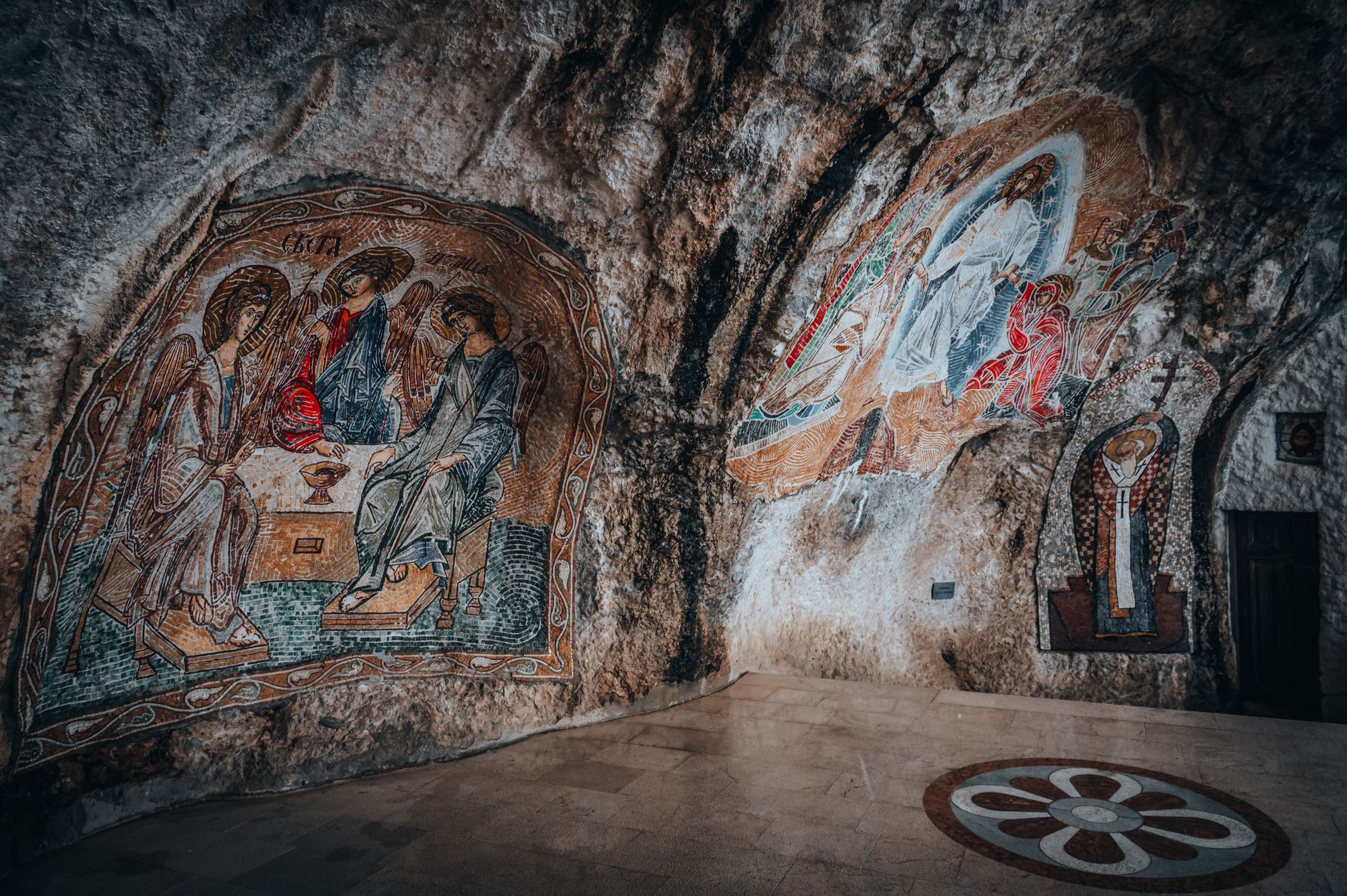
Byzantine Cave Churches and Frescoes
The cave churches of the Ihlara Valley are among the best-preserved in Cappadocia, thanks to the valley's protected location and humidity, which helped the pigments adhere to the rock. The frescoes depict scenes from the Bible, including the Annunciation, the Nativity, the Last Supper, and various saints and martyrs. Some churches are simple chapels, while others are elaborate multi-chambered complexes with domes and columns.
One of the most impressive is the Karanlık Kale (Dark Castle) Church, nestled high in the cliff face. Its frescoes are remarkably vivid, and the climb to reach it rewards you with panoramic views of the valley. The Yılanlı Kilise (Snake Church) is known for its depiction of sinners being punished, including a woman with snakes biting her breasts—a moralistic warning to viewers. The Agacalti Church, located near the valley's edge, has beautiful frescoes of the life of Christ.
To visit the churches, you'll need to purchase a ticket at the valley entrance (Ihlara or Selime side). The main trail passes many of them, but some require a short detour or a climb up stone steps. Bring a flashlight for the darker churches, and remember that photography without flash is usually permitted. Guides are available at the entrance if you want deeper historical context.
Selime Monastery: The Cliff-Carved Marvel
At the northern end of the Ihlara Valley, the Selime Monastery is a breathtaking complex carved entirely from a massive rock cone. It's the largest religious structure in Cappadocia, resembling a fortress with its multi-level facade. The monastery includes a cathedral-sized church with a soaring ceiling, a kitchen with a huge fireplace, storage rooms, and living quarters for monks. The scale is awe-inspiring—you can easily imagine the monastic community that once thrived here.
Climbing through the monastery's chambers, you'll see carved niches, ovens, and even a stable with feeding troughs. The panoramic views from the top over the valley and the surrounding plains are spectacular, especially at sunset. The site is also known as the 'Star Wars Monastery' because its otherworldly appearance supposedly inspired scenes in the film. Whether you're a history enthusiast or just love dramatic landscapes, Selime is not to be missed.
Selime Monastery is located just off the main road, about 15 kilometers from the town of Ihlara. It's easily accessible by car or taxi, and there's a small café at the base where you can refresh before or after your visit. The entrance fee is separate from the valley ticket, but it's well worth it.
Belisarama Village: Turkish Breakfast and Riverside Tea Gardens
Halfway along the Ihlara Valley, the village of Belisırma (also spelled Belisarama) is a charming settlement built right into the canyon walls. It's the perfect place to take a break, and the local restaurants serve some of the best Turkish breakfast in the region. Imagine sitting at a table on a wooden platform over the river, with your feet almost touching the water, as you feast on fresh cheeses, olives, jams, honey, eggs, and endless cups of tea.
The village is famous for its riverside tea gardens and restaurants, many of which are family-run and offer warm hospitality. After your meal, you can explore the village's own cave churches, such as the Direkli Kilise (Columned Church) and the Pürenli Seki Church, which are less visited than those on the main trail. A stroll through Belisırma gives you a taste of rural Turkish life and a chance to interact with locals.
For a truly memorable day, pair a morning walk in the valley with a late breakfast or early lunch in Belisırma. Then, continue your hike or drive to Selime Monastery for the afternoon. This combination offers a perfect blend of nature, history, and gastronomy—all without the crowds of Cappadocia's main circuit.
Practical Tips for Visiting the Ihlara Valley
Getting there: The Ihlara Valley is about 45 kilometers from Aksaray and 85 kilometers from Nevşehir. You can drive, take a dolmuş (minibus) from Aksaray to Ihlara town, or join a guided tour from Cappadocia. If you're driving, there are parking areas at both the Ihlara and Selime entrances.
Best time to visit: Spring (April to June) and autumn (September to November) offer pleasant temperatures and vibrant colors. Summer can be hot, but the valley's shade and river provide relief. Winter is cold but peaceful, with fewer visitors.
What to bring: Comfortable walking shoes, a hat, sunscreen, water, and a flashlight for the churches. Binoculars are great for birdwatching. Don't forget your camera—the scenery is spectacular.
Facilities: There are cafés and restaurants at the main entrances and in Belisırma. Toilets are available at the ticket offices. The trails are well-marked, but a map from the entrance is helpful.
Respect: The cave churches are ancient religious sites; please be respectful, don't touch the frescoes, and keep noise to a minimum.
Top Highlights
Popular Activities
Thinking about a trip to Turkey?
Share your contact details and a vetted local expert will follow up with a plan built around you — free, no obligation.
