

Akşehir and Eber Lakes Basin: Afyon's Quiet Lake Country
A Gentle Basin Between Afyonkarahisar and Konya
The Akşehir and Eber Lakes Basin is not a headline destination, and that is exactly its appeal. It sits on the inland plateau between Afyonkarahisar and Konya, a gentle agricultural landscape of reedbeds, low hills, orchards and small towns where the pace drops the moment you leave the highway. Roads are quiet, distances short, and the scenery is soft rather than dramatic.
For travellers driving the classic route between western Turkey and Konya or Cappadocia, the basin makes an easy and rewarding pause. Rather than pushing straight through, you can break the journey with a night or two, spend an afternoon by a lake, and wander old streets that most visitors never see.
Costs here are low and the atmosphere genuinely unhurried. You will find simple guesthouses, roadside cafes and local restaurants serving meatballs, lake fish where it is available, and seasonal vegetable dishes at prices that make lingering easy.
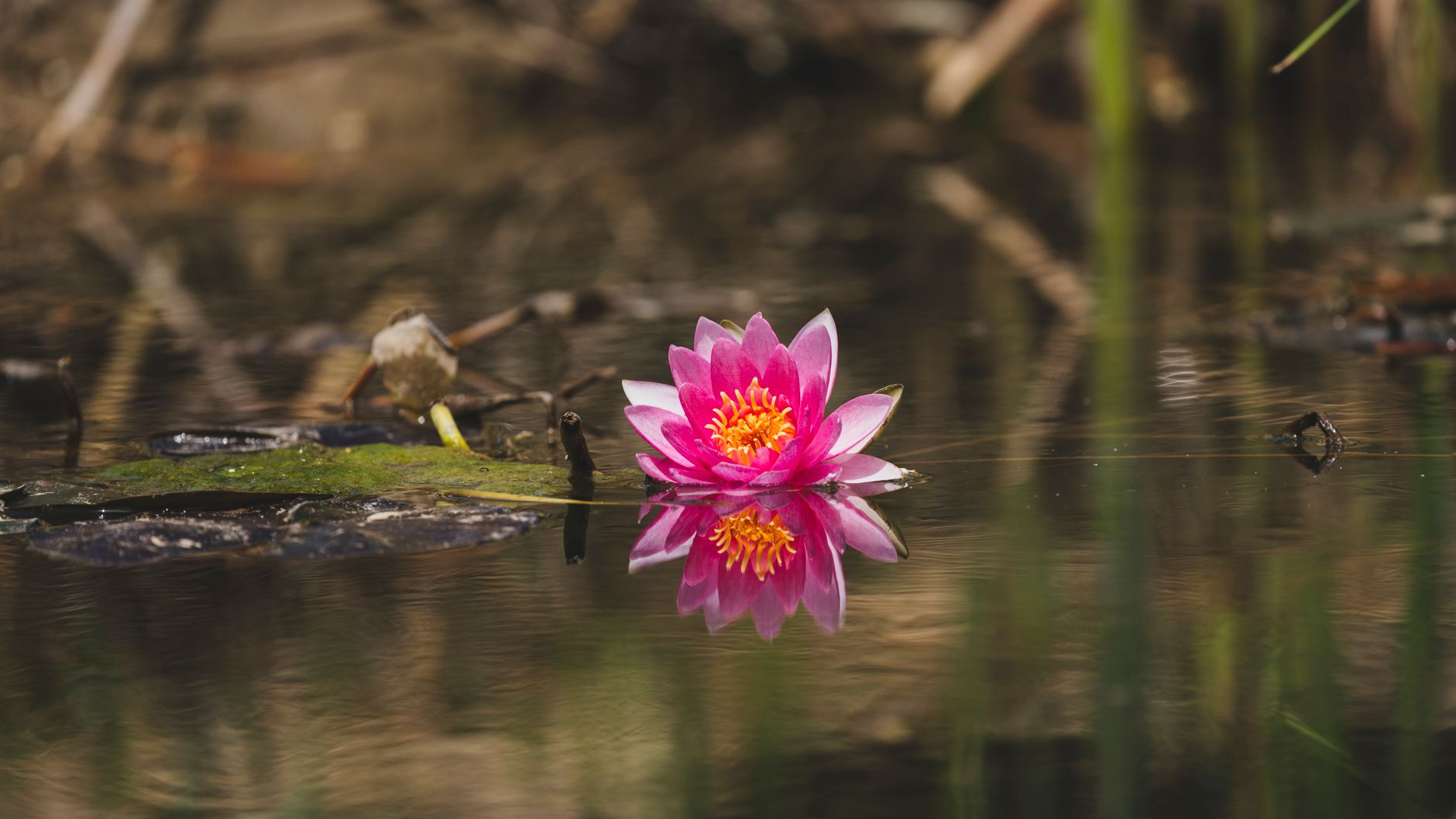
Lakes Fringed with Water Lilies and Lotus-Like Blooms
Eber Lake, west of Akşehir, is the most visually striking water in the basin. In spring and early summer its shallow margins fill with floating and emergent water plants, and patches of white-and-pink blossoms on round pads give the wetlands their lotus-like character. The reed belts that surround the lake are dense and full of sound at this time of year.
Akşehir Lake to the east stretches broad and shallow, with reedbeds, muddy flats and marshy edges that shift with the seasons. Water levels vary considerably from year to year, so the shoreline and the extent of vegetation change, and the characteristic blooms are best seen in spring rather than in high summer or autumn.
These are working, natural wetlands rather than curated parks. Treat plant and bird life with respect: stay on tracks and viewing points, do not wade into reedbeds or pick plants, and keep noise low near nesting areas.
Birdlife and Blooms: Why Spring and Early Summer Matter
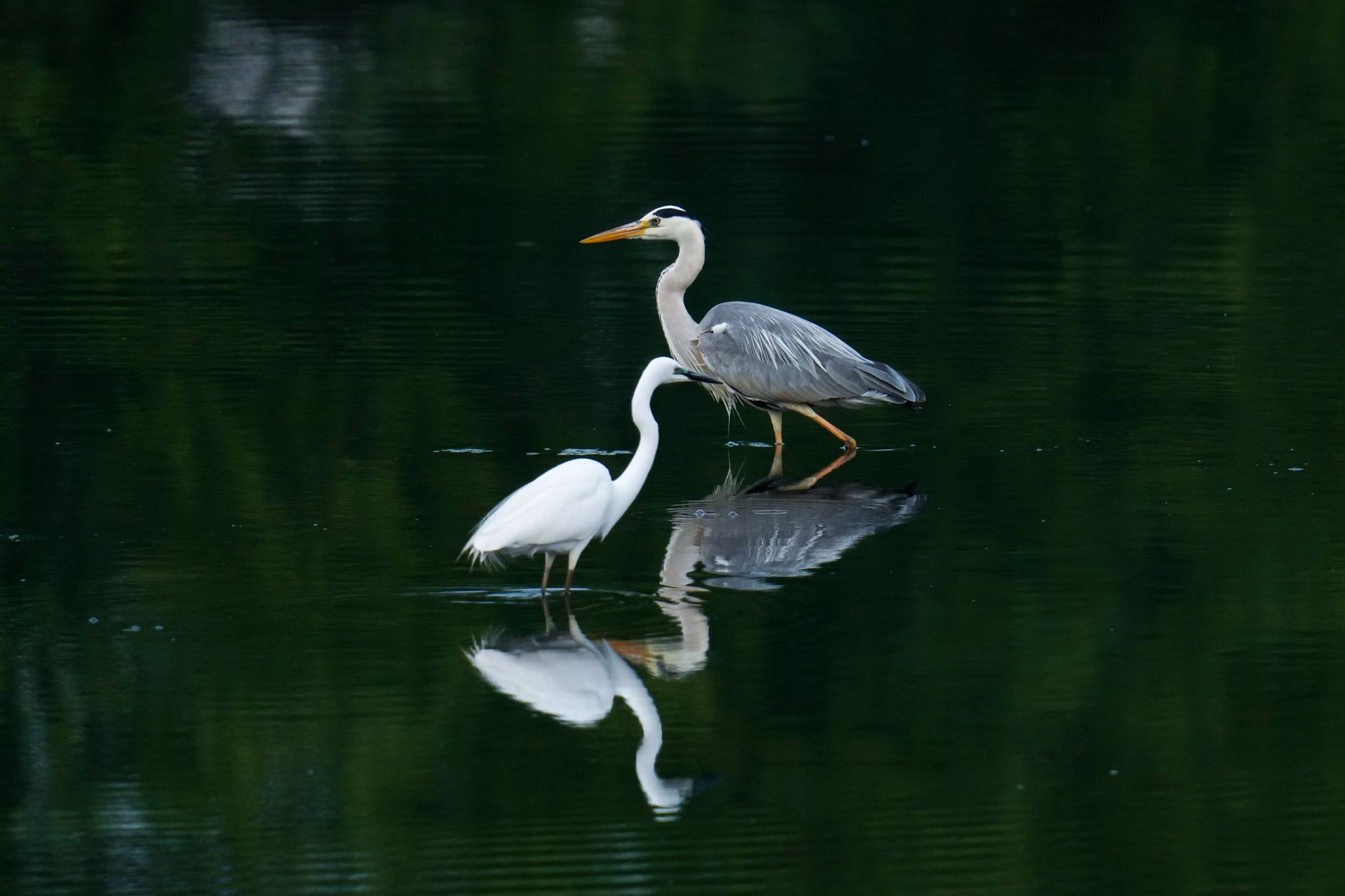
Spring and early summer are the best months by a wide margin. Vegetation is green and flowering, water levels are usually more generous, and the reedbeds are alive with birdsong and nesting activity. Grey herons, egrets, coots, moorhens and a range of smaller waterbirds are typically present, while warmer months bring songbirds and farmland species to the surrounding orchards and fields.
To be honest about wildlife viewing: this is not a managed reserve with guaranteed sightings or set viewing hides. Species mix and numbers depend on water levels, weather and the time of year, so what you see on any given day is a matter of chance. Bring binoculars if you have them, keep a respectful distance, and consider birds and their nests from the edge of habitats rather than from within them.
Spring is also when the surrounding countryside looks its best, with wildflowers in verges and flowering fruit trees near the villages. Early summer is still rewarding, though the vegetation peaks and then begins to dry through the heat of high summer.
Old Ottoman Streets and Friendly Market Towns
Akşehir is the main town of the basin and has a compact old centre worth an unhurried walk. Traditional houses, modest mosques and shaded lanes hint at its Ottoman past, and the town is closely associated with Nasreddin Hoca, the beloved folk philosopher whose stories are told across Anatolia. Local food culture, including Akşehir's own culinary specialties, is another reason to stay for a meal.
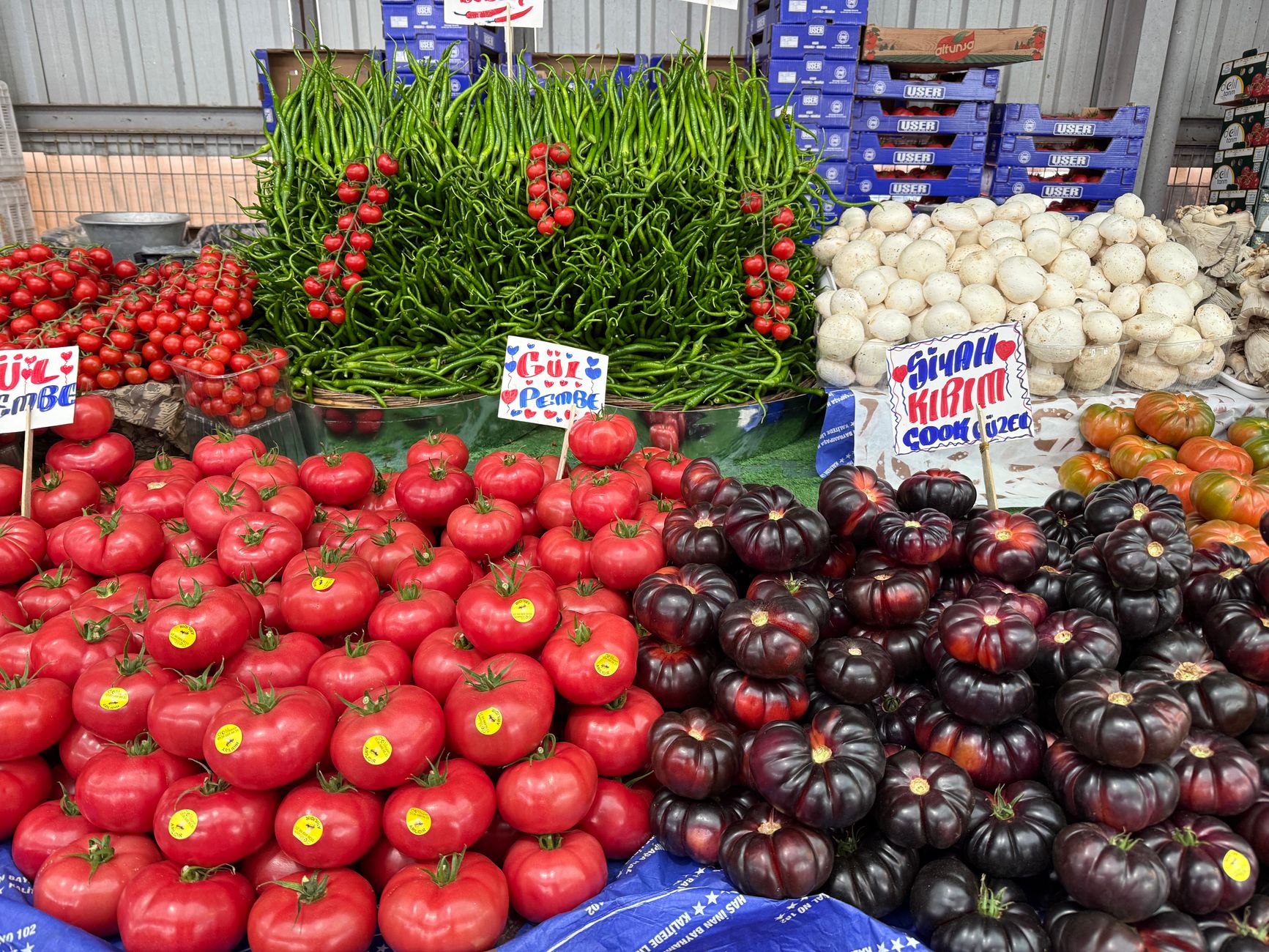
Smaller towns and villages around the lakes offer a slower version of the same pleasure: tea gardens, weekly markets where farmers sell produce, cheese and household goods, and shopkeepers happy to chat. Market day is the best time to see everyday town life and to buy seasonal fruit and vegetables cheaply.
The wider region, including the nearby old town of Yalvaç on the far side of the lakes, is dotted with traditional wooden houses and stone lanes. Wander on foot, ask before photographing people, and dress modestly when visiting mosques.
Fitting the Basin into an Afyonkarahisar-Konya Itinerary
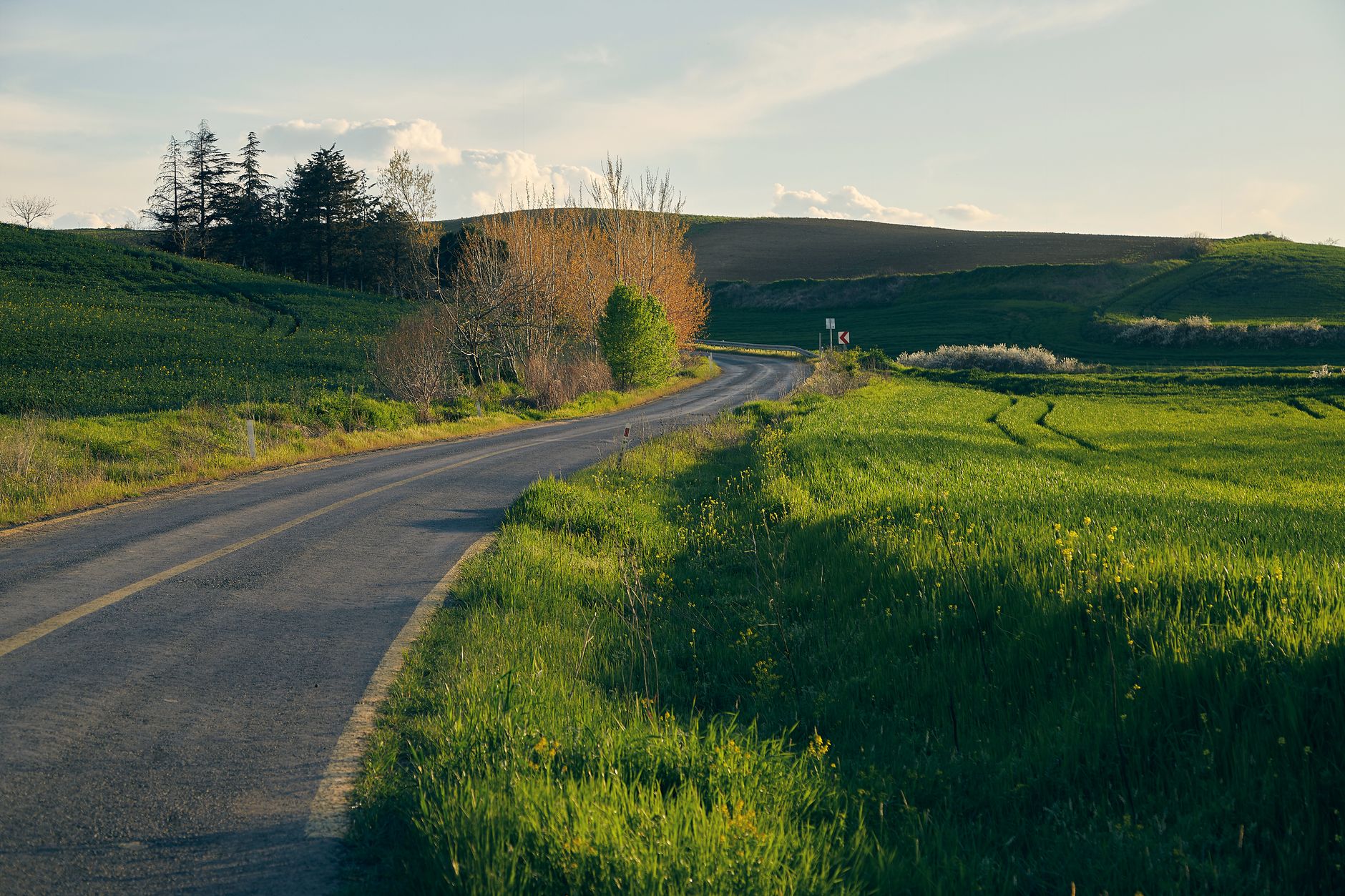
The basin fits naturally between the two cities. Coming from Afyonkarahisar, you can drop south toward the lakes for an afternoon or a night, then continue east to Akşehir and onward toward Konya. The drive is straightforward, and the roads through the basin are calm compared with the main corridor.
A relaxed version might be: one night near Eber Lake to walk and watch birds at dusk and dawn, then a morning in Akşehir's old centre and market, followed by the onward drive. Even a half-day stop adds depth to a route that is otherwise all highway and city.
If you are building a longer trip, our itineraries and route ideas show how inland detours like this connect, and the best time to travel guide helps you align the visit with spring blooms and comfortable temperatures rather than midsummer heat.
Practical Notes on a Quiet, Affordable Stop
Accommodation is modest: small hotels and guesthouses in Akşehir and a handful of rural stays, with simple but comfortable rooms and prices well below coastal Turkey. Eating is easy and cheap at local restaurants and tea gardens. A car is the most practical way to reach the lakes and small towns, and fuel, parking and entry to public areas are inexpensive.
Carry cash for small markets and village cafes, and plan around the fact that facilities are limited in remote spots. Wi-Fi and English may be thin outside Akşehir, so a translation app and offline maps help. Midsummer can be hot and dry, so time lake walks for early morning or late afternoon.
To prepare your trip, see our guides, use the trip planner to sketch a route, and check travel tools for practical planning aids. If you want a tailor-made version of this quiet lake detour, the experts can help.
Top Highlights
Popular Activities
Thinking about a trip to Turkey?
Share your contact details and a vetted local expert will follow up with a plan built around you — free, no obligation.
