

Aladağ Yaylas of Kahramanmaraş
Discover the Aladağ Yaylas: A Highland Escape
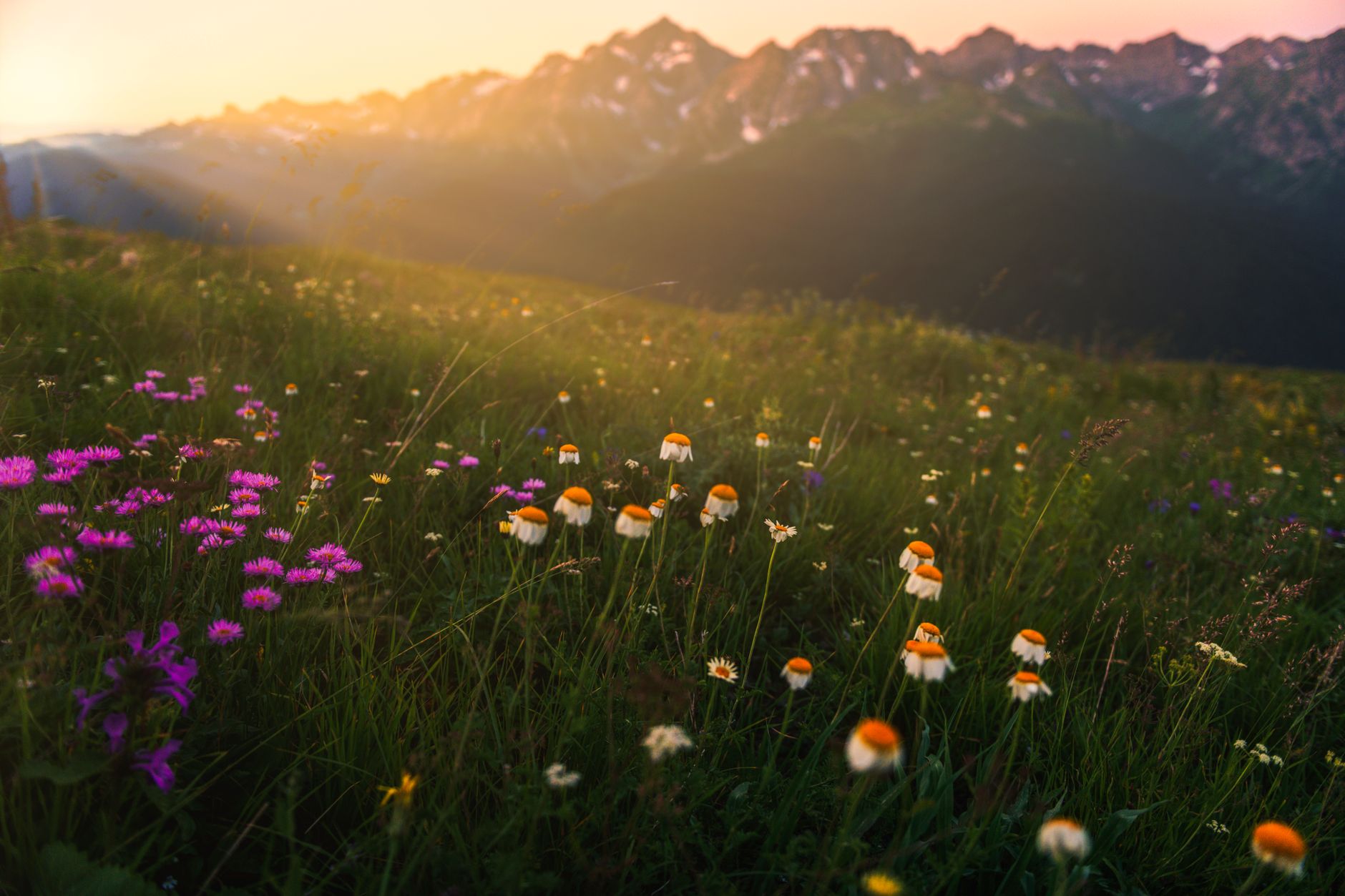
Perched high in the Aladağ Mountains of Kahramanmaraş, the yaylas (high summer pastures) are a world away from the heat of the Mediterranean coast. From June to September, these lush meadows come alive with the sound of cowbells, the scent of wild thyme, and the laughter of families who have migrated here for generations.
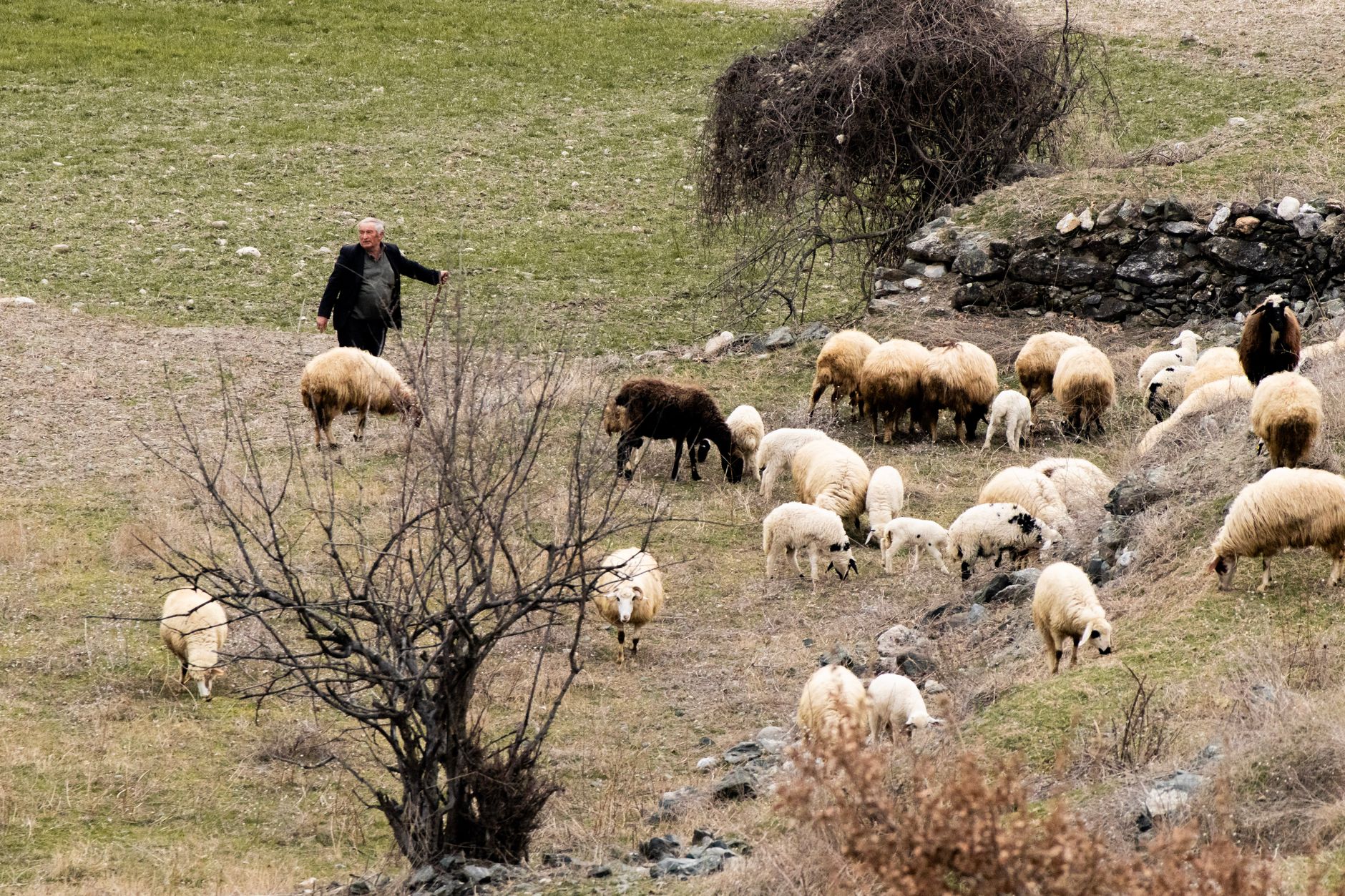
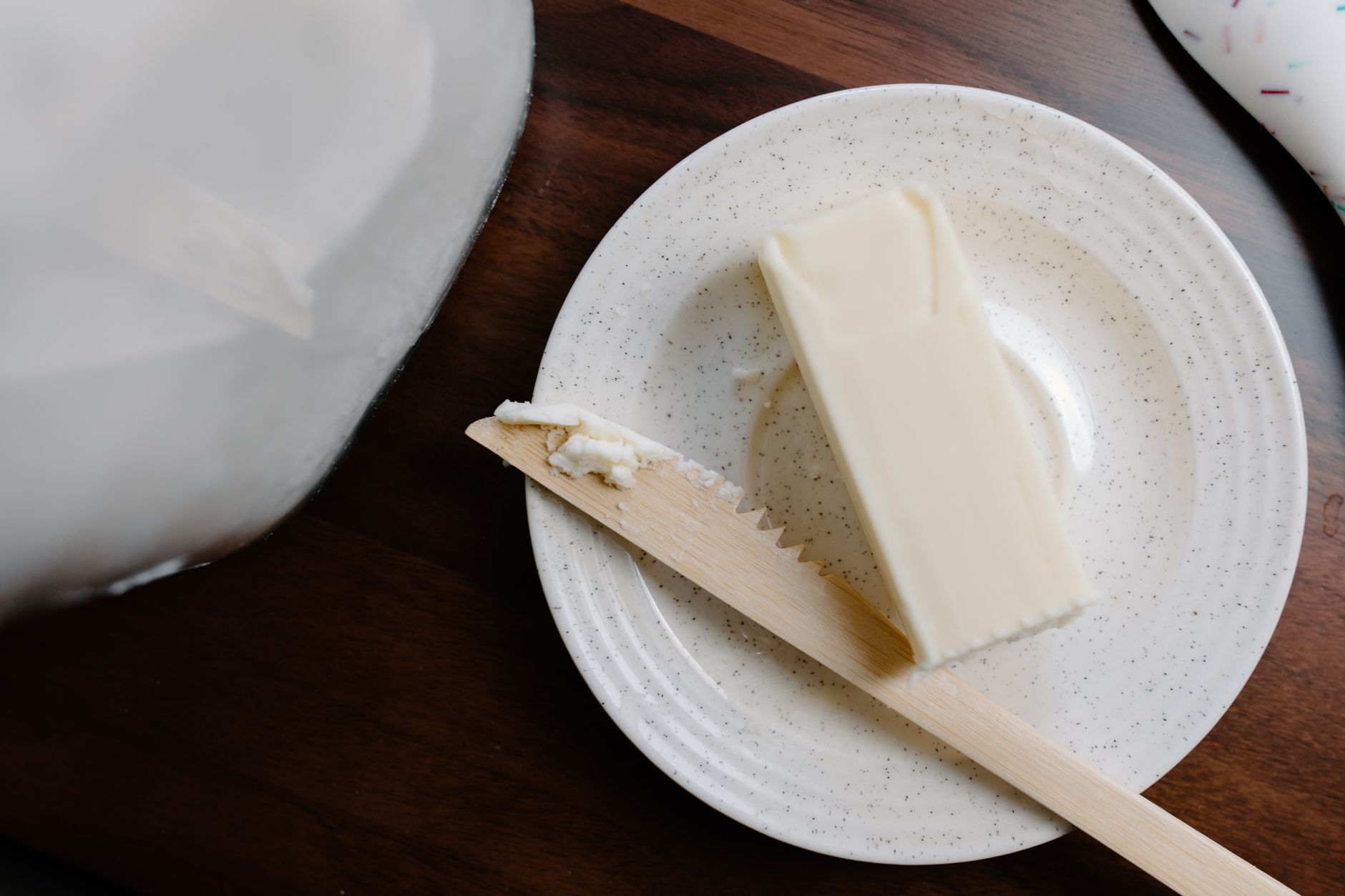
This is not a place of luxury hotels or curated attractions; it is a living landscape where pastoral traditions endure. Shepherds guide their flocks across flowering slopes, women churn butter in wooden churns, and evenings are spent around fires sharing stories and glasses of fresh ayran.
For travellers seeking an authentic connection with Anatolian culture, the Aladağ yaylas offer a rare glimpse into a way of life that has remained largely unchanged for centuries. The air is crisp, the hospitality is heartfelt, and the scenery is simply breathtaking.
When to Visit: Summer Timing and Conditions
The yayla season typically runs from late May to early September, with July and August being the peak months. During this time, the meadows are at their greenest, and the weather is pleasantly cool, offering a refreshing contrast to the lowland heat. Daytime temperatures range from 15°C to 25°C (59°F to 77°F), while nights can be chilly, often dropping to 5°C to 10°C (41°F to 50°F).
It's essential to pack layers, including a warm sweater and a waterproof jacket, as mountain weather can change rapidly. Afternoon thunderstorms are not uncommon, so plan your hikes for the morning. Also, be prepared for muddy paths if it has rained recently.
Keep in mind that the yayla is a seasonal destination; outside the summer months, many families descend to their villages, and facilities are limited. For the most vibrant atmosphere, aim for mid-July to mid-August when the high pastures are bustling with activity.
Getting There and Driving Conditions
The Aladağ yaylas are accessible via mountain roads from Kahramanmaraş city center, a drive of approximately 1.5 to 2 hours depending on your destination. The roads are generally paved but narrow and winding, with steep drop-offs in places. While a standard car can manage the main routes, a high-clearance vehicle is recommended for exploring smaller tracks.
Driving here requires caution: expect hairpin bends, livestock on the road, and occasional rockfall. It's advisable to drive during daylight hours and to check local weather forecasts before setting out. Fuel up in the city or larger towns, as petrol stations are scarce in the highlands.
Public transport is limited; a few minibuses (dolmuş) run to some yayla villages, but schedules are irregular. Renting a car gives you the flexibility to discover remote spots at your own pace. For more on navigating Turkey's rural roads, see our travel guides.
What to See and Do
The Aladağ yaylas are a paradise for nature lovers. Hiking trails crisscross the meadows, leading to panoramic viewpoints, glacial lakes, and hidden waterfalls. The region is also rich in flora, with over 200 species of wildflowers, including rare orchids and endemic plants.
Immerse yourself in the pastoral life: watch sheep being milked, learn how cheese and yogurt are made, or join a family for a meal of fresh bread, honey, and herbs. Birdwatchers will delight in spotting raptors such as golden eagles and buzzards soaring overhead.
Don't miss the opportunity to sample the local produce: wild strawberries, mushrooms, and herbs gathered from the slopes. Many families sell homemade goods like butter, cheese, and molasses. For a deeper cultural experience, time your visit to coincide with a village wedding or festival—ask locally for dates.
Respectful Visits: Etiquette and Sustainability
The yayla is first and foremost a home for the families who live there. Always ask before taking photographs of people or their homes. A friendly greeting—"Merhaba" or "Günaydın"—goes a long way. When invited for tea or a meal, it's polite to accept, even if just a small glass.
Dress modestly, especially when entering tents or homes, and remove your shoes. Avoid disturbing livestock and keep a respectful distance from shepherds' dogs. Carry out all your rubbish, as waste disposal is limited, and use biodegradable products where possible.
Support the local economy by purchasing homemade products directly from families. If you're interested in responsible tourism practices in Turkey, our trust page outlines our commitment to sustainable travel.
Where to Stay and Eat
Accommodation is simple: guesthouses in villages like Göksun or Afşin offer basic rooms, while some families rent out spare rooms in their yayla houses. Camping is possible in designated areas but requires permission from local authorities. For a more comfortable stay, consider basing yourself in Kahramanmaraş and taking day trips.
Food is a highlight: fresh trout from mountain streams, hearty soups, and tarhana (a fermented grain soup) are staples. Breakfasts often feature village bread, honey, and clotted cream (kaymak). Vegetarians will find plenty of options, from stuffed vegetables to wild herb salads.
For a list of recommended places to eat and stay, check our destinations page for Kahramanmaraş. Also, see our itineraries for suggested routes that include the yaylas.
Practical Tips for Your Visit
Mobile phone signal is patchy in the highlands, so download offline maps before you go. Carry cash—ATMs are rare. Bring a first-aid kit, sun protection, and insect repellent. If you plan to hike, inform someone of your route.
Learn a few Turkish phrases; locals appreciate the effort. "Teşekkürler" (thank you) and "çok güzel" (very beautiful) will bring smiles. Most importantly, slow down and embrace the yayla pace of life—it's the best way to experience the magic of these mountains.
For more advice on planning your trip, visit our trip planner or FAQ section.
Top Highlights
Popular Activities
Thinking about a trip to Turkey?
Share your contact details and a vetted local expert will follow up with a plan built around you — free, no obligation.
