

The Amik Plain and Hatay's Orchard Villages: Apricots, Pomegranates and Village Breakfasts
A Fertile Plain at the Crossroads of Civilizations
The Amik Plain (Amik Ovası) lies at the northern end of the Levant, a flat, generously watered basin ringed by the Nur and Akra mountains. For thousands of years this soil has been farmed — wheat, cotton, vegetables and, above all, fruit. Hatay's orchards are part of the region's identity, and the plain is often called Türkiye's fruit basket.
The plain sits just east of Antakya, the ancient city of Antioch, and the villages scattered across it keep traditions that stretch back through Roman, Byzantine, Seljuk and Ottoman layers. Arabic, Turkish and Alevi cultures mix here, and that mix shows most clearly at the table.
After the devastating earthquakes of February 2023, the region is steadily rebuilding its visitor economy. Travel here supports local growers, family kitchens and small guesthouses — but you should always check current travel updates and local advice before planning a trip.
Spring Blossom Drives Through the Orchards
From late February through April, the Amik Plain and the surrounding valleys stage one of the Mediterranean's great blossom shows. Almond trees flower first, then apricots, plums, cherries and later citrus. Whole stretches of road run between walls of white and pale pink.
A classic loop starts in Antakya and heads east across the plain toward the villages around Harbiye, Döver and Altınözü, where apricot and pomegranate orchards dominate. Another rewarding route climbs toward the foothills of the Nur Mountains, where terraced groves look down over the flatland.
Go slowly and be ready to stop. Farmers are used to curious visitors, and a polite request to walk a few rows of trees is usually met with a smile. Bring a light jacket — spring mornings on the plain can be cool and breezy.
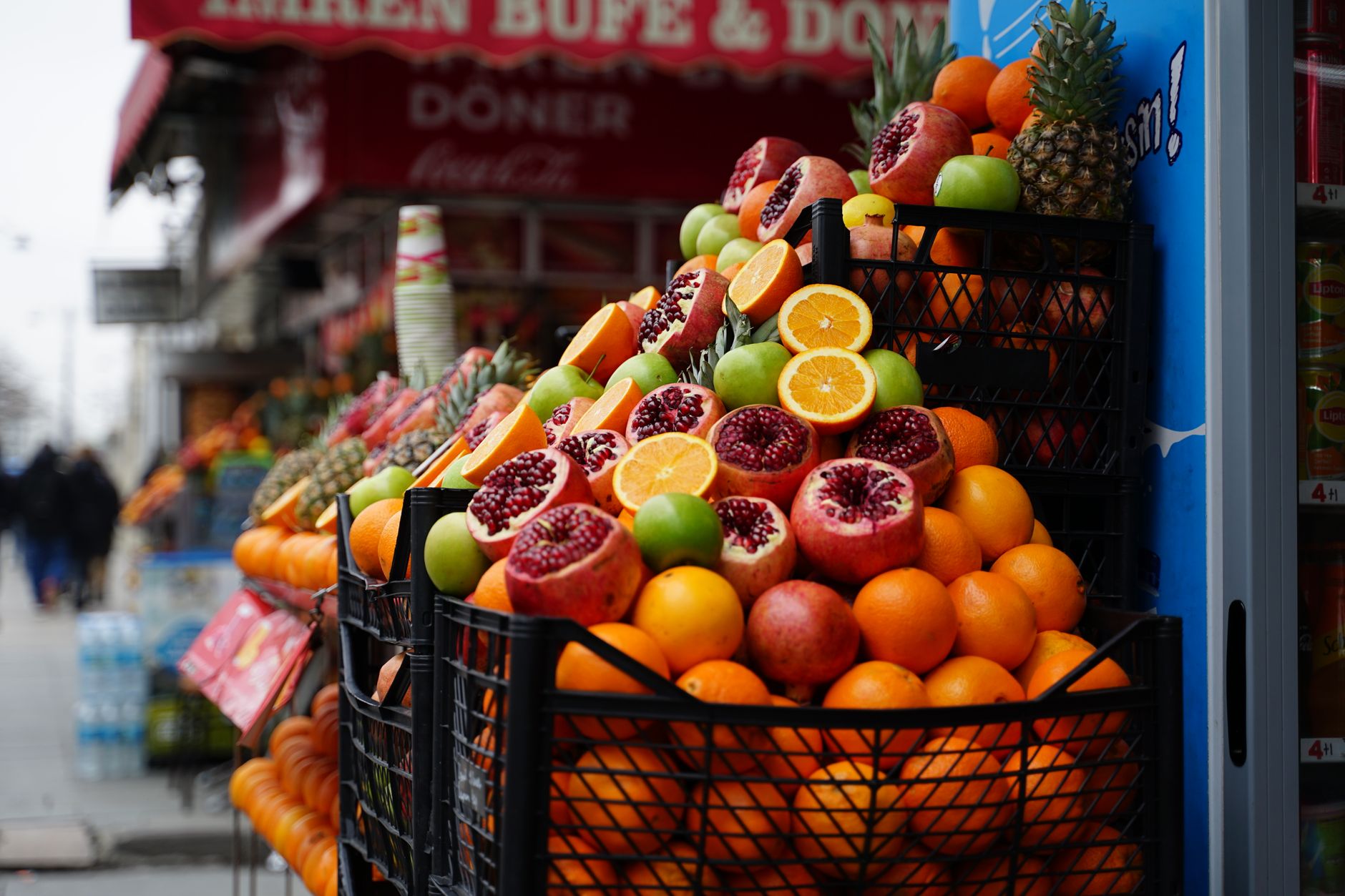
Late-Summer Fruit Stands and Market Days
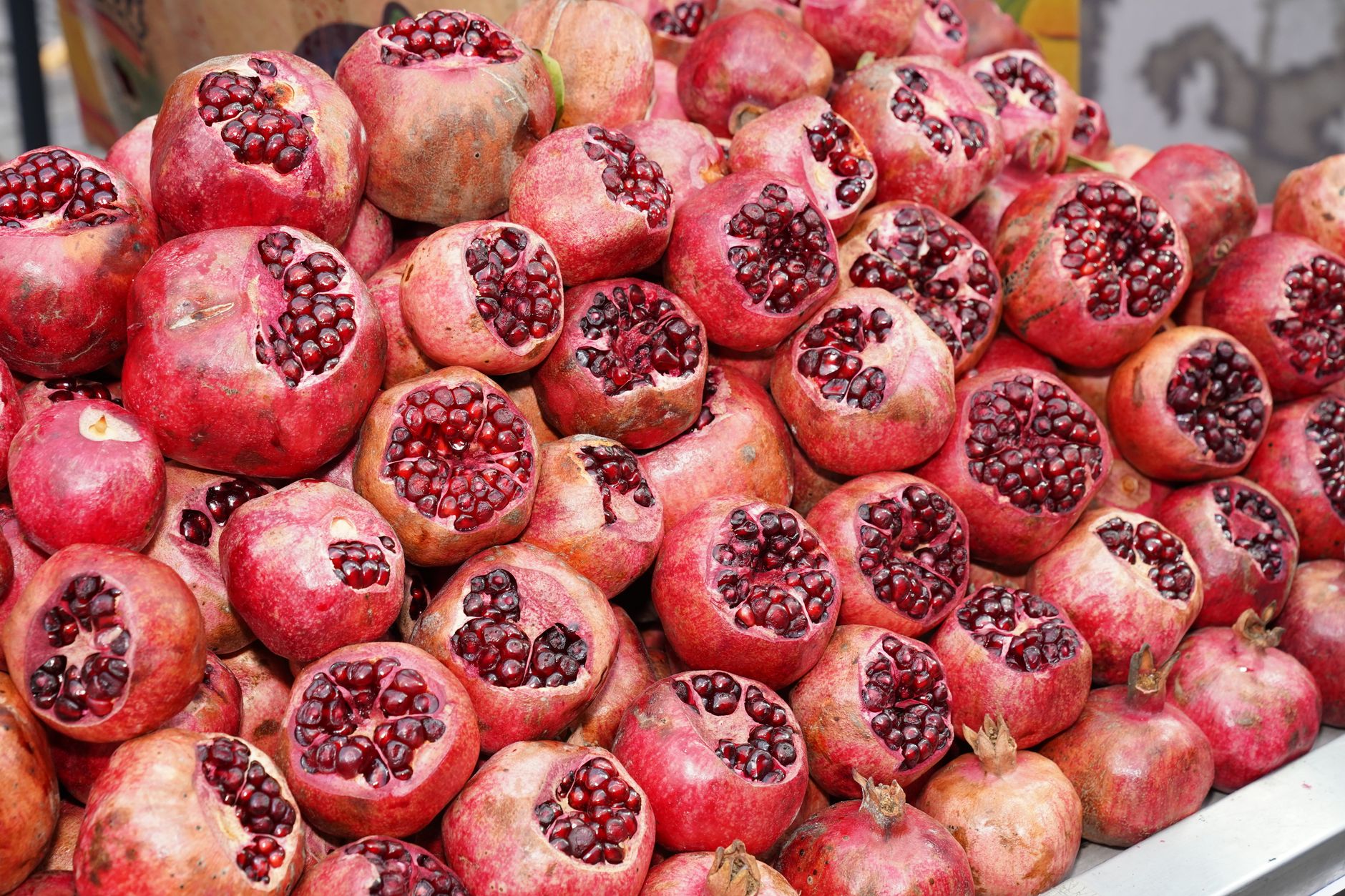
By July and August the plain has turned gold and the roadside stands appear in force. Piled high are apricots, peaches, pomegranates, figs, grapes, melons and the region's famous olives. Many stands are run by the same families who grow the fruit, and they will happily let you taste before you buy.
Antakya's markets have long been the heart of this trade, and village markets across the plain still run on set days of the week. Even as the city recovers, these weekly markets are reviving and are among the best places to meet producers directly.
Look out for Hatay specialties alongside the fresh fruit: dried apricots, pomegranate molasses (nar ekşisi), olive oil, spicy pepper pastes and syrups made from locally grown fruit. Buying directly puts money straight into farming families' hands.
Village Breakfast: The Main Event
If there is one thing Hatay does better than almost anywhere in Türkiye, it is breakfast. A village kahvaltı here is not a quick meal — it is a long, generous spread that can easily run two hours.
Expect a table crowded with small plates: white cheese and string cheese, olives cured in the local style, tomatoes and cucumbers from the garden, walnuts, honey and clotted cream (kaymak), jams made from apricot, fig and rose, eggs cooked with peppers and tomatoes, and endless rounds of warm bread. Tea keeps coming until you surrender.
Many orchard villages serve breakfast on shaded terraces overlooking the groves, often with ingredients grown a few metres away. It is worth asking your accommodation or a local guide to point you toward a family-run place rather than a large commercial restaurant.
Beyond the Table: Villages, Views and Slow Days
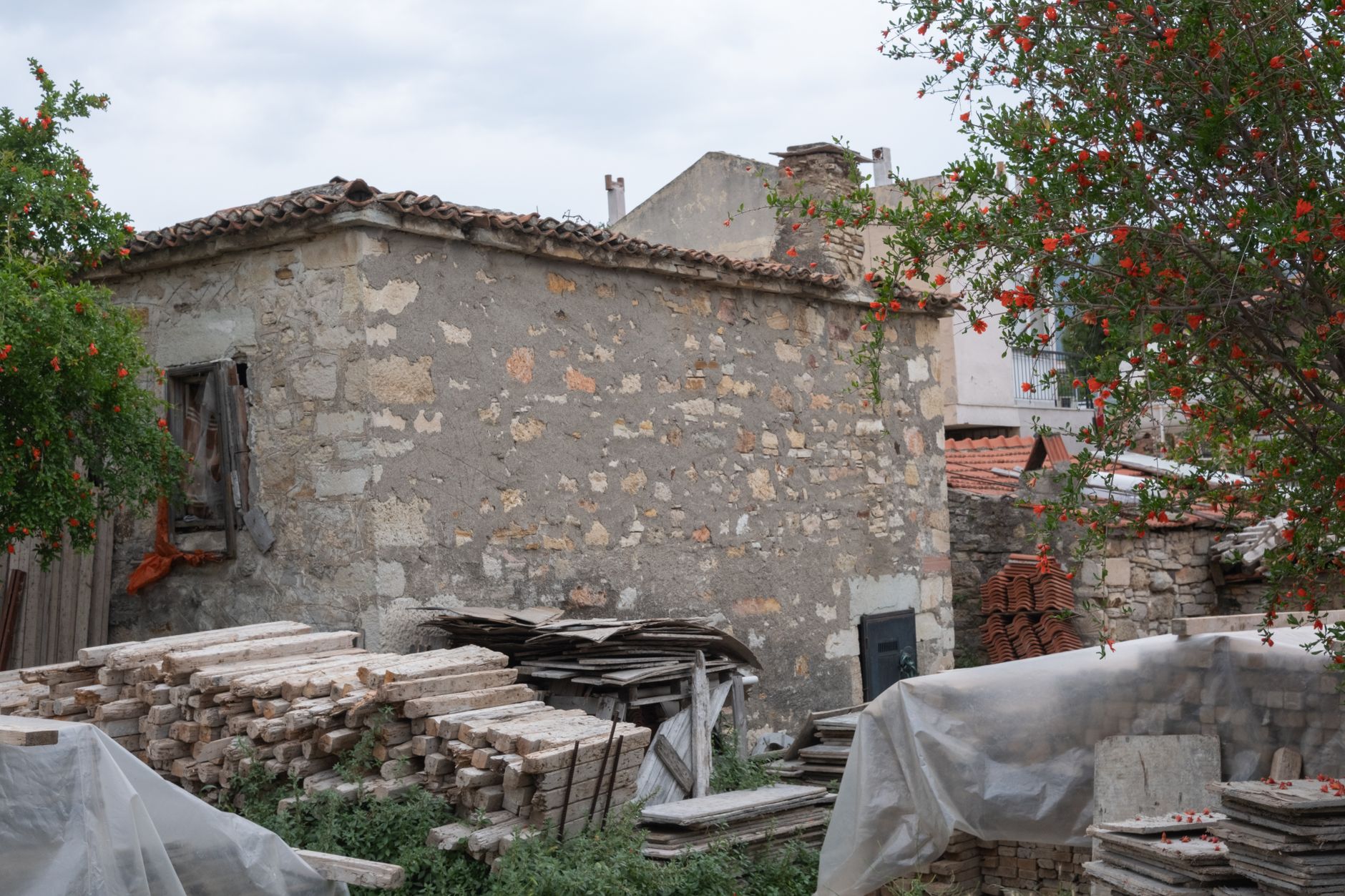
The orchard villages themselves reward wandering. Stone houses, mosque minarets, old olive presses and irrigation channels give the plain its rhythm. Around Altınözü and the slopes toward Yayladağı, views open across the whole basin.
Combine orchard time with nearby draws: the waterfalls and restaurants of Harbiye, the mosaic collections and old streets of Antakya, and the dramatic coast around Samandağ. Many travellers base themselves in Antakya and day-trip across the plain.
This is slow travel at its best — hire a car or arrange a driver, keep the schedule loose, and let the orchards and kitchens set the pace.
Practical Notes for a Responsible Visit
The region is rebuilding its visitor economy and every booking, meal and purchase helps. At the same time, some areas and services remain affected by recovery work, so check current travel updates and local conditions before you go.
Spring (March–April) is best for blossom; late summer (July–September) is best for fruit stands and markets. Wear comfortable shoes, carry cash for small stands, and learn a few words of Turkish or Arabic — both are spoken here.
Respect the farms: ask before entering orchards, don't pick without permission, and don't photograph people without consent. A warm welcome awaits those who travel thoughtfully.
Top Highlights
Popular Activities
Thinking about a trip to Turkey?
Share your contact details and a vetted local expert will follow up with a plan built around you — free, no obligation.
