

The Asarkale and Yeşilırmak Gorge: Amasya's Riverside Fortress and Orchards
Where the River Carves History
The Yeşilırmak River slices through the heart of Amasya, creating a dramatic gorge where the rock walls rise steeply above the water. At its narrowest point, the Asarkale fortress clings to the cliff, a silent witness to centuries of civilisations. This is not just a natural wonder; it is an accessible ancient treasure that invites you to hike, photograph and linger over tea in riverside gardens.
Unlike many remote canyons, the gorge is right on the edge of Amasya city, making it easy to combine a morning of exploration with an afternoon of apple orchards and traditional village breakfasts. The area is a favourite among locals and a growing number of travellers seeking gentle Anatolian countryside charm.
Rock-Cut Tombs and Castle Viewpoints
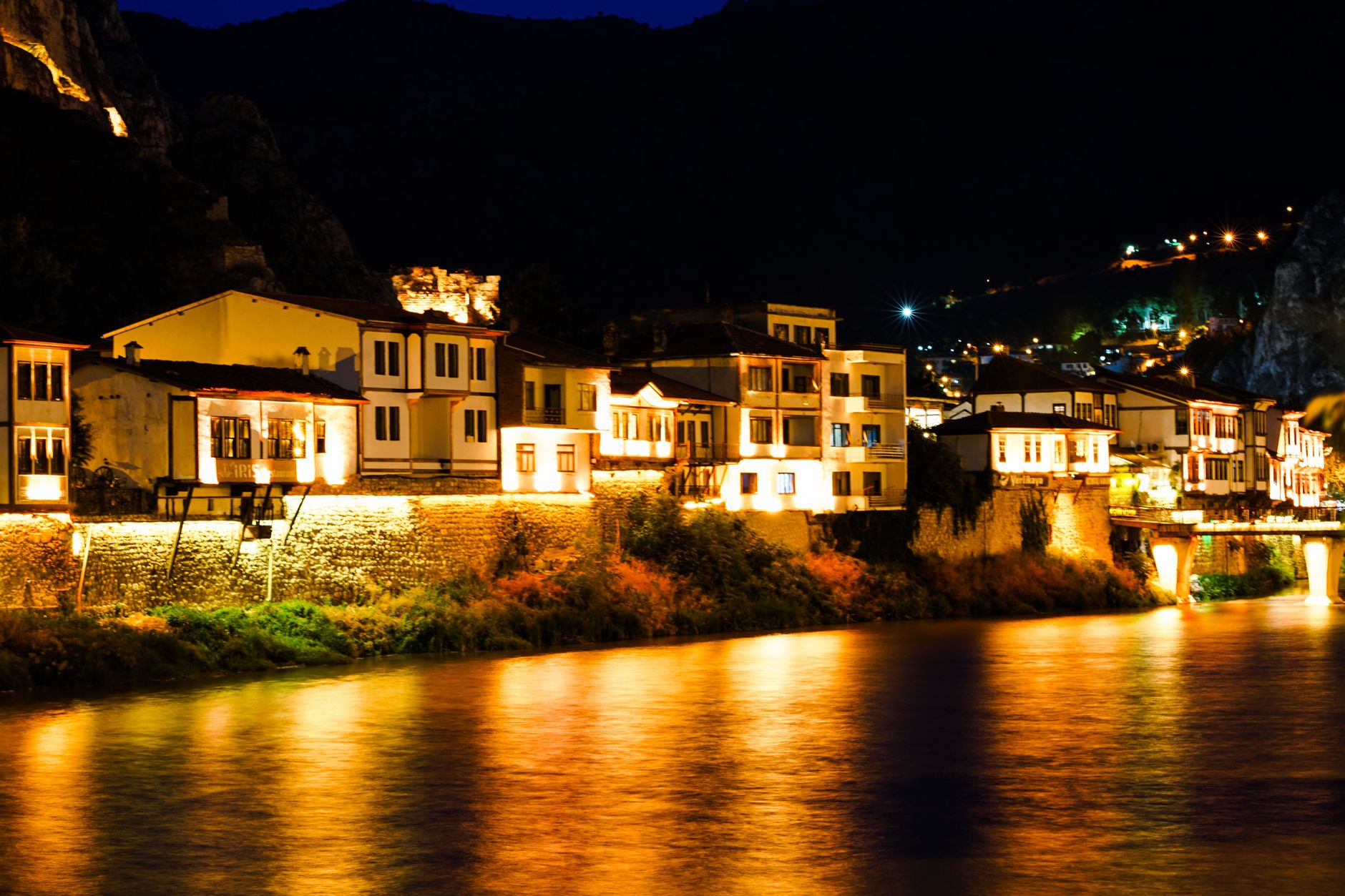
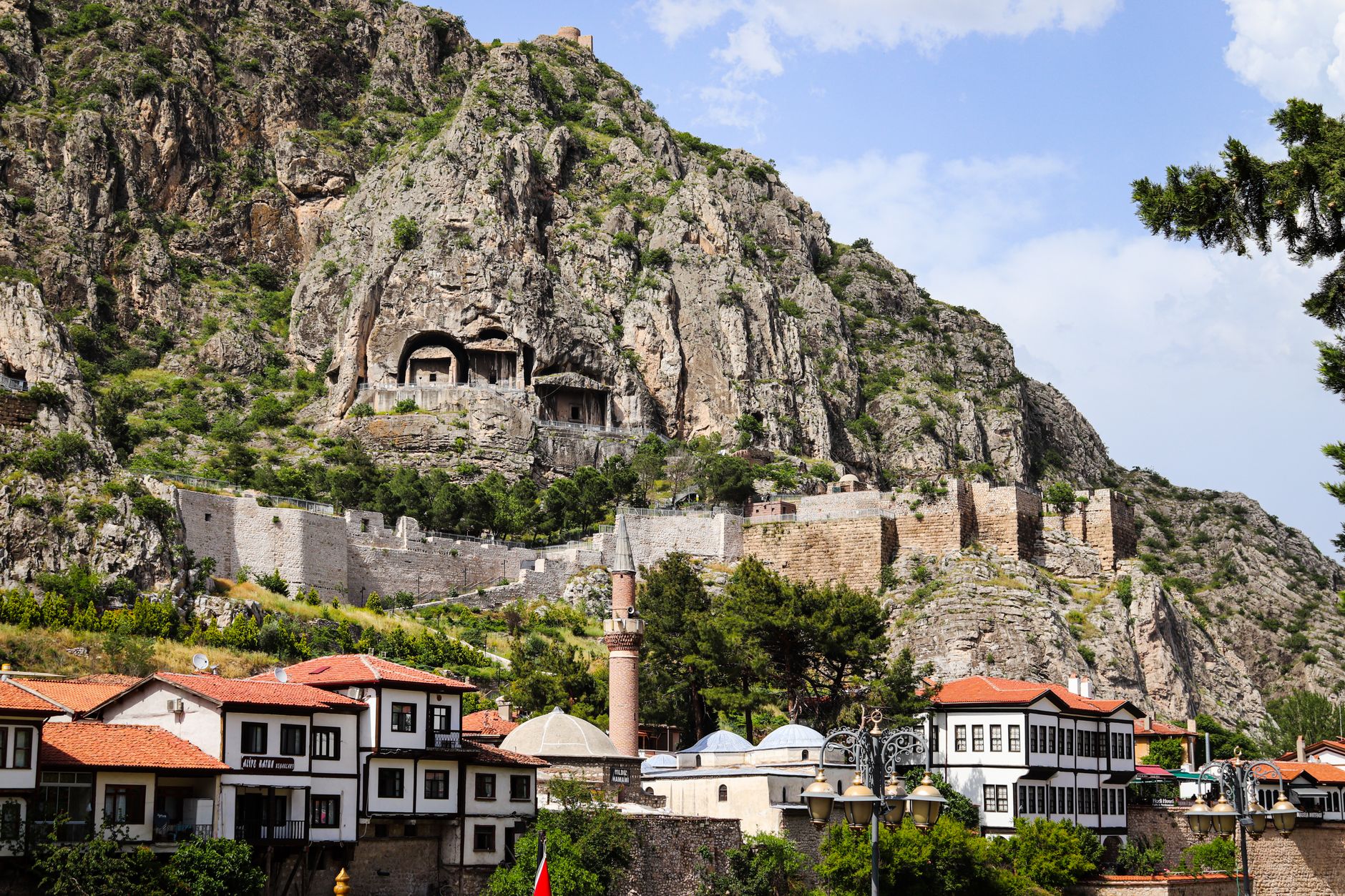
The most iconic sight is the Pontic rock tombs, carved high into the limestone cliffs on the southern bank. These tombs, dating back to the 4th century BC, are illuminated at night and offer a breathtaking panorama from the riverside. For the best view, climb to the Asarkale fortress on the opposite side; the effort is rewarded with a sweeping vista of the gorge, the tombs and the patchwork of orchards below.
Photographers will find golden hour particularly magical, when the warm light paints the rock faces and the river reflects the sky. A series of well-marked trails lead to various viewpoints, each offering a different perspective of the fortress and the valley.
“The view from Asarkale is like stepping into a living history book, with the river whispering stories of kings and commoners.”
Hiking the Gorge and Riverside Trails
Hiking in the Yeşilırmak Gorge is a joy for all levels. The riverside promenade stretches for kilometres, perfect for a leisurely stroll or a morning run. More adventurous walkers can tackle the steep path up to Asarkale, which takes about 30–45 minutes and involves some rocky sections. The reward is a 360-degree view that encompasses the entire city and the winding river.
For a longer hike, follow the orchard trails that lead into the surrounding villages. These paths are lined with apple, cherry and mulberry trees, and in spring the blossoms create a snow-like spectacle. The terrain is gentle, making it suitable for families with older children.
- Riverside promenade: 2 km, flat, suitable for all
- Asarkale ascent: 1.5 km, steep but manageable
- Orchard loop: 5 km, gentle hills, village cafes en route

Tea Gardens and Apple Orchards
No visit to Amasya is complete without spending time in a riverside tea garden. These charming spots, tucked along the Yeşilırmak, serve çay in tulip-shaped glasses and offer a peaceful place to watch the world go by. Many have wooden decks over the water, where you can dip your feet and enjoy the cool breeze.
The surrounding countryside is famed for its apple orchards. In autumn, the trees are heavy with fruit, and local families welcome visitors to pick their own. A traditional village breakfast, served in an orchard or a rustic farmhouse, is a highlight: think fresh cheese, olives, honey, homemade jams, and endless cups of tea. It’s a taste of authentic Anatolian hospitality.
For a deeper cultural experience, check our guides for suggestions on local customs and seasonal festivals.
Practical Routing from Amasya City
The gorge is easily accessible from Amasya city centre. Most visitors start at the riverside promenade near the old bridge, from where you can see the rock tombs. To reach Asarkale, cross the bridge and follow the signs; the trailhead is near the northern end of the promenade. The hike up takes about 45 minutes at a relaxed pace.
For the orchard trails, head north from the city along the river; buses and dolmuşes run regularly to the surrounding villages. If you prefer a guided experience, local experts can arrange tours that include breakfast and a visit to a working orchard. See our experts page for recommended local guides.
Amasya is well-connected by bus and air; the nearest airport is Amasya Merzifon. From the city centre, taxis and minibuses are available. For a full day of exploration, start early to avoid the midday heat in summer.
Best Time to Visit and What to Pack
Spring (April–June) and autumn (September–November) are the ideal seasons. Spring brings blossoming orchards and comfortable hiking temperatures, while autumn offers apple harvest and golden foliage. Summers can be hot, so plan hikes for early morning or late afternoon. Winters are cold but the gorge has a stark beauty, and the tea gardens are cosy with stoves.
Pack sturdy walking shoes, a hat, sunscreen, and a water bottle. Don’t forget your camera—the light on the rock tombs at sunset is unforgettable. A light jacket is useful for breezy evenings by the river.
For more inspiration on routes and itineraries, explore our routes section or use the planner to create your custom trip.
Where Ancient Wonder Meets Countryside Charm
The Asarkale and Yeşilırmak Gorge area is a perfect blend of dramatic history and gentle rural life. It’s a place where you can hike to a fortress, sip tea by the river, and bite into a freshly picked apple—all in one day. Whether you’re a photographer chasing the perfect shot, a hiker seeking moderate trails, or a traveller looking for authentic experiences, Amasya’s gorge delivers.
Come and discover why this accessible ancient wonder remains one of Turkey’s most underrated destinations. For more ideas on what to see and do, browse our destinations page.
Top Highlights
Popular Activities
Thinking about a trip to Turkey?
Share your contact details and a vetted local expert will follow up with a plan built around you — free, no obligation.
