

Avanos Pottery Quarter and the Kızılırmak Workshops
Why Avanos Is Turkey's Clay Country
Avanos sits on the banks of the Kızılırmak — literally the "Red River" — whose silty water has deposited the fine, workable clay that made this town a pottery centre for centuries. Long before Cappadocia's balloons, Avanos potters were turning that red earth into jugs, bowls, water pipes and wine vessels for the whole region.
What makes Avanos special today is that the craft never became a museum piece. Walk into the Pottery Quarter (Çömlekçiler Çarşısı) and you'll find real working ateliers, not just showrooms: wheels spinning, kilns humming and families who can trace their trade back through generations.
Almost everything you'll see is made from local river clay dug nearby, shaped by hand or on a kick wheel, sun-dried, then fired in wood or gas kilns. Many workshops welcome visitors to watch, ask questions and try it themselves — no appointment culture, just Cappadocian hospitality.
Inside the Pottery Quarter
The Pottery Quarter is a compact cluster of ateliers, shops and courtyards just off the town centre, easy to explore on foot in an hour or two. Start by wandering without an agenda and following the sound of wheels and the smell of wet clay.
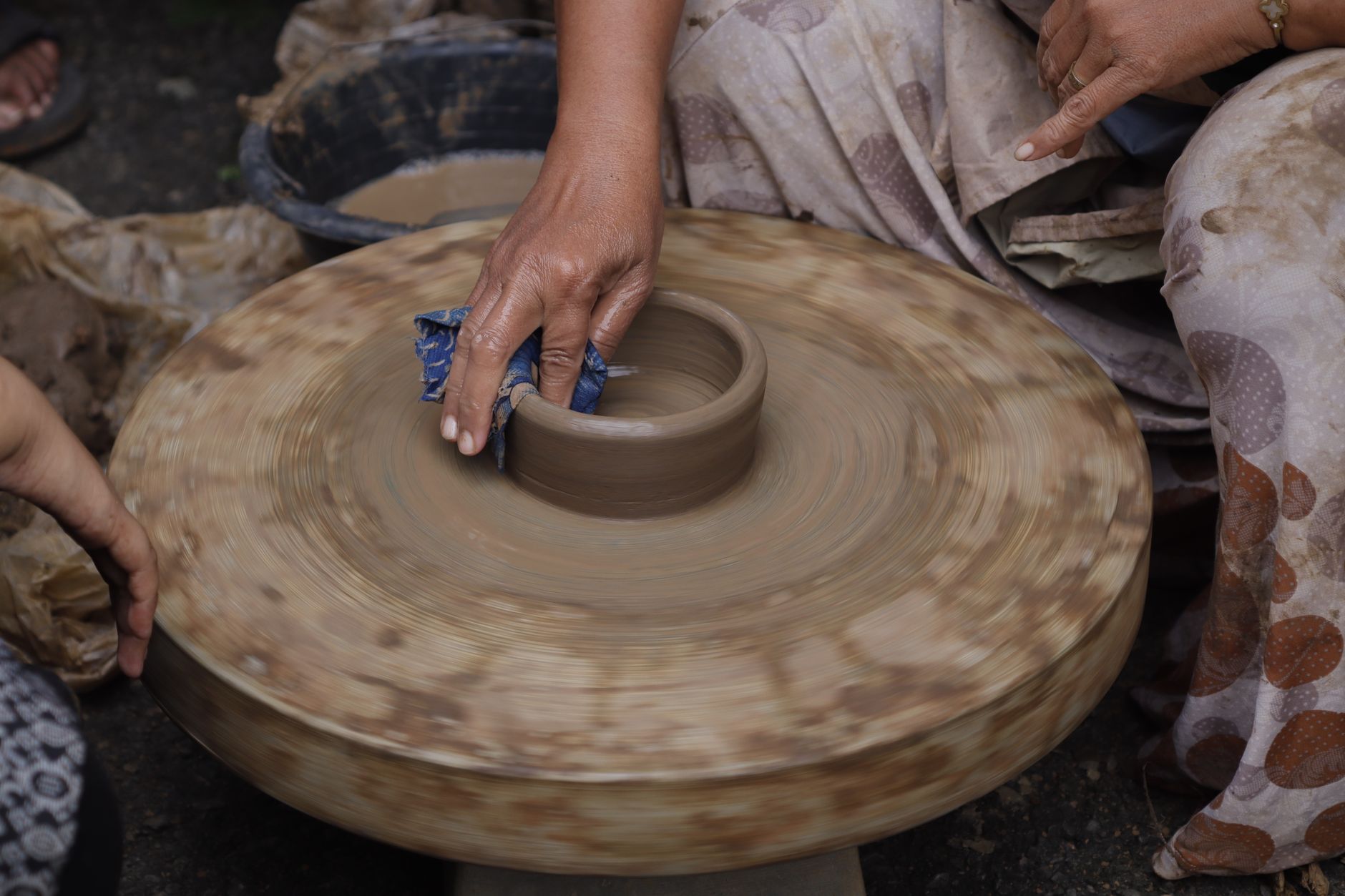
You'll see a mix of styles: traditional testi water jugs and amphora shapes, glazed bowls in turquoise and cobalt, and playful modern pieces by younger potters returning to the family trade. Many workshops also demonstrate the dramatic kick-wheel throwing technique, where the potter spins the wheel with a foot while shaping the clay — hypnotic to watch.
Prices are fair and negotiable in a friendly way, and most studios are happy to explain the difference between hand-thrown, hand-painted and mould-made pieces — a useful conversation before you buy.
Joining a Hands-On Workshop
Most Avanos ateliers offer short taster sessions of 30–60 minutes where you centre clay on the wheel with a potter's hands guiding yours, plus longer half-day workshops if you want to learn trimming, glazing or hand-building.
Practical tips: wear clothes you don't mind staining (clay washes out, but the memory of the mess is part of the fun), bring a hair tie, and expect to book a day ahead in high season. Prices are modest, and many workshops include a finished, fired piece — though it may need to be shipped or collected later since firing takes time.
Ask upfront whether your piece gets fired and glazed, how long it takes, and whether shipping to your home country is offered. Many families will happily pack and post for you — a lovely way to support the artisan directly.
Workshops are relaxed and beginner-friendly; children and complete novices are warmly welcomed. If you're into deeper learning, look for longer sessions on Cappadocia itineraries that build in a proper studio morning.
Choosing a Keepsake Made in Avanos
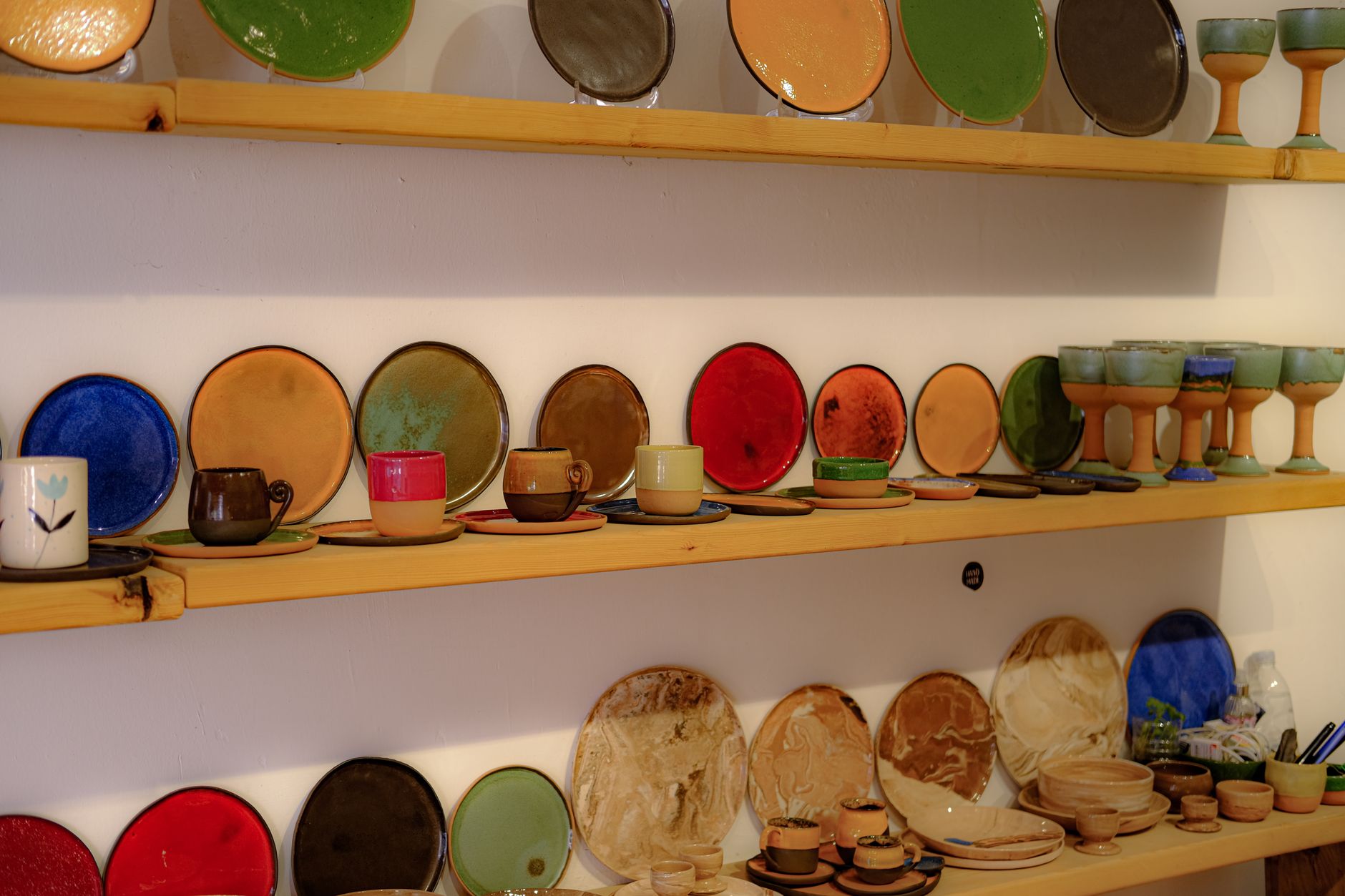
A hand-thrown mug, a small glazed bowl or a classic testi jug makes a meaningful souvenir, and knowing the maker makes it personal. Look for pieces with a visible maker's mark or workshop stamp, and ask who threw, painted and fired it.
For travel practicality, keep pieces small and well-wrapped; many shops offer foam-and-box packing or shipping. Hand-painted tiles and tiny bowls are easy to carry. If you're shipping, confirm insurance and tracking numbers before you leave.
Prices vary widely: a small hand-thrown bowl might cost the price of a coffee, while a large hand-painted platter is a genuine investment. Buying directly from the workshop means more money reaches the artisan family — a small act of support for a craft worth keeping alive.
Pairing Pottery with a Riverside Lunch
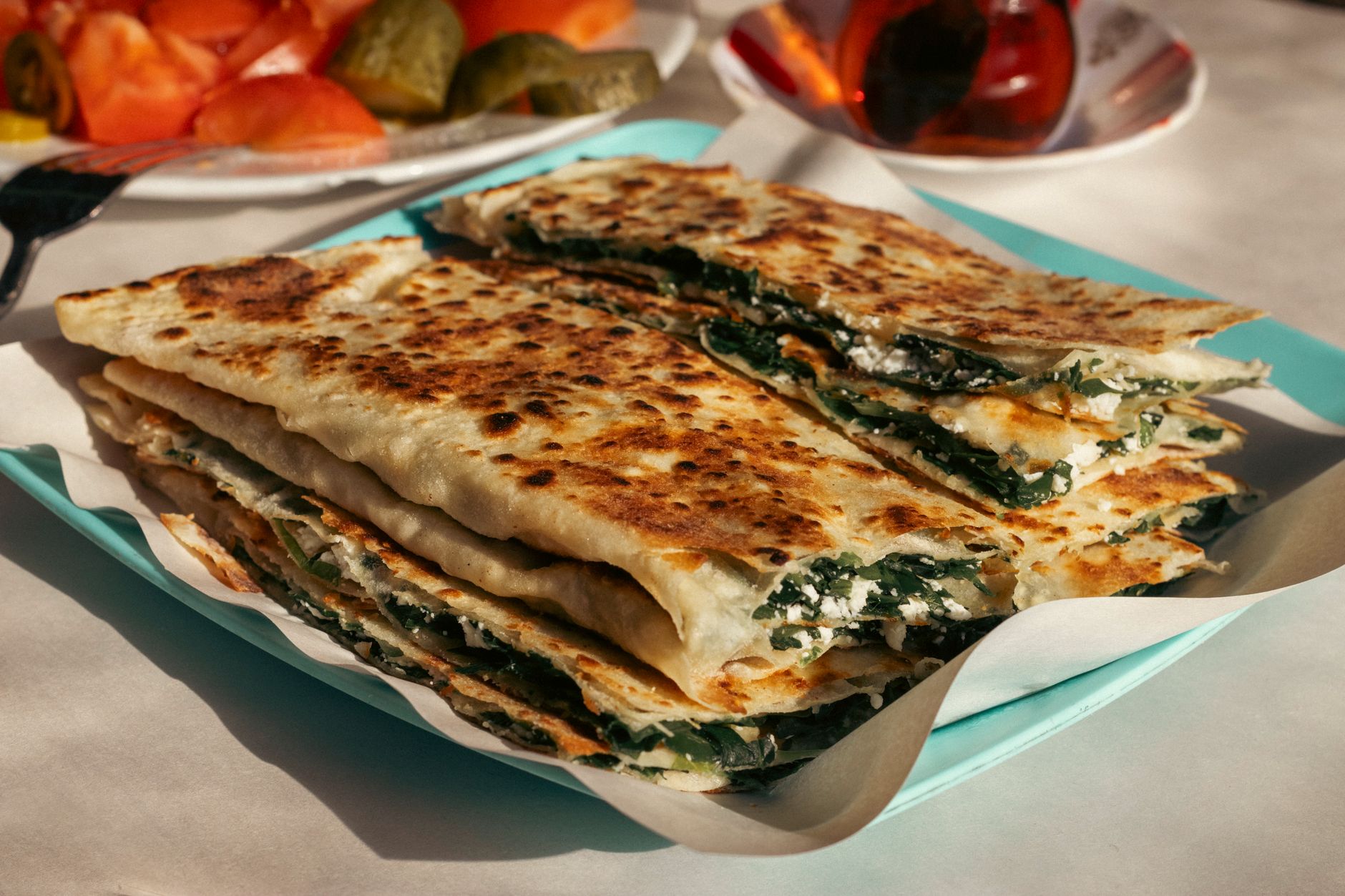
After a morning at the wheel, the Kızılırmak riverside is the natural place to eat. A handful of relaxed restaurants and tea gardens line the water, serving local mantı, grilled trout from nearby rivers, gözleme and strong tea with a view of the old stone bridge.
A simple plan: throw pots, wash your hands, then walk five minutes to the river for a long lunch and a glass of tea while your piece dries. It's an unhurried, very Cappadocian rhythm — and a lovely contrast to the region's early-morning balloon flights.
If you're visiting in summer, aim for lunch after 13:00 when the midday heat softens and the riverside breeze picks up. In cooler months, a riverside sofra with soup and bread is just as rewarding.
Best Time to Visit and Practical Notes
Spring (April–June) and autumn (September–October) are ideal: comfortable temperatures, fewer crowds and the river running at its most photogenic. Summer is hot but lively, and winter is quiet with real one-on-one time with potters.
Avanos is a 15–20 minute drive from Göreme and easy to combine with an Avanos and Cappadocia destination page or a broader Cappadocia route. Plan at least half a day here — a full day if you're doing a longer workshop. Check timings with our best-time guide or use the travel tools to plan your day.
Bring cash for small purchases and tips, dress comfortably, and remember that the joy here isn't only the pot you carry home — it's the generosity of the artisans who show you how to make it.
Top Highlights
Popular Activities
Thinking about a trip to Turkey?
Share your contact details and a vetted local expert will follow up with a plan built around you — free, no obligation.
