

Bafra and the Kızılırmak Delta: Birdwatching, Beaches and Black Sea Village Life
Bafra: A Nature Lover's Black Sea Base
Nestled on the Black Sea coast of northern Türkiye, Bafra is a welcoming town where the Kızılırmak River — the longest in the country — meets the sea, creating a vast delta of international ecological importance. This is not your typical tourist trail; it's a place where nature reigns, and the rhythm of life is dictated by the seasons and the birds that pass through.
Bafra serves as the perfect base for exploring the Kızılırmak Delta, a Ramsar Convention wetland since 1998. The delta's diverse habitats — freshwater and saltwater marshes, lagoons, reed beds, and sand dunes — support an astonishing array of wildlife. For birdwatchers, it's nothing short of paradise, with over 300 recorded species, including rare and endangered ones.
Beyond the wetlands, Bafra offers a glimpse into traditional Black Sea village life. Friendly farming communities, tea gardens, and local markets provide a warm, authentic experience. The nearby beaches, particularly along the delta's sand spit, are expansive and often deserted, ideal for long walks and quiet reflection.
The Kızılırmak Delta: A Birdwatcher's Paradise
The Kızılırmak Delta is one of the most important wetlands in the Middle East and Europe. Its location on the Black Sea flyway makes it a critical stopover for migratory birds. During spring and autumn migrations, the skies and marshes teem with activity as thousands of birds rest and refuel on their journeys between Europe and Africa.
Key species to look for include the endangered Dalmatian pelican, the majestic white-tailed eagle, and the rare slender-billed curlew (though sightings are extremely rare). Other common sights include flamingos, spoonbills, herons, egrets, and a variety of ducks and waders. The delta is also home to resident species like the little owl and the European roller.
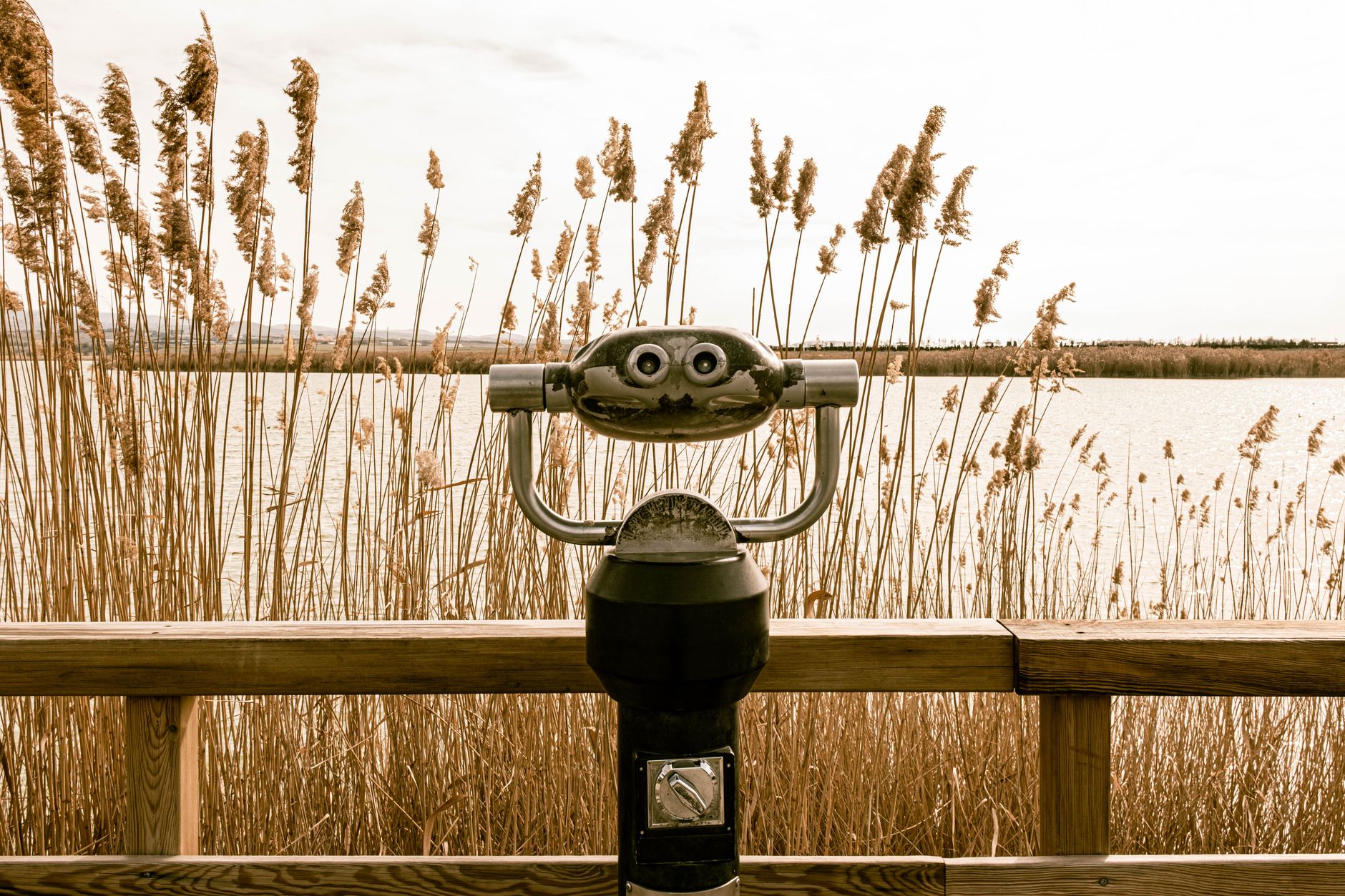
Birdwatching here is facilitated by several observation towers and marked trails, especially around the Cernek and Liman lakes. Local guides, some of whom are former hunters turned conservationists, offer invaluable insights and can help spot elusive species. The best times for birdwatching are early morning and late afternoon when birds are most active.
Long Sandy Beaches and Coastal Beauty
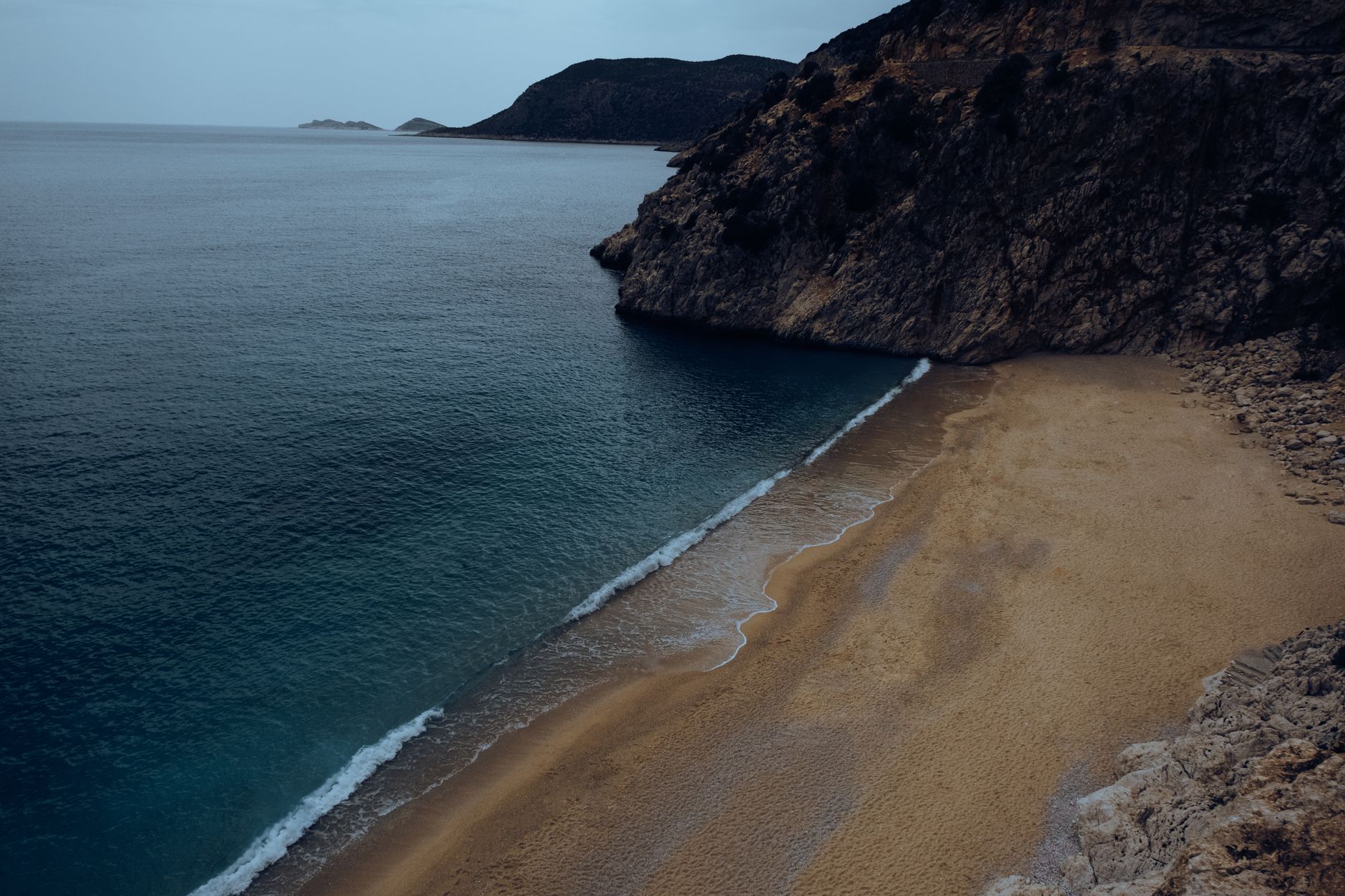
Along the delta's northern edge, a 20-kilometer stretch of sandy beach separates the wetlands from the Black Sea. These beaches are largely undeveloped, backed by dunes and dotted with driftwood. The water is clean but can be chilly due to the Black Sea's currents — perfect for a refreshing dip on a hot summer day.
The beach at Cernek is a popular spot, accessible by a road that leads through the delta. Here, you can combine birdwatching with a beach stroll. Further east, towards Bafra, the beach continues, offering solitude even in peak season. Sunset over the Black Sea is a treat not to be missed.
While the beaches are not patrolled, swimming is generally safe for confident swimmers. The lack of crowds means you can often have a stretch of sand all to yourself. Just remember to respect the fragile dune ecosystem and avoid disturbing nesting birds.
Friendly Farming Villages and Local Culture
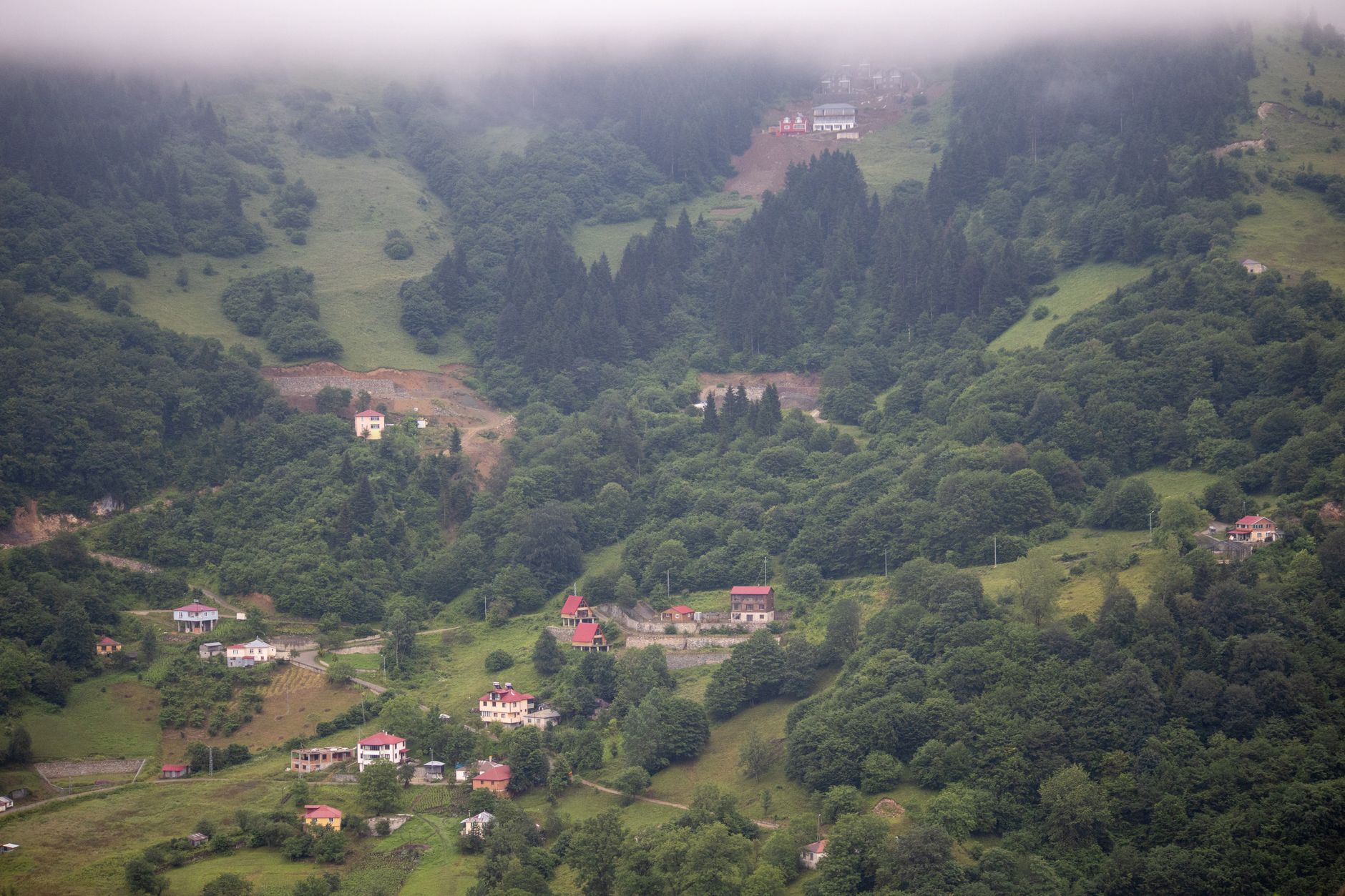
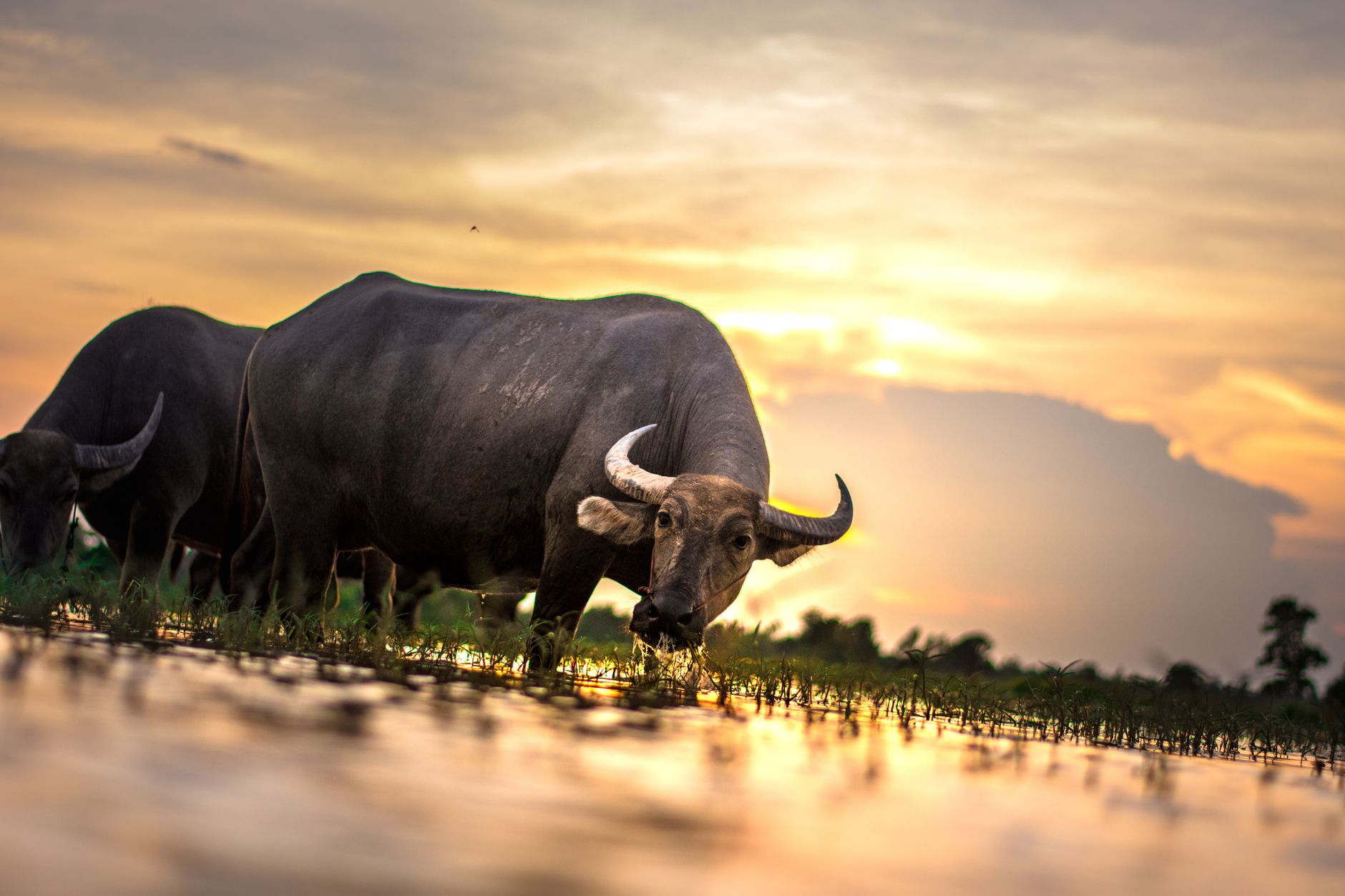
The villages around Bafra, such as Doğanca, Yörükler, and Emen, offer a window into rural Black Sea life. Agriculture thrives here, thanks to the fertile delta soil. You'll see fields of rice, corn, and hazelnuts, and perhaps even water buffalo grazing in the marshes — a traditional practice that helps maintain the wetland's health.
Hospitality is a cornerstone of village life. Accept an invitation for tea and you might find yourself sharing stories with locals, learning about their connection to the land. The Bafra market is a vibrant place to sample local produce, including the region's famous Bafra pide (a type of flatbread) and fresh seafood from the Black Sea.
Cultural highlights include the Bafra Museum, which showcases artifacts from the area's rich history, from Hittite times to the Ottoman era. The town also has several historic mosques and hamams, reflecting its Ottoman heritage.
Best Seasons for Migration and Nature Activities
Spring (March to May) and autumn (September to November) are the prime times for birdwatching, as millions of birds migrate through the delta. Spring brings breeding plumage and birdsong, while autumn offers the chance to see large flocks gathering before their journey south. Summer is warm and humid, ideal for beachcombing and boating, but bird activity is lower. Winter is mild but wet, with many waterfowl overwintering in the delta, including large numbers of ducks and geese.
For wildflowers, late spring is best, when the dunes and meadows burst into color. Summer is peak season for beachgoers, though the Black Sea can be cool. Autumn is arguably the most pleasant season overall, with comfortable temperatures and spectacular birding.
If you're interested in photography, the golden hour light over the marshes is magical year-round. Just be prepared for sudden weather changes — the Black Sea climate is notoriously unpredictable.
Where to Stay: Samsun or Bafra?
Samsun, the largest city on the Black Sea coast, is about 30 kilometers from the delta. It offers a wide range of accommodation, from luxury hotels to boutique guesthouses, plus vibrant nightlife, restaurants, and shopping. Staying in Samsun gives you urban comforts and easy access to the delta via car or public transport.
Bafra, closer to the delta (about 15 kilometers), provides a more tranquil base. Accommodation options are limited to a few small hotels and guesthouses, but the proximity to nature is unbeatable. You'll wake up to birdsong and can be in the wetlands within minutes, which is a huge advantage for early-morning birding.
For a truly immersive experience, consider staying in a village guesthouse or even a farm stay. These are often run by local families and offer a chance to experience rural life firsthand. Book ahead, especially during migration seasons, as options are limited.
Visiting Responsibly: Protecting the Delta
The Kızılırmak Delta is a protected area, and Türkiye is committed to its conservation. As a visitor, you can help by following a few simple guidelines: stay on marked trails, keep a respectful distance from wildlife, and never feed or disturb animals. Use binoculars or a spotting scope rather than approaching too close.
Reduce your environmental impact by carrying out all trash, using reusable water bottles, and avoiding single-use plastics. Choose eco-friendly accommodations and local guides who practice sustainable tourism. Many tour operators in the region contribute to conservation efforts, so ask before you book.
Support local communities by buying handicrafts and produce directly from villages. This provides an economic incentive for conservation. Remember that the delta is not just a tourist attraction; it's a vital ecosystem and a source of livelihood for many. By visiting responsibly, you become part of the solution.
Türkiye's commitment to protecting these habitats is evident in the establishment of the Kızılırmak Delta Wetland Reserve and ongoing restoration projects. By choosing to visit, you're supporting these efforts and ensuring that future generations can enjoy this natural treasure.
Top Highlights
Popular Activities
Thinking about a trip to Turkey?
Share your contact details and a vetted local expert will follow up with a plan built around you — free, no obligation.
