

The Bakırçay Valley and Pergamon's Rural Villages
Where the Past and Present Meet
The Bakırçay Valley, known in antiquity as the Caicus, is a broad, fertile plain that has been farmed for millennia. It lies just inland from the Aegean coast, sheltered by the foothills of the Kozak plateau and the dramatic acropolis of Pergamon. Today, the valley is a quiet, rural escape where ancient aqueducts still trace the hillsides and olive trees planted by great-grandparents continue to bear fruit.
At the heart of the region is Bergama, a lively market town that serves as the gateway to the ancient city of Pergamon. But beyond the ruins, the true charm of the area lies in its villages. Here, time slows down. You will see farmers tending their groves, women baking yufka bread on flat griddles, and shepherds guiding their flocks along dusty paths. It is a landscape where history is not confined to museums but is woven into everyday life.
For travellers seeking an authentic Turkish countryside experience, the Bakırçay Valley offers a rare blend of cultural depth and rural tranquillity, all within easy reach of the coast and Izmir.
A Taste of the Land: Olive Oil, Cheese and Yufka Bread
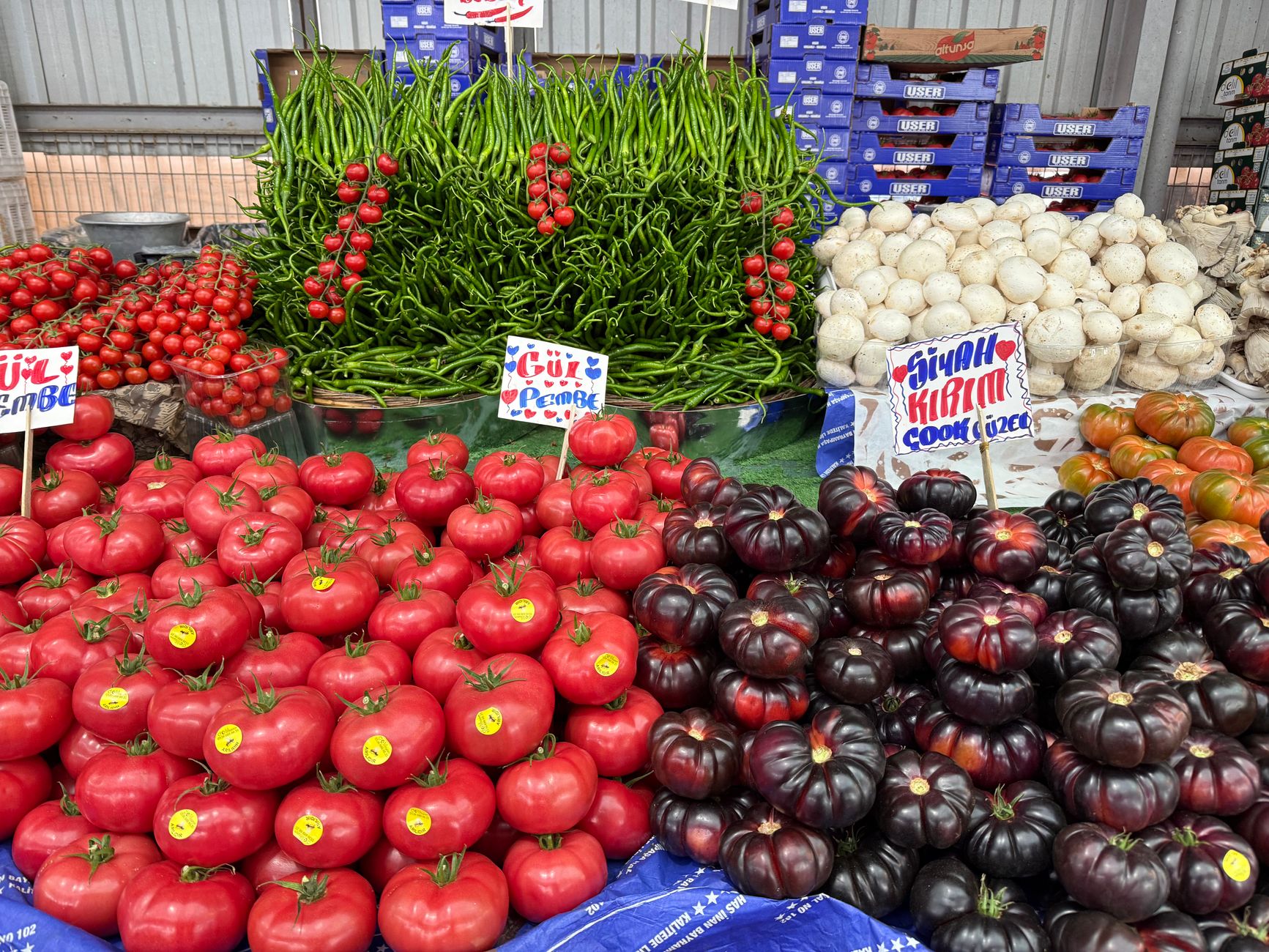
The valley's fertile soil and Mediterranean climate make it ideal for olive cultivation. Many families still press their own oil using traditional methods, and visiting a local producer is a highlight for any food lover. You can watch the harvest in late autumn, learn about cold-pressing techniques, and taste oils that range from peppery and robust to mild and buttery.
No visit is complete without sampling the region's cheeses. Village markets overflow with white cheese, tangy and fresh, often made from sheep's or goat's milk. Pair it with a warm, freshly baked yufka bread, a paper-thin flatbread cooked on a sac griddle. Many village women welcome guests into their homes to demonstrate the art of rolling and baking yufka, a tradition passed down through generations.
To experience these flavours at their source, seek out small family-run farms and cooperatives. They are usually happy to share their knowledge and sell directly to visitors. Bring cash, as card payments are rare in the countryside.
Village Life and Authentic Hospitality
Staying in a village guesthouse is the best way to immerse yourself in the local rhythm. Many guesthouses are restored stone houses with courtyards filled with grapevines and flowers. Your hosts will likely invite you to join them for tea, and perhaps a home-cooked dinner featuring produce from their own garden.
Mornings begin with the call to prayer and the smell of fresh bread. You might be invited to help feed the chickens or pick vegetables for lunch. Evenings are for sitting under the stars, sharing stories and glasses of local wine or rakı. This is hospitality in its purest form: generous, unhurried and heartfelt.
Village markets, held on rotating days throughout the week, are a feast for the senses. You will find mounds of olives, herbs, homemade jams, and handwoven textiles. It is a chance to interact with locals and gain insight into rural Turkish culture.
Ancient Aqueducts and Hidden Ruins
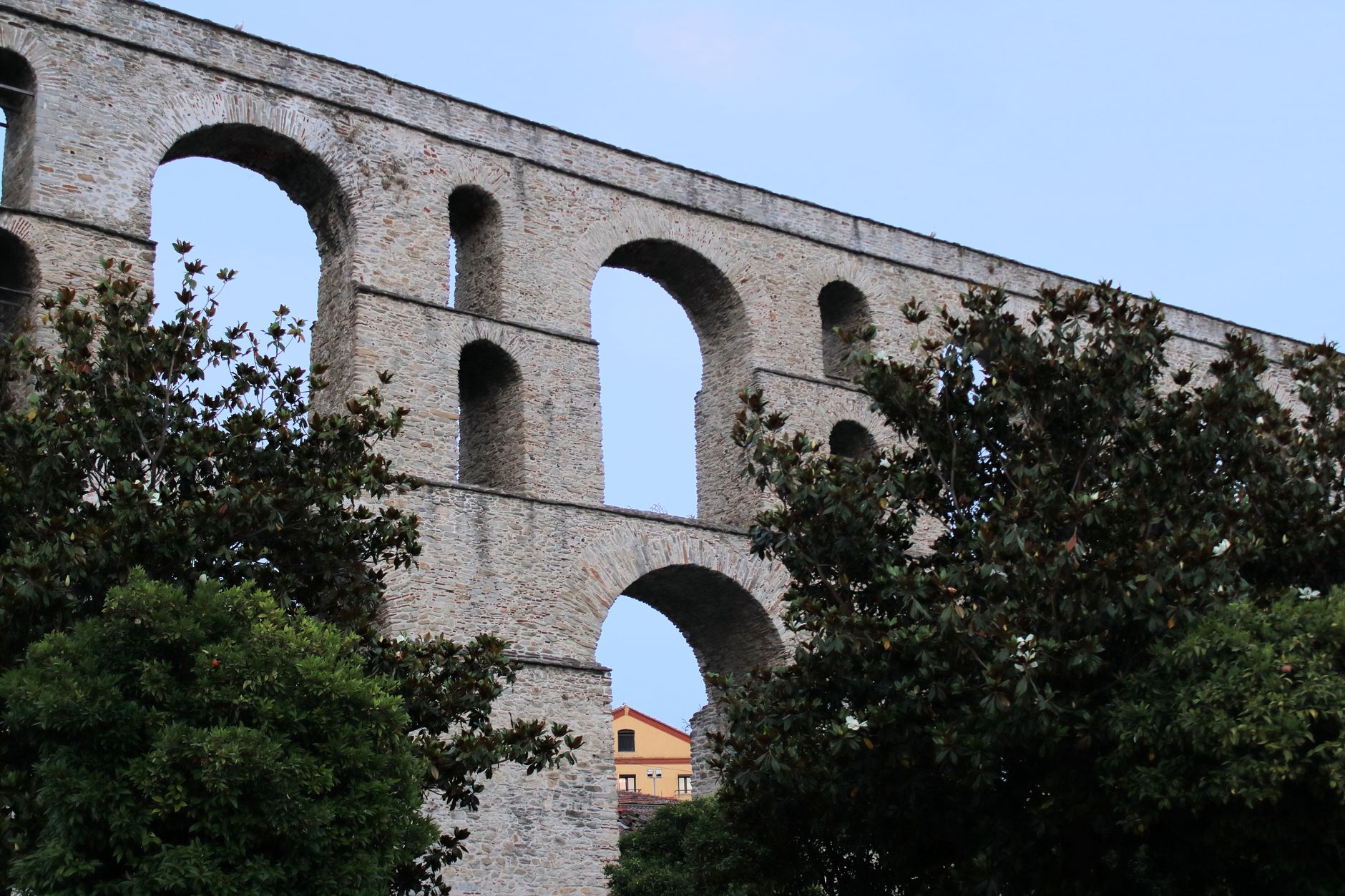
The landscape around Bergama is dotted with remnants of its illustrious past. Beyond the famous acropolis of Pergamon, you can discover Roman aqueducts that once carried water to the ancient city. Some are remarkably well-preserved, arching gracefully across valleys and hillsides.
Walking or cycling along the aqueduct trails offers a unique way to combine nature with history. The paths wind through olive groves and pine forests, with occasional views of the acropolis in the distance. Local guides can point out lesser-known sites, such as rock-cut tombs and ancient bridges, that most tourists never see.
For a deeper understanding of the region's history, visit the Bergama Museum, which houses artefacts from Pergamon and the surrounding area. Then head out into the countryside to see where these treasures were found.
Exploring the Bakırçay Valley: What to See and Do
The valley is best explored at a leisurely pace. Rent a car or hire a local driver to visit the scattered villages, each with its own character. Some highlights include the village of Kozak, nestled in a pine forest and known for its pine nuts, and the coastal town of Dikili, a short drive away.
Hiking is excellent in the surrounding hills, especially in spring when wildflowers carpet the meadows. The Bakırçay River itself is a haven for birdwatchers, with herons, egrets and kingfishers commonly spotted along its banks.
For a taste of local crafts, look for carpets and kilims woven in the region. Several villages maintain traditional weaving cooperatives where you can watch the process and purchase directly from the artisans.
Practical Information: Getting There and When to Go
The Bakırçay Valley is easily accessible from Izmir, about a two-hour drive via the O-33 motorway. Buses also run regularly from Izmir's bus station to Bergama. From Bergama, local dolmuşes (minibuses) connect to many villages, though having your own transport gives you more flexibility.
The best time to visit is spring (April to June) or autumn (September to November), when the weather is mild and the countryside is at its most beautiful. Summer can be hot, but the coast is nearby for cooling off. Winter is quiet, but some guesthouses may close.
Pair your valley exploration with a day trip to Pergamon, a UNESCO World Heritage Site. The ancient acropolis, with its steep theatre and Temple of Trajan, is a must-see. Allow at least half a day to explore the ruins, and consider hiring a guide to bring the history to life.
Whether you are a history buff, a foodie, or simply seeking a peaceful escape, the Bakırçay Valley and its rural villages offer an authentic Turkish experience that will stay with you long after you leave.
Top Highlights
Popular Activities
Thinking about a trip to Turkey?
Share your contact details and a vetted local expert will follow up with a plan built around you — free, no obligation.
