

Bala & the Tuz Gölü Edge
Why Bala and the Tuz Gölü Edge?
Most travelers rushing between Ankara and Cappadocia miss the subtle beauty of the steppe. But just south of the capital, the land flattens into a vast, ancient plain where Hittite mounds rise like islands and Lake Tuz (Tuz Gölü) stretches to the horizon in a blinding white sheet. This is a landscape of extremes: hot, dry summers, cold winters, and a spring bloom that carpets the steppe in wildflowers.
Bala, a small district town, serves as the gateway to this otherworldly terrain. Its name means 'honey' in Turkish, and the surrounding villages still produce high-quality honey from wild thyme and steppe flowers. Beyond agriculture, Bala is a place of hot springs, where mineral-rich waters have been soothing travelers for centuries. Combine this with the surreal salt lake and you have a perfect day trip from Ankara—one that feels far removed from the city's bustle.
With well-maintained roads and minimal traffic, you can leave Ankara after breakfast, explore Hittite sites and village markets, soak in a thermal pool, and reach the salt lake just as the late afternoon light begins to work its magic. This guide shows you how to do it all in a single, unhurried day.
Getting There and Around
The drive from Ankara to Bala takes about an hour via the O-21 motorway and then the D750, a well-signposted route that climbs gently onto the plateau. Roads are paved and in good condition, making this trip feasible in a standard car. If you prefer not to drive, dolmuşes (shared minibuses) leave from Ankara's AŞTİ bus terminal throughout the day, but having your own vehicle gives you the freedom to stop at viewpoints and villages along the way.
From Bala, the route to Lake Tuz's western edge continues on the D750 toward Şereflikoçhisar. The lake itself is a protected area, and access to certain zones is restricted during breeding season for flamingos and other waterbirds. However, there are designated viewing areas near the shore where you can walk on the salt crust and take in the expanse. A short detour to the village of Kulu or the Hittite site of Karahöyük adds historical depth to the journey.
Public transport to the lake's edge is limited, so if you're relying on buses, plan to hire a taxi from Bala or join a guided tour from Ankara. The roads are straightforward, and locals are accustomed to helping visitors find the best sunset spots.
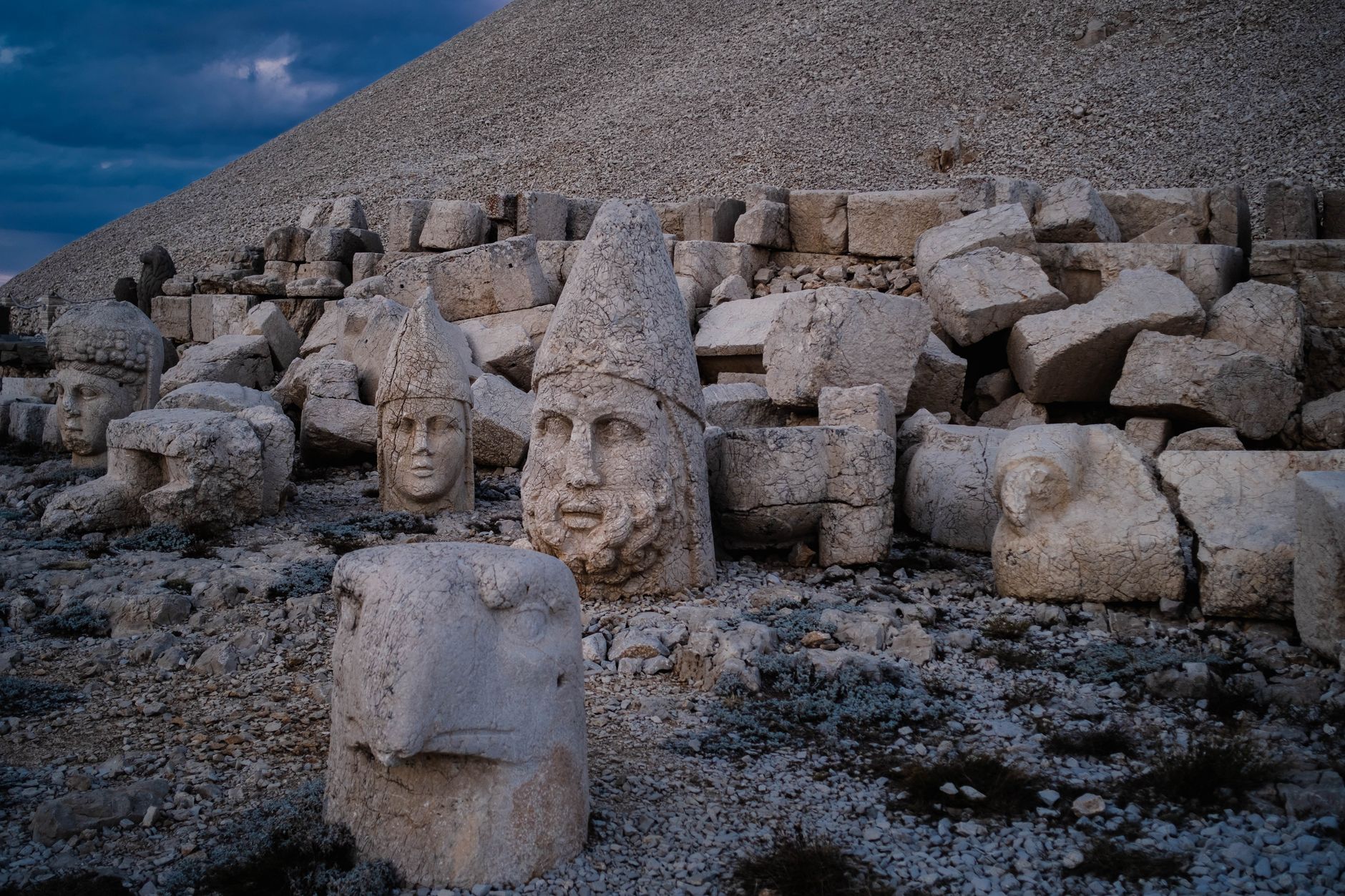
The Steppe Villages of Bala
Bala's countryside is dotted with villages that seem frozen in time, where mud-brick houses cluster around a mosque and a communal fountain. Agriculture still sets the rhythm here: wheat, barley, and sunflowers in summer, with shepherds moving flocks across the plains. Many villages have small weekly markets where you can buy homemade cheese, yogurt, and preserves.
The local cuisine is pure Anatolian home cooking. Roadside restaurants, often family-run, serve dishes like tandır kebab (slow-cooked lamb), mantı (tiny dumplings with yogurt), and gözleme (stuffed flatbread) cooked on a sac griddle. Don't miss the chance to try Bala's honey, especially the varieties infused with thyme or pine. A simple lunch of soup, beans, and rice pudding will cost a fraction of city prices.
For a cultural stop, visit the Bala Thermal Springs, where the water is rich in minerals and said to ease rheumatism and skin ailments. Facilities are basic but clean, with separate pools for men and women or private family rooms. It's a favorite weekend retreat for Ankara residents, so weekdays are quieter.
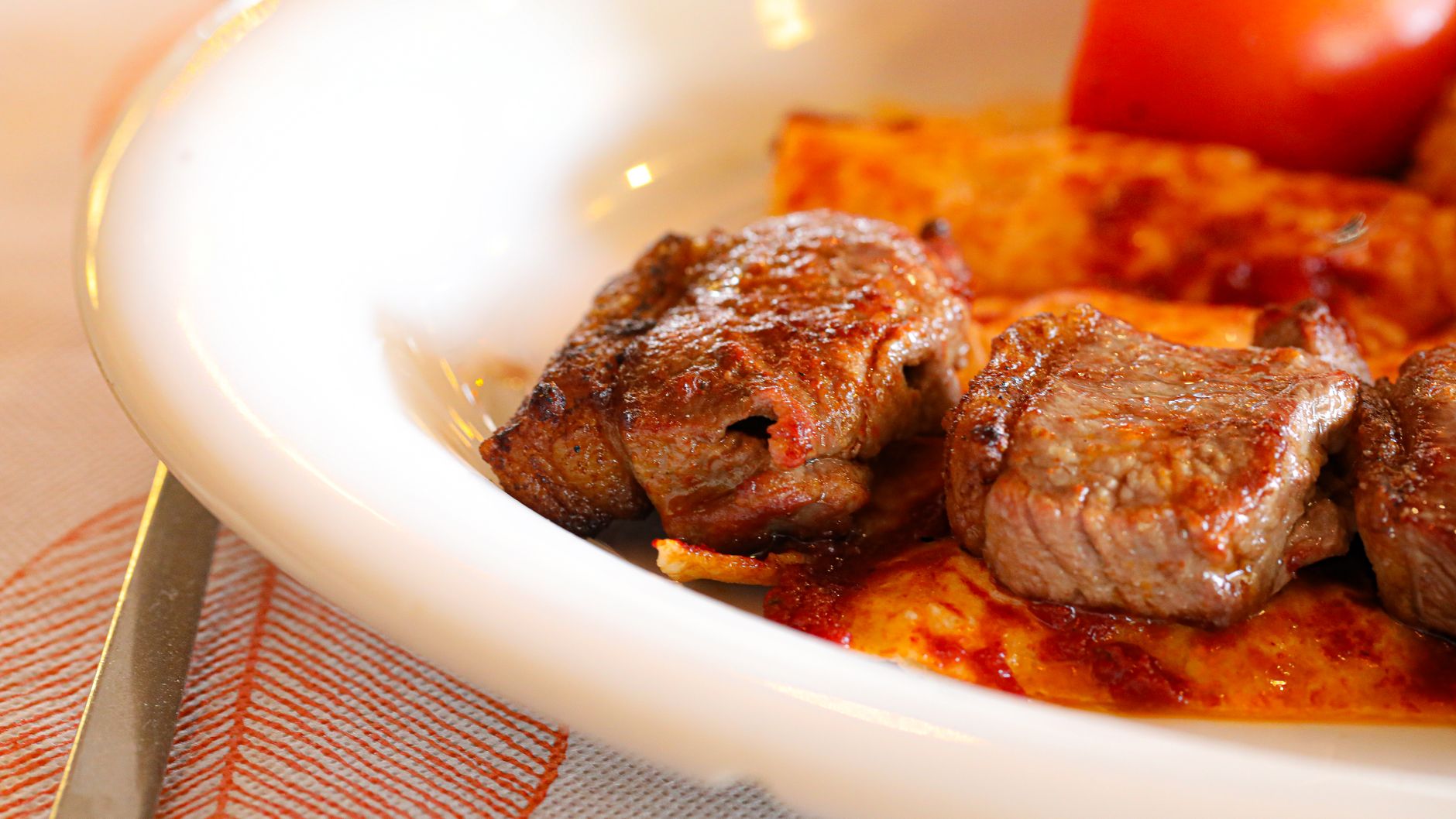
Hittite Hills and Ancient Mounds
The region around Bala was part of the Hittite heartland, and several mounds (höyüks) mark ancient settlements. One of the most accessible is the site near Karahöyük, where you can see the remains of a Hittite city that flourished around 2000 BCE. The location offers sweeping views of the steppe—a reminder of why these civilizations chose high ground for defense and visibility.
While the ruins are not as grand as those at Hattuşa, the lack of crowds and the raw, unexcavated feel make them compelling. Bring a hat and water; there's little shade. A local guide can point out pottery shards and foundation stones that lie scattered across the surface, giving you a tangible connection to Turkey's deep past.
For history enthusiasts, a detour to the Museum of Anatolian Civilizations in Ankara before or after the trip provides context. But there's something special about seeing these hills in person, with the wind whistling across the same plains that Hittite chariots once crossed.
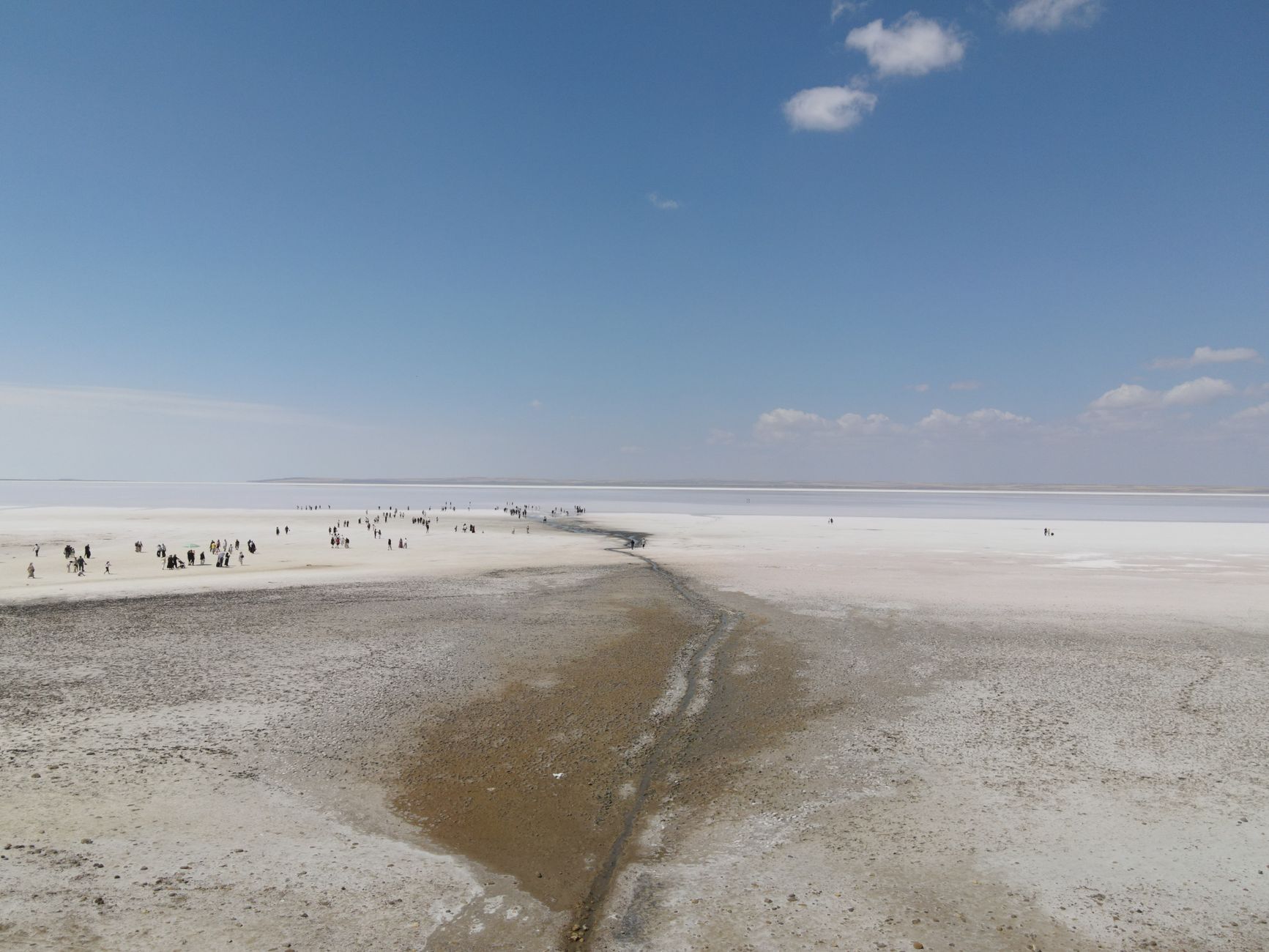
The Pink Edge of Lake Tuz
Lake Tuz is the second-largest lake in Turkey and one of the saltiest in the world. In summer, the water evaporates, leaving behind a thick crust of salt that stretches for miles. The lake is a major source of Turkey's salt production, but it's also a critical habitat for migratory birds, including flamingos that nest here in spring.
The best time to visit the lake's edge is late afternoon, when the sun lowers and the white salt begins to reflect shades of pink, orange, and violet. The effect is especially striking after a rainy spring, when a thin layer of water covers the salt, creating a mirror-like surface. Walk carefully—the crust can be slippery and sharp in places. There are no facilities at the lake itself, so bring water, sunscreen, and a windbreaker; the wind can be strong.
Designated viewing areas near Şereflikoçhisar and along the D750 provide safe access. Remember that the lake is a protected area; stay on marked paths, don't disturb wildlife, and take all trash with you. The sunset here is one of the most photogenic in central Anatolia, so pack your camera and allow at least an hour to soak it in.
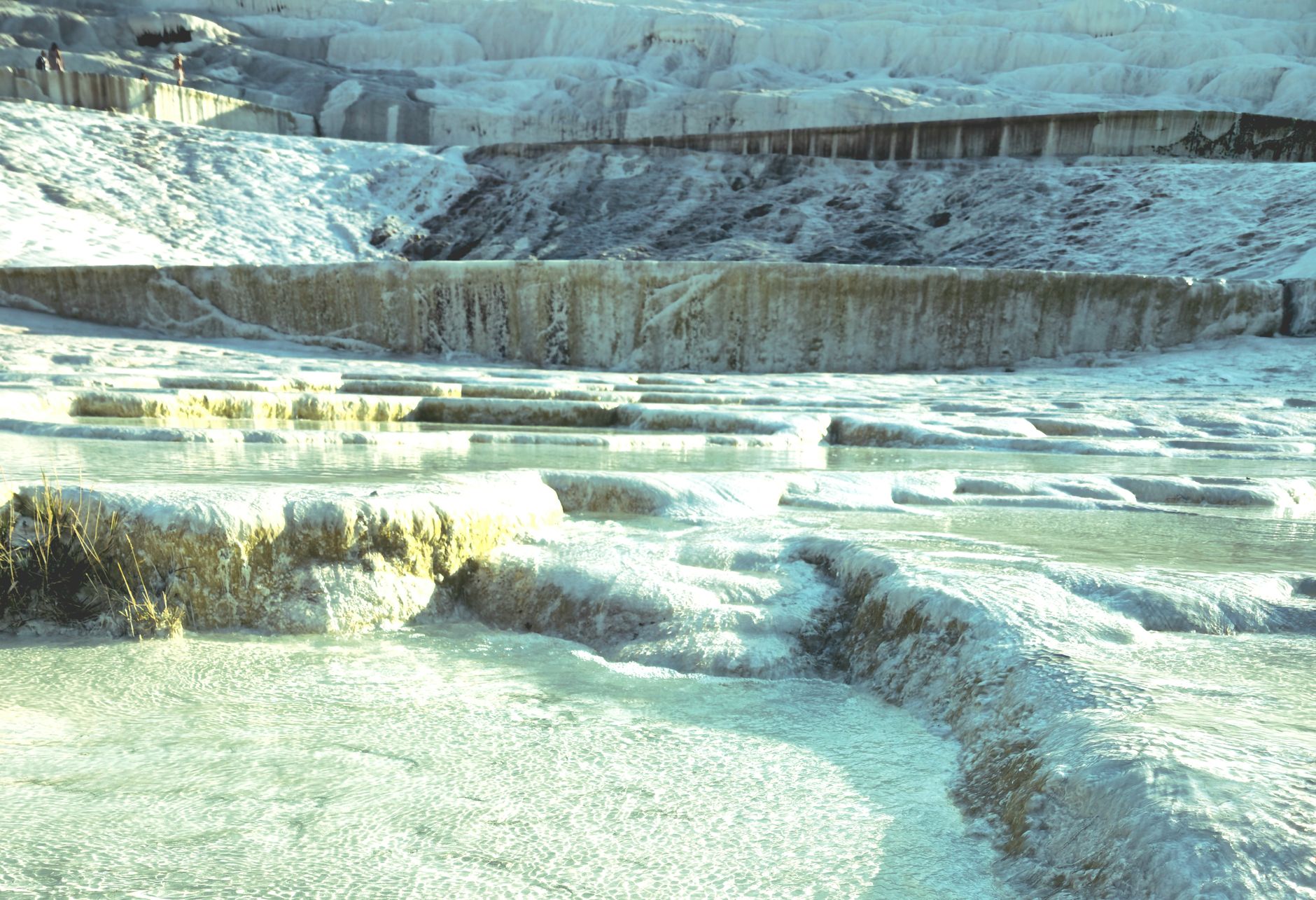
Practical Tips for Your Day Trip
Best light: Plan to arrive at Lake Tuz about 1.5 hours before sunset. The golden hour transforms the salt flats, and the crowds (if any) thin out. Morning light is also beautiful but less dramatic.
What to bring: Comfortable walking shoes, sunglasses, hat, sunscreen, water, and a light jacket. A small towel if you plan to visit the thermal springs. Cash for roadside stalls and small restaurants.
Road conditions: The O-21 and D750 are well-maintained. Gas stations are available in Bala and Şereflikoçhisar. In winter, check for snow and ice; the steppe can be treacherous.
Respect local customs: Dress modestly when visiting villages and religious sites. Always ask before photographing people.
Sample Itinerary
9:00 AM: Depart Ankara. Drive south on O-21/D750 toward Bala.
10:30 AM: Arrive in Bala. Explore the town, visit a local market, and pick up snacks.
12:00 PM: Lunch at a roadside restaurant—try tandır kebab or gözleme.
1:30 PM: Visit the Hittite mound at Karahöyük or soak in Bala's thermal springs.
3:30 PM: Drive toward Lake Tuz, stopping at viewpoints along the way.
5:00 PM: Reach the lake's edge. Walk on the salt crust and find a spot for sunset.
7:30 PM: Depart for Ankara, arriving by 9:00 PM.
This itinerary is flexible; adjust based on your interests and the season. In summer, start earlier to avoid the heat; in winter, sunset comes early, so leave Ankara by mid-morning.
Top Highlights
Popular Activities
Thinking about a trip to Turkey?
Share your contact details and a vetted local expert will follow up with a plan built around you — free, no obligation.
