

Bilecik: Harmankaya and Söğüt Hills
Where the Ottoman Story Begins
Tucked between the green folds of northwestern Anatolia, Bilecik is a province that wears its history lightly. Its hills — Harmankaya and Söğüt — are not dramatic peaks but gentle, spring-fed slopes where watercress grows in the streams and old stone bridges hide under plane trees. This is the landscape that cradled the very first stirrings of the Ottoman Empire, and it remains a place of quiet villages and unhurried paths.
Söğüt itself is a small town with a big memory: it was here that the Kayı tribe settled in the 13th century under Ertuğrul Gazi, whose son Osman would go on to found a dynasty that lasted six centuries. Today, a modest tomb and a handful of restored buildings keep that origin story alive, set against a backdrop of softly rolling hills.
Harmankaya, a neighbouring district, adds a touch of drama with its limestone cliffs and caves, but the overall mood is one of pastoral calm. For travellers based in Istanbul or Eskişehir, Bilecik offers a refreshingly uncrowded escape — a place to walk, breathe, and touch the roots of Ottoman memory.
Landscape and Seasons: Why Spring Shines
Bilecik sits in a transitional climate zone, with influences from both the Black Sea and the Anatolian interior. Summers can be warm and dry, winters cool and sometimes snowy, but spring — roughly from late March to mid-May — is when the region truly comes alive. The hills turn emerald, the springs run full, and wildflowers carpet the meadows.
Spring is also the best time for gentle hiking: temperatures hover between 12°C and 22°C, and the trails are firm underfoot. Autumn (September to October) is a pleasant secondary season, with golden light and fewer showers, but the water features are less impressive after the dry summer.
If you visit in April or early May, you may catch the apple and cherry blossoms in the valleys, and the local markets overflow with fresh produce. Pack a light rain jacket and sturdy walking shoes — the springs can make paths muddy, but that's part of the charm. For more seasonal guidance across Turkey, see our best time to visit page.
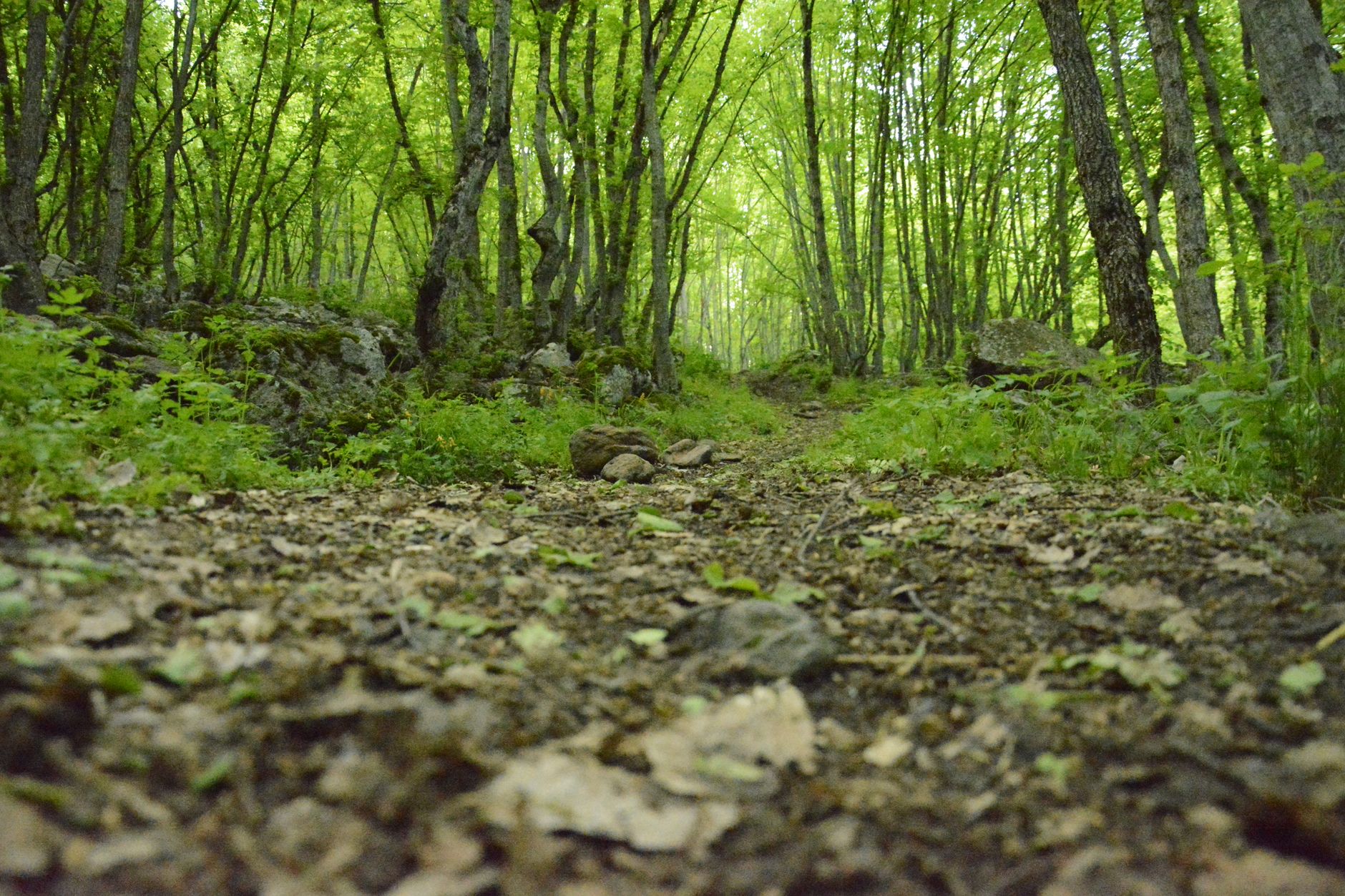
Gentle Hikes and Spring-Fed Valleys
The walking around Harmankaya and Söğüt is not about bagging peaks; it's about meandering through shaded valleys and along old cart tracks. A favourite short route follows the Harmankaya stream, passing mossy springs and small waterfalls before climbing gently to a viewpoint over the Söğüt plain.
Another easy option is the circuit around the Söğüt hills, where you can stroll past Ottoman-era houses, a 14th-century mosque, and the tomb of Ertuğrul Gazi. The terrain is mild, with only a few short ascents, making it suitable for families and casual walkers. Local guides can point out edible greens and explain the traditional irrigation channels that still feed the orchards.
For those who want a bit more adventure, the cliffs at Harmankaya offer short scrambles and cave entrances — but these are best explored with a guide. The area is also known for its natural springs, some of which are bottled commercially; you can fill your water bottle at a few public fountains.
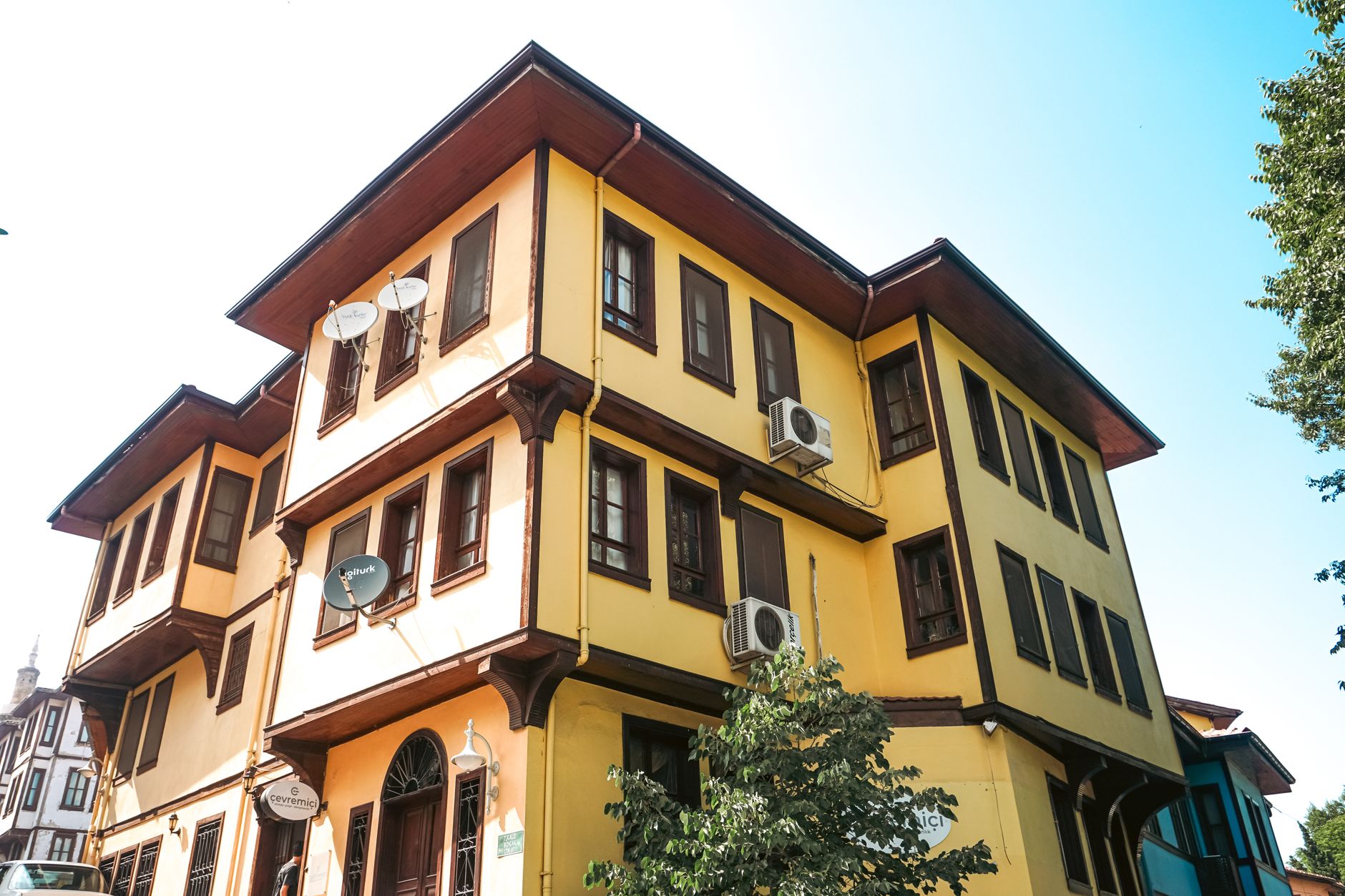
Ottoman Memory: Söğüt and Beyond
Söğüt is the undisputed historical heart of the region. The Ertuğrul Gazi Tomb, rebuilt several times but still atmospheric, draws pilgrims and history buffs alike. Nearby, the Ethnography Museum occupies a restored Ottoman mansion and displays artefacts from daily life in the early principality period.
Don't miss the Hamidiye Mosque and the old clock tower, both relics of the late Ottoman era. In spring, the town hosts commemorations for the founding of the empire, with traditional music and food stalls — check local calendars if you're interested.
Beyond Söğüt, the wider Bilecik province holds other Ottoman traces: the Orhan Gazi Mosque in Bilecik city, and various tombs and bridges scattered through the countryside. For a deeper dive into Turkey's historical layers, browse our guides section.
Getting There: Easy Transport from Istanbul or Eskişehir
Bilecik is well connected by rail and road. The high-speed train (YHT) from Istanbul to Ankara stops in Bilecik, taking about 2 hours from Istanbul's Pendik station. From Eskişehir, the journey is even shorter — around 45 minutes by train or car. Söğüt and Harmankaya are a short taxi or minibus ride from Bilecik city centre.
If you're driving, the O-7 and D-650 highways make access straightforward; the route from Istanbul takes roughly 2.5 hours. Alternatively, intercity buses run frequently from both cities to Bilecik, from where local dolmuşes serve the surrounding towns.
Once in the area, having your own vehicle gives the most flexibility, but the main sites in Söğüt are walkable. For more on navigating Turkey, see our travel tools.
Practical Tips for a Peaceful Visit
Bilecik sees few international tourists, so English is not widely spoken outside hotels. Learning a few Turkish phrases will go a long way. The area is conservative; dress modestly when visiting tombs and mosques.
Accommodation is limited, with small hotels and guesthouses in Bilecik and Söğüt. Many visitors come as a day trip from Eskişehir, which has a wider range of options. If you plan to hike, carry water, snacks, and a map — signage is sparse.
Spring weekends can bring domestic visitors to Söğüt, but weekdays are blissfully quiet. Respect the springs and streams, and take your litter with you. For itinerary ideas that include Bilecik, check our itineraries.
Top Highlights
Popular Activities
Thinking about a trip to Turkey?
Share your contact details and a vetted local expert will follow up with a plan built around you — free, no obligation.
