

Boztepe & Değirmendere Valley
Trabzon's Green Balcony: Boztepe
Boztepe rises just south of Trabzon's bustling center, a green hill that locals call the city's balcony. From its summit, the whole of Trabzon unfolds below: the dark expanse of the Black Sea, the busy harbor, the minarets and apartment blocks, and the distant peaks of the Pontic Mountains. It is a view that captures the essence of this region, where urban life and wild nature coexist in easy harmony.
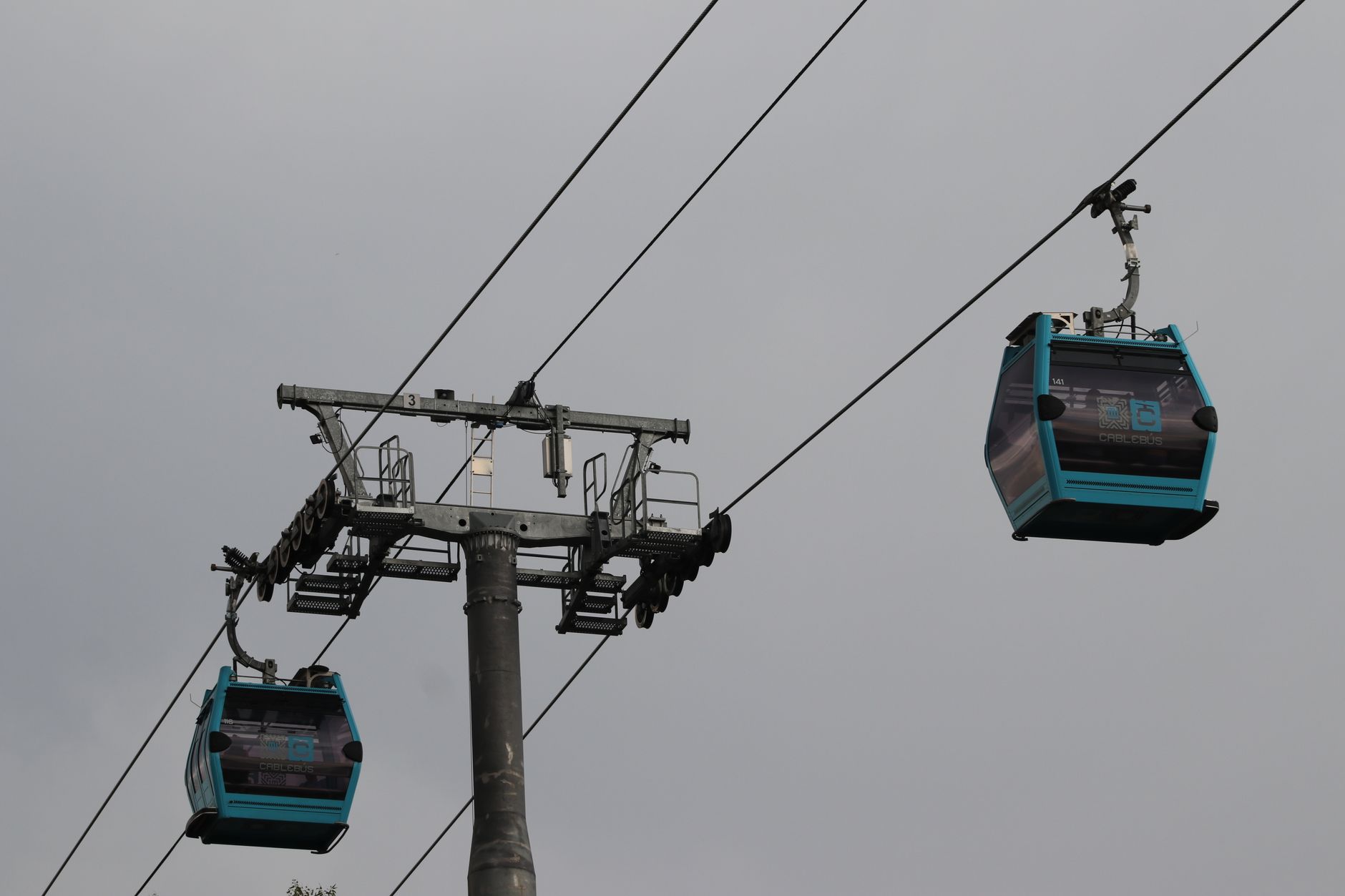
The easiest way up is the cable car, which departs from the city center near the coast and glides over rooftops and tea gardens. In just a few minutes, you leave the traffic behind and rise into a cooler, quieter world. Alternatively, a winding road leads to the top, popular with joggers and cyclists in the early morning.
At the top, a pleasant park offers panoramic terraces, cafes, and endless rows of tea bushes. Order a glass of Turkish tea and sit on a bench as the sun paints the sea in shades of silver and gold. On clear days, you can trace the coastline for miles, and the call to prayer from the city's mosques drifts up like a distant melody.
The Değirmendere Valley: Ottoman Bridges and Waterfalls
Just inland from Trabzon, the Değirmendere Valley carves a green corridor through the mountains. This is a landscape of rushing streams, hazelnut groves, and centuries-old stone bridges that once carried caravans along the Silk Road. The valley is easily reached from the city, making it a perfect complement to a morning on Boztepe.
Several Ottoman bridges span the Değirmendere River and its tributaries, their arches weathered but sturdy. One of the most picturesque is the stone bridge near the village of Değirmendere, where you can walk across and imagine the traders who passed this way. The surrounding hillsides are dotted with traditional wooden houses and tea terraces.
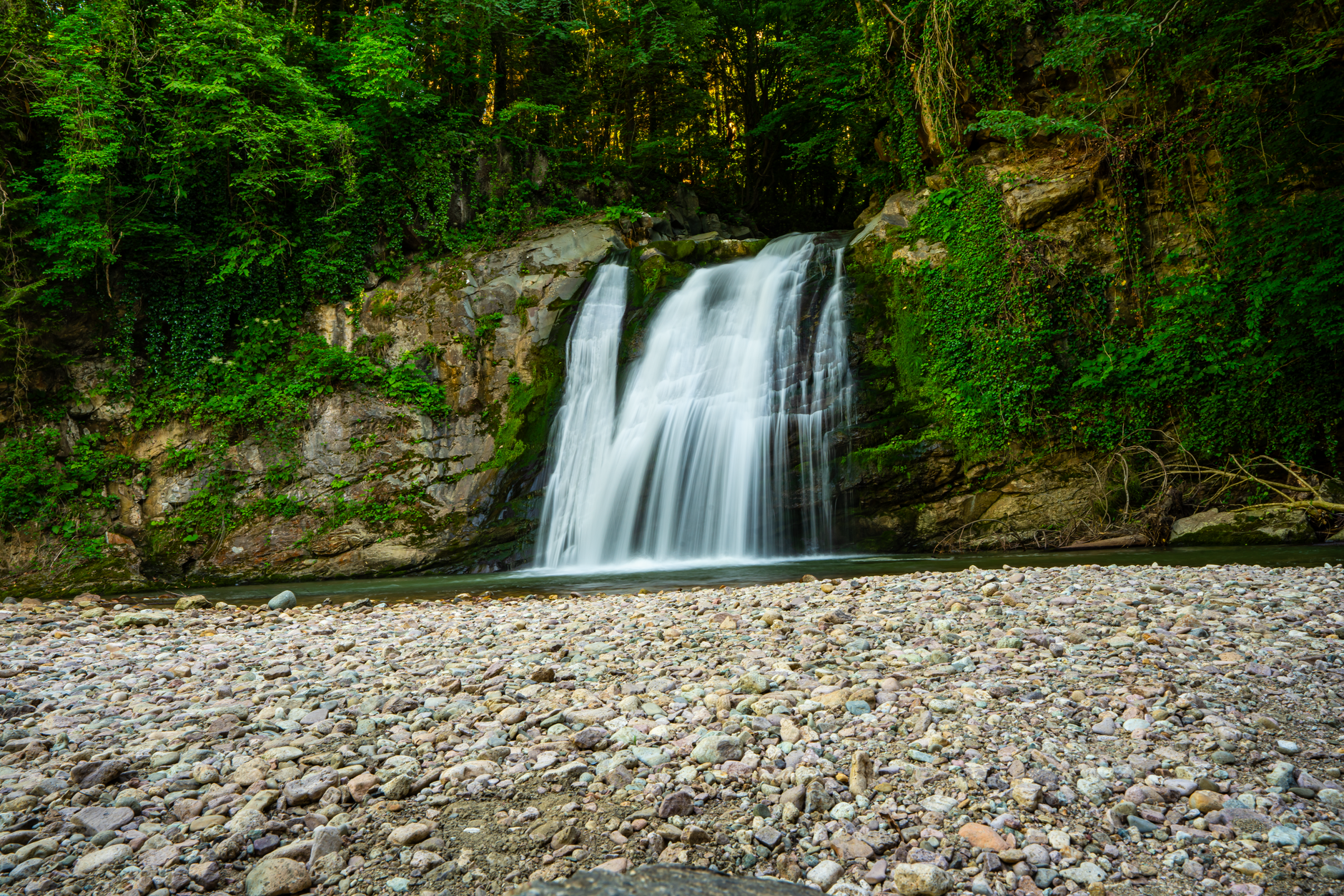
Follow the river upstream and you'll find small waterfalls hidden among the trees, especially after rain. The air is thick with the scent of damp earth and pine. Local families often picnic by the water, grilling trout and brewing tea over open fires. It's a gentle introduction to the lush interior of the Trabzon region, and a reminder of how quickly the city gives way to nature.
A Half-Day Itinerary: City to Mountain and Back
Start your morning early with a ride on the Boztepe cable car, ideally just after sunrise when the light is soft and the crowds are thin. Spend an hour or so wandering the summit, sipping tea and taking photos. Then take the cable car down or walk partway, and catch a local bus or taxi to the Değirmendere Valley.
In the valley, follow the river road for a few kilometers, stopping at the Ottoman bridges and any waterfalls you spot. A leisurely walk of two to three hours will let you soak in the scenery without rushing. Bring a picnic or plan to eat at one of the simple riverside restaurants serving fresh trout and mıhlama (a local cheese and cornmeal dish).
By early afternoon, you can be back in Trabzon, perhaps to explore the Hagia Sophia or the bazaar. This half-day escape shows you two sides of the city: the panoramic heights and the verdant depths, both within easy reach of the center.

Tea Gardens and Local Life
Tea is the lifeblood of Trabzon, and Boztepe's slopes are covered with the glossy green bushes. Many tea gardens here double as outdoor cafes, where you can sip the local brew while looking out over the sea. It's a social ritual: families, students, and old friends gather over small tulip-shaped glasses, the conversation flowing as freely as the tea.
In the Değirmendere Valley, tea is also grown, often on small terraced plots. Farmers still harvest by hand, and in spring you might see them with baskets strapped to their backs. The valley's moist climate and rich soil produce some of Turkey's finest tea, and a visit to a local tea garden is a window into rural life.
Don't miss the chance to try other regional specialties: kuymak (a gooey cornmeal and cheese dish), fresh hamsi (anchovies) in winter, and sweet Trabzon hurması (persimmon) in autumn.
Pontic Heritage and the Layered Past
The Trabzon region is steeped in history, from the ancient kingdom of Pontus to the Byzantine Empire and the Empire of Trebizond. The Değirmendere Valley itself was once part of a network of roads linking the coast to the interior. The Ottoman bridges are just the most visible remnants of that past.
Nearby, you can visit the Sumela Monastery, perched dramatically on a cliff face, or the Hagia Sophia of Trabzon, a stunning Byzantine church. In the valley, look for old Greek and Armenian inscriptions on stones, reminders of the diverse communities that once lived here.
Boztepe, too, has its own history: the hill was a strategic lookout point, and some ancient ruins can still be found among the tea bushes. Today, it's a place of leisure, but the layers of history are never far away.

Practical Tips for Your Visit
The Boztepe cable car operates daily, with longer hours in summer. Tickets are affordable, and the ride takes about 10 minutes. The summit park is free to enter and has cafes, restrooms, and viewing platforms. Wear comfortable shoes if you plan to walk down.
To reach the Değirmendere Valley, take a dolmuş (minibus) from Trabzon's central bus station toward Değirmendere or Maçka; the ride takes 20–30 minutes. Alternatively, a taxi will cost more but gives you flexibility. The valley road is paved and easy to follow, but some paths to waterfalls can be muddy.
Spring and autumn are the best seasons: mild temperatures, green landscapes, and fewer crowds. Summer can be hot and humid, while winter brings rain and occasional snow on Boztepe. Always carry a light rain jacket, as the Black Sea weather can change quickly.
For more inspiration on exploring Turkey's hidden corners, see our destinations page and travel guides. If you're planning a longer trip, our itineraries can help you weave Trabzon into a wider Black Sea adventure.
Top Highlights
Popular Activities
Thinking about a trip to Turkey?
Share your contact details and a vetted local expert will follow up with a plan built around you — free, no obligation.
