

The Çamlıhemşin Stone Bridges and Zilkale Trail: Kaçkar's Medieval Highland Walk
Where the Fırtına Valley Meets the Kaçkar Highlands
High in the green northeast of Türkiye, the Fırtına (Storm) Valley cuts a deep, mist-hung corridor between the Black Sea coast and the granite peaks of the Kaçkar range. This is the heart of Çamlıhemşin country — a landscape of tea gardens, wooden serander granaries and rushing water that has shaped life here for centuries.
The walk that links the valley's historic stone bridges with the ruined fortress of Zilkale is one of the region's most rewarding half-day adventures. It is not a technical climb, but it is a journey through layers of history: Roman and Ottoman engineering, medieval defensive walls, and the pastoral rhythms of the yayla (highland pasture) that still define summers in the Kaçkar.
Because the route is stitched together by family-run pensions, village tea houses and shepherds' tracks, every step supports the mountain communities who keep this landscape alive. Expect warm hospitality, thick Turkish tea and stories told over breakfast as much as spectacular scenery.
The Stone Bridges: Ottoman Engineering in the Mist
The Fırtına Valley is famous for its arched stone bridges, built during the Ottoman period to carry traders, mule trains and villagers across the torrent. Their single, elegant spans rise in perfect half-circles from the riverbanks, held together without mortar by the skill of local stonemasons.
The best-known examples sit near Çamlıhemşin and along the road toward Ayder. The Şenyuva (Çinçiva) Bridge, with its steep cobbled ramp and arched approach, is the classic photograph — especially in early morning mist when the water below glows emerald. Smaller bridges such as those at Zilkale and Komilo reward those who slow down and look for them.
Walking between the bridges is a gentle introduction to the valley. Paths follow the river, cross tea gardens and pass village houses where you may be offered a glass of tea before you have even asked. Take your time: the bridges are best appreciated on foot, with the sound of the Fırtına below and the forest closing overhead.
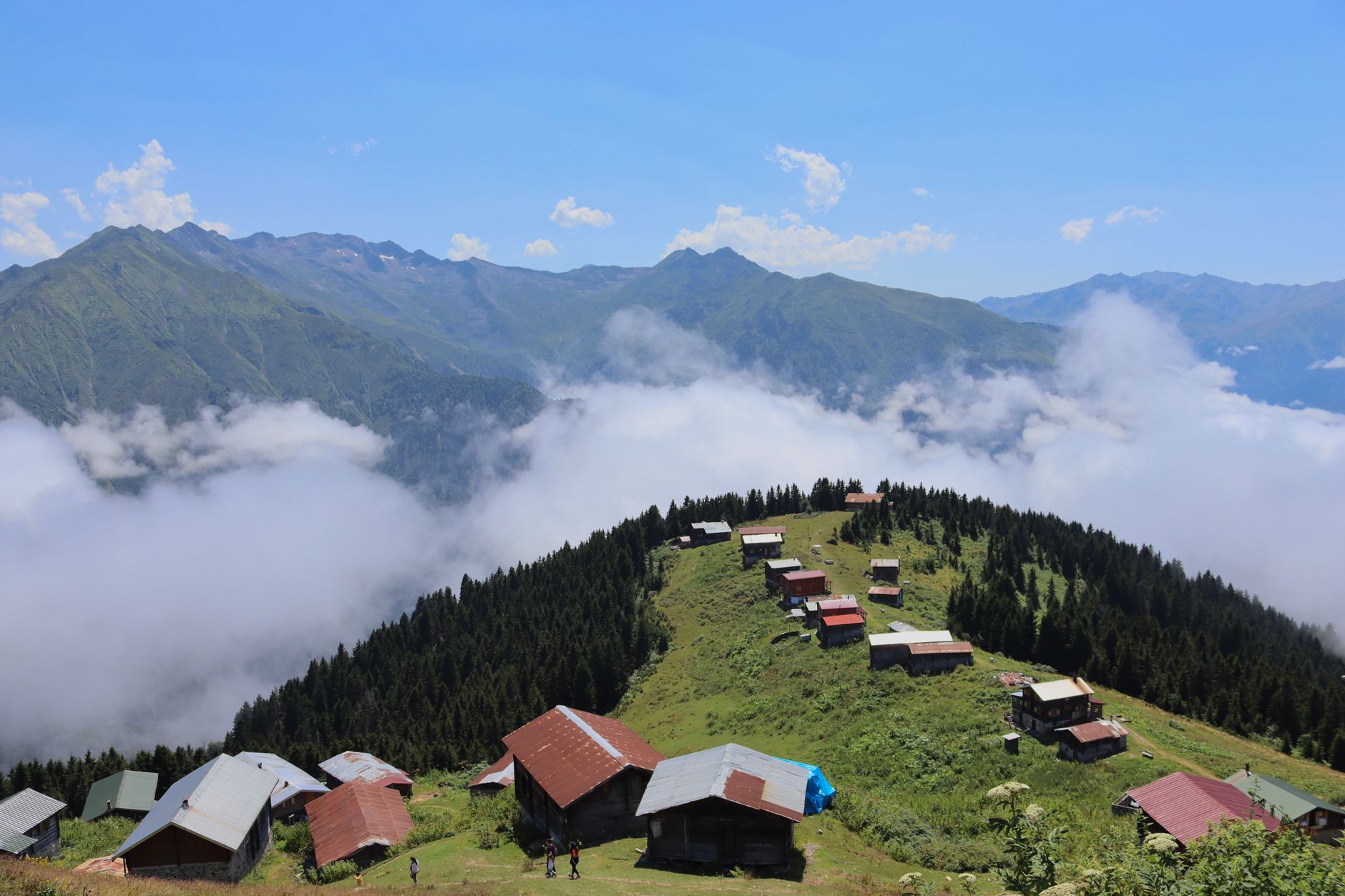
Zilkale: The Castle Above the Clouds
Zilkale — literally "bell castle" — clings to a rocky outcrop high above the Fırtına Valley, guarding a narrow gorge that once formed a natural route into the highlands. Its thick stone walls, round towers and inner courtyard date to the medieval period, though the site was likely fortified far earlier.
The climb from the valley floor to the castle gate takes around 30–45 minutes at an easy pace, following a clear path through beech and spruce forest. As you emerge onto the ridge, the reward is immediate: the castle walls frame sweeping views down the valley, with layer after layer of green mountains fading into cloud.
Inside, you can walk the ramparts, peer through arrow slits and imagine the watchmen who once scanned the gorge for approaching armies. The atmosphere is quietly dramatic — wind, birdsong and the distant roar of water far below. Bring a jacket; even on warm days the ridge can be cool and breezy.
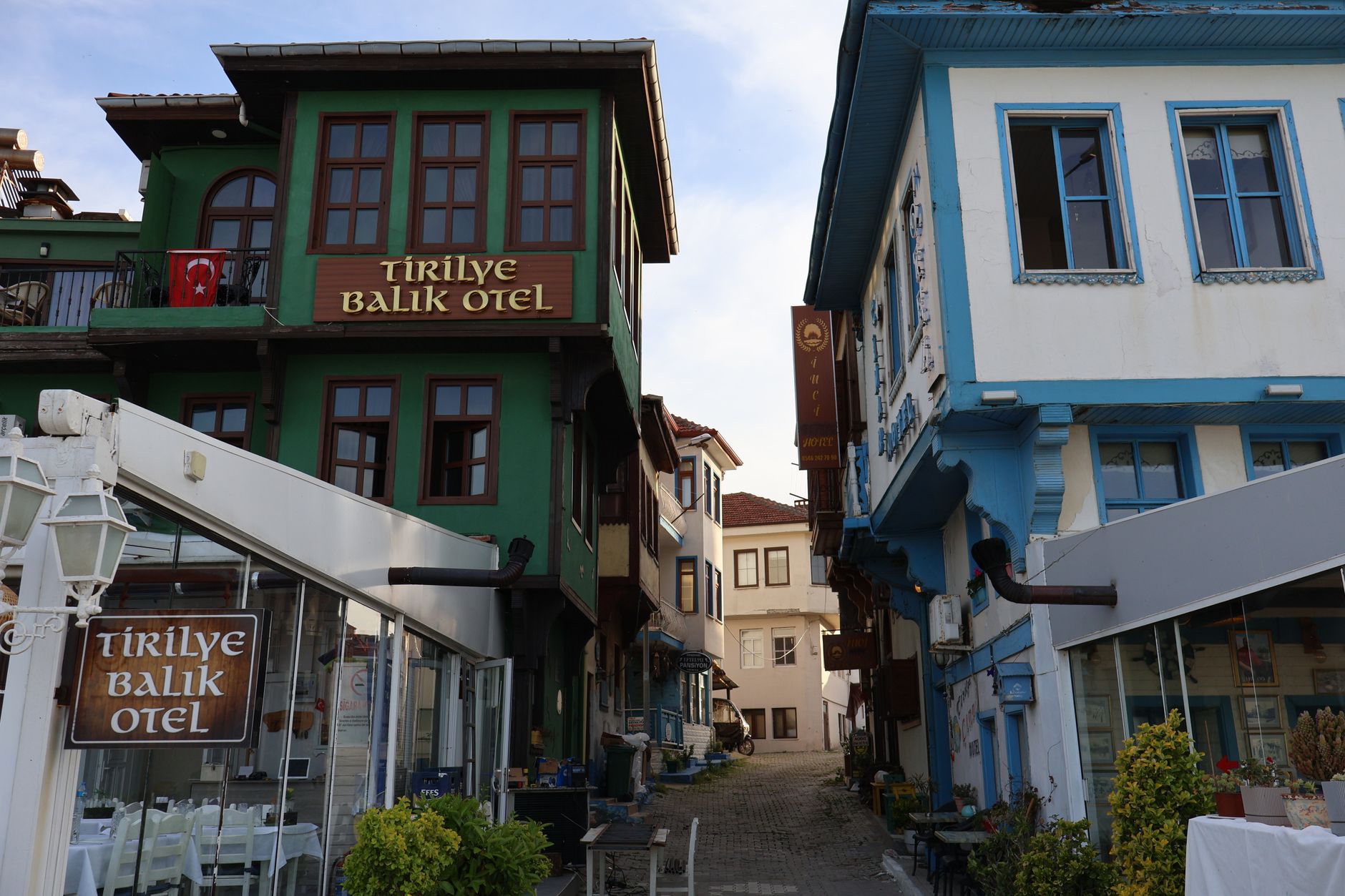
Walking Notes: Route, Terrain and Timing
The classic route begins near Çamlıhemşin and follows the valley road and riverside paths toward Zilkale. Most walkers combine a section of bridge-hopping with the castle ascent, covering roughly 8–12 km depending on how many detours you take. The terrain is a mix of asphalt village road, forest trail and uneven stone steps.
Wear shoes with good grip — the paths can be muddy after rain, and the castle steps are worn smooth. Trekking poles help on the steeper sections. Allow three to five hours for a relaxed walk with time for tea stops and photography, or a full day if you continue up toward the yayla meadows beyond.
Navigation is straightforward, but paths branch frequently around villages. A local guide or a pension owner's hand-drawn map is invaluable, and hiring a village guide is a direct way to support the community. If you are walking independently, start early, carry water and tell your host your plan.
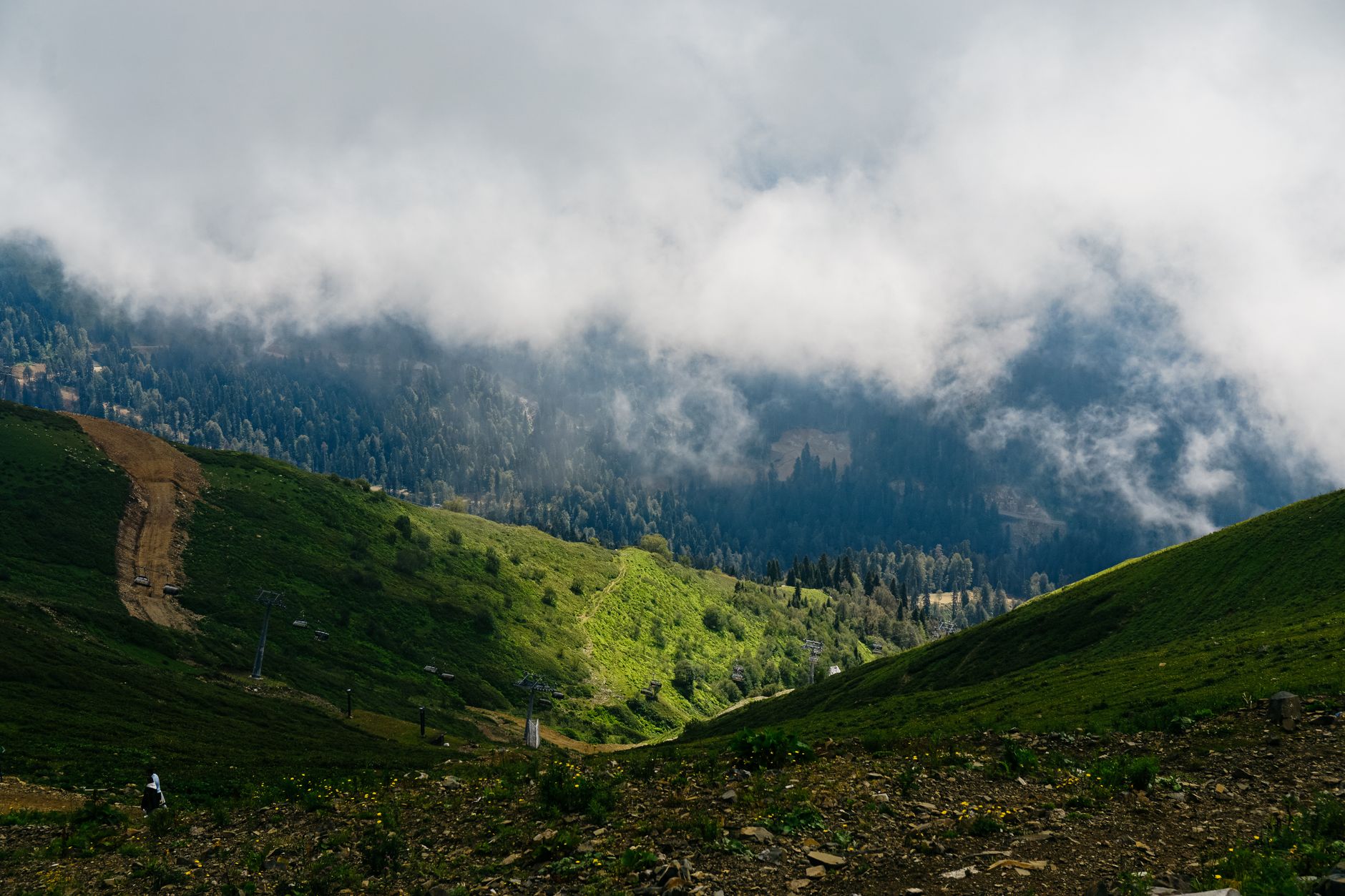
Seasons and Weather in the Kaçkar Highlands
The best months for this walk are late May to early July and September to mid-October, when trails are clear and temperatures are mild. June is spectacular: wildflowers carpet the meadows, waterfalls run full and the valleys are impossibly green.
July and August are warm and popular, with long daylight hours and the yayla season in full swing — expect lively highland villages, grazing livestock and occasional afternoon thunderstorms. Rain is possible year-round in this humid corner of Türkiye, so pack a waterproof shell whatever the forecast.
By late October the first snows often dust the high ridges, and by November the upper trails can be impassable. Winter transforms the valley into a quiet, white world, but the castle path may be icy and should only be attempted with local advice and proper gear.
Staying in Family-Run Yayla Pensions
Much of the magic of this route comes from where you sleep. Family-run pensions in Çamlıhemşin, Şenyuva and the yayla villages above Ayder offer simple wooden rooms, home-cooked Black Sea cuisine and a front-row seat to highland life.
Breakfast typically includes village cheese, olives, honey, fresh bread and endless tea; dinners might feature corn bread, beans, trout from the valley and muhlama — a molten cornmeal-and-cheese dish that is the region's comfort food. Many hosts will pack a lunch for your walk if you ask the night before.
Staying in these pensions keeps money in the local economy and gives you access to knowledge no guidebook can match: which bridge is best at sunrise, where the path is washed out, and which yayla festival is happening this weekend. Book ahead in July and August, when Turkish families flock to the highlands.
Practical Tips for a Community-Supported Adventure
- Carry cash (Turkish lira) for tea houses, village shops and small pensions; ATMs are limited outside Çamlıhemşin.
- Learn a few words of Turkish — a simple "merhaba" and "teşekkürler" open doors everywhere in the valley.
- Take your rubbish with you, stay on marked paths in meadows and keep a respectful distance from grazing animals and shepherd dogs.
- Buy local: honey, tea, corn flour and handmade crafts make meaningful souvenirs and directly support families.
- Check conditions and route updates with your pension host or a local guide before setting out, especially after heavy rain.
For more ideas on planning the wider journey, explore our destinations and routes pages, or use the trip planner to build your Kaçkar itinerary.
Top Highlights
Popular Activities
Thinking about a trip to Turkey?
Share your contact details and a vetted local expert will follow up with a plan built around you — free, no obligation.
