

Cave Churches & Rock Monasteries of Cappadocia
A Landscape Carved by Faith
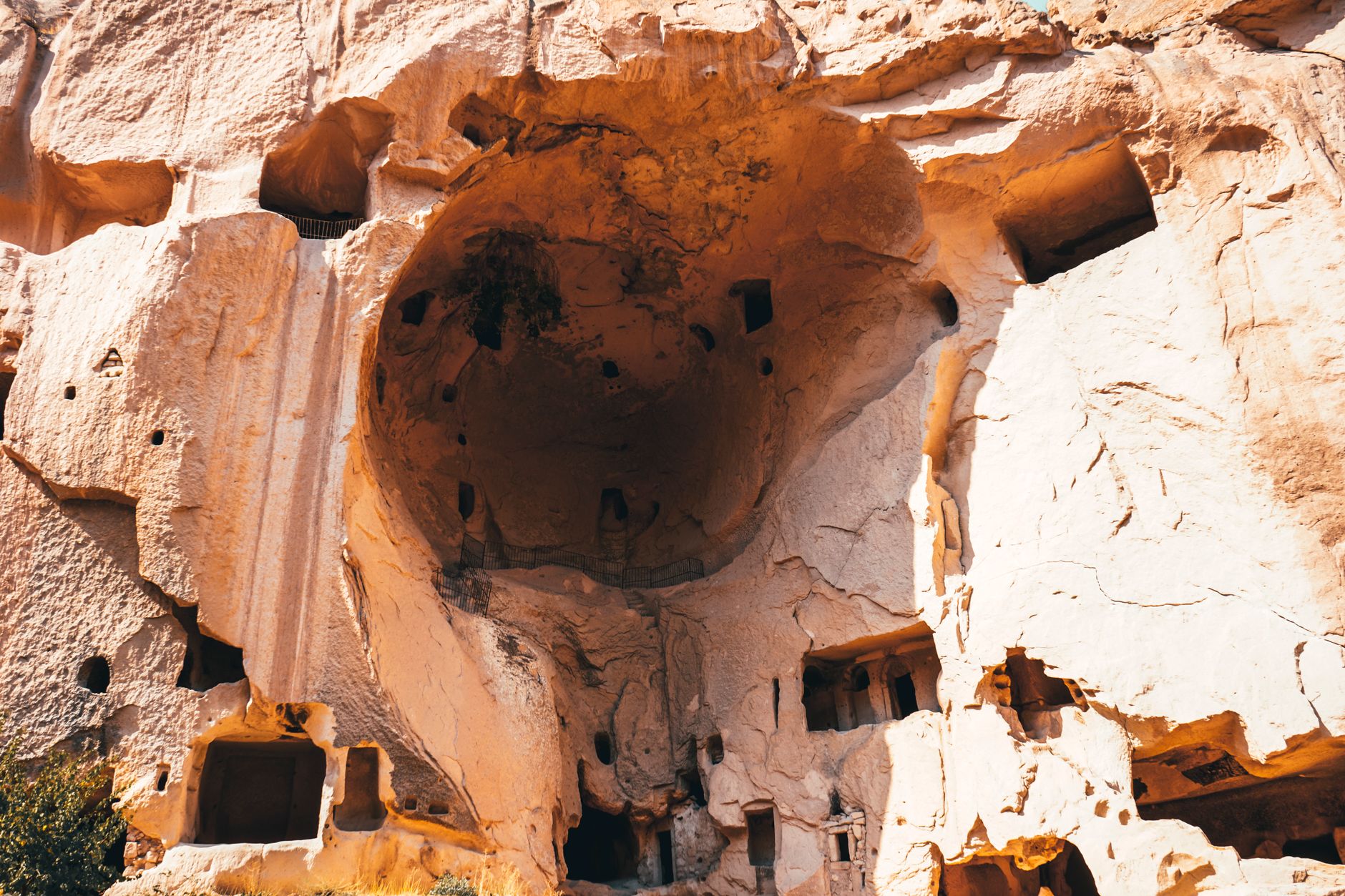
Cappadocia’s surreal fairy chimneys and soft tuff valleys are more than geological wonders; they are a canvas for centuries of Christian devotion. Between the 4th and 13th centuries, Byzantine communities carved churches, monasteries, and hermitages directly into the rock, leaving behind a dense network of sacred spaces that survive to this day. The result is one of the world’s most remarkable open-air museums of Byzantine art and architecture.
At the heart of this heritage lies the Göreme Open-Air Museum, a UNESCO World Heritage site where you can step into rock-cut churches adorned with vibrant frescoes. But beyond Göreme, lesser-visited valleys like Zelve, Çavuşin, Güzelyurt, and Soğanlı hold quieter, equally impressive churches and monasteries, often without the crowds. Whether you are a history enthusiast, an art lover, or a curious traveler, Cappadocia’s cave churches offer an awe-inspiring encounter with living history.
Masterpieces of Fresco Art
The frescoes inside Cappadocia’s cave churches are a testament to the skill and spirituality of Byzantine artists. Many date from the 9th to the 13th centuries, spanning the iconoclastic and post-iconoclastic periods. In Göreme’s Dark Church (Karanlık Kilise), the vivid colors of the Deesis and Last Judgment scenes are so well preserved that they seem freshly painted, thanks to the near-absence of natural light. Other highlights include the Buckle Church (Tokalı Kilise) with its expansive cycle of New Testament scenes, and the Snake Church (Yılanlı Kilise) featuring unusual depictions of sinners and saints.
To make the most of your fresco viewing, bring a small flashlight (or use a low-light setting on your phone) and allow your eyes time to adjust to the dim interiors. Remember that flash photography is prohibited in most churches to protect the pigments; the guards enforce this strictly. A knowledgeable guide can illuminate the iconography and stories behind each image, transforming a quiet chapel into a vivid narrative.
Respectful Visiting in Sacred Spaces
These are not merely historic monuments but also sacred sites that continue to hold spiritual significance. Visitors are asked to dress modestly, avoid touching the frescoes, and keep voices low. In some churches, you may see remnants of Muslim prayer (such as mihrabs) added after the Christian era, a reminder of the region’s layered religious history. Respectful behavior ensures these fragile treasures remain for future generations.
When planning your visit, consider going early in the morning or late in the afternoon to avoid the midday tour groups. Many of the lesser-known churches are unattended; if you find a caretaker, a small donation (a few Turkish lira) is customary and appreciated. Always ask permission before entering a space that appears to be in use or under restoration.
Exploring the Valleys on Guided Walks
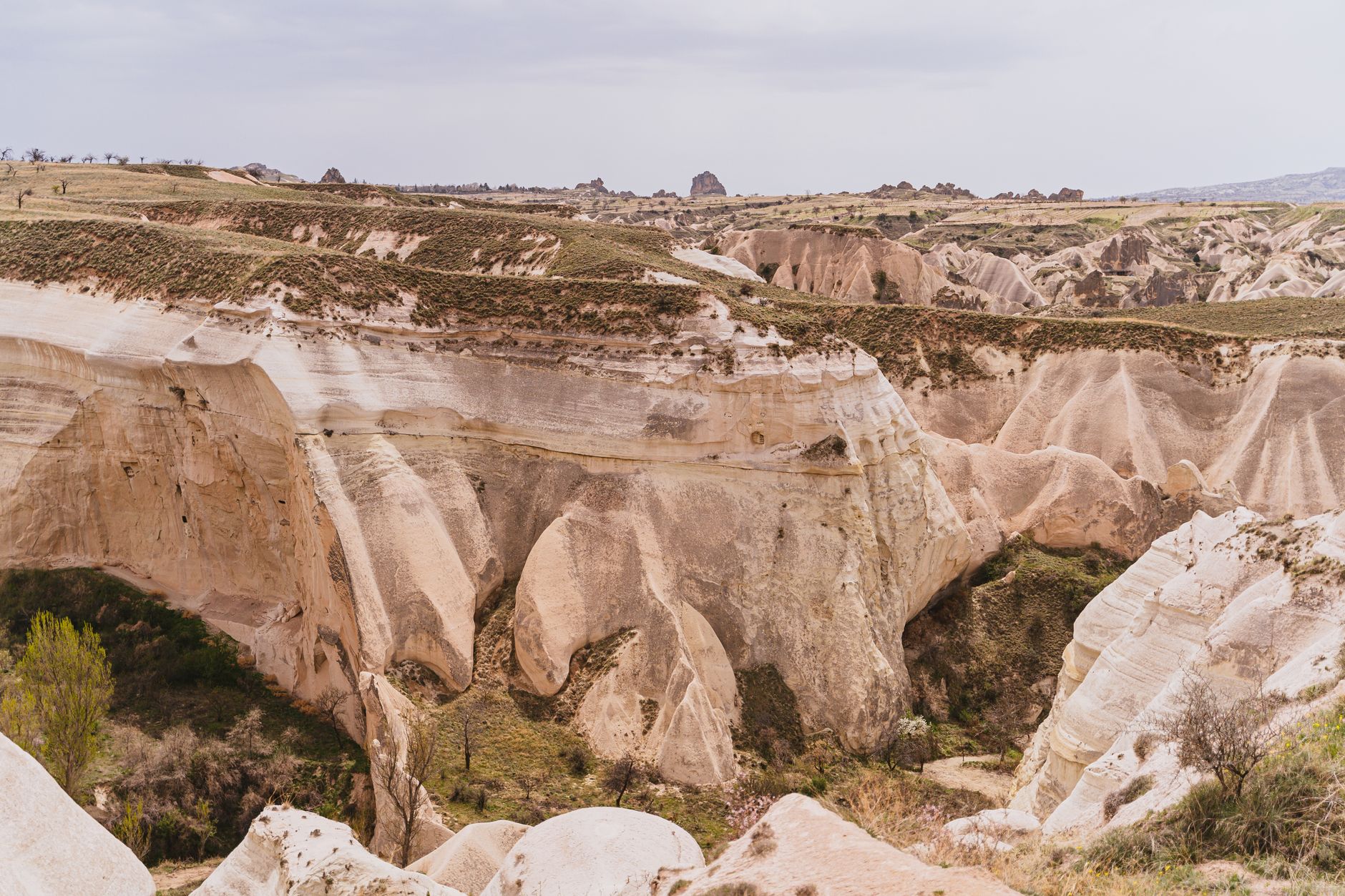
While Göreme Open-Air Museum is easily explored on your own, the surrounding valleys hide countless rock-cut churches that are best discovered on foot with a local guide. Guided walks through Love Valley, Rose Valley, Red Valley, and Pigeon Valley combine stunning landscapes with visits to tucked-away chapels and monasteries. Many tours include a visit to the Zelve Open-Air Museum, a monastic settlement with churches, tunnels, and dwellings carved into the rock, or the Çavuşin village with its ancient church and rock-cut mosque.
For a deeper immersion, consider a multi-day trek along the Lycian Way (though that is in a different region) or, better, the Cappadocia trails that link villages and churches. Our guides section offers practical advice on hiring licensed guides and planning your walks, while our trip planner can help you build an itinerary around your interests.
Beyond Göreme: Hidden Gems of the Region
To escape the crowds, head to the Soğanlı Valley, about 40 km south of Göreme, where dozens of cave churches and monasteries dot the valley walls. The Church of the Forty Martyrs and the Ballıca Cave Church are particularly notable. Further afield, the Güzelyurt area near Aksaray boasts the Selime Monastery, the largest rock-cut monastery in Cappadocia, with a cathedral-sized kitchen, chapel, and living quarters. These sites offer a more contemplative experience and a chance to appreciate the scale of monastic life.
Another gem is the Açıksaray (Open Palace) near Gülşehir, a complex of rock-cut rooms and churches that resembles a monastic campus. Exploring these lesser-known sites independently requires a car, but guided tours are available from Göreme and Ürgüp. Check our itineraries for suggestions that include off-the-beaten-path churches.
Practical Tips for Your Heritage Journey
Best time to visit: Spring (April–June) and autumn (September–November) offer mild weather and fewer crowds. Summer can be hot, especially midday, so plan indoor (cave) visits for the cooler morning or late afternoon. Winter visits are quiet and atmospheric, but some rural churches may be inaccessible due to snow.
What to bring: Comfortable walking shoes, a hat, sunscreen, water, and a light jacket for cool cave interiors. A small flashlight is handy for examining frescoes in dimly lit churches. Respectful clothing (shoulders and knees covered) is advisable for entering churches.
Guided tours: Licensed guides can provide invaluable context and access to locked churches. Book through our experts or join a small-group tour. Many guided walks include hotel pickup and lunch. For independent travelers, the Müzekart (Museum Pass) covers entry to Göreme Open-Air Museum and other sites, but note that some private churches charge separate fees.
Responsible tourism: Stick to marked paths, avoid touching frescoes, and do not use flash photography. Support local communities by hiring local guides and buying from village artisans. By visiting respectfully, you contribute to the preservation of this irreplaceable heritage.
Top Highlights
Popular Activities
Thinking about a trip to Turkey?
Share your contact details and a vetted local expert will follow up with a plan built around you — free, no obligation.
