

Cizre: Tigris-Noah Legend & Riverside Heritage Trail
Discover Cizre: A Crossroads of Legends and Empires
Perched on the banks of the Tigris River in Şırnak Province, Cizre is a town where ancient legends and living history intertwine. It is best known as the reputed landing place of Noah's Ark, with the Tomb of Noah drawing pilgrims from across faiths. The town's strategic location has made it a melting pot of civilizations, from the Assyrians and Romans to the Ottomans, leaving behind a wealth of architectural and cultural treasures.
Strolling through Cizre, you'll encounter the iconic Ottoman bridges that once facilitated trade across the Tigris. The most famous, the Malabadi Bridge, though technically in Silvan, is often associated with the region's bridge-building heritage. Within Cizre itself, the Dicle Bridge and others stand as testaments to Ottoman engineering and the town's historical importance as a river crossing.
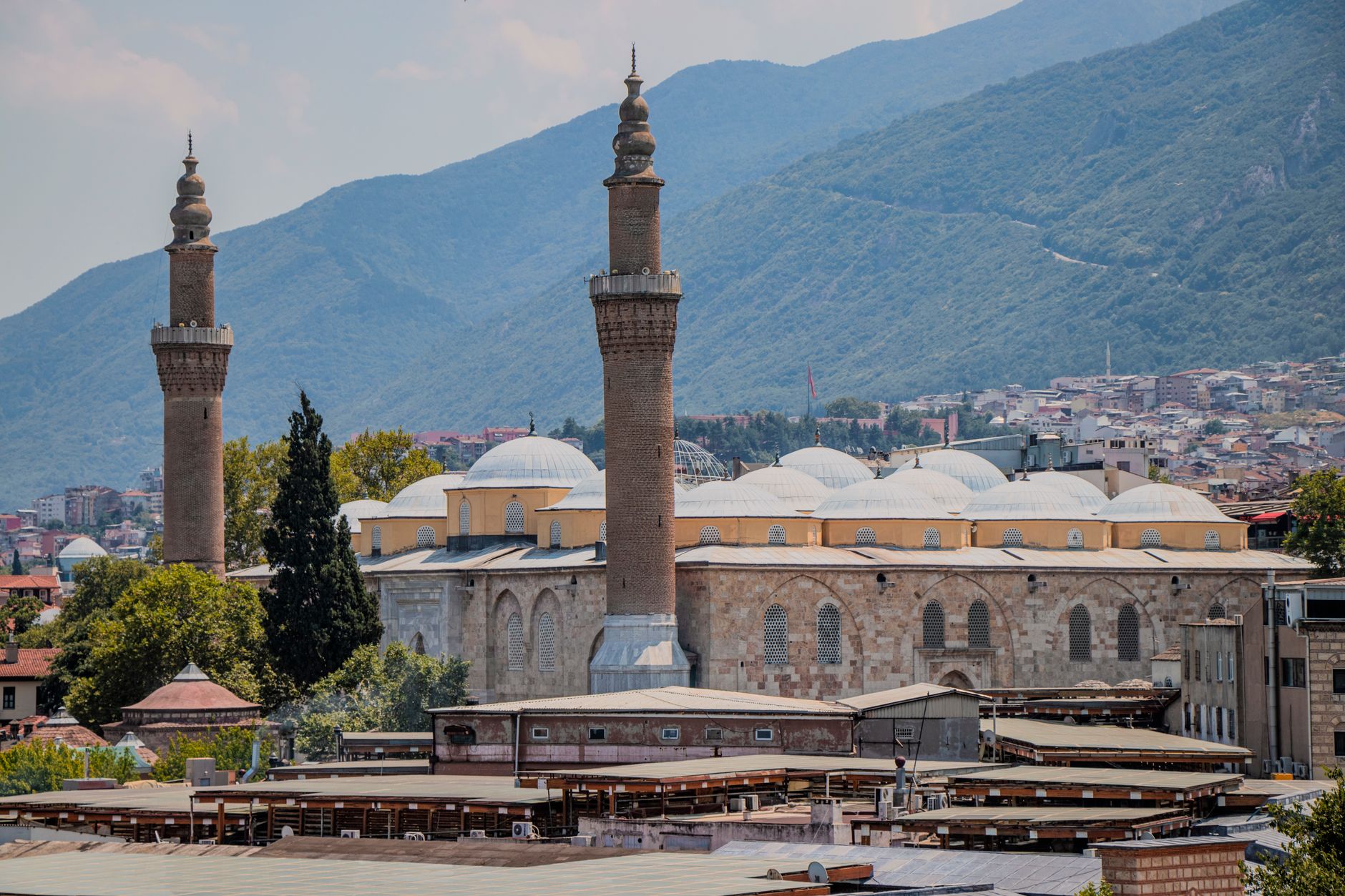
The ancient mosques of Cizre, such as the Ulu Mosque and the Mevlana Mosque, showcase exquisite Seljuk and Ottoman architecture. Their minarets and domes dominate the skyline, inviting visitors to pause and reflect amid the echoes of centuries-old prayers.
The Tomb of Noah: A Beacon of Interfaith Heritage
The Tomb of Noah (Nuh Peygamber Türbesi) is Cizre's most revered site. According to tradition, the prophet Noah was buried here after the Great Flood. The tomb is a place of pilgrimage for Muslims, Christians, and Jews alike, symbolizing the shared roots of Abrahamic faiths. The atmosphere is serene and deeply spiritual, especially during religious holidays.
Adjacent to the tomb, you'll find the Noah's Ark Park, a pleasant riverside area where locals gather. It's a wonderful spot to contemplate the legend while watching the Tigris flow lazily by. The park's lush greenery offers a refreshing contrast to the arid landscapes of the region.
Visitors are welcome to enter the tomb complex, but respectful attire and behavior are essential. Women should cover their heads, and everyone should remove shoes before entering the prayer area. Non-Muslims are generally allowed, but it's wise to check with locals or a guide.
Ottoman Bridges and Riverside Serenity
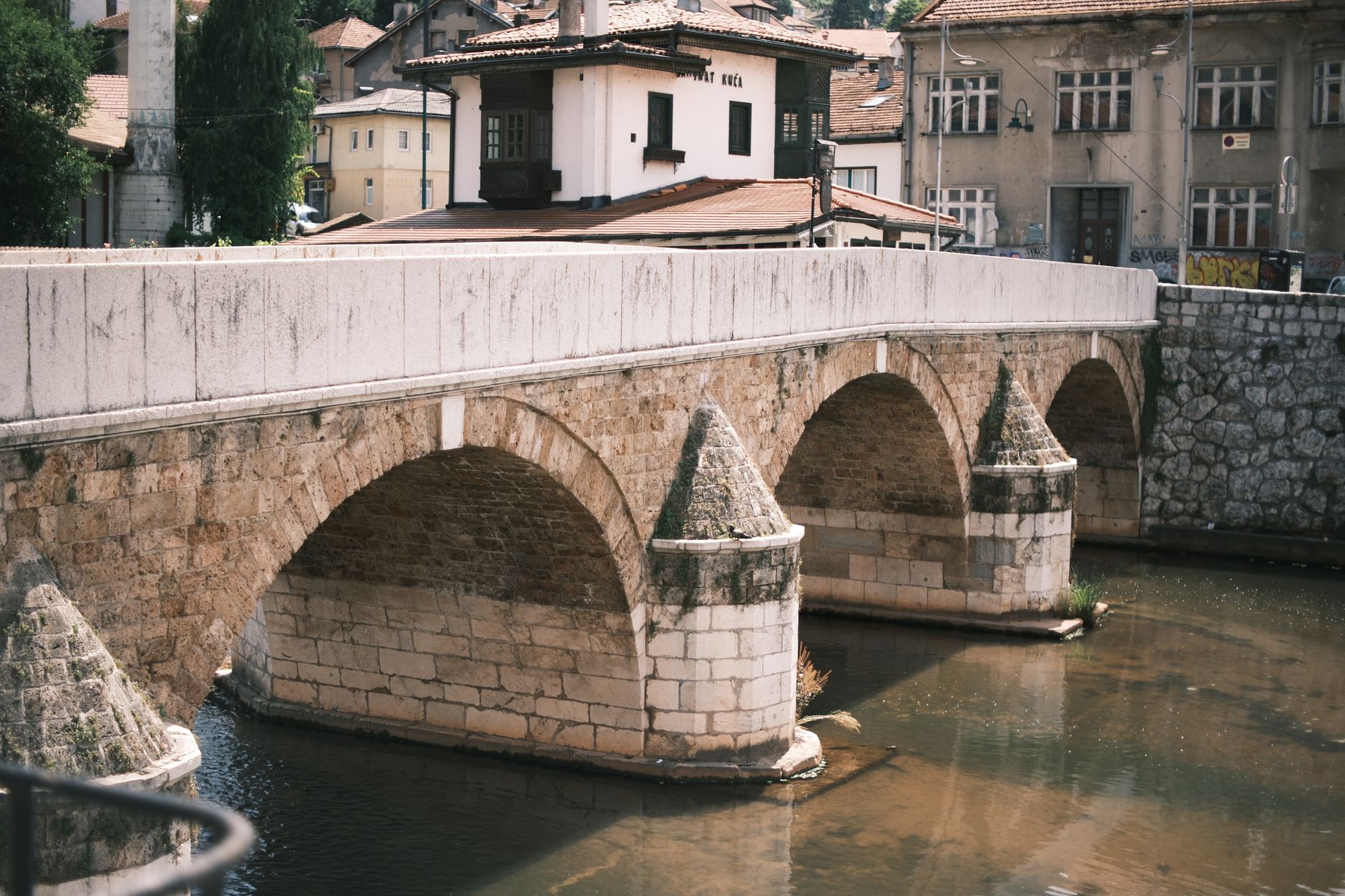
Cizre's Ottoman bridges are not just architectural marvels; they are gateways to the past. The Dicle Bridge, also known as the Kırmızı Köprü (Red Bridge), spans the Tigris with graceful arches. Built in the 12th century and restored by the Ottomans, it offers stunning views of the river and the town.
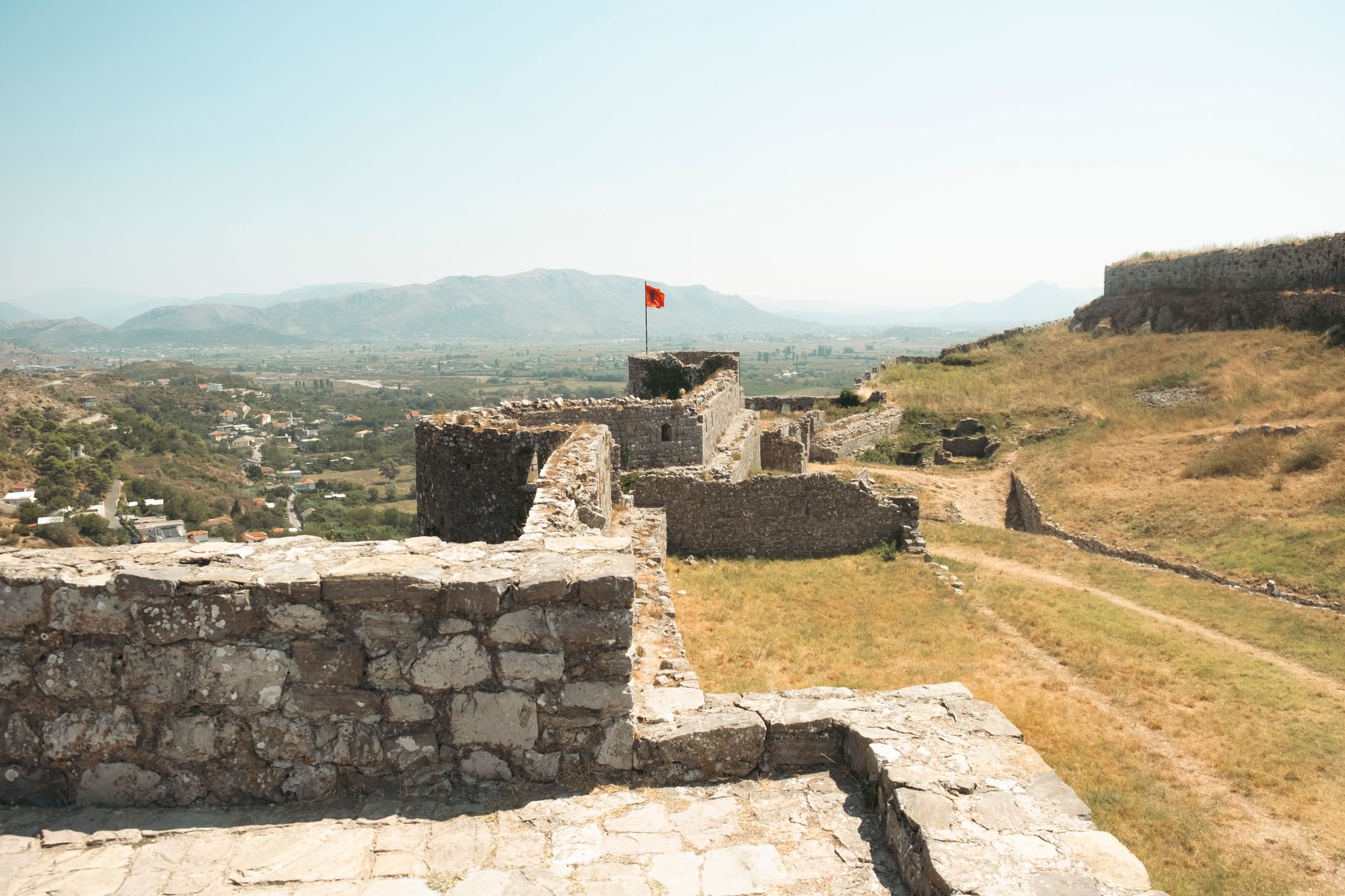
A walk along the Tigris promenade reveals the town's daily life: fishermen casting nets, families picnicking, and children playing. The Cizre Castle, though partially ruined, provides a panoramic vantage point. From here, you can see the river winding through the plains and the distant mountains of Şırnak.
For photography enthusiasts, the golden hour casts a magical glow on the bridges and the river, making it an ideal time to capture the essence of Cizre. The Dicle River itself is a lifeline, supporting agriculture and sustaining the community.
Getting There: Routes from Şırnak and Mardin
Reaching Cizre requires a bit of planning, but the journey is rewarding. The nearest airport is Şırnak Airport (NKT), about 70 km away, with flights from Istanbul and Ankara. From the airport, you can hire a taxi or take a minibus to Cizre (approximately 1.5 hours).
Alternatively, Mardin Airport (MQM) is about 200 km away and offers more flight options. From Mardin, you can travel by bus or car to Cizre, a scenic 3-hour drive through the Mesopotamian plains. Buses run regularly from Mardin's main bus station.
If you're driving, the D400 highway connects Cizre to major cities. The roads are generally well-maintained, but check for any travel advisories. Within Cizre, taxis and minibuses are readily available for local transport.
Best Time to Visit: Mild Weather and Festivals
The best months to visit Cizre are March to May and September to November, when temperatures are mild (15-25°C) and the landscape is lush or golden. Summers are extremely hot, often exceeding 40°C, making exploration uncomfortable. Winters are cool but pleasant, with occasional rain.
Spring brings wildflowers and the Newroz celebrations in March, a vibrant Kurdish festival marking the new year. Autumn is harvest season, with local markets overflowing with fresh produce. Ramadan is also a special time, with evening streets filled with the aroma of traditional foods.
Regardless of the season, pack layered clothing, sunscreen, and a hat. Comfortable walking shoes are a must for exploring the town's cobbled streets and ancient sites.
Respectful Visiting Tips and Local Hospitality
Cizre is a conservative town, so dress modestly. Women should wear loose clothing covering shoulders and knees, and carry a scarf for mosque visits. Men should avoid shorts. Always ask permission before photographing people, especially women.
When entering a mosque or the Tomb of Noah, remove your shoes and speak softly. During prayer times, non-Muslims may be asked to wait. It's also customary to bring a small gift, like sweets or fruit, when visiting a local home.
The people of Cizre are incredibly warm and hospitable. You'll likely be invited for tea or a meal. Accepting is a sign of respect. Learn a few words in Kurdish or Turkish, such as spas (thank you) or teşekkürler, and you'll be greeted with smiles.
Top Highlights
Popular Activities
Thinking about a trip to Turkey?
Share your contact details and a vetted local expert will follow up with a plan built around you — free, no obligation.
