

Çorum and Hattuşa's Surrounds: Hittite Heartland Villages and the Alaca Hills
The Hittite Heartland: More Than Just Hattuşa
Most travelers arrive at Hattuşa, the awe-inspiring capital of the Hittite Empire, and leave the next day. But the true magic of Çorum lies in its wider countryside — a landscape of rolling hills, sleepy villages, and archaeological mounds that predate the Hittites by millennia. Here, you can trace the story of Anatolia from the Bronze Age to the Ottoman era without a single tour bus in sight.
This region is a living museum. Farmers still plow fields near ancient city walls; shepherds graze flocks beside royal tombs. The past isn't fenced off — it's part of daily life. By slowing down and exploring the villages around Hattuşa, you'll understand why this land was chosen as the heart of an empire.
Alacahöyük: The Royal Necropolis and the Sphinx Gate
Just 36 kilometers north of Hattuşa, Alacahöyük is one of Turkey's most important — yet often overlooked — archaeological sites. Excavations here revealed a pre-Hittite royal necropolis dating back to 2500 BCE, with tombs containing golden crowns, sun discs, and ceremonial standards that are now stars of the Museum of Anatolian Civilizations in Ankara.
Above the tombs, you'll find the striking Sphinx Gate, a Hittite ceremonial entrance flanked by two massive stone sphinxes. The gate faces east, aligned with the sunrise on important festival days. Standing there at dawn, with the Alaca hills stretching to the horizon, is a moment of pure connection to the ancient world.
The site also has a small museum and a peaceful tea garden. Bring a picnic and enjoy the silence — you might have the whole place to yourself.
İskilip: Ottoman Charm and the Art of the Stone Bridge
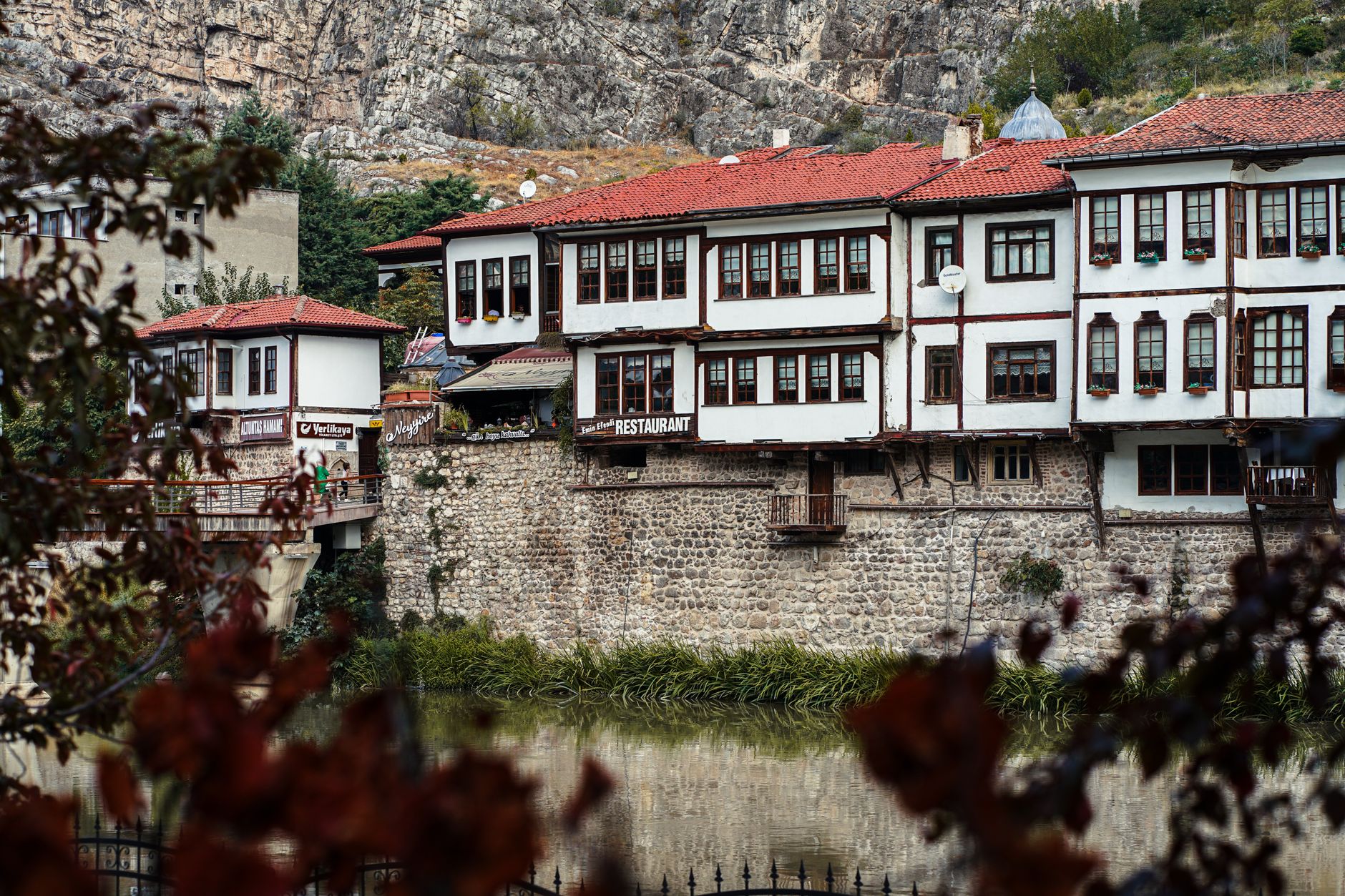
Perched on a rocky outcrop overlooking the Kızılırmak River, İskilip is a town that feels frozen in time. Its Ottoman-era houses, with their whitewashed walls and wooden balconies, tumble down the hillside toward the river. The town is famous for its 15th-century stone bridge, built by the Akkoyunlu Turks, which still carries pedestrians across the water.
Wander through the narrow streets, visit the 13th-century mosque, and sip tea in a courtyard café. İskilip is also known for its traditional crafts, especially copperware and handwoven textiles. It's the perfect place to slow down, chat with locals, and buy a genuine souvenir.
Don't miss the İskilip Castle, a Byzantine-era fortress with panoramic views of the river valley. The climb is steep but short, and the sunset from the top is unforgettable.

Leblebi Culture: The Roasted Chickpea Road
Çorum is the undisputed leblebi capital of Turkey. These roasted chickpeas — sometimes salted, sometimes coated in sugar or spices — are a national snack, and the best come from small family workshops in and around the city. The process hasn't changed in centuries: chickpeas are soaked, boiled, rested, and then roasted in sand or hot air until they're golden and crunchy.
Visit a local leblebi workshop to see the traditional methods in action. You'll learn about different varieties — from sade (plain) to şekerli (sugared) and baharatlı (spiced). The smell of roasting chickpeas is the scent of Çorum itself.
Buy a few bags to take home — they make perfect gifts. And pair them with a glass of Turkish tea for the full experience.
Day-Trip Logistics from Ankara
Çorum is about 240 kilometers east of Ankara, a comfortable 3-hour drive via the O-4 highway. Buses run frequently from Ankara's AŞTİ terminal to Çorum city center (about 3.5 hours). From Çorum, you'll need a car to explore the villages and archaeological sites — renting a car in Ankara or Çorum is the most flexible option.
For a day trip, start early in Ankara, drive directly to Hattuşa (another 40 minutes from Çorum), spend the morning exploring, then visit Alacahöyük in the afternoon. Stop in İskilip on the way back if time allows. It's a long day but doable. Better yet, stay overnight in Çorum or a village guesthouse to truly soak in the atmosphere.
Public transport to the sites is limited, but dolmuşes (minibuses) run from Çorum to Boğazkale (for Hattuşa) and Alaca (for Alacahöyük). From those towns, you'll need a taxi or a short hike. Check schedules locally as they change seasonally.
Combining with Amasya: A Perfect Two-Day Loop
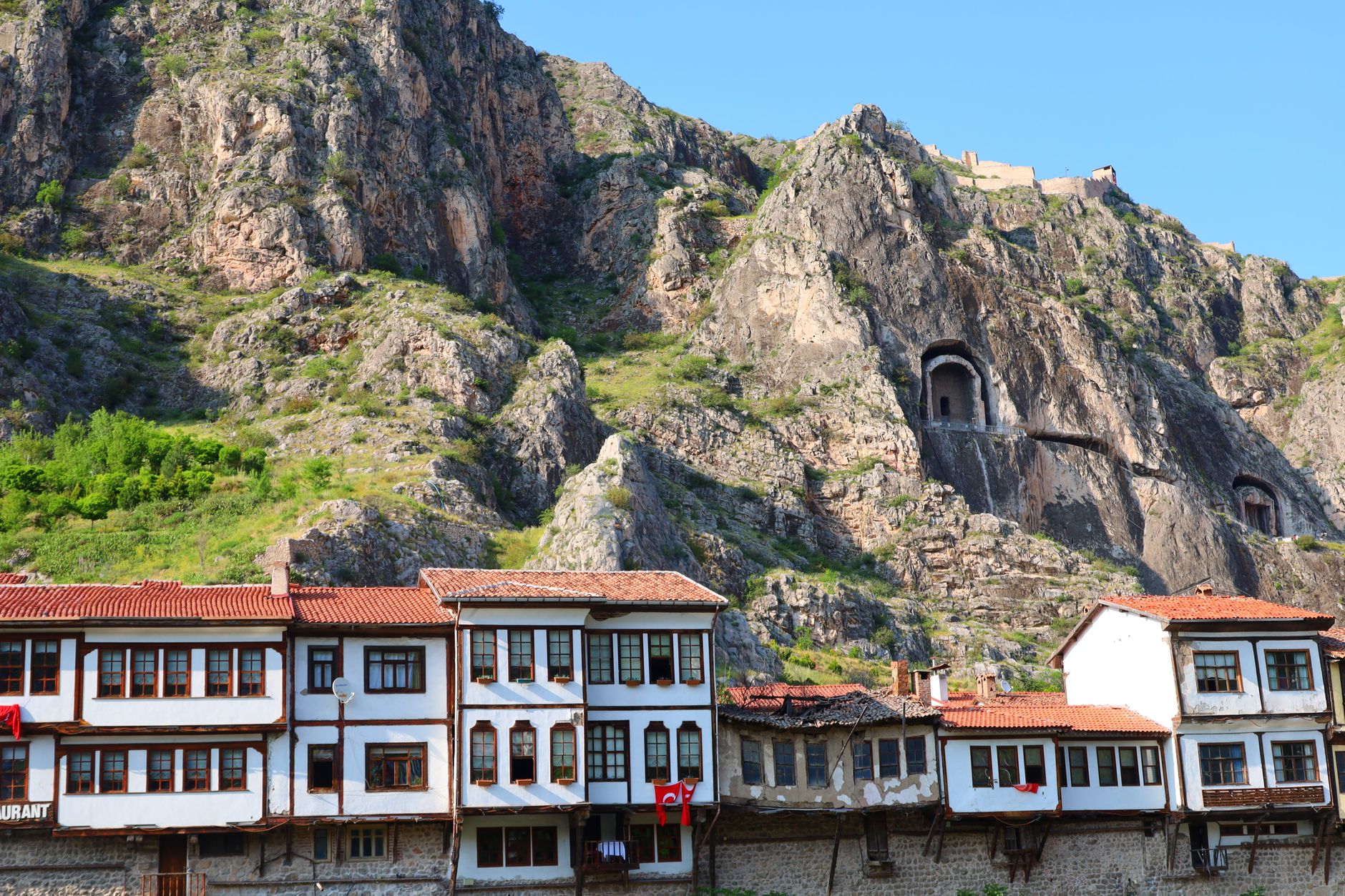
Amasya, with its dramatic rock tombs and Ottoman mansions along the Yeşilırmak River, is only 90 minutes from Çorum. Combining the two makes a superb two- or three-day itinerary. Day one: Hattuşa and Alacahöyük, overnight in Çorum. Day two: drive to Amasya, explore the tombs and the old town, then return to Ankara via the scenic route.
The drive between Çorum and Amasya winds through fertile valleys and past more ancient mounds. Stop at the Amasya Archaeological Museum to see finds from the region, including Hittite artifacts. And don't miss Amasya's famous apples — they're a local delicacy.
If you have a third day, add a visit to the Ottoman village of Yörük and the hot springs near Havza. This loop offers a perfect blend of archaeology, culture, and relaxation.
When to Go and How Long to Stay
Spring (April–June) and autumn (September–October) are ideal: mild temperatures, wildflowers or golden light, and fewer crowds. Summers can be hot and dry, especially at exposed sites like Hattuşa. Winters are cold, with occasional snow — atmospheric but challenging for site visits.
Two to three days is enough to see the highlights, but a week allows you to truly explore the villages, meet local artisans, and follow the leblebi trail. The region rewards slow travel.
"The past whispers in every field and village. Here, you don't just visit history — you walk through it."
Top Highlights
Popular Activities
Thinking about a trip to Turkey?
Share your contact details and a vetted local expert will follow up with a plan built around you — free, no obligation.
