

Demre and Myra
Demre: The Quiet Heart of the Lycian Coast
Tucked away on Turkey's southern coast between the bustle of Antalya and the laid-back charm of Kaş, Demre remains a working agricultural town where pomegranate and citrus orchards fill the air with scent. Unlike its flashier neighbors, Demre has preserved a slower rhythm, making it an ideal base for travelers seeking authenticity over crowds.
Known in antiquity as Myra, this was once one of the six leading cities of the Lycian League. Today, its dual identity as both an ancient Lycian capital and the hometown of St. Nicholas draws visitors from around the world, yet the town retains a welcoming, unhurried atmosphere.
Here, you can explore world-class archaeological sites in the morning, enjoy a fresh seafood lunch by the harbor, and still find yourself alone among centuries-old ruins by late afternoon.
St. Nicholas Church: The Original Santa Claus
The Church of St. Nicholas in Demre stands on the site where the beloved saint served as bishop in the 4th century AD. Though the original structure was destroyed by earthquakes and later rebuilt, the current basilica dates largely to the 8th century and contains the saint's empty sarcophagus—his relics were taken to Bari, Italy, in 1087.
Inside, you'll find faded but evocative frescoes, a mosaic floor, and a palpable sense of history. The church is particularly atmospheric in the early morning when tour buses haven't yet arrived.
“This is where the legend of Santa Claus truly began—not in the North Pole, but on Turkey's sunny Lycian coast.”
Be sure to visit the small museum adjacent to the church, which displays artifacts from the site and tells the story of St. Nicholas's life and legacy.
Myra's Rock-Cut Tombs: A Lycian Masterpiece
Carved directly into the cliffs above the Roman theater, the rock-cut tombs of Myra are among the most striking archaeological sites in Turkey. Dating from the 4th century BC, these elaborate house-style tombs were created for Lycian nobles and royalty, their facades mimicking the wooden homes of the living.
The largest and most famous tomb, known as the Lion's Tomb, stands out with its carved lion reliefs. From the viewing platform, you can admire the intricate details and imagine the rituals that once took place here. The climb to the tombs is steep but short, and the panoramic view of the surrounding plain and distant sea is worth the effort.
Note that the tombs are a protected archaeological site; climbing into them is not permitted. Instead, take your time on the designated paths to appreciate the craftsmanship and the spiritual significance of this necropolis.
The Roman Theater: Echoes of Ancient Performances
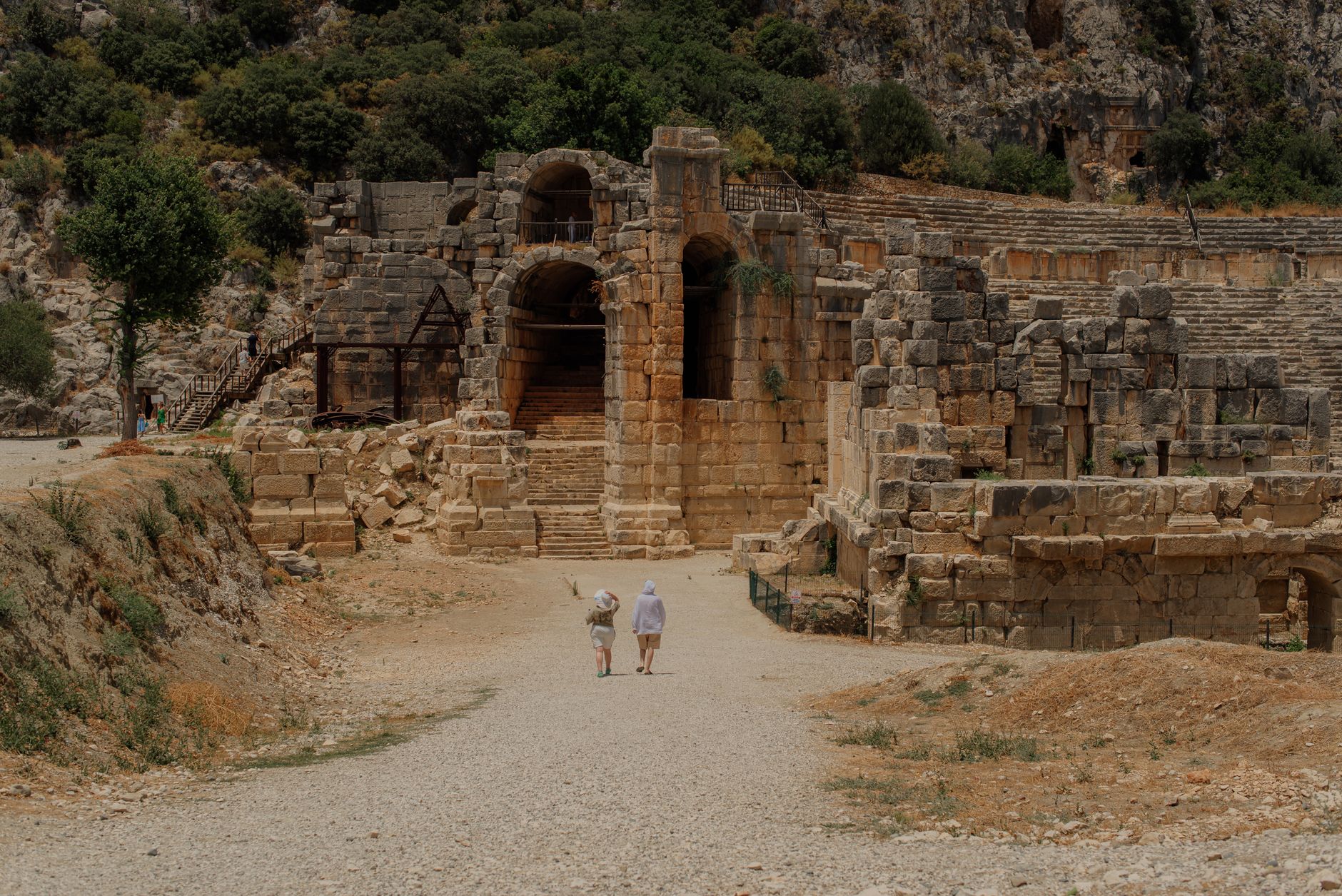
At the base of the cliff, the remarkably well-preserved Roman theater of Myra once seated up to 10,000 spectators. Originally built by the Greeks and later expanded by the Romans, it features a sweeping semicircular cavea and a two-story stage building that still hints at its former grandeur.
Though partially buried over the centuries, ongoing excavations continue to reveal new details. Stand at the center of the orchestra and you'll understand why this location was chosen—the acoustics are stunning, and the backdrop of the rock tombs creates a theatrical setting like no other.
Combine your visit to the theater with the tombs using a single ticket, and allow at least an hour to explore both sites unhurried.
Kekova's Sunken City: A Nearby Wonder
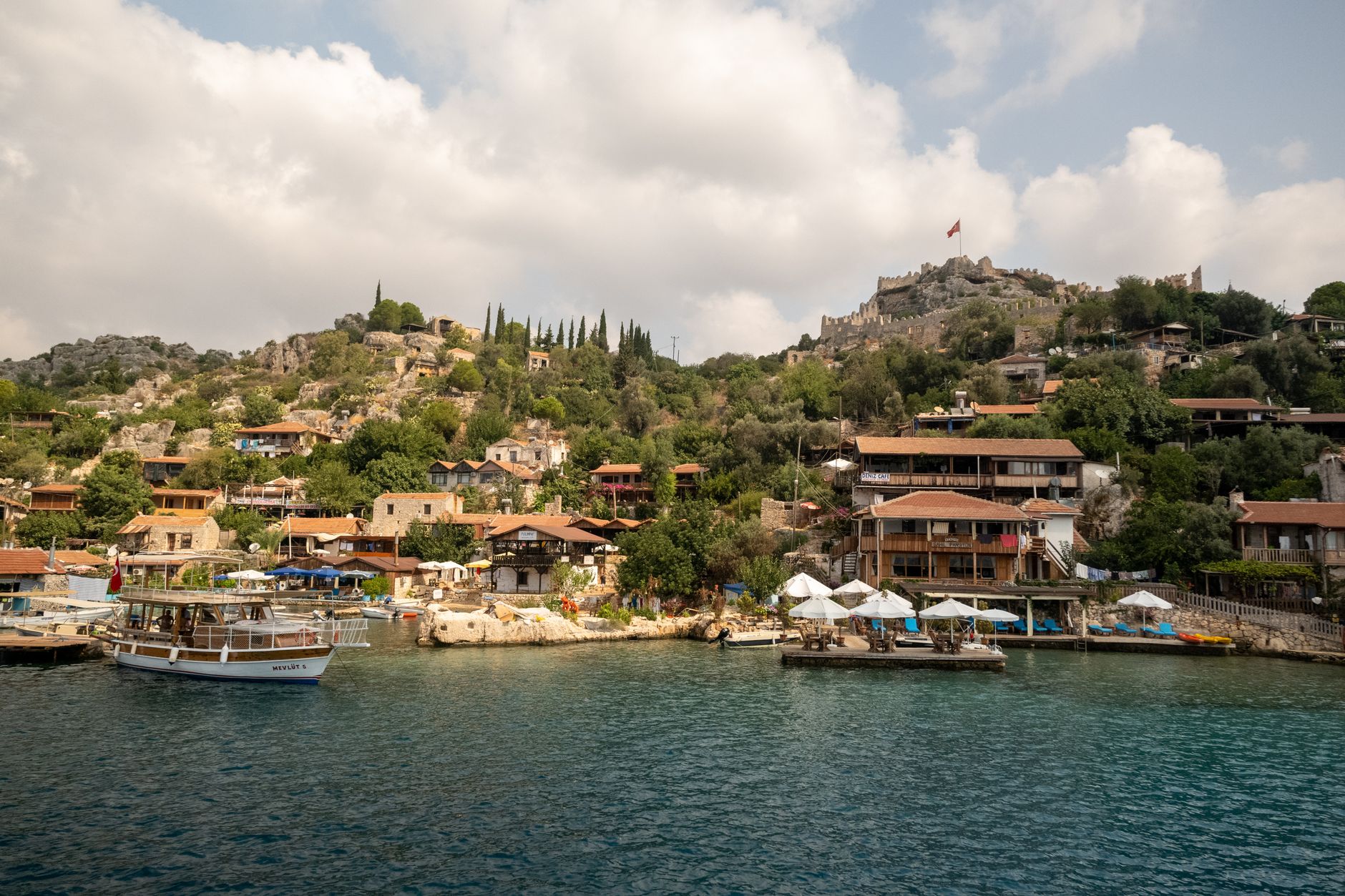
Just a short boat ride from Demre lies Kekova, an island with a sunken city whose ruins lie beneath crystal-clear waters. The protected area is a paradise for snorkelers and history lovers alike. Boat tours depart regularly from Demre's harbor, typically including stops at the sunken city, the ancient town of Simena, and the picturesque village of Kaleköy.
While swimming and diving are restricted around the sunken city itself, you can clearly see submerged foundations, staircases, and even amphorae from the surface. The surrounding bays offer perfect swimming spots, and many tours include lunch on board.
For a more intimate experience, consider a kayaking tour—paddling over sunken ruins is an unforgettable way to connect with Lycia's maritime past.
Practical Tips for Visiting Demre and Myra
Getting there: Demre is easily accessible by car or bus from Antalya (about 2.5 hours) or Kaş (45 minutes). If you're driving, the coastal road offers stunning views. Public minibuses (dolmuş) also run frequently from nearby towns.
Best time to visit: Spring (April to June) and autumn (September to November) offer ideal weather—warm but not scorching—and fewer crowds. Summer can be very hot, especially at midday when the rock tombs offer little shade.
Visiting the church and tombs: Both sites are open daily, typically from 8:30 am to 7 pm in summer and until 5 pm in winter. Buy a combined ticket for the church, tombs, and theater for the best value. Wear sturdy shoes for the uneven paths at the tombs, and bring water, a hat, and sunscreen.
Respect the sites: Remember that these are active archaeological sites and, in the case of the church, a place of worship. Dress modestly, speak softly, and follow all posted signs.
Where to stay: Demre offers a range of small hotels and guesthouses, many within walking distance of the main sites. For a more resort-like experience, nearby Çayağzı (Andriake) has beachfront options.
Why Demre Belongs on Your Lycian Coast Itinerary
Demre is not just a stopover—it's a destination that rewards those who linger. Its blend of early Christian history, Lycian heritage, and unspoiled coastal beauty makes it unique. Whether you're a history buff, a sailor, or simply someone seeking a quieter side of Turkey, Demre offers an authentic slice of Turkish life.
With warm hospitality, delicious local cuisine, and proximity to Kekova and the Lycian Way, Demre is the perfect base for exploring this magical stretch of coastline. Come for the tombs and the church, stay for the sunsets over the Mediterranean, and leave with a deeper connection to Turkey's storied past.
Top Highlights
Popular Activities
Thinking about a trip to Turkey?
Share your contact details and a vetted local expert will follow up with a plan built around you — free, no obligation.
