

Divriği: UNESCO Stone Carving and the Çaltı Valley
A UNESCO Masterpiece in a Quiet Corner of Anatolia
The Great Mosque and Hospital of Divriği — Divriği Ulu Cami ve Darüşşifası — is the kind of monument that makes travelers rearrange their itineraries. Built in 1228–1229 under the Mengücek emirs, it is one of the first sites in Turkey inscribed on the UNESCO World Heritage List, and it remains one of the most original works of Islamic stone carving anywhere.
What sets it apart is not size or grandeur but invention. The stone portals are a riot of asymmetrical relief: interlaced geometric bands, palmettes, double-headed eagles, lions, sphinxes, and abstract forms that seem to anticipate modern design. No two panels repeat exactly; scholars still debate the meanings encoded in the ornament.
Yet Divriği itself is a small, unassuming town in eastern Sivas province. That contrast — a world-class monument in a working Anatolian town — is precisely what makes a visit here feel personal, unhurried and memorable.
The Portals: Reading the Stone
Give yourself time at the north portal, the west portal (the congregational entrance with its swirling vegetal crown), and the hospital portal, each with a distinct visual language. A local guide or a good handbook transforms the visit: suddenly the lions at the base of the west portal, the tree-of-life motifs, and the inscriptions become legible as a program, not just decoration.
What to look for
- The crown-like muqarnas hood above the west portal, unique in Anatolian Seljuk architecture
- Relief double-headed eagles and lions, heraldic symbols of Mengücek power
- The hospital's interior, with its vaulted chambers and small courtyard — an early example of a charitable medical complex
- Prayer-hall columns and the mihrab, which harmonize with the exterior ornament
Light matters. Mid-morning and late afternoon raking sunlight pulls the reliefs into sharp dimension; flat noon light flattens them. Plan your visit accordingly.
Iron Roads: Divriği's Mining Heritage
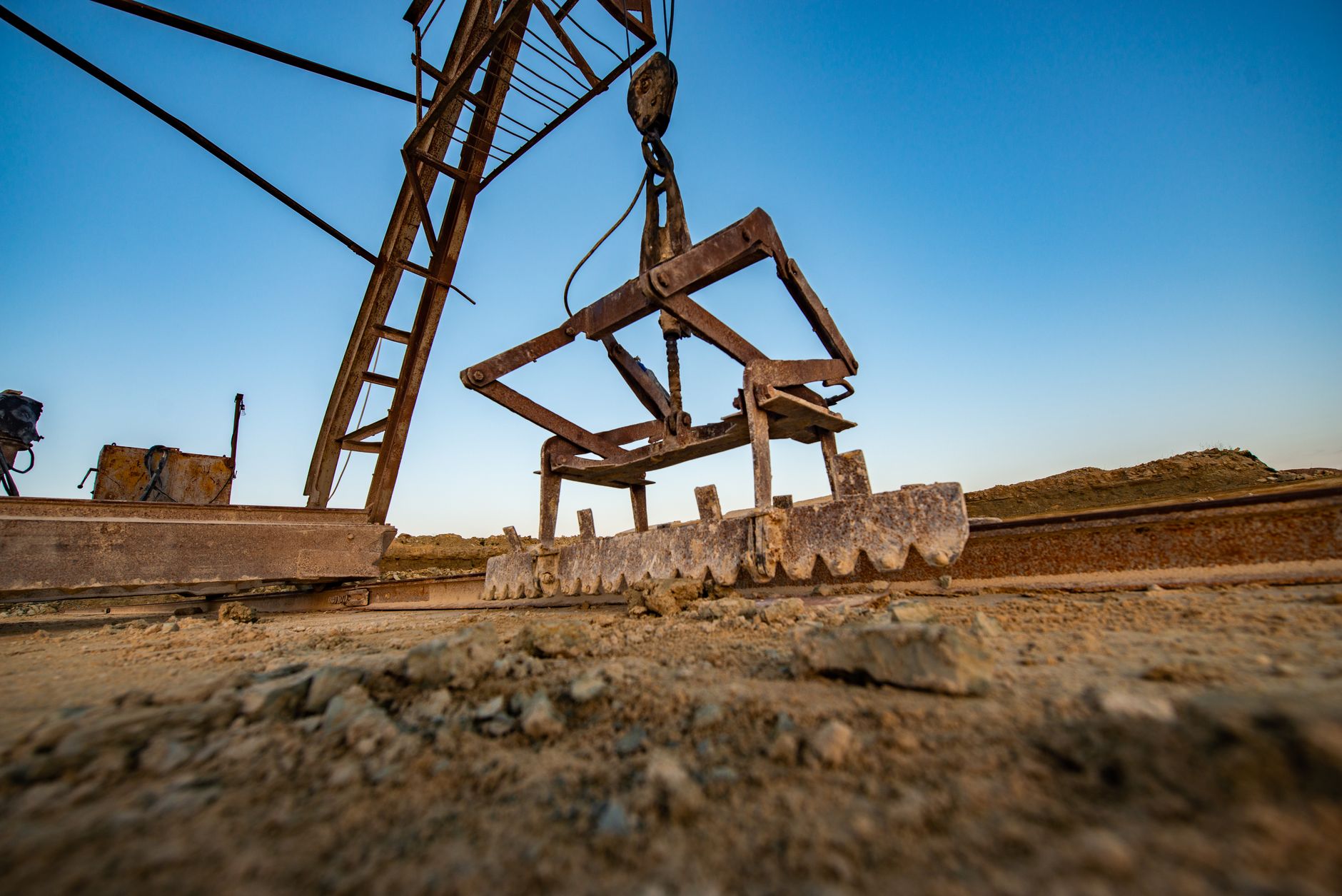
Divriği is not only a monument town — it is an iron town. The surrounding hills hold some of Turkey's richest iron-ore deposits, worked since antiquity and still mined today. Ore from Divriği feeds national steel production, and the railway that hauls it also carries passengers along one of Turkey's most scenic routes.
Ancient ironworking, Seljuk patronage and modern mining are layered here. Ask locally about the old shafts and the mining museum initiatives; the town's identity as a place where metal, fire and stone converge gives it a character quite unlike other heritage stops in Anatolia.
The Çaltı Valley and Its Villages
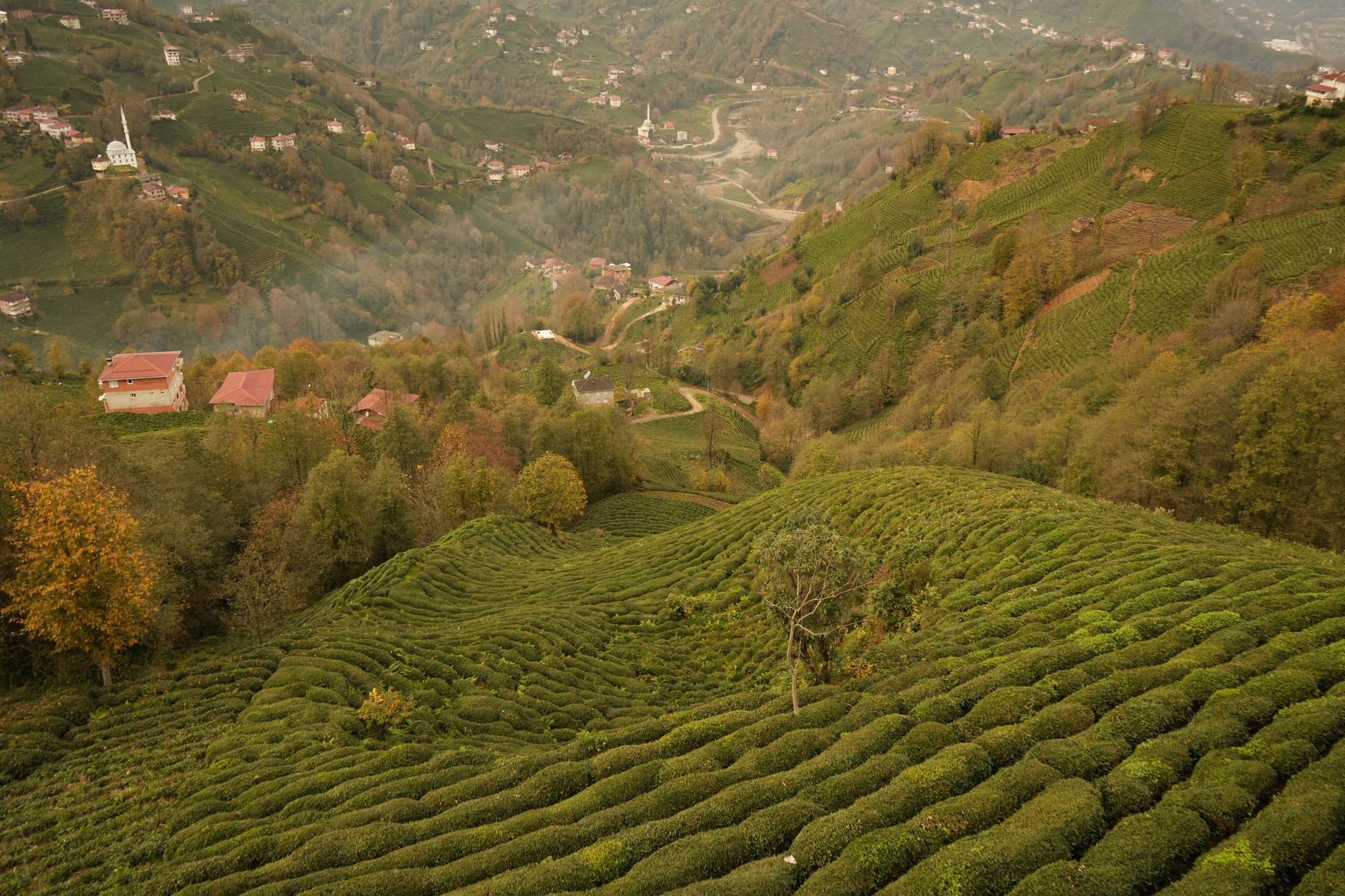
South and east of town, the Çaltı Valley opens into a landscape of terraced fields, poplar-lined streams and stone-and-timber villages. This is rural Anatolia at a human scale: women drying fruit on rooftops, shepherds moving flocks, tea served without ceremony in village kahves.
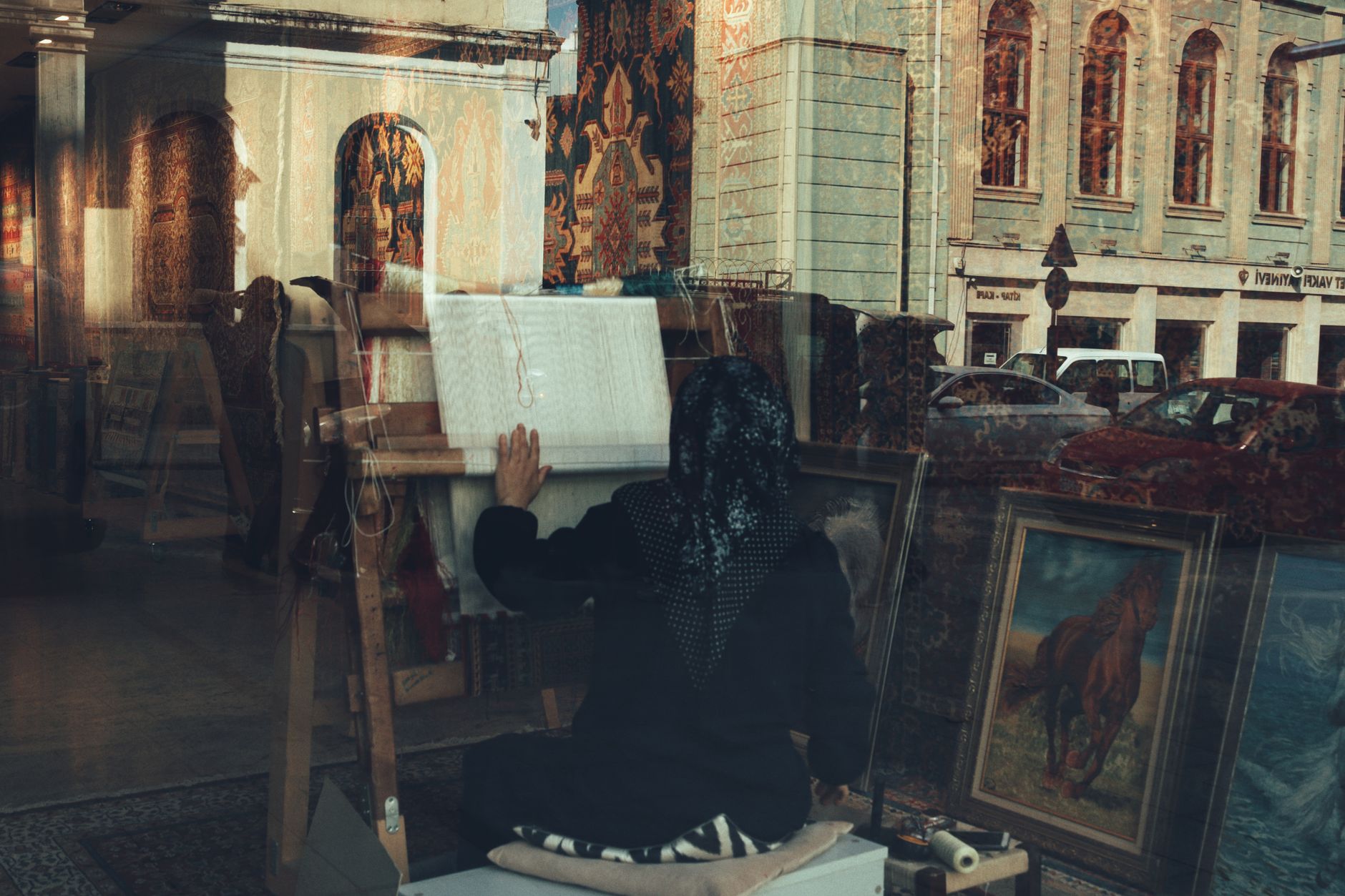
The villages are also keepers of craft. You will find carpet and kilim weaving, hand-carved wooden spoons and utensils, copper and ironwork, and felt-making — traditions that echo the artisan culture that produced the mosque's ornament centuries ago. Visiting a workshop is not a staged experience; it is an encounter with living heritage.
Travelers with time to walk or drive the valley are rewarded with Ottoman-era bridges, old Seljuk caravanserai traces along the historic road to Sivas and Erzincan, and views that few foreign visitors ever see.
Getting There: The Scenic Train from Sivas
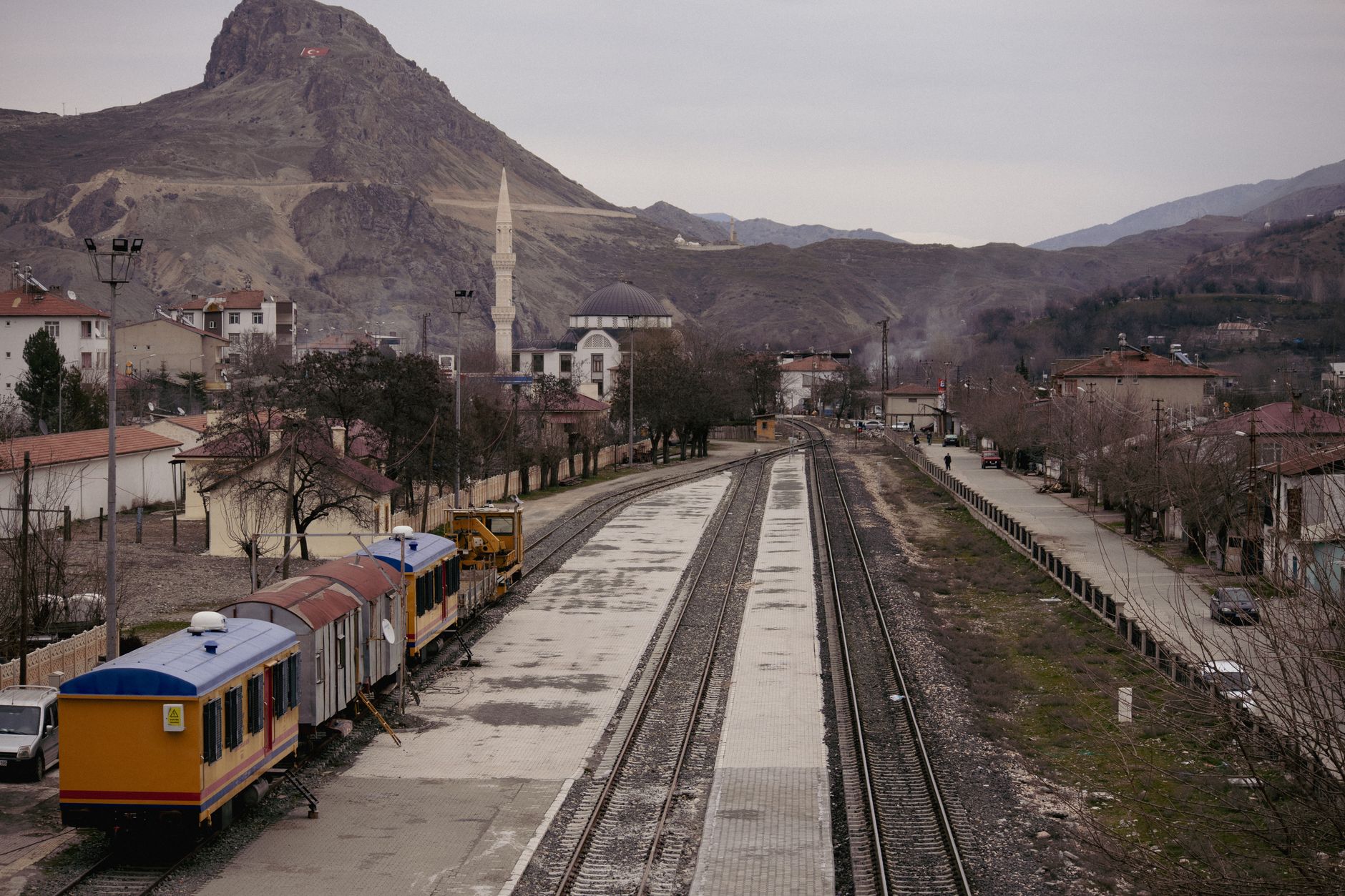
The most atmospheric approach is by rail. The Sivas–Divriği line climbs through gorges, tunnels and high steppe, with long stretches of pure landscape. It is slow, cheap and unforgettable — the train is part of the experience, not merely transport.
By road, Divriği lies roughly 180 km east of Sivas city; the drive takes about three hours through mountain scenery. Bus and dolmuş connections exist, but schedules are limited, so check times the day before. Once in Divriği, the mosque is walkable from the town center, and taxis or a hired car make the Çaltı Valley villages accessible.
Practical Advice: Guides, Food and Timing
Allow half a day for the mosque complex properly — an hour or more inside and around the portals, plus time for the hospital and the immediate surroundings. Add another half-day for handicraft workshops and a short Çaltı Valley loop, and a full day if you want to walk between villages.
Hire a local guide if you can; without interpretation, the carving is beautiful but mute. The municipality and local associations can point you to English-speaking guides, though availability is limited — arrange in advance if possible.
Where to eat and stay
Divriği's eateries are simple and satisfying: look for etli ekmek, kebap, lentil soup, and Sivas-style katmer and madımak in season. Village breakfasts — cheese, honey, olives, fresh bread, endless tea — are a highlight of the Çaltı Valley.
Accommodation is modest: small local hotels and guesthouses in town, with more choice in Sivas if you use it as a base. Book ahead in summer, when returning Divriğili families fill the few rooms.
Come for a UNESCO monument; leave remembering the hands that carved it and the hands that still weave, forge and shape this valley today.
When to go: April to October. Spring brings green valleys and wildflowers; autumn offers golden light and harvest activity. Winters are cold and snowy, with short days and reduced transport.
Top Highlights
Popular Activities
Thinking about a trip to Turkey?
Share your contact details and a vetted local expert will follow up with a plan built around you — free, no obligation.
