

Diyarbakır's Hevsel Gardens and Basalt Walls: A Living Oasis on the Tigris
Diyarbakır: A Jewel of Southeastern Türkiye
Welcome to Diyarbakır, a city where ancient history and vibrant culture intertwine. Known as the unofficial capital of southeastern Türkiye, Diyarbakır boasts a rich multicultural heritage that spans millennia. At its heart lie two extraordinary treasures: the imposing basalt city walls and the verdant Hevsel Gardens. Together, they form a UNESCO World Heritage site that tells a story of human resilience, agricultural ingenuity, and harmonious coexistence with nature.
The city walls, stretching over 5 kilometers, are among the longest and best-preserved in the world. Built from dark basalt stone, they have stood as silent witnesses to the rise and fall of civilizations. Beyond the walls, the Hevsel Gardens stretch along the Tigris River, a fertile oasis that has been cultivated for thousands of years. This remarkable blend of history and agriculture creates a landscape unlike any other, inviting travelers to step back in time while enjoying the bounty of the present.
The Basalt Walls: Guardians of History
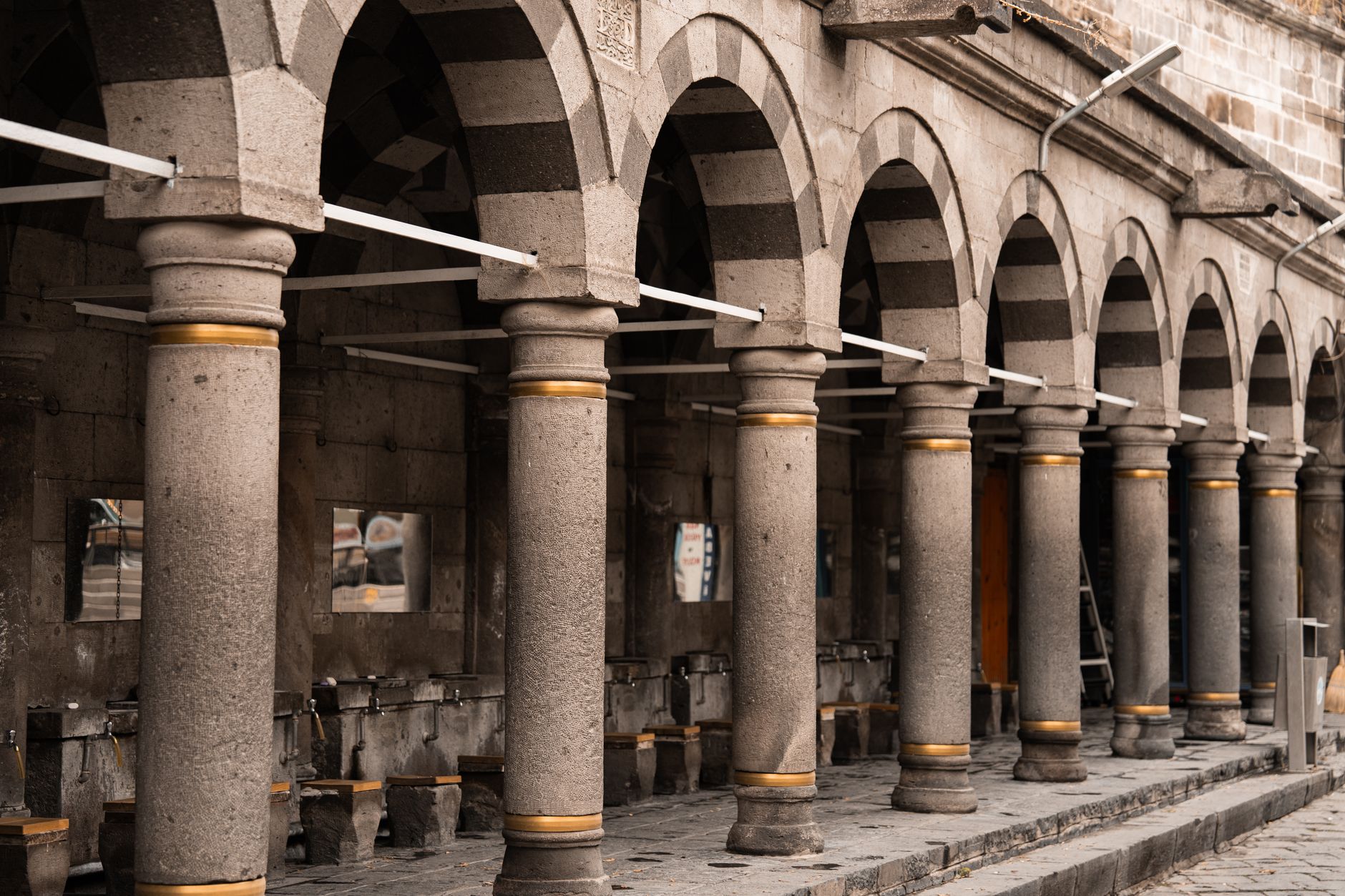
The Diyarbakır City Walls are a masterpiece of military architecture, with origins dating back to the Roman era. They were expanded and fortified by subsequent civilizations, including the Byzantines, Arabs, Seljuks, and Ottomans. The walls feature numerous towers, gates, and inscriptions that narrate the city's storied past. Walking along the ramparts, you can almost hear the echoes of ancient armies and traders who once passed through these gates.
What makes these walls truly unique is their seamless integration with the surrounding landscape. The dark basalt contrasts dramatically with the green expanse of the Hevsel Gardens below, creating a visual harmony that has inspired poets and travelers for centuries. As you explore the walls, take a moment to admire the craftsmanship of the stonework and the panoramic views of the Tigris River and the fertile plains beyond.
Hevsel Gardens: A Fertile Oasis on the Tigris
The Hevsel Gardens are a testament to the enduring relationship between humans and nature. For over 8,000 years, these gardens have been cultivated, providing food and sustenance to the city's inhabitants. The fertile soil, enriched by the waters of the Tigris, yields a variety of fruits, vegetables, and grains. The gardens are not just a source of produce; they are a living cultural landscape that reflects the agricultural traditions of the region.
Strolling through the gardens, you'll encounter a patchwork of orchards, vegetable plots, and vineyards. The area is also a haven for birdwatchers, as the gardens serve as a resting spot for migratory birds. The peaceful atmosphere, punctuated by the sound of flowing water and birdsong, offers a serene escape from the bustling city. It's no wonder that the Hevsel Gardens are considered a symbol of Diyarbakır's identity and a vital part of its heritage.
Exploring Diyarbakır's Cultural Tapestry
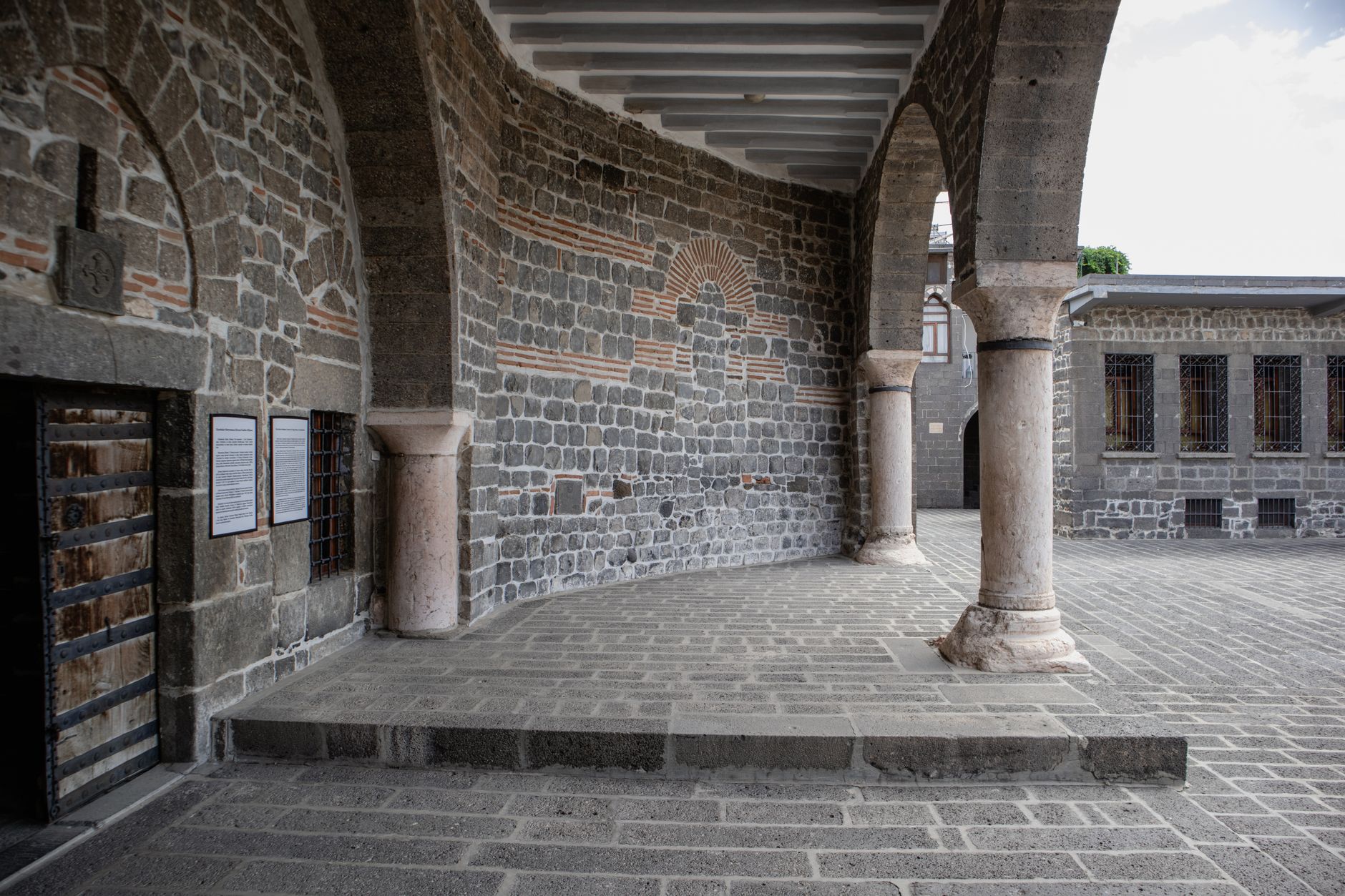
Beyond the walls and gardens, Diyarbakır is a city of diverse cultural influences. The Grand Mosque (Ulu Cami) is one of the oldest mosques in Anatolia and a significant architectural landmark. Its intricate stone carvings and peaceful courtyard invite contemplation. Nearby, the traditional courtyards of historic homes, known as 'Diyarbakır evleri,' showcase the city's unique architectural style, with ornate stonework and tranquil gardens.
The city's multicultural heritage is evident in its churches, mosques, and synagogues, reflecting centuries of coexistence among different communities. The vibrant bazaars and markets are perfect for immersing yourself in local life, where you can shop for handmade crafts, spices, and textiles. Don't miss the opportunity to engage with the friendly locals, who are proud of their city and eager to share its stories.
A Culinary Journey: Kebabs and Kadayıf
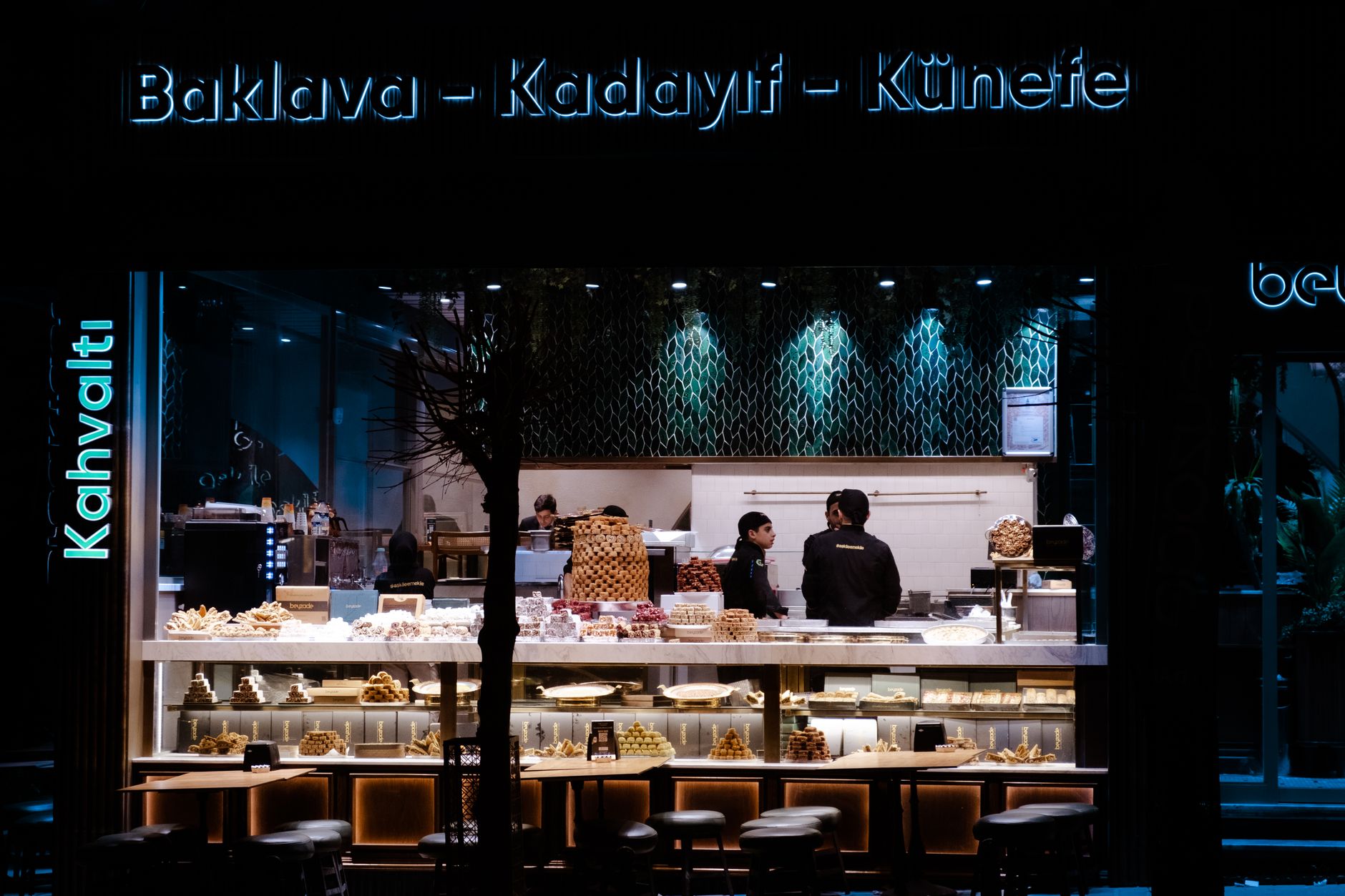
Diyarbakır is a paradise for food lovers. The local cuisine is rich and flavorful, with a focus on fresh ingredients from the Hevsel Gardens. The city is famous for its kebabs, particularly the 'Diyarbakır kebabı,' made with lamb, garlic, and spices, grilled to perfection. Another must-try is the 'kadayıf,' a sweet pastry made with shredded phyllo, cheese, and syrup, often enjoyed with a cup of Turkish tea.
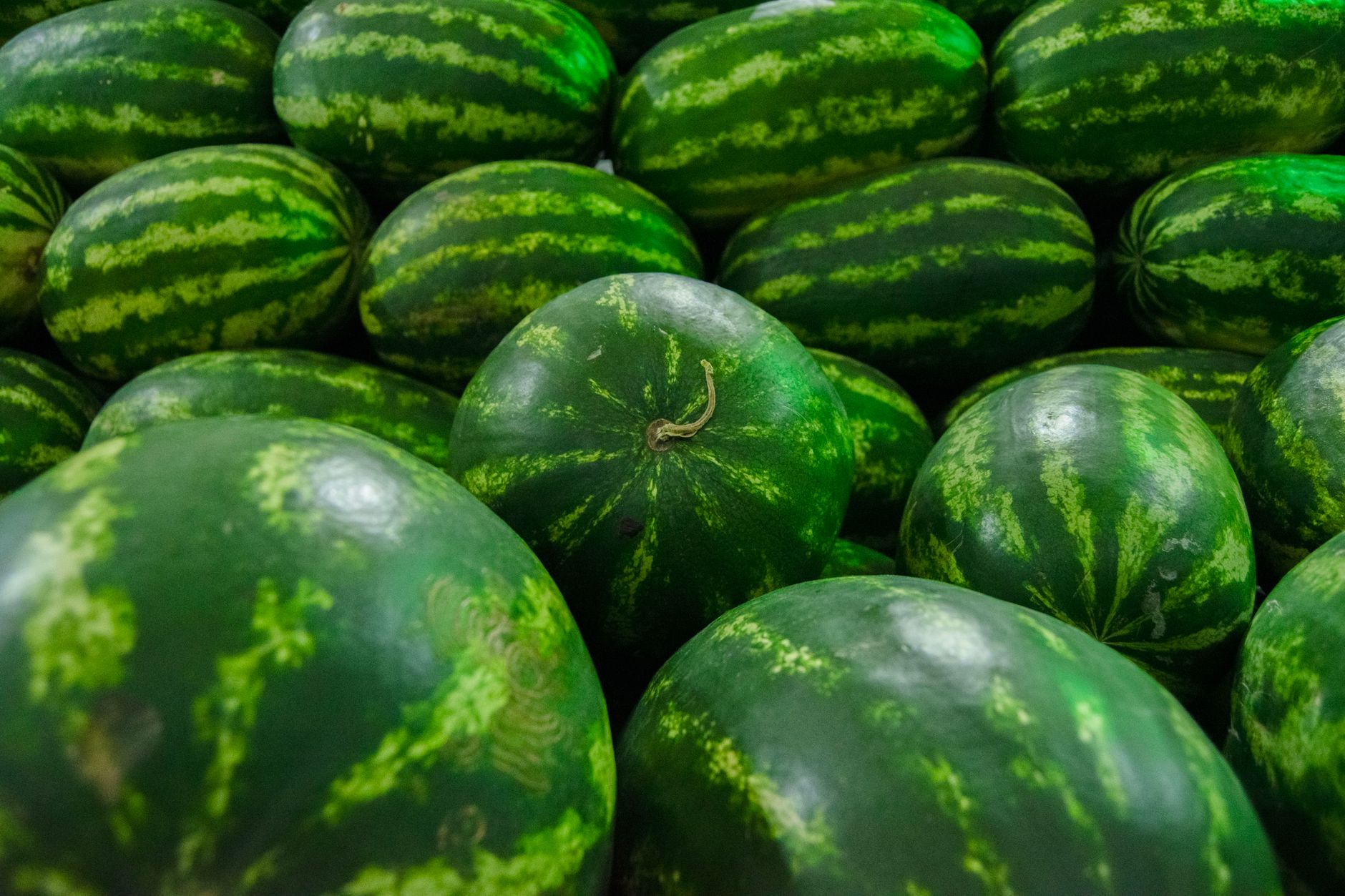
For an authentic dining experience, head to the historic district where family-run restaurants serve traditional dishes. Pair your meal with local specialties like 'kaburga dolması' (stuffed lamb ribs) or 'içli köfte' (stuffed bulgur balls). And if you're visiting in summer, you're in for a treat: the watermelon season. Diyarbakır watermelons are renowned for their sweetness and juiciness, a perfect refreshing end to a savory meal.
Plan Your Visit: Best Time and Duration
The best time to visit Diyarbakır is during the spring (April to June) or autumn (September to November), when the weather is mild and the gardens are at their most vibrant. Summers can be hot, but the watermelon season brings a festive atmosphere. The city is accessible by air and road, with daily flights from Istanbul and other major Turkish cities. To fully appreciate the Hevsel Gardens and Basalt Walls, as well as the city's other attractions, we recommend spending at least two to three days.
Whether you're a history buff, a nature lover, or a food enthusiast, Diyarbakır offers a memorable experience. Come and discover the living oasis on the Tigris, where ancient walls guard a fertile paradise, and the warmth of southeastern Türkiye's multicultural heritage welcomes you.
Top Highlights
Popular Activities
Thinking about a trip to Turkey?
Share your contact details and a vetted local expert will follow up with a plan built around you — free, no obligation.
