
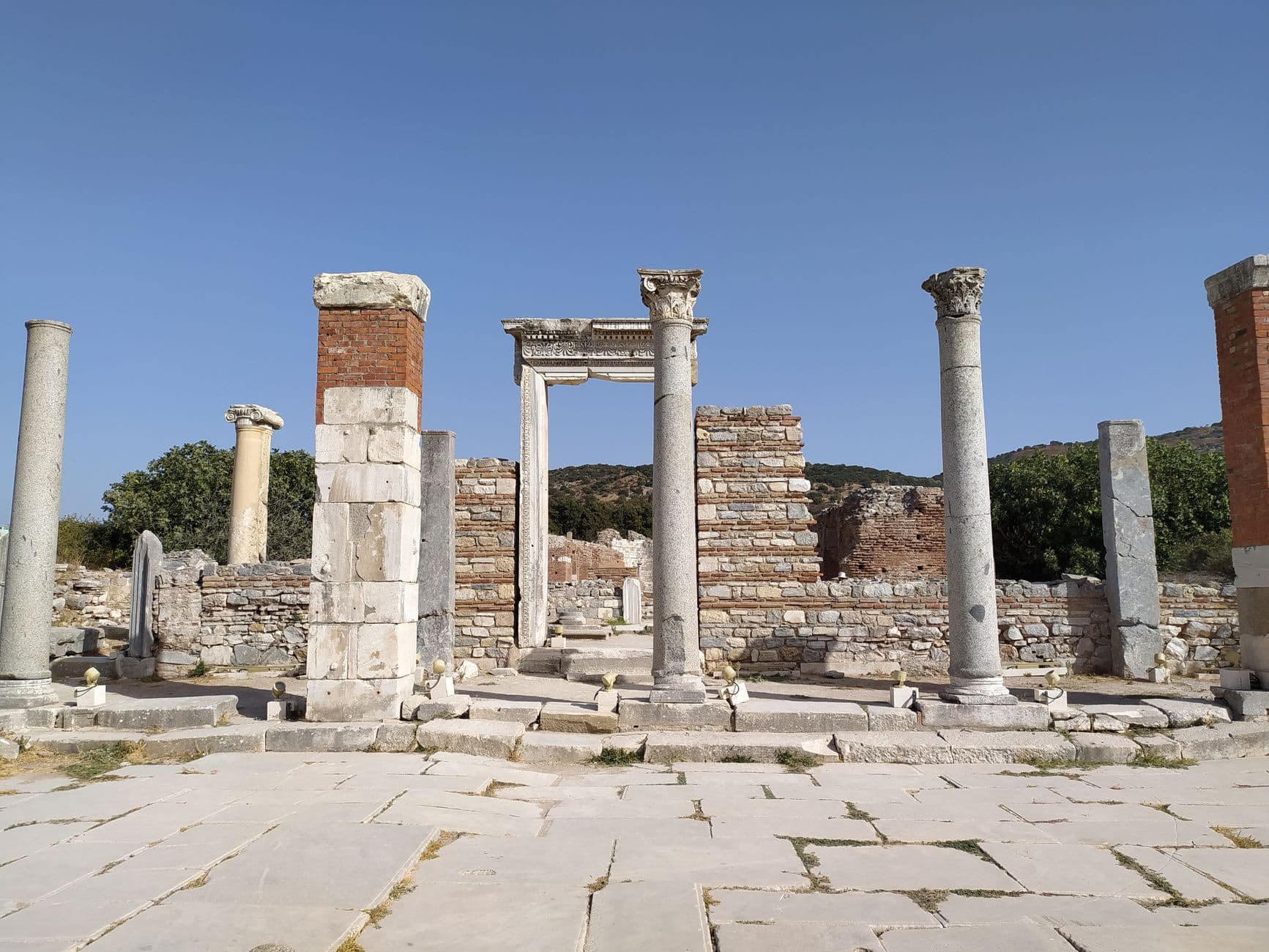
Ephesus Hill Houses and Terraces
Introduction to the Terrace Houses
Perched on the slopes of Bulbul Mountain, overlooking the grand streets of Ephesus, lie the Terrace Houses—a remarkable complex of Roman domestic architecture that offers an intimate glimpse into the lives of the city's elite. Known in Turkish as 'Yamaç Evler,' these houses were home to wealthy Ephesians during the Roman period, from the 1st century BC to the 7th century AD. Today, they stand as one of the most impressive archaeological sites in Türkiye, showcasing world-class conservation and restoration.
As you wander through the covered walkways and glass-floored galleries, you'll be transported back in time. The Terrace Houses are not just ruins; they are a testament to the sophistication of Roman urban living, with underfloor heating, private baths, and beautifully decorated reception rooms. This is where history comes alive, and you can almost hear the echoes of ancient conversations.
For those who cherish slow travel and deep exploration, the Terrace Houses are a highlight of any visit to Ephesus. They invite you to pause, observe, and imagine the daily rhythms of a bygone era. Join us as we take a closer look at this extraordinary slice of Roman domestic life.
Architectural Marvels: Mosaics, Frescoes, and More
The Terrace Houses are renowned for their exquisite mosaics and frescoes, which have been meticulously preserved and partially restored. The floors are adorned with geometric and figurative mosaics, while the walls are decorated with colorful frescoes depicting mythological scenes, daily life, and intricate patterns. These artworks provide valuable insights into the aesthetic preferences and cultural influences of the Roman period.
Beyond the decorative arts, the architecture itself is a marvel. The houses were built on terraces, with each level serving a specific function. The upper floors often contained bedrooms and private quarters, while the lower levels housed reception rooms, kitchens, and baths. Advanced features such as clay pipes for running water, a sophisticated drainage system, and hypocaust heating (underfloor heating) demonstrate the Romans' engineering prowess.
The restoration work, carried out by Austrian and Turkish archaeologists, has been praised for its sensitivity and attention to detail. Glass walkways and protective roofs allow visitors to view the houses up close without damaging the delicate structures. This blend of ancient artistry and modern conservation is a testament to Türkiye's commitment to preserving its rich heritage.
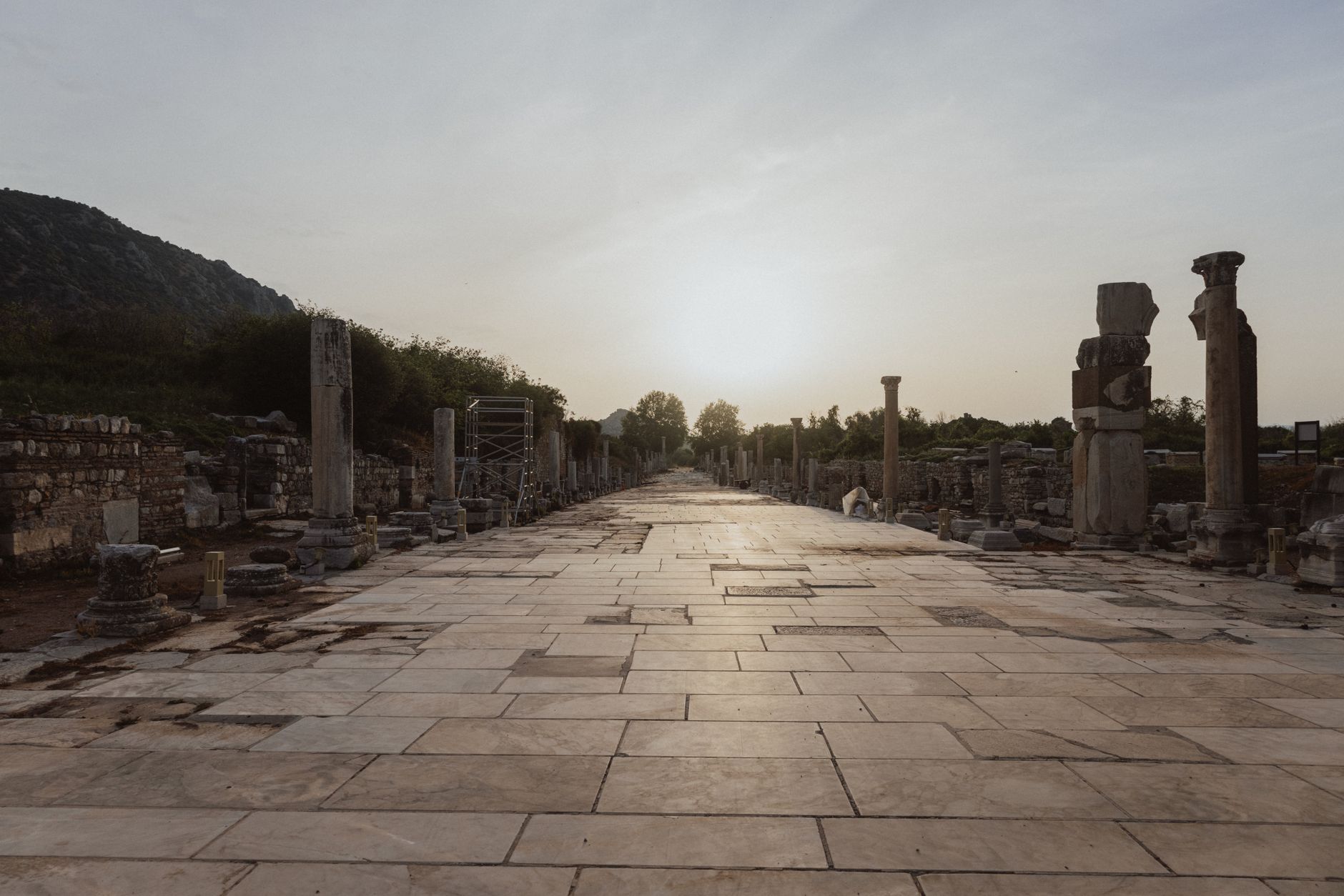
Daily Life in Roman Ephesus
What can the Terrace Houses tell us about daily life in Roman Ephesus? For starters, they reveal a society that valued comfort and luxury. The houses were equipped with private baths, flushing toilets, and even a form of air conditioning through clever ventilation. Families would gather in the peristyle courtyards, which served as open-air living rooms, surrounded by colonnades and gardens.
The layout of the houses also reflects social hierarchies and gender roles. The andron (men's dining room) was a space for entertaining male guests, while women and children often occupied separate quarters. The decoration of each room varied according to its function, with the most elaborate frescoes reserved for public areas.
Artifacts found in the houses—such as pottery, coins, and personal items—paint a picture of a cosmopolitan city. Ephesus was a major port and trading hub, and its residents enjoyed goods from across the empire. The Terrace Houses remind us that history is not just about emperors and battles; it's also about the everyday lives of ordinary people.
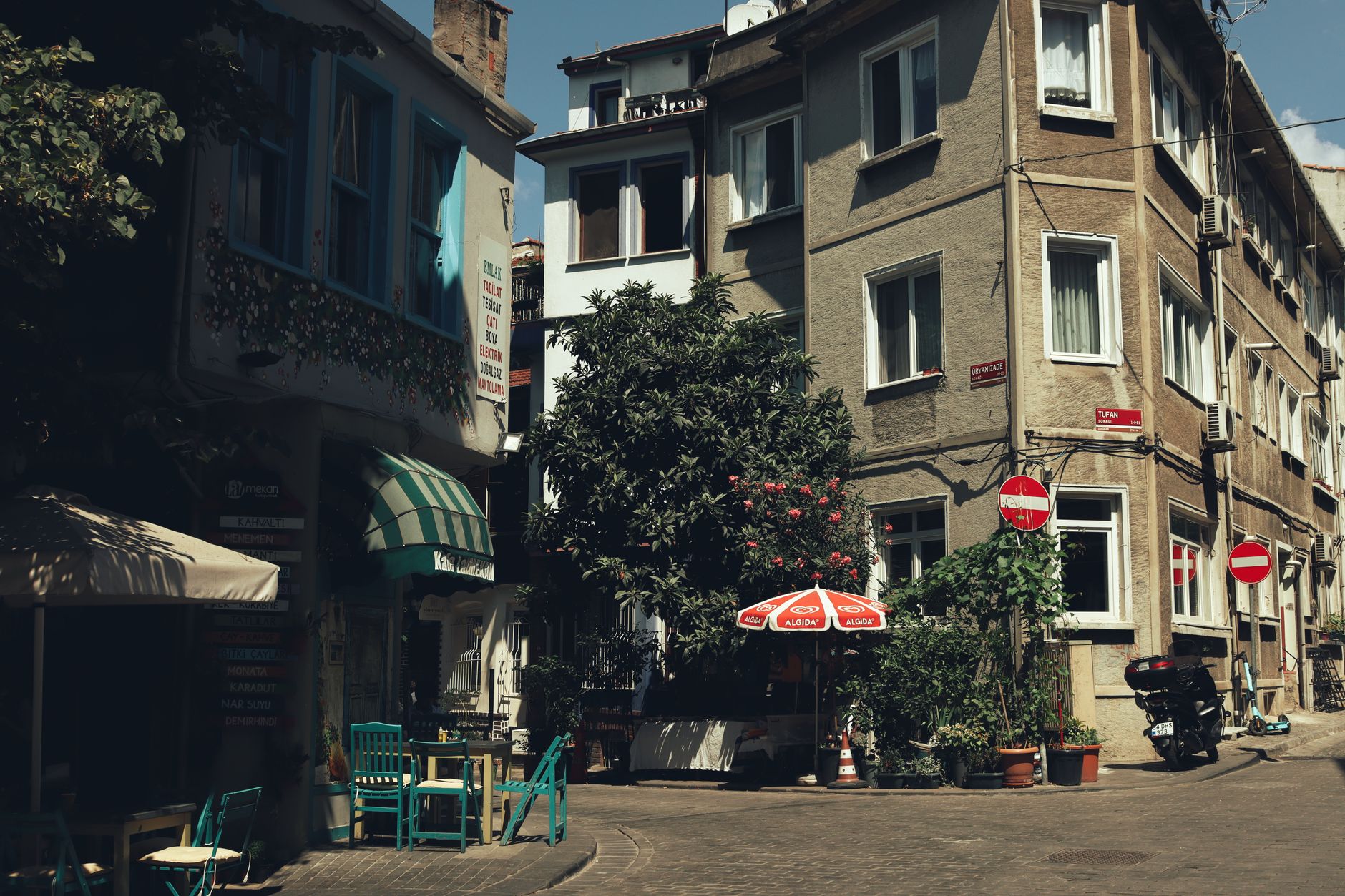
Practical Tips for Visiting
To make the most of your visit to the Terrace Houses, consider these practical tips. First, purchase your tickets in advance. The Terrace Houses require a separate ticket (an additional fee on top of the main Ephesus entry), and entry is timed to control crowds. It's best to book online through the official website or a trusted tour operator to secure your slot.
Second, choose your visiting hours wisely. The site opens at 8:00 AM, and the early morning is the quietest time, allowing you to explore in peace. Avoid midday crowds, especially during peak season (June–August). The Terrace Houses are covered, offering shade, but it can still get hot, so bring water and wear comfortable shoes.
Third, consider hiring a guide or using an audio guide to fully appreciate the details. The signage is informative, but a guide can bring the stories to life. Allow at least an hour for the Terrace Houses alone, as there is much to see.
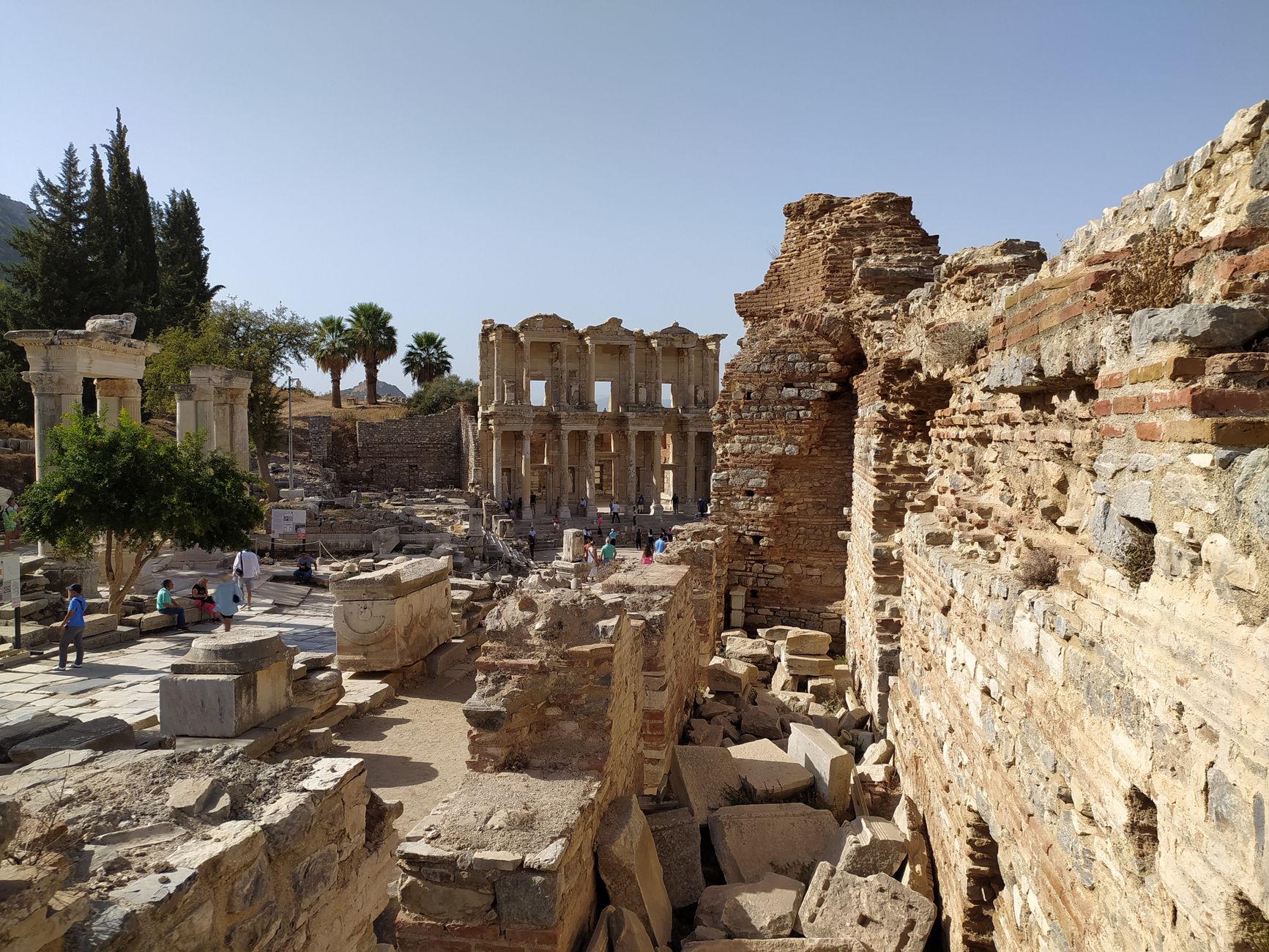
Nearby Selçuk: Cafés and Refreshments
After your visit, head to the nearby town of Selçuk for a well-deserved break. Just a short drive or walk from the Ephesus site, Selçuk offers a charming selection of cafés and restaurants. For a traditional Turkish coffee or tea, try the cafés around the Selçuk Clock Tower or along the main street. Many places serve local specialties like gözleme (stuffed flatbread) and fresh pastries.
If you're looking for a more substantial meal, there are restaurants serving Aegean cuisine, with fresh seafood and olive oil dishes. The Selçuk market area is also great for sampling local produce and cheeses. Take your time to relax and soak in the laid-back atmosphere of this historic town.
For those interested in further exploration, the Selçuk Museum (Efes Müzesi) houses artifacts from Ephesus, including finds from the Terrace Houses. It's a perfect complement to your visit and deepens your understanding of the site.
Conservation and Archaeology: A Success Story
The Terrace Houses are a shining example of successful archaeological conservation. The restoration project, ongoing for decades, has involved careful excavation, stabilization, and reconstruction. The use of reversible materials and minimal intervention ensures that future generations can continue to study and enjoy the site.
Funding from various sources, including the Turkish government and international partners, has been crucial. The site is a testament to the dedication of archaeologists, conservators, and local authorities who work tirelessly to protect Türkiye's cultural heritage.
As a visitor, you play a role in this story. By respecting the rules—staying on designated paths, not touching the mosaics, and following guide instructions—you help preserve these treasures. Your visit supports the local economy and encourages continued investment in conservation.
Top Highlights
Popular Activities
Thinking about a trip to Turkey?
Share your contact details and a vetted local expert will follow up with a plan built around you — free, no obligation.
