

Erdek and the Kapıdağ Peninsula
A Peninsula Shaped by Olives and the Sea
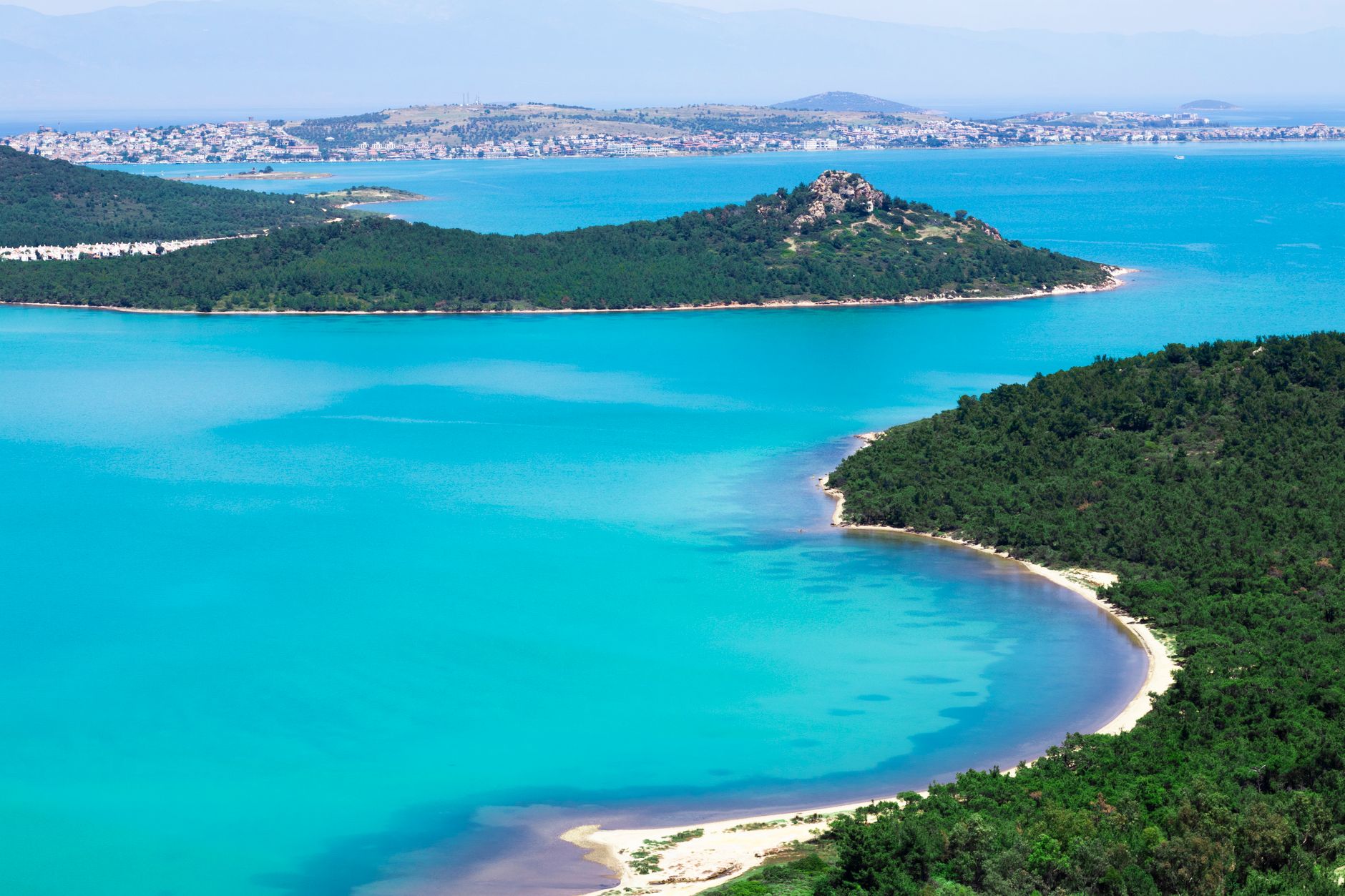
The Kapıdağ Peninsula is a stubby green fist of land reaching north into the Sea of Marmara, joined to the mainland near Erdek in Balıkesir province. A single ridge of olive-covered hills runs down its spine, and the coastline is a scalloped string of sandy bays, rocky points and tiny harbours. It feels far from the bustle of Istanbul even though it is only a ferry and a short drive away.
For centuries the peninsula's economy has been built on two things: olive oil and fish. Stone presses still stand in village squares, and the morning catch is often sold straight off the boat. This is not a resort coast with high-rise hotels; it is a working rural shoreline where the pace is set by the harvest and the tides.
The best way to experience it is slowly. Drive or cycle the coastal loop, stop wherever a bay looks inviting, and let the day unfold over tea, meze and a swim.
Erdek: The Gateway Town
Erdek is the peninsula's largest town and its natural arrival point, with a long seafront promenade, a handful of simple hotels and a busy little fishing harbour. It is a good place to stock up on supplies, rent a car or simply sit with a glass of tea and watch the boats come in.
The town has a laid-back, family-friendly feel. In summer, local families fill the waterfront cafes in the evening, and the market sells olives, cheese and honey from the surrounding villages. It is not a place of must-see monuments, but a comfortable base from which to explore.
From Erdek, the coastal road heads north and west around the peninsula, passing one pretty cove after another. Distances are short, so you can cover a lot of ground in a day without ever feeling rushed.
The Coastal Road and Its Sandy Bays
The loop around Kapıdağ is the heart of any visit. The road hugs the shore for much of its length, dipping into bays such as Turanköy, Narlı and Ballıpınar, each with a strip of sand or pebbles, clear water and a couple of simple cafes. Many beaches are backed by olive groves and have no development at all.
Swimming is easy and safe in most coves, and the water is notably clean. Bring water shoes for the pebbly stretches, and a snorkel if you like exploring rocky edges. Sunsets over the Marmara, with the island of Avşa faint on the horizon, are a quiet daily ritual.
Cyclists will find the rolling terrain rewarding, though the hills can be steep in places. Drivers should watch for tractors, sheep and the occasional stray dog on the road.
Fishing Villages and Fresh Seafood
The peninsula's villages are small and unassuming, with whitewashed houses, minarets and boats pulled up on the shingle. Places like Ocaklar, Yukarı Yapıcı and the hamlets around the northern tip keep a strong fishing identity. In the late afternoon, nets are mended on the quay and the smell of grilled fish drifts from kitchen windows.
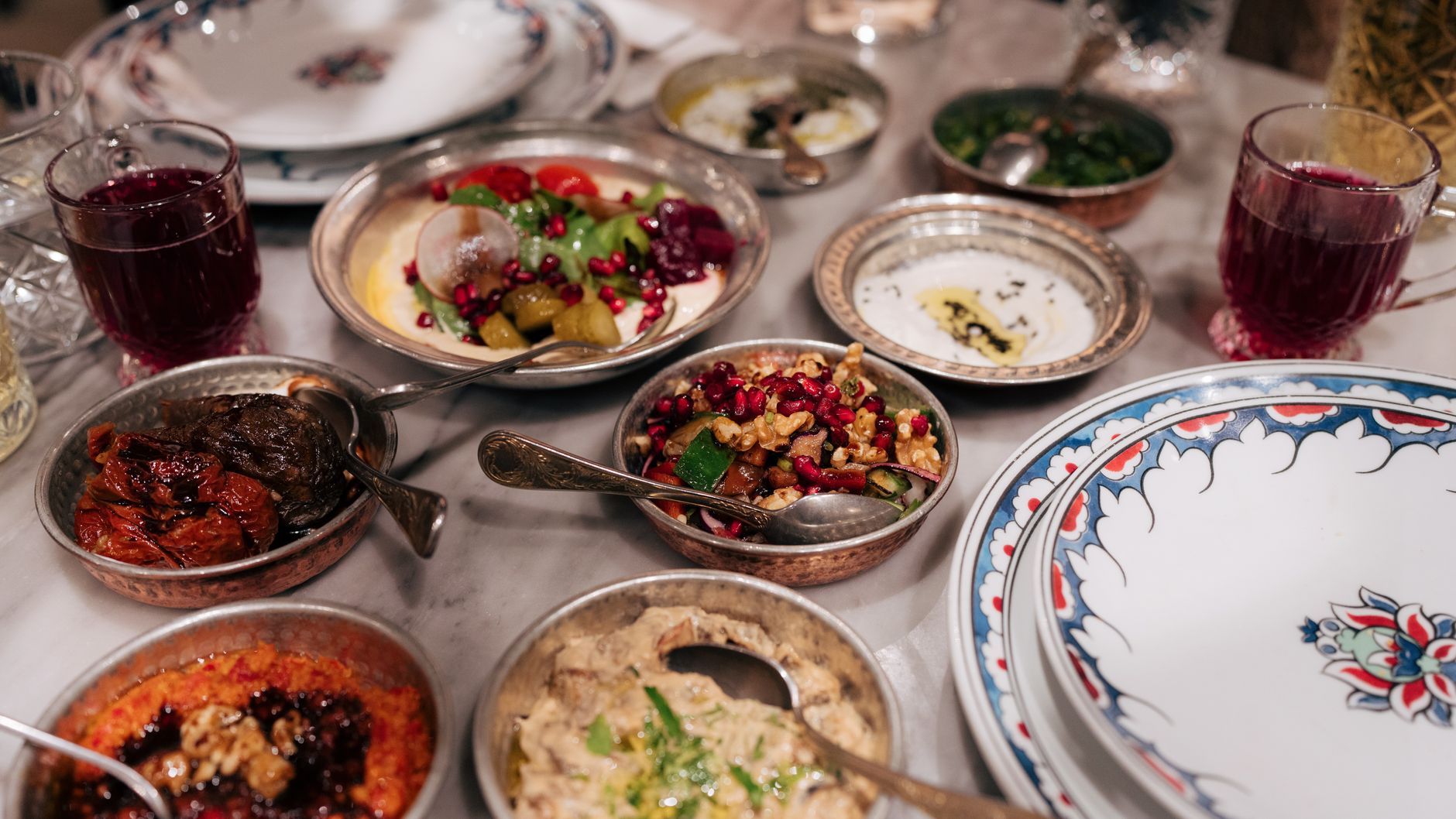
Seafood here is superb and unpretentious. Look for levrek (sea bass), çipura (sea bream), grilled octopus, fried hamsi in season and mounds of karides (shrimp). Family-run fish restaurants often have no menu at all; you simply choose from what came in that morning.
Pair your meal with a simple salad, local olive oil and a glass of rakı, and you have the essence of the Kapıdağ coast. Prices are gentle compared with the better-known Aegean resorts.
Family-Run Guesthouses and Warm Hospitality
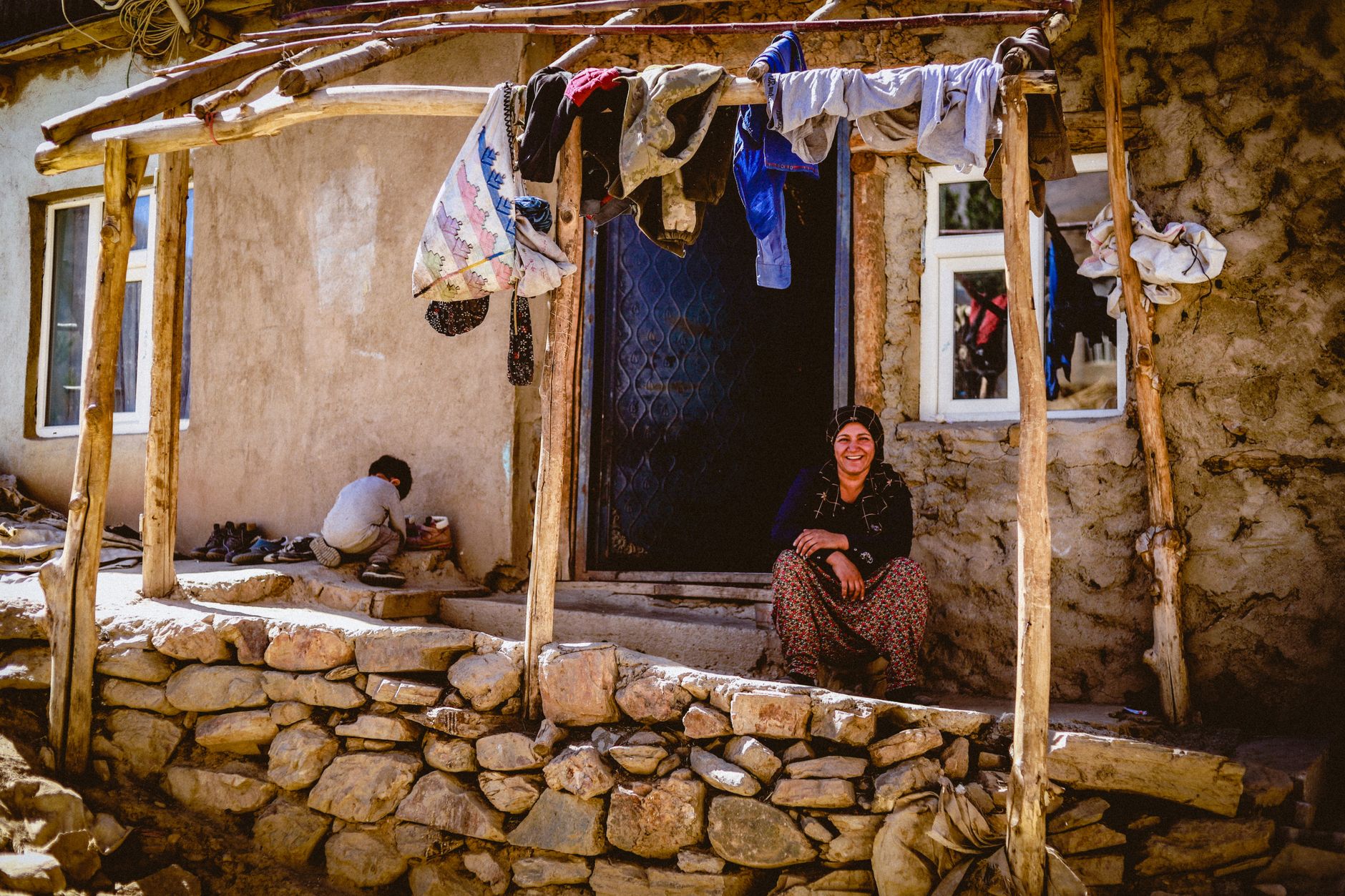
Accommodation on the peninsula is mostly small and personal. Erdek has a few modest hotels, while the villages offer family-run guesthouses, pension-style rooms and a growing number of restored stone houses. Many are run by families who have lived on the peninsula for generations and are happy to share advice about the best beaches and where to eat.
Expect clean, simple rooms, home-cooked breakfasts with village cheese, olives, eggs and jams, and a genuinely welcoming atmosphere. Book ahead in July and August, when Turkish holidaymakers from Istanbul and Bursa fill the coast, and again during the olive harvest.
For a quieter stay, choose a village base such as Narlı or Ocaklar rather than Erdek itself, and use the coastal road to explore.
When to Go: Spring, Autumn and the Olive Harvest
Summer (June to early September) is beach weather, with warm sea and long evenings, but it is also the busiest time. Late spring (May to June) and early autumn (September to October) are arguably the sweet spots: warm days, fewer visitors and a softer light over the olive groves.
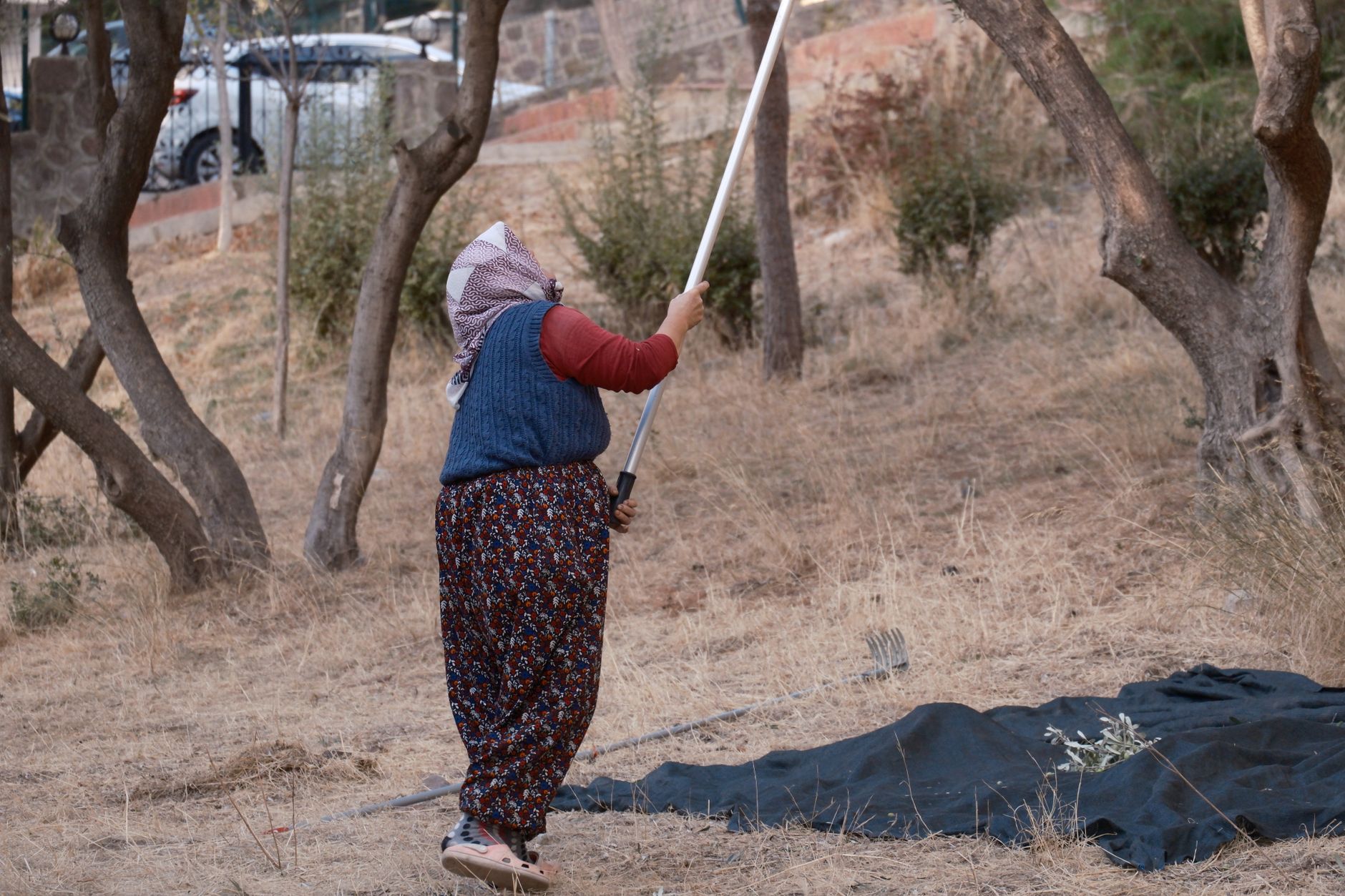
The olive harvest usually runs from late October into December, depending on the year. This is a wonderful time to visit if you want to see the peninsula at work: families combing trees with small rakes, nets spread on the ground, and the first peppery oil of the season pressed at village mills. Some guesthouses and cooperatives welcome visitors to join a day of picking or a tasting.
Winters are quiet and often rainy, with many coastal businesses closed, though the landscape turns green and the villages return to their everyday rhythm.
Getting There: Ferry from Istanbul for a Weekend Escape
The Kapıdağ Peninsula is well suited to a weekend break from Istanbul. The most scenic route is to take a ferry across the Sea of Marmara — for example from Yenikapı or Pendik to Bandırma — and then drive or take a minibus south to Erdek, about half an hour away. Fast ferries make the crossing in roughly two hours, turning the peninsula into a realistic Friday-to-Sunday escape.
Alternatively, drive the whole way via Bursa and Bandırma, which takes longer but gives you flexibility to stop along the way. Once on the peninsula, a car is the most practical way to reach the quieter bays and villages; local dolmuş services connect Erdek with some coastal settlements but are limited.
Check ferry schedules in advance, especially outside summer, and book vehicle spaces early for weekend crossings. With a little planning, you can leave the city in the morning and be swimming in a quiet Kapıdağ bay by afternoon.
Top Highlights
Popular Activities
Thinking about a trip to Turkey?
Share your contact details and a vetted local expert will follow up with a plan built around you — free, no obligation.
