
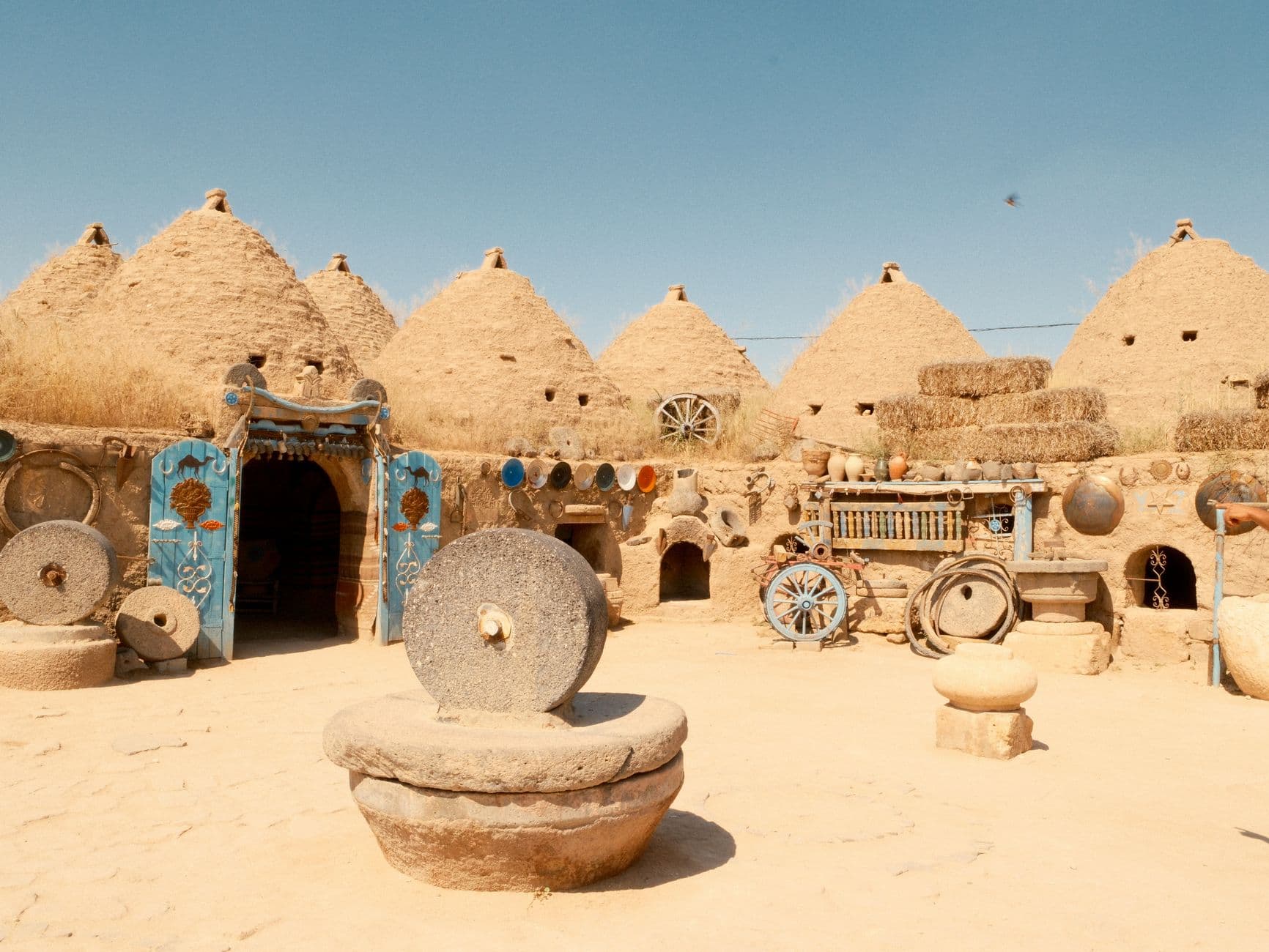
Harran
Harran: A Living Heritage Village
Harran is not a museum piece—it's a living, breathing village where families still inhabit the iconic beehive-shaped houses that have defined this landscape for centuries. Located on the vast Mesopotamian plain, about 50 kilometers south of Şanlıurfa, Harran offers a glimpse into a way of life that has persisted through millennia. The village is mentioned in the Bible and was once a major center of learning, but today it's the unique architecture and warm hospitality that draw travelers.
As you approach, the conical mud-brick houses rise from the flat plain like ancient beehives, their domed roofs designed to keep interiors cool in the scorching summer heat. Many of these houses are still used by local families, and several have been thoughtfully opened to visitors. A respectful visit allows you to step inside these remarkable structures, learn about their construction, and experience the traditional lifestyle firsthand.
The Iconic Beehive Houses
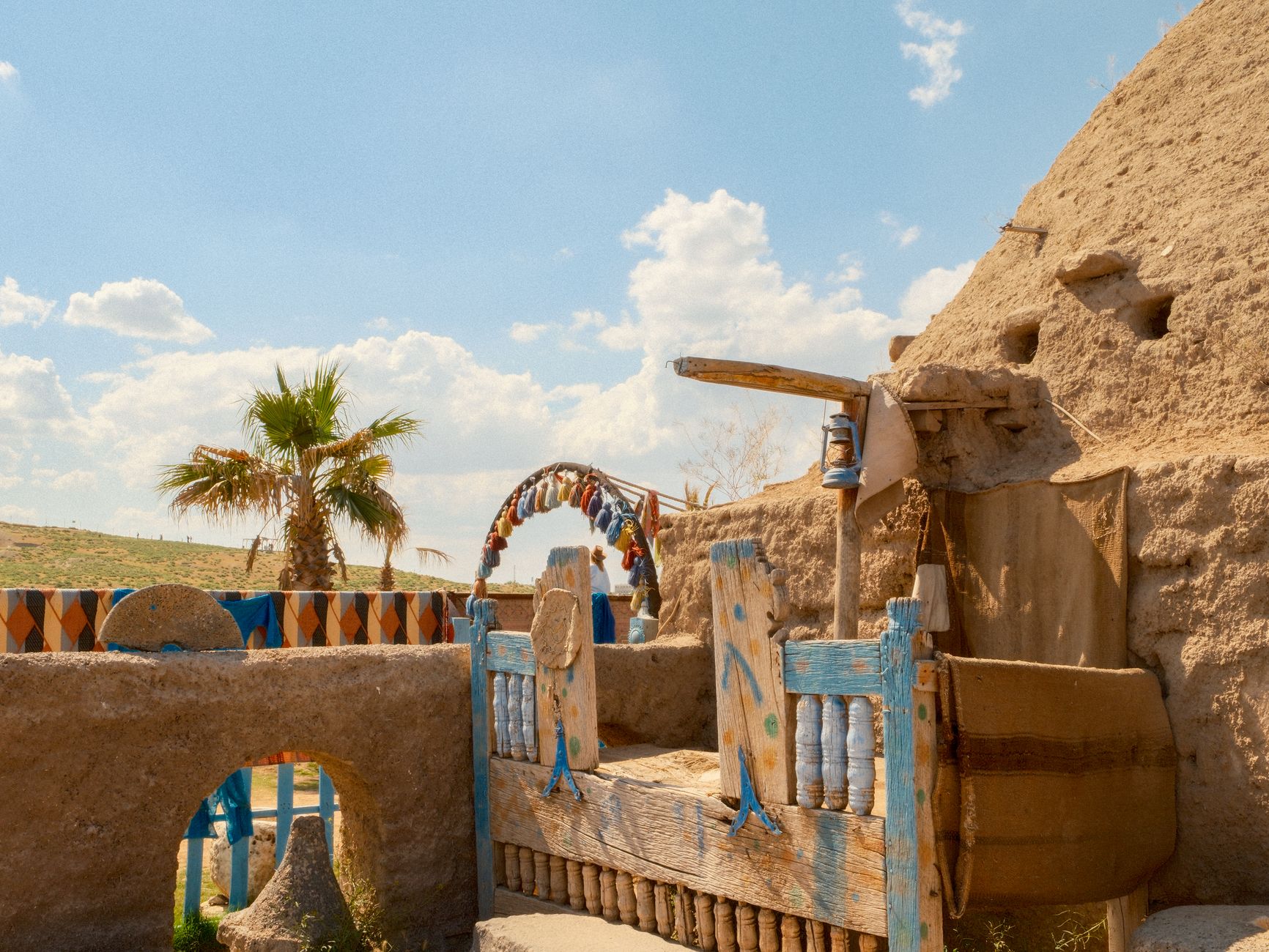
The beehive houses of Harran are an architectural marvel, built entirely from mud bricks and straw, with no wood in their construction. The domed roofs, often topped with a small opening for ventilation, create a natural cooling system that has been perfected over generations. Each house is a testament to the ingenuity of the region's inhabitants, who adapted to the harsh climate with sustainable, locally sourced materials.
Several families offer guided tours of their homes, where you can see the interior layout, traditional furnishings, and even climb to the roof for panoramic views of the village and the surrounding plain. These visits are a highlight for many travelers, but it's essential to remember that these are private residences. Always ask for permission before entering or taking photographs, and consider leaving a small donation or purchasing local handicrafts as a token of appreciation.
Spring on the Harran Plain
Spring transforms the Harran Plain into a carpet of wildflowers, with poppies, daisies, and other blooms adding splashes of color to the otherwise arid landscape. The mild temperatures make it the perfect time to explore the area on foot or by bicycle. The plain is also dotted with cotton fields, which are planted in spring and become lush green before turning white with cotton in autumn. A drive through the countryside reveals a patchwork of agricultural life that has sustained communities here for thousands of years.
Spring is also when the region's birdlife is most active, and you might spot various species soaring over the plain. The clear skies and comfortable weather make it ideal for photography, especially during the golden hour when the light softens and the beehive houses cast long shadows.
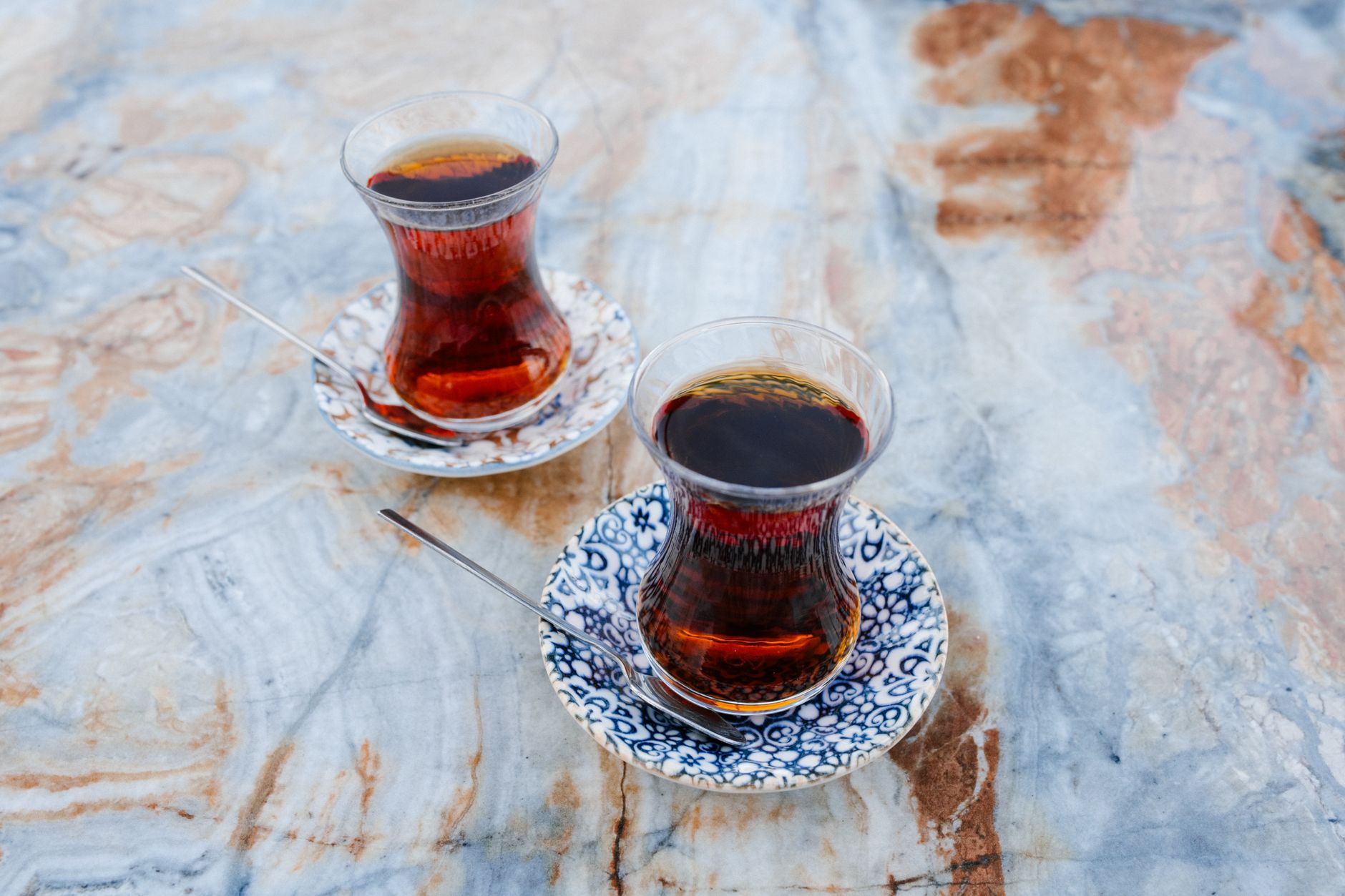
Tea and Hospitality in Courtyard Homes
No visit to Harran is complete without experiencing the legendary hospitality of its people. Many families welcome guests into their courtyards for a glass of tea, often served with local herbs or spices. This simple gesture is a window into the daily life of the village, where traditions of hospitality are deeply rooted.
Accepting an invitation for tea is a wonderful way to connect with locals, learn about their customs, and gain a deeper understanding of Harran's culture. Be mindful of local customs: dress modestly, ask before taking photos of people, and engage in conversation with respect and curiosity. A local guide can help bridge language barriers and ensure that your interactions are meaningful and appropriate.
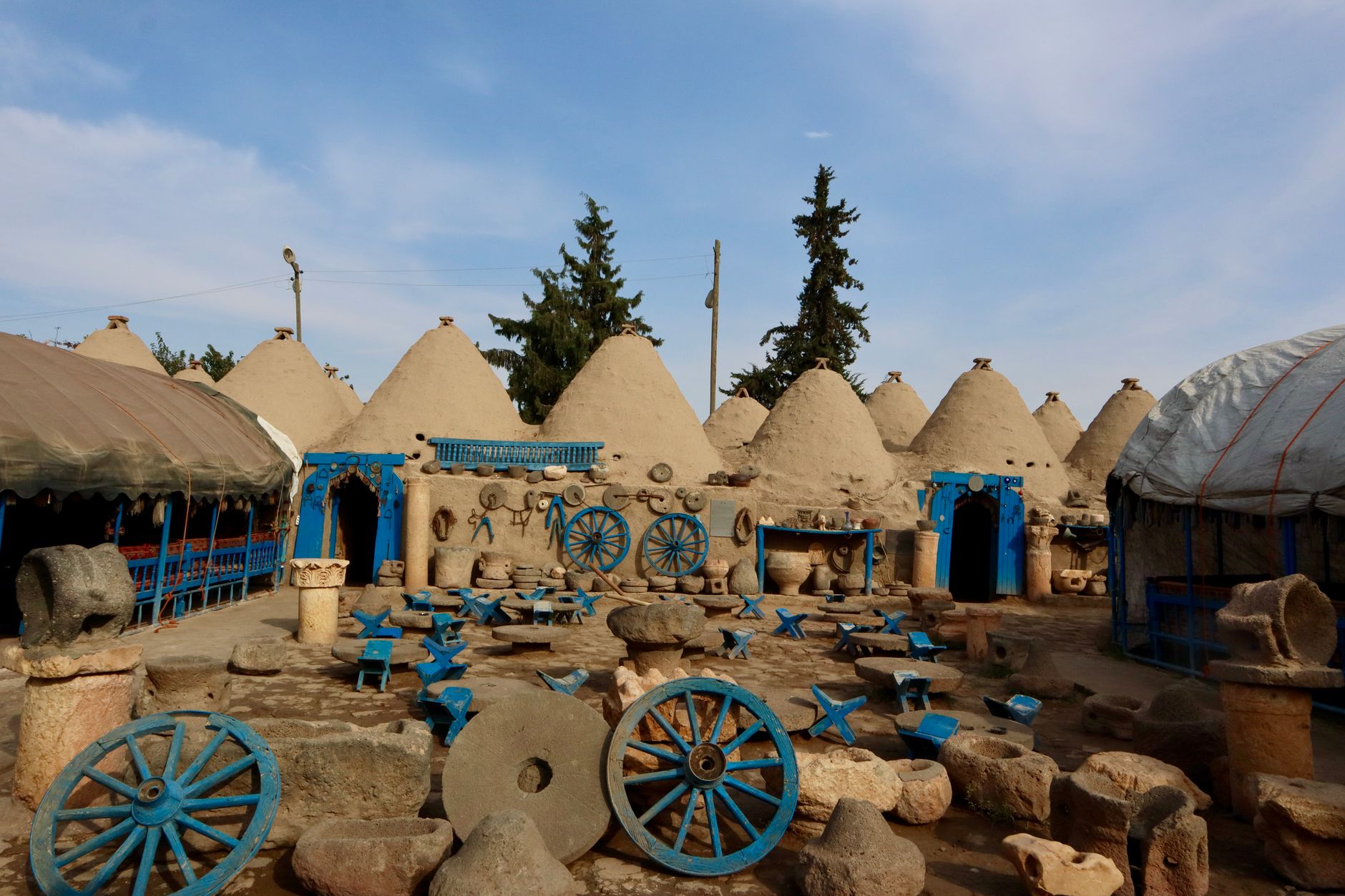
Sunset Over Mesopotamia
As the day winds down, find a vantage point on the edge of the village or atop one of the beehive houses to watch the sunset over the Mesopotamian plain. The sky erupts in hues of orange, pink, and purple, casting a magical glow over the ancient landscape. It's a moment of tranquility that connects you to the countless generations who have witnessed the same spectacle.
For photographers, this is the prime time to capture the ethereal beauty of Harran. The silhouettes of the domed houses against the fading light create a timeless image that embodies the spirit of Mesopotamia.
Combining Harran with Göbekli Tepe and Beyond
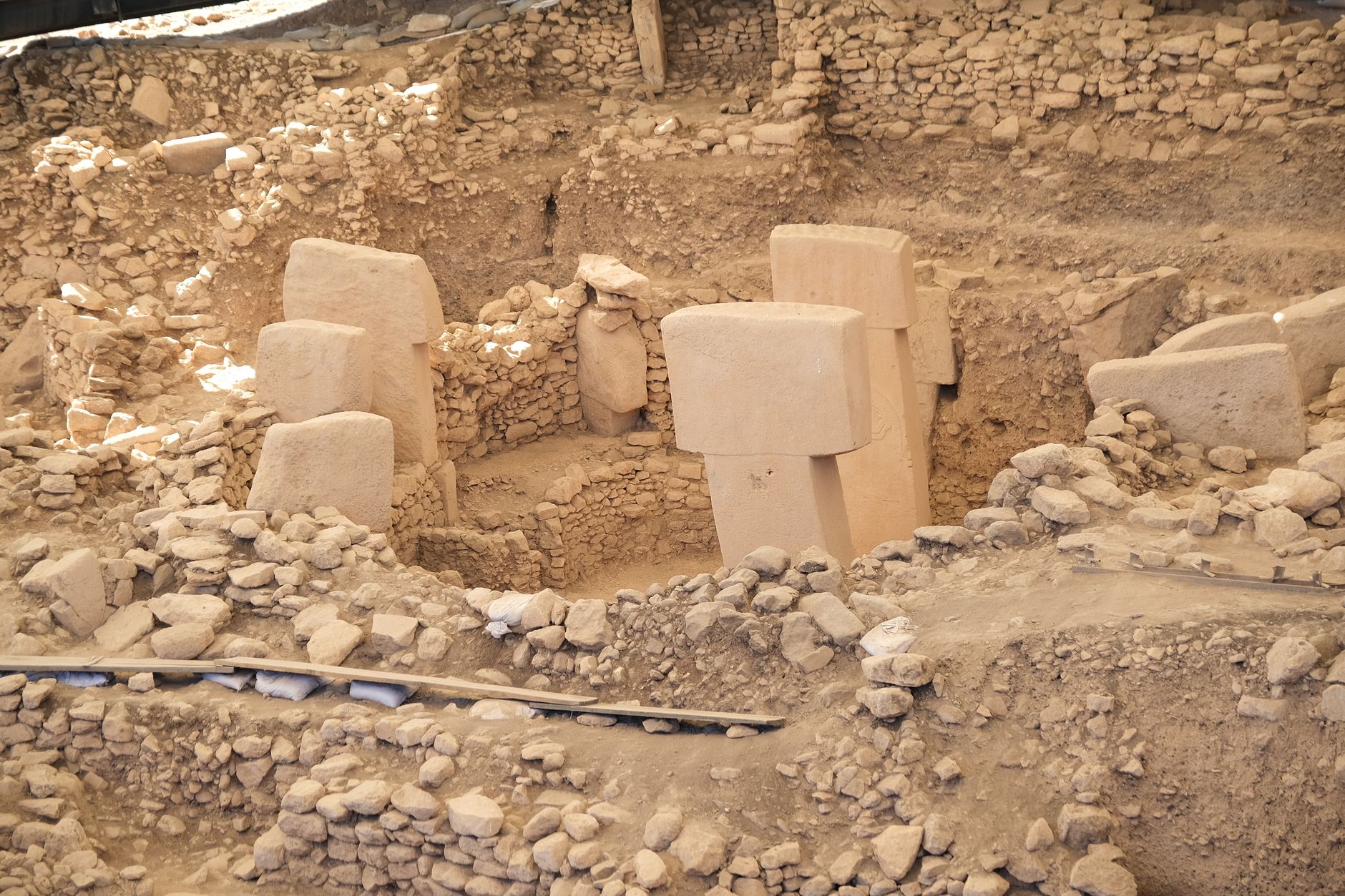
Harran is easily combined with other remarkable sites in the Şanlıurfa region. The world's oldest known temple, Göbekli Tepe, is about an hour's drive away and offers a profound contrast to Harran's traditional village life. Other nearby attractions include the ancient city of Şuayb, the ruins of Soğmatar, and the atmospheric old town of Şanlıurfa itself.
A well-planned itinerary might start early in Şanlıurfa, visit Göbekli Tepe in the morning, then head to Harran for lunch, exploration, and sunset. Alternatively, spend a full day in Harran to soak in the atmosphere and interact with locals. Many travelers find that a local guide enhances the experience, providing historical context, facilitating respectful interactions with families, and revealing hidden corners that independent travelers might miss.
Respectful Visits to Family Homes
The beehive houses are not just tourist attractions—they are homes where real people live and work. When visiting, always remember that you are a guest. Ask for permission before entering any house, and never wander into private areas uninvited. If you're offered tea or a meal, accept graciously; it's a sign of welcome.
Consider supporting the community by purchasing local products or hiring a local guide. This ensures that tourism benefits the residents directly and helps preserve their heritage. By being a respectful visitor, you contribute to the sustainability of Harran's unique way of life.
Practical Information for Your Visit
Harran is accessible year-round, but spring (April to May) and autumn (September to October) are the most pleasant times to visit, with mild temperatures and vibrant scenery. Summer can be extremely hot, so plan your visit for early morning or late afternoon if you travel then. There are basic facilities in the village, but for a wider range of accommodation and dining options, Şanlıurfa is your best bet.
To make the most of your trip, consider hiring a local guide who can arrange visits to family homes, provide historical insights, and help you navigate the area. For more travel tips and itinerary ideas, explore our guides and itineraries. And don't forget to check our best time to visit page for seasonal advice.
Top Highlights
Popular Activities
Thinking about a trip to Turkey?
Share your contact details and a vetted local expert will follow up with a plan built around you — free, no obligation.
