

Höyük Villages and Neolithic Trails of Konya and Karaman
Why the Höyüks of Konya and Karaman Matter
This is the Konya Plain, one of the flattest and most fertile basins in Anatolia, and it holds some of the oldest evidence of settled village life anywhere on earth. Çatalhöyük, a double mound just southeast of Konya, was home to thousands of people around 7,400–6,000 BCE, long before the pyramids, long before Troy, long before writing. Its houses were packed shoulder to shoulder with no streets between them, entered through the roof, painted with bulls and leopards, and used to bury the dead beneath the floors.
Around it and further south toward Karaman, a constellation of other höyüks — the Turkish word for a settlement mound — marks a landscape that has been continuously lived in for millennia. Some, like the mound at Boncuklu Höyük, push the story back even earlier, to the first generations of villagers experimenting with sedentism. Others are barely excavated bumps in the wheat, mysterious and romantic in equal measure.
What makes this region special is not only the archaeology but the way it is presented: reconstructions you can step inside, museums that turn tiny finds into vivid everyday lives, and landscapes that have not changed dramatically in thousands of years. For history lovers it is a pilgrimage disguised as a gentle countryside drive.
Çatalhöyük: The Star of the Trail
The main mound and the smaller western mound together form the UNESCO-listed site of Çatalhöyük. The visitor route is easy and rewarding: a walkway leads past excavated house clusters, and two reconstructed Neolithic houses let you step into a world of plastered walls, mud-brick benches, ovens, and roof entries. It is one of the few places where you can genuinely picture daily life in the Neolithic — grinding grain, sleeping on platforms, climbing ladders to the roof.
Allow at least two hours on site, more if you like to read every panel. The small site museum and the experimental reconstruction area are worth lingering over, and the setting — flat fields, distant villages, huge skies — is part of the experience. Mornings are coolest and quietest.
Pair the visit with the regional museums: the Konya Archaeological Museum and the Museum of Anatolian Civilizations collections elsewhere hold material from the region, while local museums in Karaman display finds from surrounding excavations. For context before you go, our guides section has background reading suggestions.
Beyond Çatalhöyük: The Sister Mounds
History lovers should not stop at the famous mound. Boncuklu Höyük, a short drive away, is one of the earliest known village sites in the world and gives a fascinating counterpoint to Çatalhöyük's urban density. Nearby, smaller höyüks such as Pınarbaşı and others in the plain tell the story of the transition from hunting to farming.
Further south, toward Karaman and the foothills of the Taurus Mountains, sites like Canhasan and the mounds around the Karadağ area add layers of Chalcolithic and Bronze Age history. Many are unexcavated or only partially explored, which is part of their appeal: you stand on a rise of earth and sherds and imagine what lies beneath.
A good driver-guide will know which mounds are accessible, which are fenced, and which are simply best viewed from the road. Check our experts page for local guides who specialise in archaeology-focused itineraries.
Easy Day Trips from Konya and Karaman
The region is made for day trips. From Konya, Çatalhöyük and Boncuklu Höyük are within an hour's drive, making a perfect half-day excursion combined with a long Anatolian breakfast in a village along the way. From Karaman, the surrounding mounds and the Karadağ landscapes are similarly close, and the roads are good, paved and quiet.
- Konya loop: Konya – Çatalhöyük – Boncuklu Höyük – village breakfast – back to the city by mid-afternoon.
- Karaman loop: Karaman – Canhasan and nearby höyüks – rural lunch – afternoon in the Karaman museum.
- Two-day combination: overnight in Konya, then drive south to Karaman via secondary roads, stopping at mounds and village cafés.
If you want a ready-made plan, our itineraries include a version of this route with timings and stops.
Village Breakfasts and Rural Landscapes
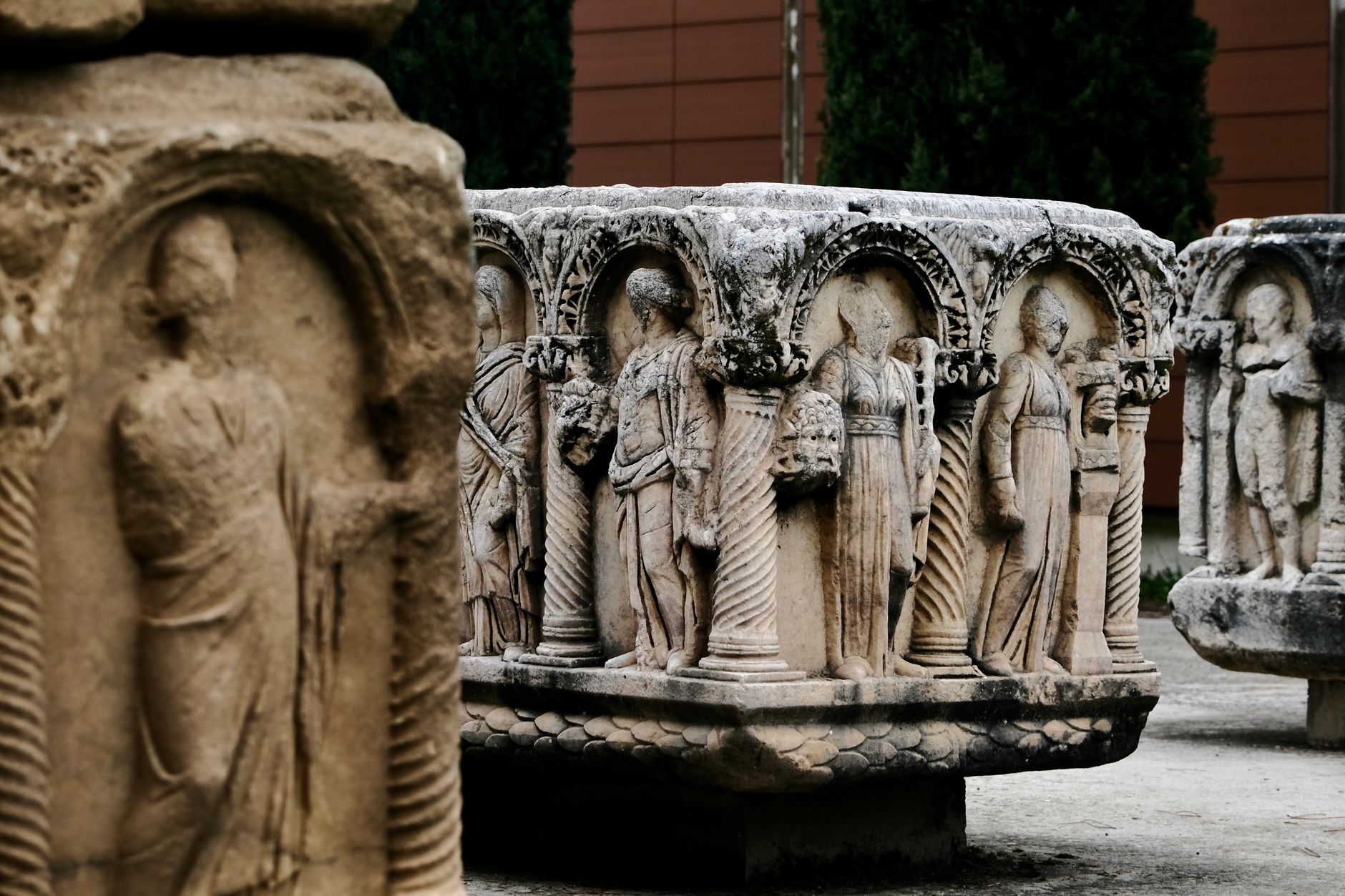
This is not a museum-only trip. The countryside between Konya and Karaman is farmland at its most generous: wheat, sugar beet, sunflowers, and villages where breakfast is a serious ritual. Expect fresh bread, village cheese, olives, jams, eggs cooked in butter, and endless tea, served in a garden or a simple dining room.
Driving between sites, you pass flocks of sheep, old stone mosques, and the enormous, luminous skies of the Anatolian plateau. The landscape itself is a kind of exhibit: the same flat plain that fed Neolithic villagers still feeds the region today. Take time to stop, not just to tick off mounds.
For guidance on seasonal conditions and the best months for rural travel, see our best time page.
Practical Planning: Roads, Guides and Comfort
The good news is that this route is surprisingly simple. Roads between Konya, Çatalhöyük, and Karaman are well maintained, distances are modest, and you can build the trip around a comfortable hotel base in either city. A car and driver, or a guided tour, removes the stress of finding unmarked mounds and lets you focus on the history.
Bring sun protection, water, and comfortable shoes; the sites are exposed and the plain can be hot in summer. Spring and autumn are ideal. A good guide will also help you understand what you are looking at — an unexcavated höyük is just a hill until someone explains the sherds underfoot.
Use our planner to sketch your days and our travel tools for practical checklists. Whether you come for Çatalhöyük alone or for the whole chain of mounds, this is a route that rewards curiosity and a slow pace.
Top Highlights
Popular Activities
Thinking about a trip to Turkey?
Share your contact details and a vetted local expert will follow up with a plan built around you — free, no obligation.
