

The İnebolu and Cide Coast: Kastamonu's Wooden Seaside Towns
Two Seaside Towns Time Forgot
The İnebolu and Cide coast is a gentle, sun-washed stretch of the western Black Sea where Kastamonu province finally meets the water. İnebolu is a working harbour town famous for its whitewashed timber houses, its long tradition of boat building and the steady rhythm of fishing life. A little to the west, Cide spreads along a sandy-pebbly bay backed by forested hills, with narrow lanes and old wooden mansions that seem to have grown straight out of the shore.
What makes this coast special is not a single monument but the atmosphere: laundry drying between timber balconies, men mending nets at dusk, the smell of bread from a village bakery. It is the kind of place where the loudest sound in the afternoon is the sea and the clink of tea glasses.
Come expecting unspoiled rather than polished. That is exactly the charm. A few days here reward travellers who like their seaside with character, local food and the pleasure of being genuinely welcomed.
The Wooden Houses of İnebolu
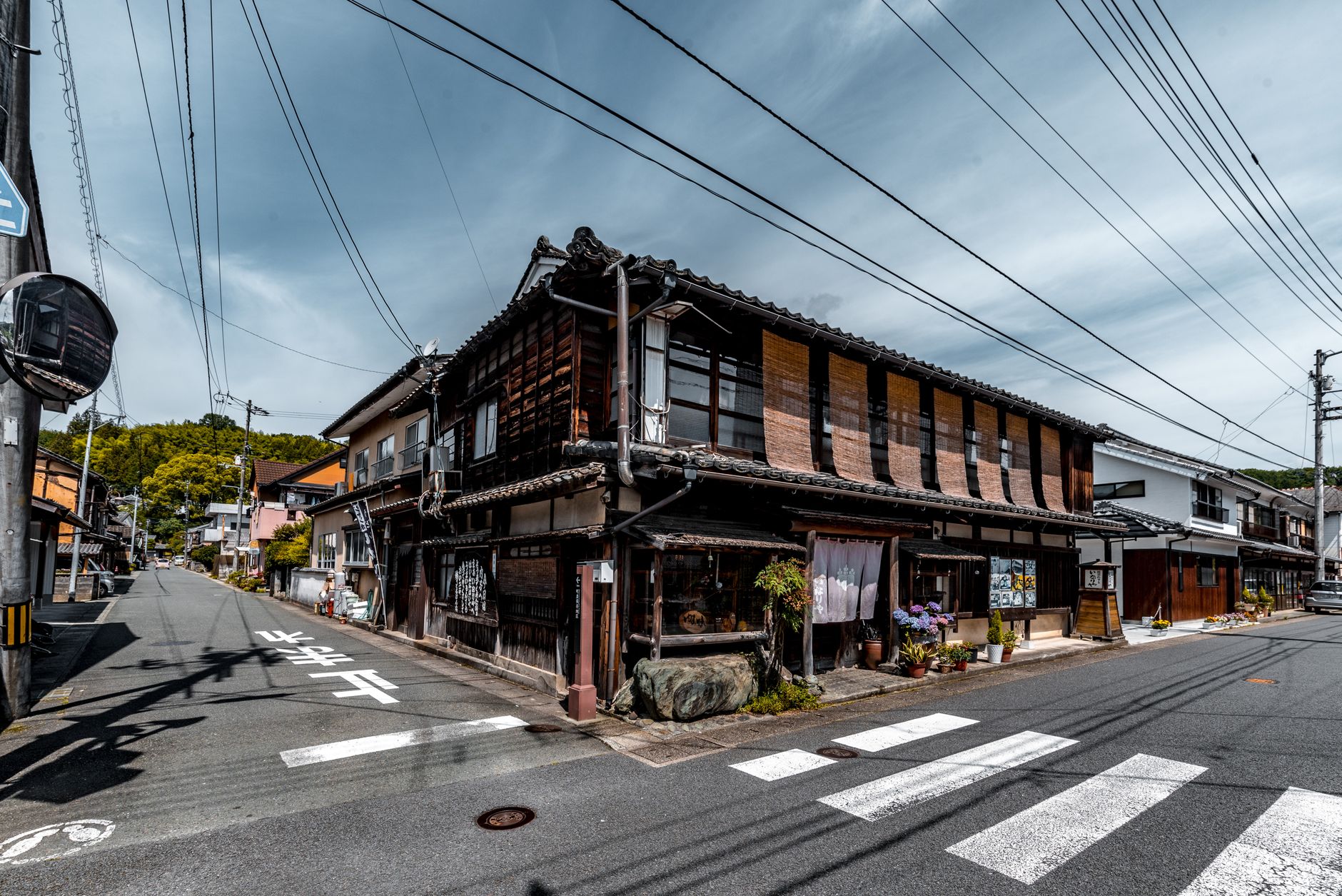
İnebolu's old quarter is a joy to wander. Twice-walled timber houses, some dating back to the 19th century, line the slopes above the harbour in shades of cream, ochre and pale blue. Many have been lovingly restored and a few now serve as guesthouses or small cafés, so you can stay inside a piece of local history.
Walk up to the İnebolu Kent Müzesi (city museum) to understand the town's role in the War of Independence, when supplies were smuggled by sea and carried inland along what locals still call the İnebolu road. Then simply lose yourself in the backstreets, where carved wooden doors hide courtyard gardens.
The harbour is the town's living room. Sit on the quay with a glass of tea and watch the boats come and go, or chat with the boatbuilders whose craft has been passed down for generations. Sunset here is quiet, golden and entirely without crowds.
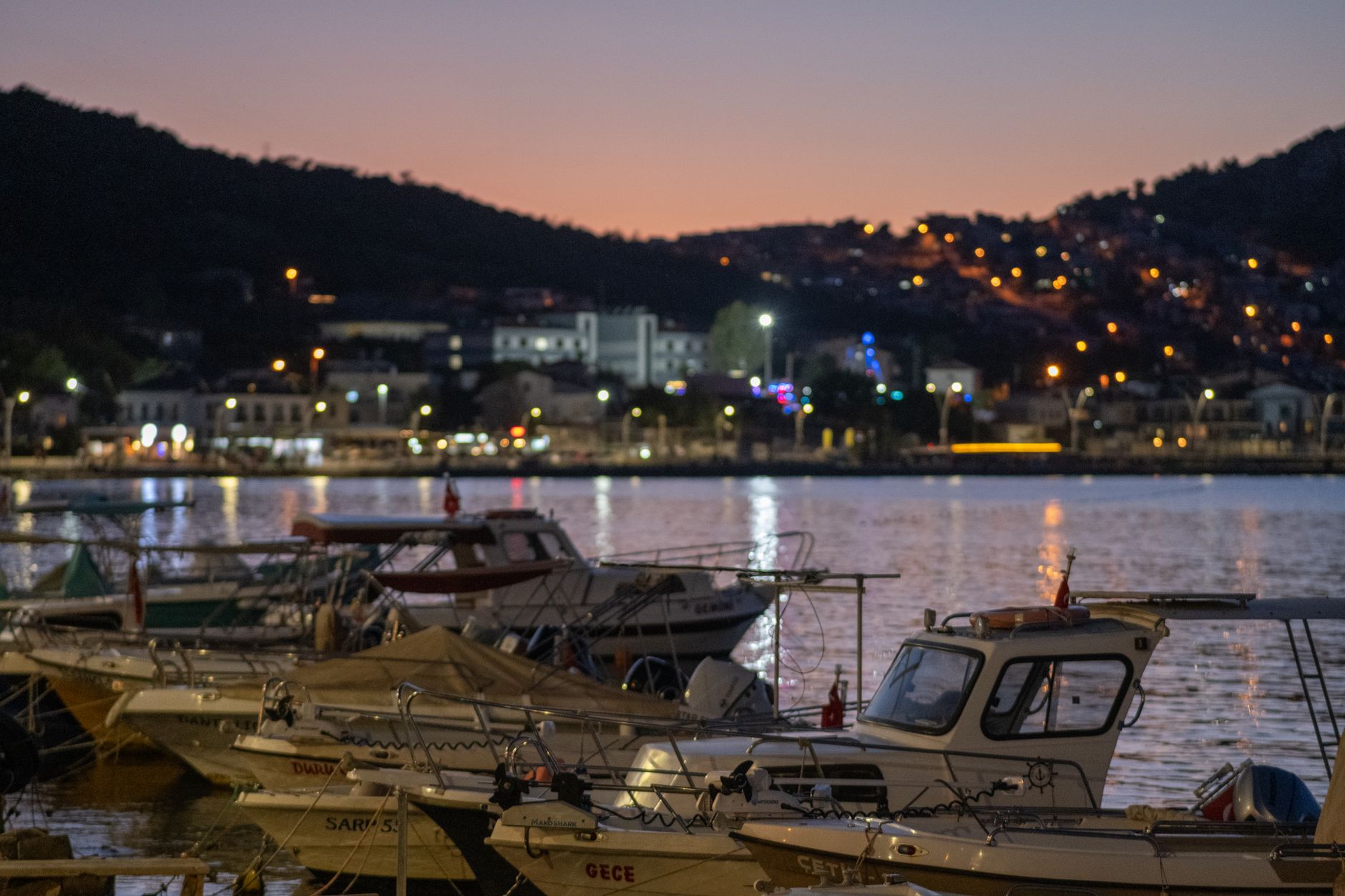
Cide: Bays, Forest and Wide Beaches
Cide rewards slow travel. Its main beach stretches along the bay, a mix of sand and smooth pebbles with calm, clean water in summer. Behind the town, green hills roll inland covered in beech and pine forest, and the coastline hides small coves reached only by winding village roads.
Explore the lanes of the old town for traditional wooden houses, then head to the waterfront for a long, lazy lunch. Nearby, the Cide Rıhtım area and the little fishing shelters are perfect for a morning with a camera.
If you enjoy a gentle adventure, rent a car or take a dolmuş to the surrounding villages, where you will find empty pebble beaches, small tea gardens and elderly women selling homemade jam and cheese from roadside stalls. This is where the coast feels most like itself.
Getting There by Dolmuş and Road
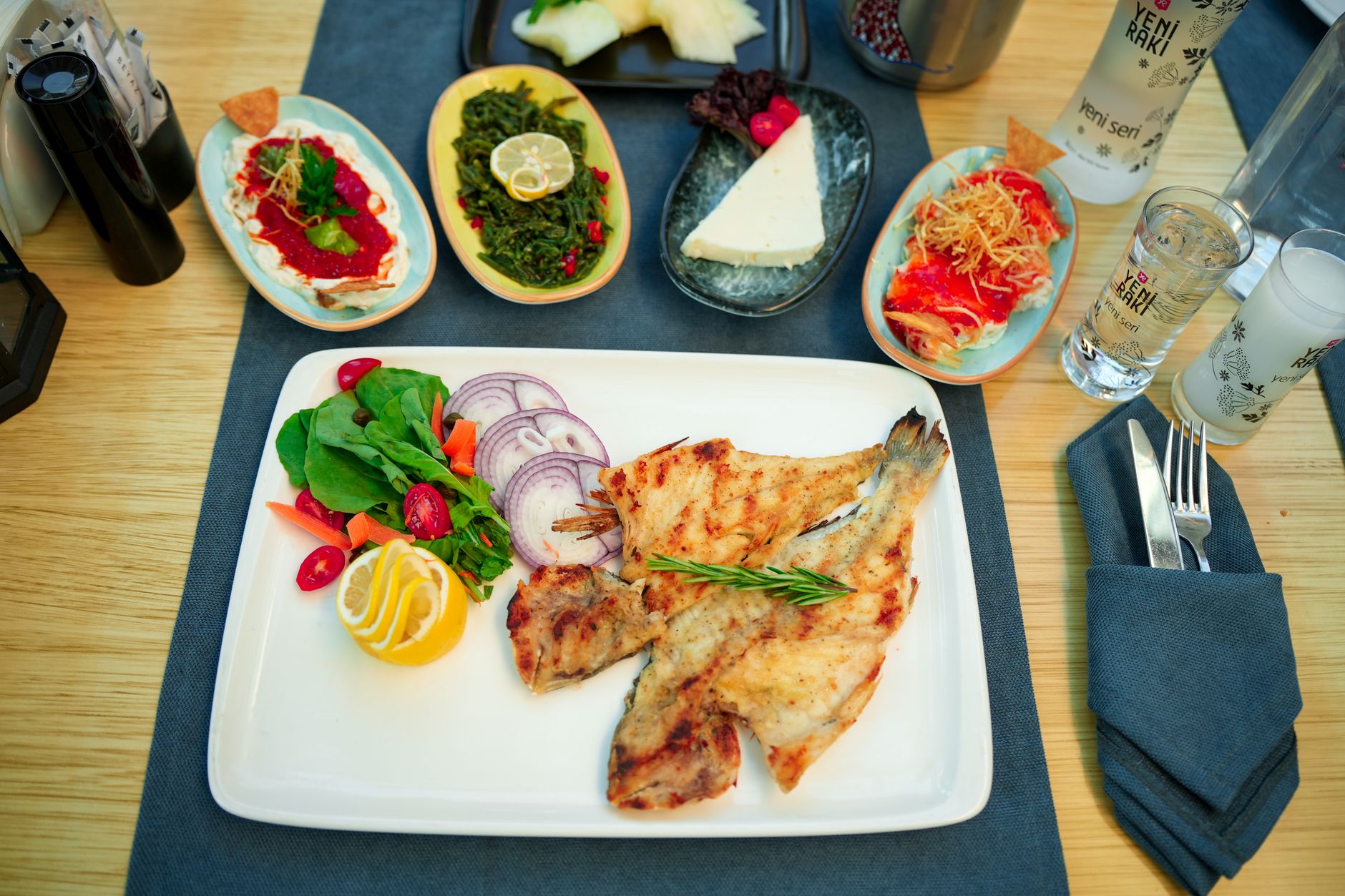
The easiest approach is through Kastamonu, the provincial capital. From the Kastamonu bus terminal, regular dolmuşes and minibuses run to both İnebolu and Cide, winding through mountain passes and pine forest. The journey to İnebolu takes roughly two hours and to Cide around 90 minutes, depending on stops.
Long-distance coaches from Istanbul and Ankara also serve the coast, with İnebolu and Cide both connected to the main Black Sea coastal road. If you are travelling on a tight schedule, plan around morning departures so you arrive with the afternoon free for the harbour and the beach.
Once in town, everything within the centre is walkable, but having a car (or a friendly dolmuş driver's number) helps enormously for reaching the quieter coves. For broader route ideas across the region, browse our routes and plan the coast as part of a longer Black Sea loop.
Seafood Stops and Local Flavours
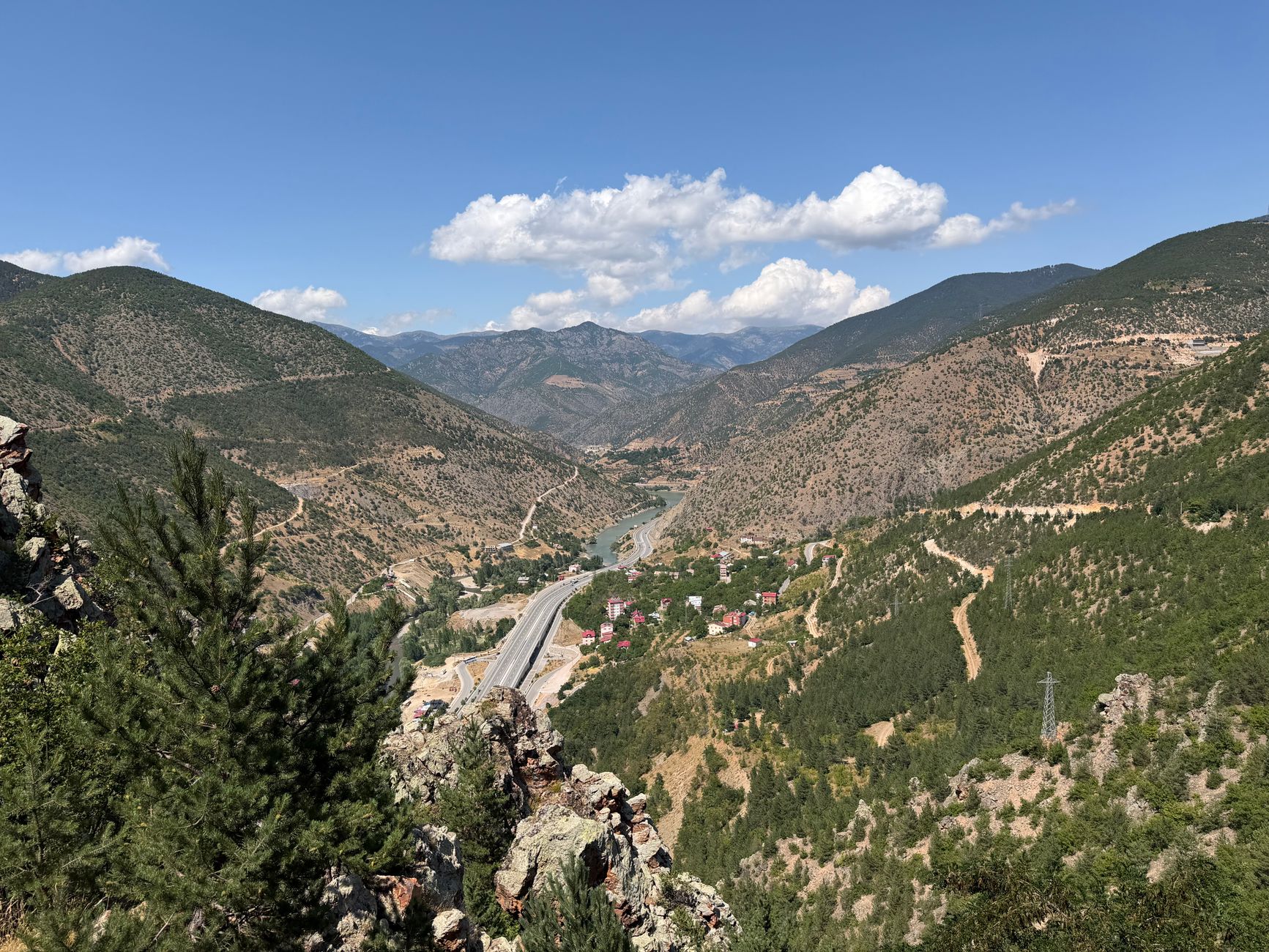
This is a coast for eating by the water. Simple balık lokantası (fish restaurants) along the İnebolu quay serve the day's catch grilled with olive oil and lemon, alongside hamsi in season. The local specialty is İnebolu simidi, a crisp ring-shaped bread that is lovely warm with cheese and tea.
In Cide, look for village breakfast spreads: fresh village cheese, honey, butter, black bread, olives and endless tea. Seafood mezes, fried anchovies and seasonal greens round out most evening menus. Little beachside kiosks sell gözleme flatbreads stuffed with cheese or potato, best eaten with your toes almost in the water.
Finish the day with ice cream or a strong Turkish coffee on the promenade. Prices are gentle, portions are generous, and nobody will rush you.
When to Go and How Long to Stay
Summer, from June to early September, brings warm sea temperatures, long sunny days and a lively but never crowded atmosphere. July and August are the busiest, so book guesthouses ahead. Late spring and early autumn are wonderfully mild for walking, though the water is cooler and some beach services wind down.
Two or three days are enough to explore both towns at a relaxed pace; a full week lets you add village coves and forest walks. Whatever your timing, check our best-time guide for seasonal advice and use the trip planner to shape your itinerary around the coast.
The region stays charmingly low-key outside peak season, when you may have a whole pebble beach to yourself. Pack light layers for breezy evenings and a spirit of curiosity.
Practical Tips for a Sunny, Easy Visit
- Bring water shoes for the pebble beaches and a light windbreaker for evenings.
- Cash is handy in village cafés and for small dolmuş fares; carry some Turkish lira.
- Learn a few words of Turkish — merhaba and teşekkürler go a long way in the villages.
- Respect local customs at the small mosques and dress modestly when wandering village lanes.
- Ask your guesthouse owner about their favourite seafood stop; the best ones are rarely signposted.
For more regional inspiration and practical advice, explore our guides and FAQ. This coast is not a checklist destination — it is a place to slow down, eat well and let the Black Sea set the pace.
Top Highlights
Popular Activities
Thinking about a trip to Turkey?
Share your contact details and a vetted local expert will follow up with a plan built around you — free, no obligation.
