

Karabük and Safranbolu's Countryside: Canyon Villages, Iron Heritage and Hidden Valleys
Where Ottoman Charm Meets Wild Green Valleys
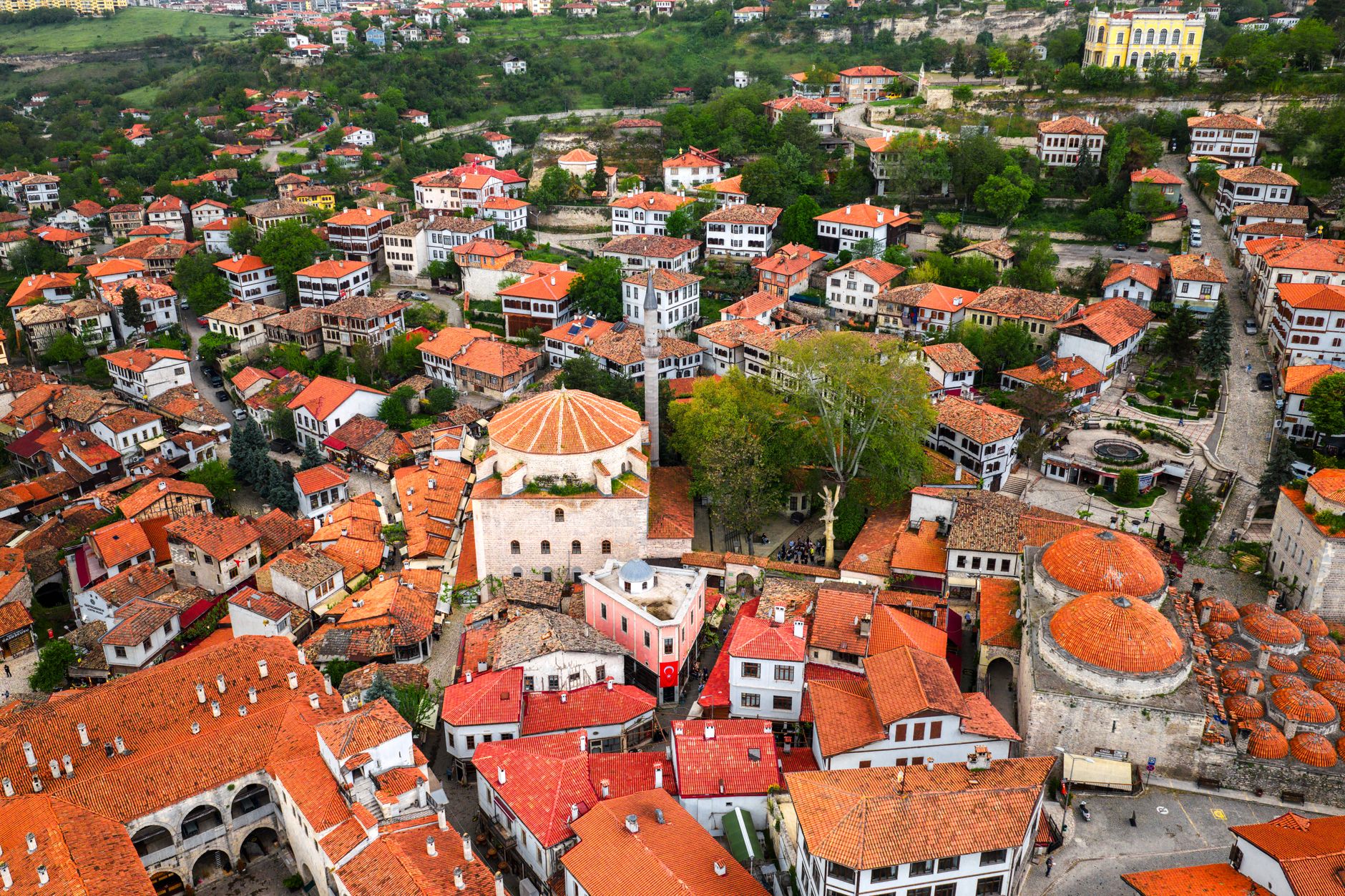
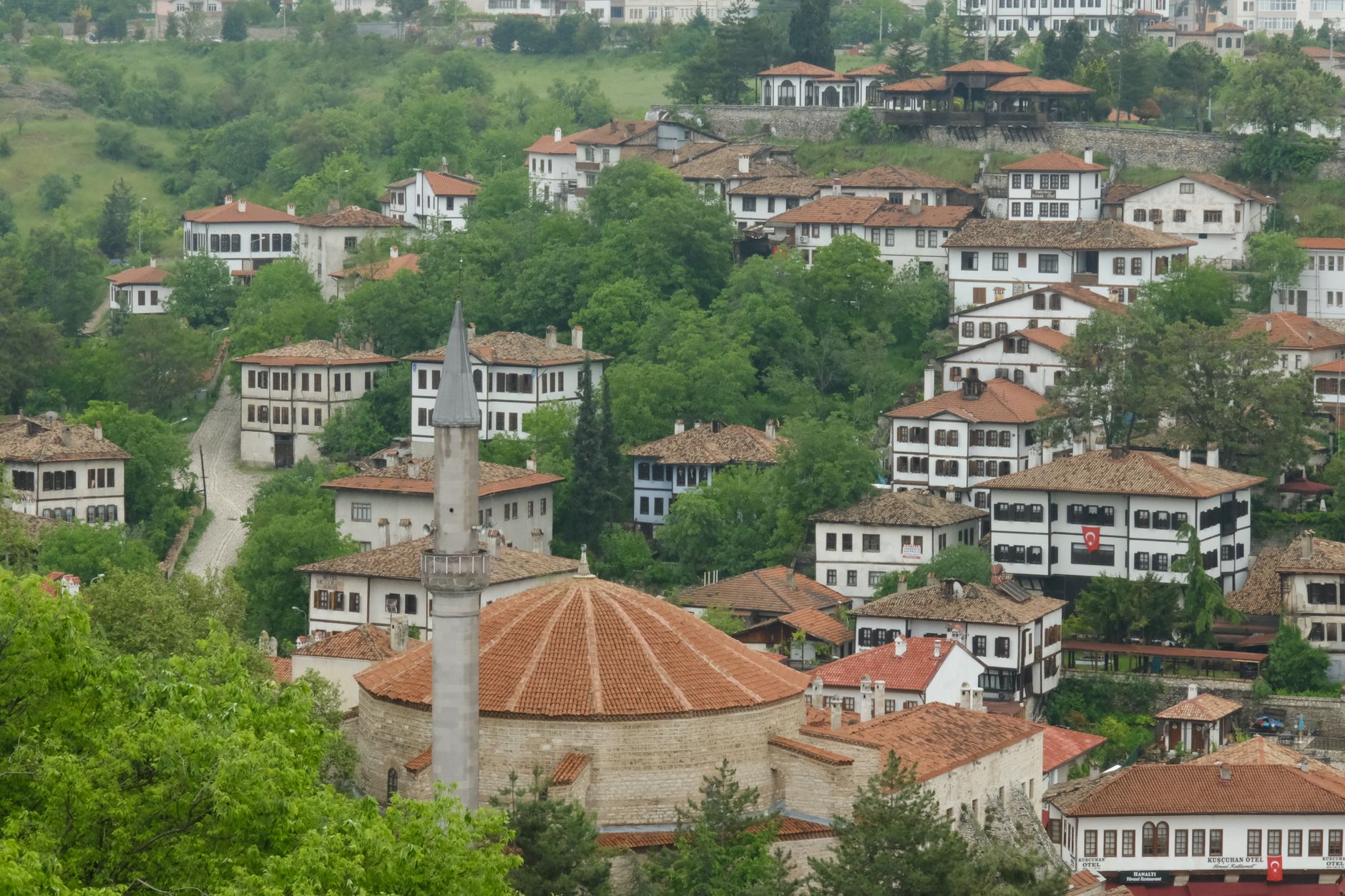
Just beyond the UNESCO-listed town of Safranbolu, the countryside unfolds into a patchwork of oak forests, deep canyons, and villages where time slows down. This is a land of friendly waves from farmers, the scent of woodsmoke, and the distant echo of hammers in traditional iron workshops.
The area is anchored by the İncekaya Aqueduct, a magnificent 18th-century stone bridge that arches over the Tokatlı Canyon. From its viewpoint, you can see the canyon's sheer walls and the lush valley below—a perfect spot for a picnic or a leisurely photo stop.
Nearby, villages like Yörük, Bulak, and Gümüş nestle among the hills, each with its own character: stone houses, ancient mosques, and tea gardens where locals gather to chat. It's a place to breathe deeply, walk unhurriedly, and experience the authentic rhythm of rural Anatolia.
Canyon Villages and Scenic Walks
The Tokatlı Canyon, carved by the Tokatlı River, is the region's natural centerpiece. A well-marked trail leads from the aqueduct down into the canyon, passing rock formations and hidden springs. The walk is easy to moderate, suitable for most ages, and takes about an hour each way.
For a longer adventure, head to the village of Yörük, where you can follow dirt paths through farmland and orchards. In spring, the hillsides are dotted with wildflowers; in autumn, the trees turn gold and crimson. Local guides can point out edible mushrooms and medicinal herbs.
Don't miss the village of Bulak, known for its traditional stone architecture and a charming old mosque. The teahouse in the square is a great place to rest and sip a glass of çay with the villagers.
The Iron and Steel Heritage of Karabük
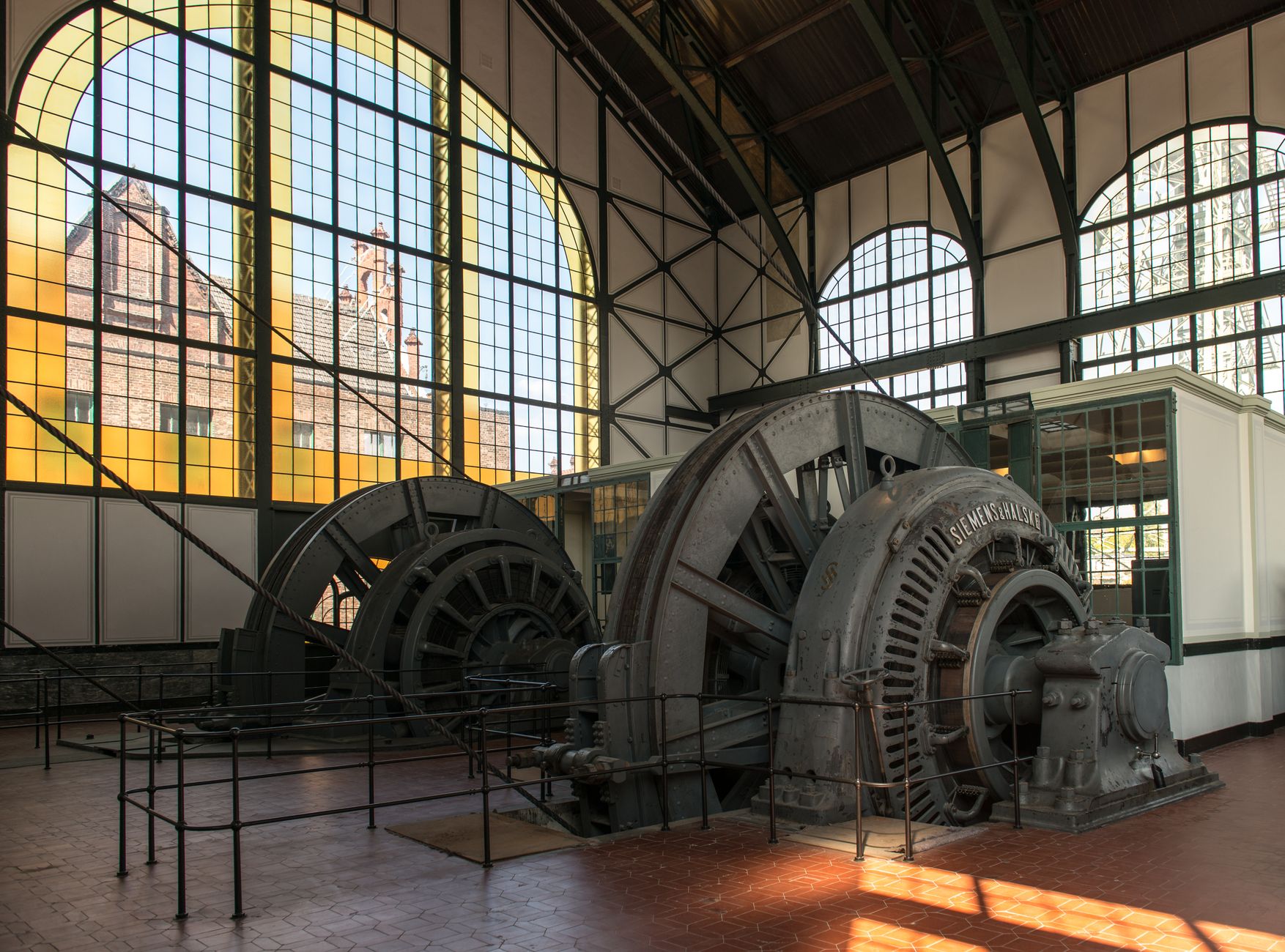
Karabük is often called the "Iron and Steel City" of Turkey, a title earned in the 1930s when the country's first integrated steel plant was established here. Today, the Karabük Iron and Steel Factory is a working industrial site, but its history is preserved in the Karabük Iron and Steel Museum.
The museum, housed in the original factory buildings, tells the story of Turkey's industrial awakening. You'll see vintage machinery, photographs, and tools that shaped the nation's modernization. It's a fascinating contrast to the region's pastoral charm.
In Safranbolu itself, ironworking has a longer tradition: the town's famous ironware—from ornate door knockers to cooking utensils—has been crafted for centuries. You can visit small workshops in the old bazaar and watch artisans at work.
Saffron, Baklava, and Local Flavors
Safranbolu is named after saffron, the precious spice once cultivated in the region. Although production has dwindled, you can still find saffron-infused products: lokum (Turkish delight), teas, and even cosmetics. The local saffron is prized for its deep color and aroma.
No visit is complete without tasting Safranbolu's famous baklava. Unlike the pistachio-heavy versions elsewhere, here it's often made with walnuts and a light syrup, giving it a delicate crunch. Bakeries in the old town sell it fresh daily.
For a savory treat, try the regional dish called 'kuzu tandır' (slow-roasted lamb) or 'etli ekmek' (flatbread with meat). Many village restaurants serve home-cooked meals using produce from their own gardens.
Practical Day-Trip Logistics from Safranbolu
Getting around the countryside is easiest by car, but dolmuş (shared minibuses) run from Safranbolu's central station to nearby villages like Yörük and Bulak. For İncekaya Aqueduct, take a taxi or join a guided tour; it's about 10 km from town.
If you're driving, the roads are generally well-maintained, though some village routes are narrow and winding. Parking is available at the aqueduct and in village squares. A GPS or offline map is recommended.
Plan for a half-day or full-day trip. Start early to catch the morning light on the canyon, then visit a village for lunch, and return to Safranbolu by late afternoon. Comfortable walking shoes, water, and a camera are essentials.
Best Seasons: Spring and Autumn
Spring (April to June) is arguably the best time to explore the countryside. The weather is mild, the hills are green, and wildflowers bloom along the trails. It's also ideal for photography, with soft light and fewer crowds.
Autumn (September to November) offers a spectacular display of fall foliage. The temperatures are pleasant for hiking, and the harvest season brings fresh produce to local markets. Winter can be cold and snowy, while summer is warm but can be humid in the valleys.
Whatever the season, the region's friendly small-town rhythm remains unchanged. Take your time, chat with locals, and let the countryside work its quiet magic.
Top Highlights
Popular Activities
Thinking about a trip to Turkey?
Share your contact details and a vetted local expert will follow up with a plan built around you — free, no obligation.
