

Karaburun Peninsula
Welcome to İzmir's Wild Aegean Edge
Just an hour's drive west of İzmir, the Karaburun Peninsula feels like a different world. The road winds over scrub-covered mountains, dips into hidden coves, and ends at a lighthouse overlooking the Aegean's endless blue. This is where locals come to escape the crowds, and where travellers in the know find a slower, more soulful side of Turkey.
The peninsula's name means "black cape" in Turkish, a nod to the dark, wind-battered cliffs that face the open sea. But beyond those cliffs lie some of the Aegean's clearest waters, fringed by pebble beaches and ancient olive groves. The air smells of thyme, pine, and salt — a combination that instantly signals you've arrived somewhere special.
Life here moves with the seasons. In spring, the hillsides explode with wildflowers and villagers head out to gather wild greens. Summer brings windsurfers to the bays and families to their ancestral stone houses. Autumn is for olive harvest and winemaking, while winter leaves the peninsula to the elements and a few hardy souls.
Dramatic Coves and Windsurfing Waters
The Karaburun coastline is a labyrinth of coves, each with its own character. Some are sandy, some pebbly, and many are accessible only by boat or a steep footpath. The most famous is probably Mordoğan's Aquarium Bay, where the water is so clear you can see the bottom metres down. Further south, Karaburun's own bays — like Kuyucak and Bodrum — offer calm swimming and stunning sunsets.
But it's the wind that really puts Karaburun on the map. The peninsula funnels the meltemi and other Aegean breezes into steady, predictable gusts, making it a paradise for windsurfers and kitesurfers. The Bay of Mordoğan and the area around Karaburun harbour are popular launch spots, with local schools offering lessons and rentals for all levels.
Even if you don't windsurf, watching the sails dance across the water is a spectacle in itself. And when the wind dies down at dusk, the bays become mirror-calm, perfect for a sunset swim or a quiet paddle.
Mountain Villages and Culinary Traditions
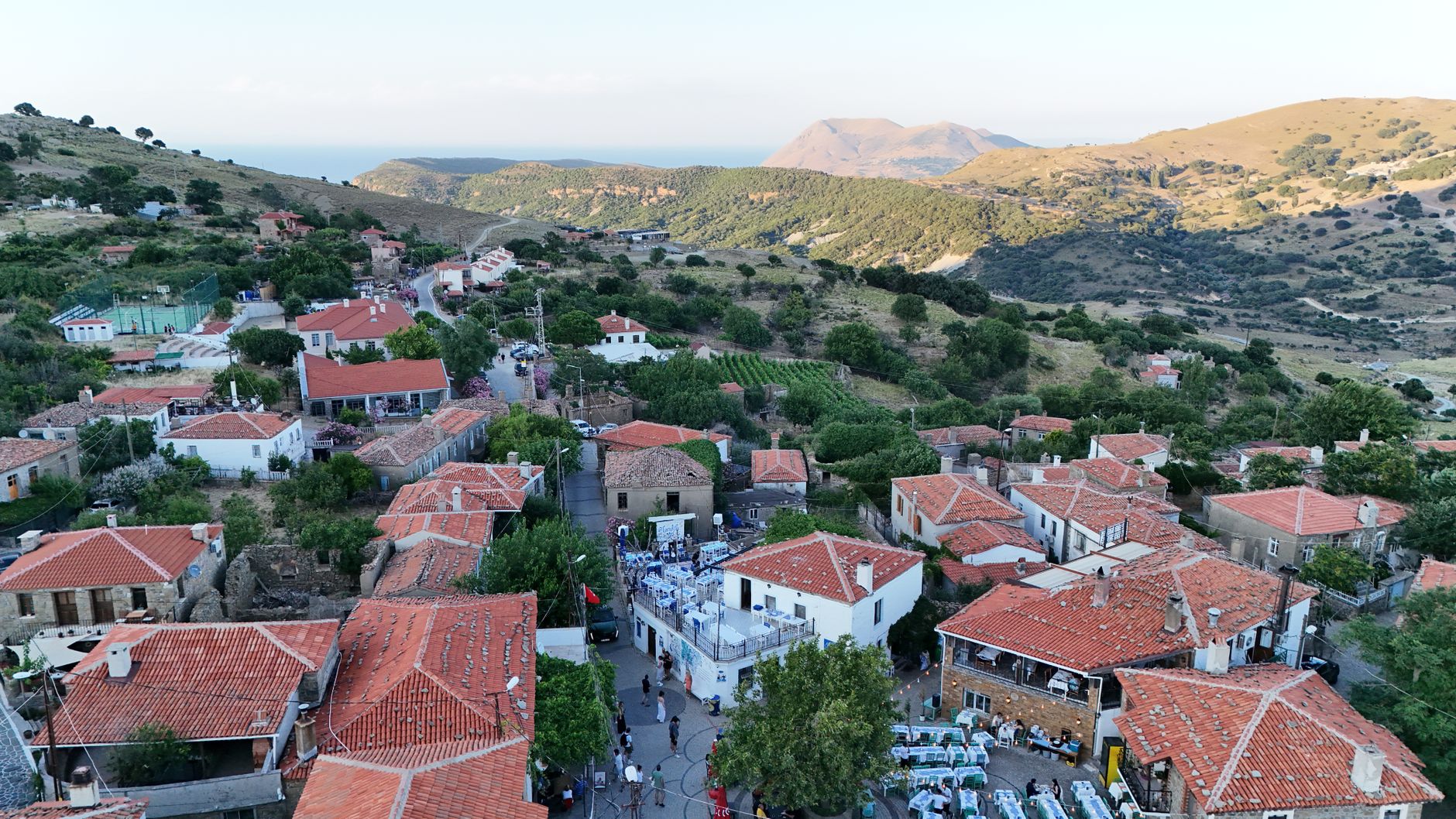
Away from the coast, the peninsula's mountain villages cling to slopes and preserve a way of life that has changed little in centuries. Villages like Sarpıncık, Ambarseki, and Haseki are known for their traditional cuisine, which revolves around wild greens, olive oil, and homemade wine.
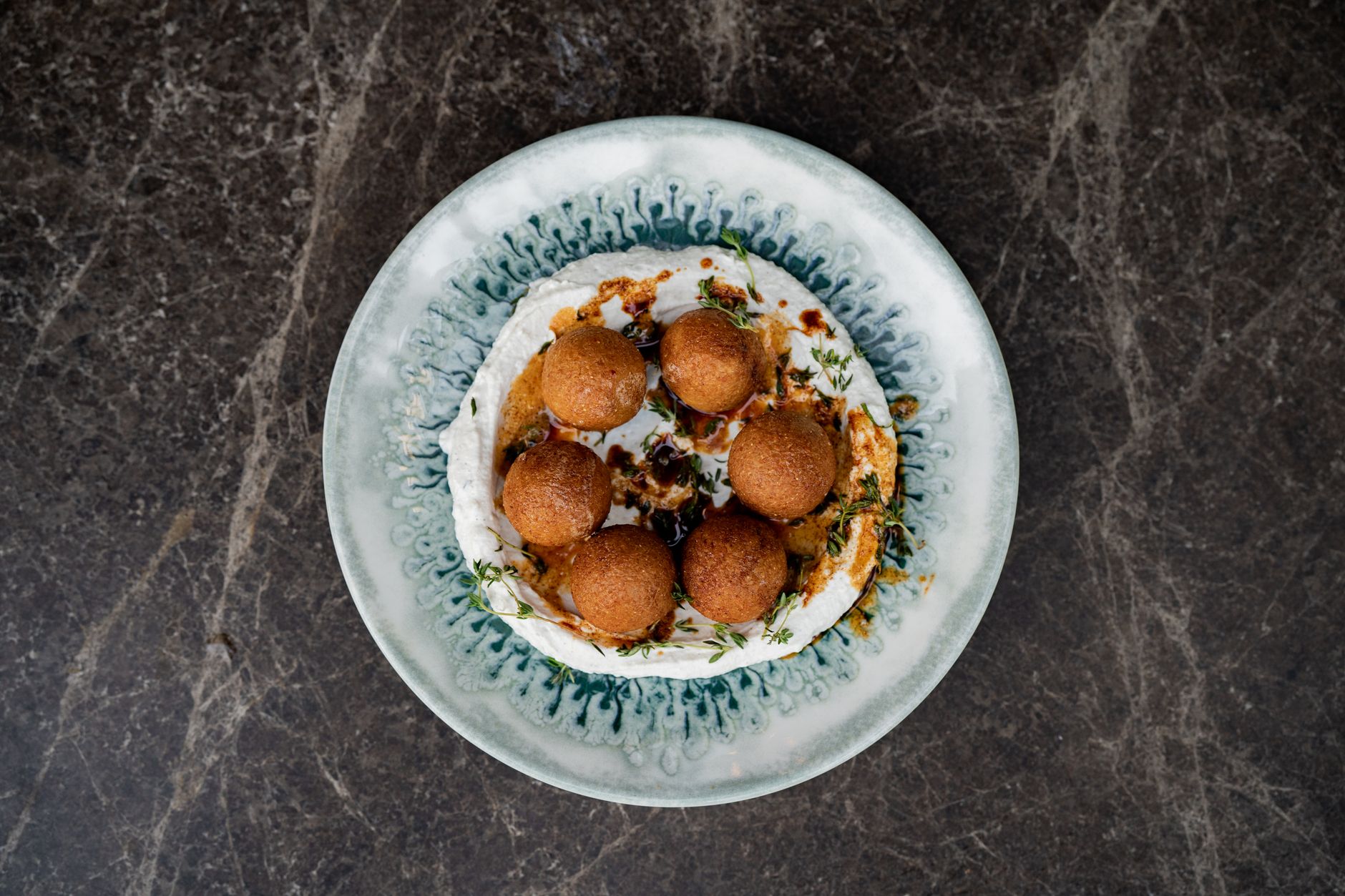
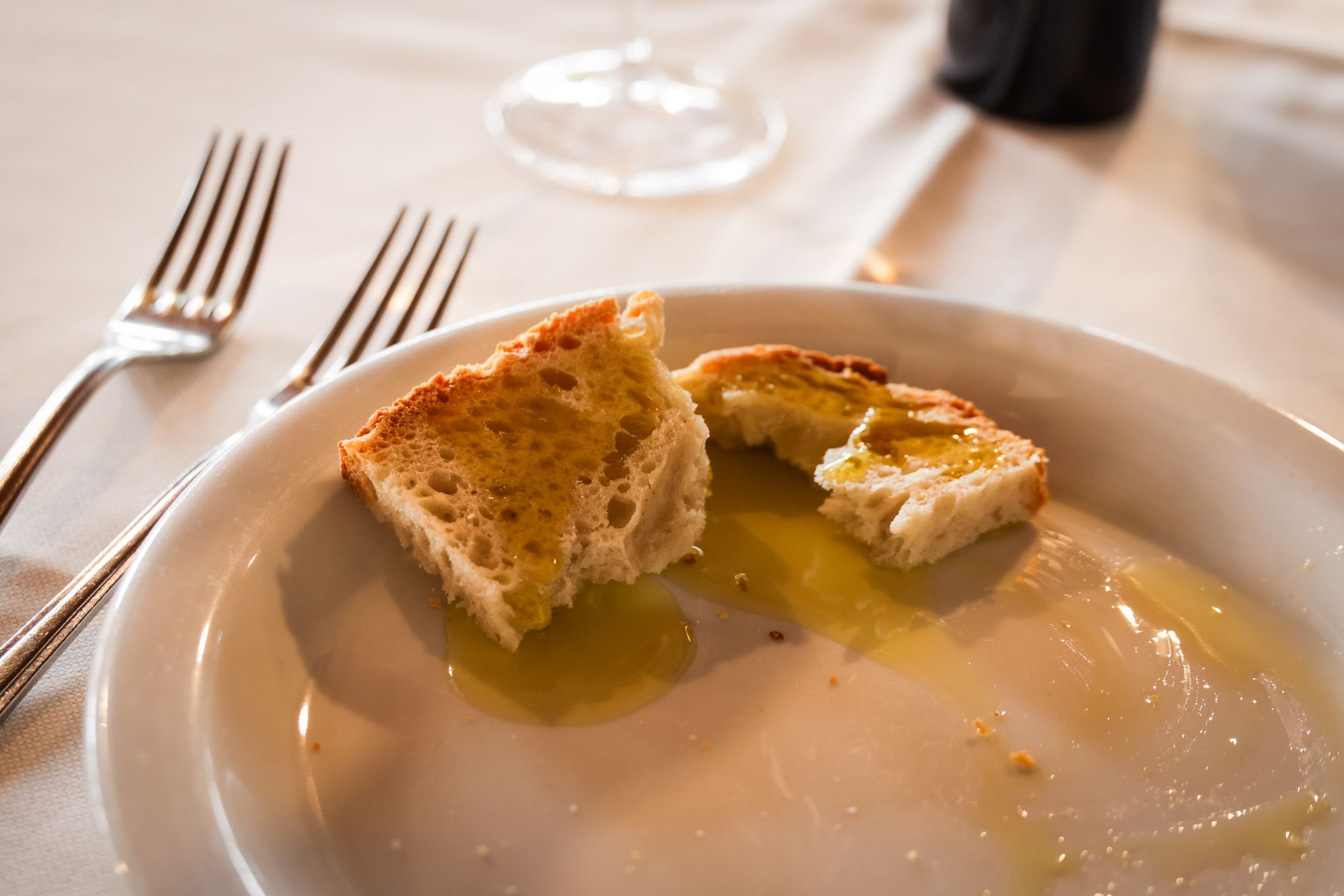
In spring, women comb the hillsides for wild asparagus, nettles, purslane, and dozens of other edible greens. These are transformed into dishes like oturtma (a baked casserole of greens and rice) and simple but flavourful salads dressed with local olive oil and lemon. The olive oil here is cold-pressed and peppery, a world away from supermarket versions.
Winemaking is another village tradition. Families still crush grapes in stone presses and ferment the juice in clay amphorae or oak barrels. The result is a rustic, often slightly sweet wine that pairs perfectly with the local fare. Many villagers will gladly offer you a glass if you show an interest — a gesture of hospitality that is central to the peninsula's culture.
Getting There from İzmir
Reaching Karaburun is straightforward. From İzmir, you can drive via the coastal road through Urla and Çeşme, or take the faster route through Güzelbahçe and Mordoğan. The journey takes about 1.5 to 2 hours by car, depending on traffic and how often you stop to admire the view.
Public transport is available: dolmuşes (minibuses) run from İzmir's Üçkuyular bus terminal to Mordoğan and Karaburun several times a day. The ride is scenic but slow, so allow extra time. Once on the peninsula, having your own vehicle is ideal for exploring remote villages and coves, though dolmuşes connect the main towns.
If you're coming from İzmir Adnan Menderes Airport, rent a car for maximum flexibility. The drive is well signposted, and the roads, while winding, are generally in good condition.
Where to Eat and Stay
Accommodation on the peninsula is mostly small, family-run guesthouses and a few boutique hotels. In Mordoğan, you'll find simple rooms near the harbour, while Karaburun town offers a handful of charming guesthouses with sea views. For a more immersive experience, look for village guesthouses in the mountains, where you can wake up to the smell of baking bread and the sound of goats.
Dining is a highlight. Seafront restaurants in Mordoğan and Karaburun serve fresh fish, mezes, and the peninsula's famous wild greens. Don't miss the karaburun kavun (a local melon) in summer, or the homemade ice cream flavoured with mastic or wild herbs. For a truly local experience, ask around for village breakfasts — elaborate spreads of cheeses, olives, jams, and eggs, often served in a family's garden.
Many guesthouses offer home-cooked dinners, giving you a chance to taste family recipes passed down through generations. The warmth of the welcome is genuine; you're not just a customer but a guest in their home.
Untouched Beauty and Local Hospitality
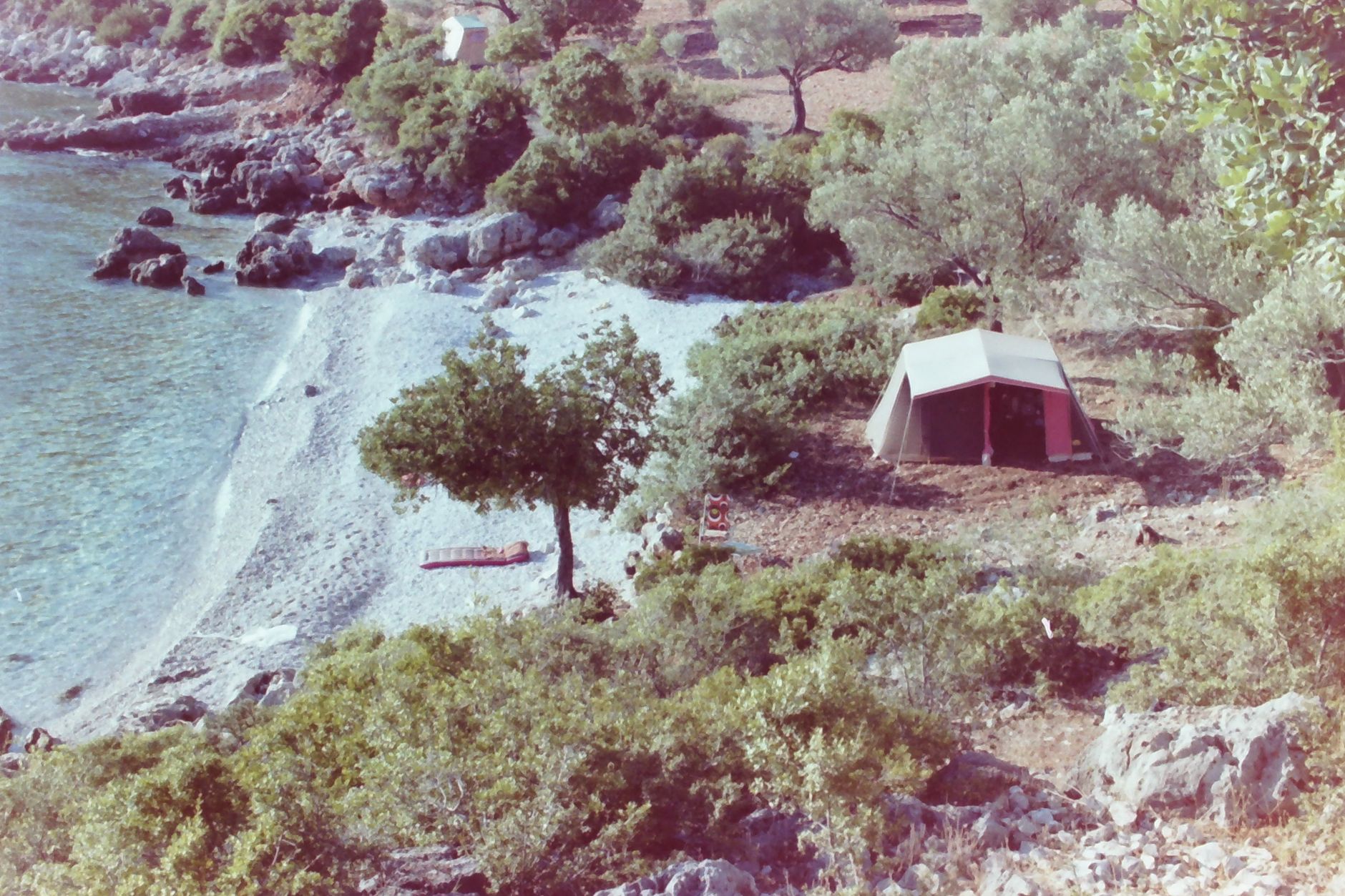
What sets Karaburun apart is its lack of development. There are no large resorts or crowded beaches. Instead, you'll find quiet coves where you might be the only swimmer, and villages where life revolves around the land and sea. This is a place to slow down, disconnect, and reconnect with nature.
The local families are famously welcoming. They take pride in their peninsula and are eager to share its secrets — whether it's a hidden beach, a favourite wild green, or the best spot to watch the sunset. Accept their invitations, and you'll leave with a deeper understanding of Aegean life.
For those who crave authenticity and natural beauty, Karaburun is a revelation. It's İzmir's wild edge, a place where the Aegean shows its true character, and where you're invited to be part of it.
Top Highlights
Popular Activities
Thinking about a trip to Turkey?
Share your contact details and a vetted local expert will follow up with a plan built around you — free, no obligation.
