

Kastamonu and the Küre Mountains: Türkiye's Hidden Black Sea Heritage
An Ottoman Town Frozen in Time
Kastamonu sits in a green valley inland from the Black Sea, and its old quarters feel like an open-air museum of Ottoman Anatolia. Wandering the narrow lanes, you pass hundreds of traditional timber mansions with whitewashed walls, dark wooden frames and overhanging upper floors, many of them lovingly restored.
The town's skyline is punctuated by handsome stone monuments: the 13th-century Kastamonu Castle, the Seljuk-era Atabey Mosque, the Nasrullah Mosque complex and the curious Clock Tower that has become the town's emblem. Below them, the Kastamonu Archaeology Museum and the Museum of Ethnography tell the story of a region that has been a crossroads for Hittites, Romans, Byzantines, Seljuks and Ottomans.
Despite its beauty, Kastamonu remains almost entirely untouched by mass tourism, so you can explore its historic heart in peace, often with nothing but the call to prayer and the clatter of a tea glass for company.
A Living Handicrafts and Culinary Scene
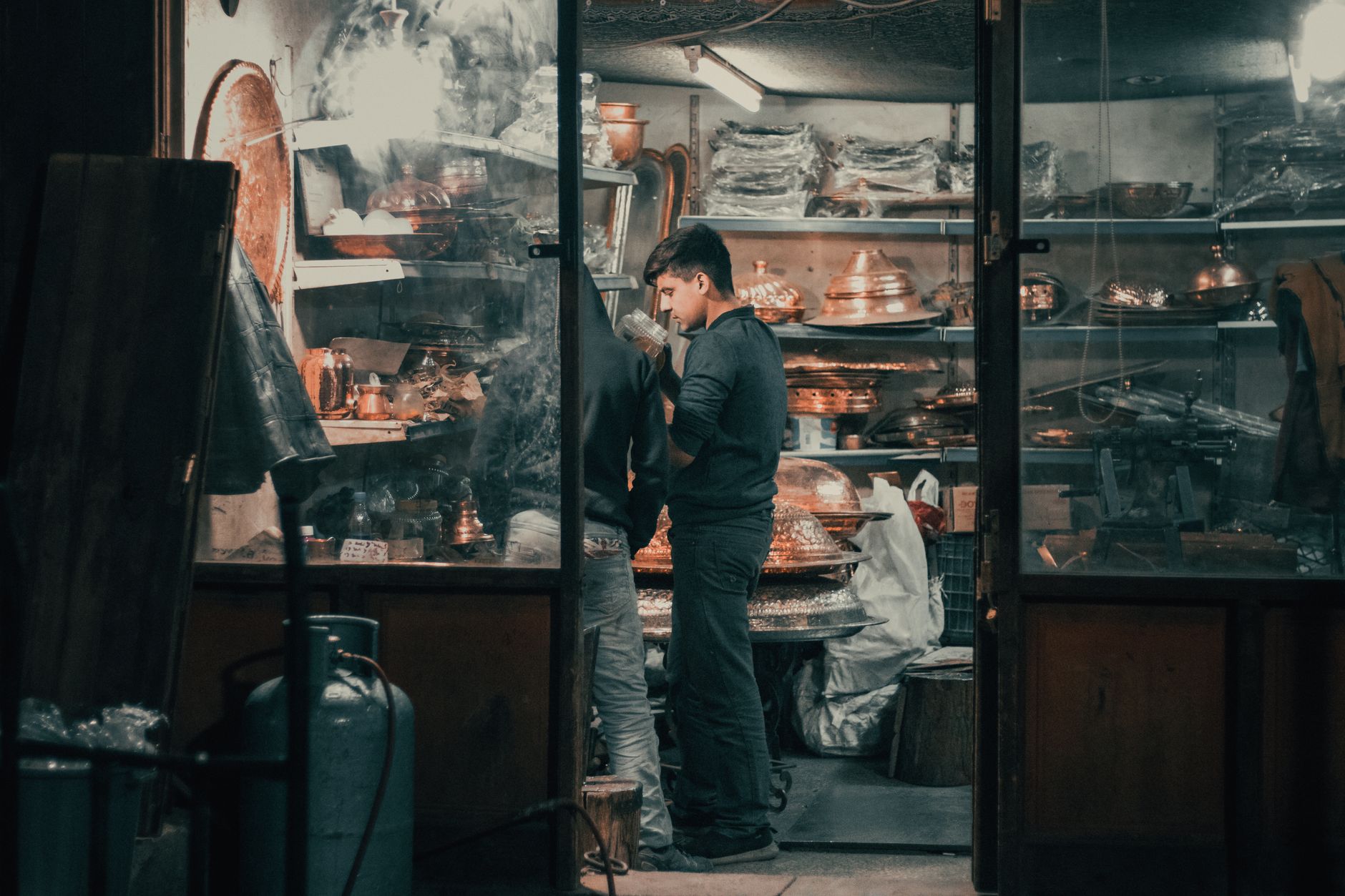
Kastamonu has been a centre of Turkish handicrafts for centuries. In the Nasrullah Bazaar and the surrounding covered streets you can watch artisans at work and buy copperware, hand-woven textiles, woodcarving and traditional Kastamonu cloth. The town is especially famous for its stone-carved tombstones, woven linen and colourful local scarves, all good-value, genuinely local souvenirs.
The cuisine is just as rewarding. Kastamonu is the home of etli ekmek (a long, thin meat-topped flatbread), hearty kuru fasulye, banduma (a rich chicken and pastry dish), and delicate Kastamonu çekme helvası. In autumn and winter, the markets overflow with chestnuts, apples and the region's celebrated Kastamonu garlic and rice.
Finish a meal the local way with a glass of tea in a historic çay bahçesi, or sample the town's own Kastamonu wine and fruit preserves. The warmth of the locals, who are delighted to see foreign visitors, is part of the experience.
The Küre Mountains and National Park
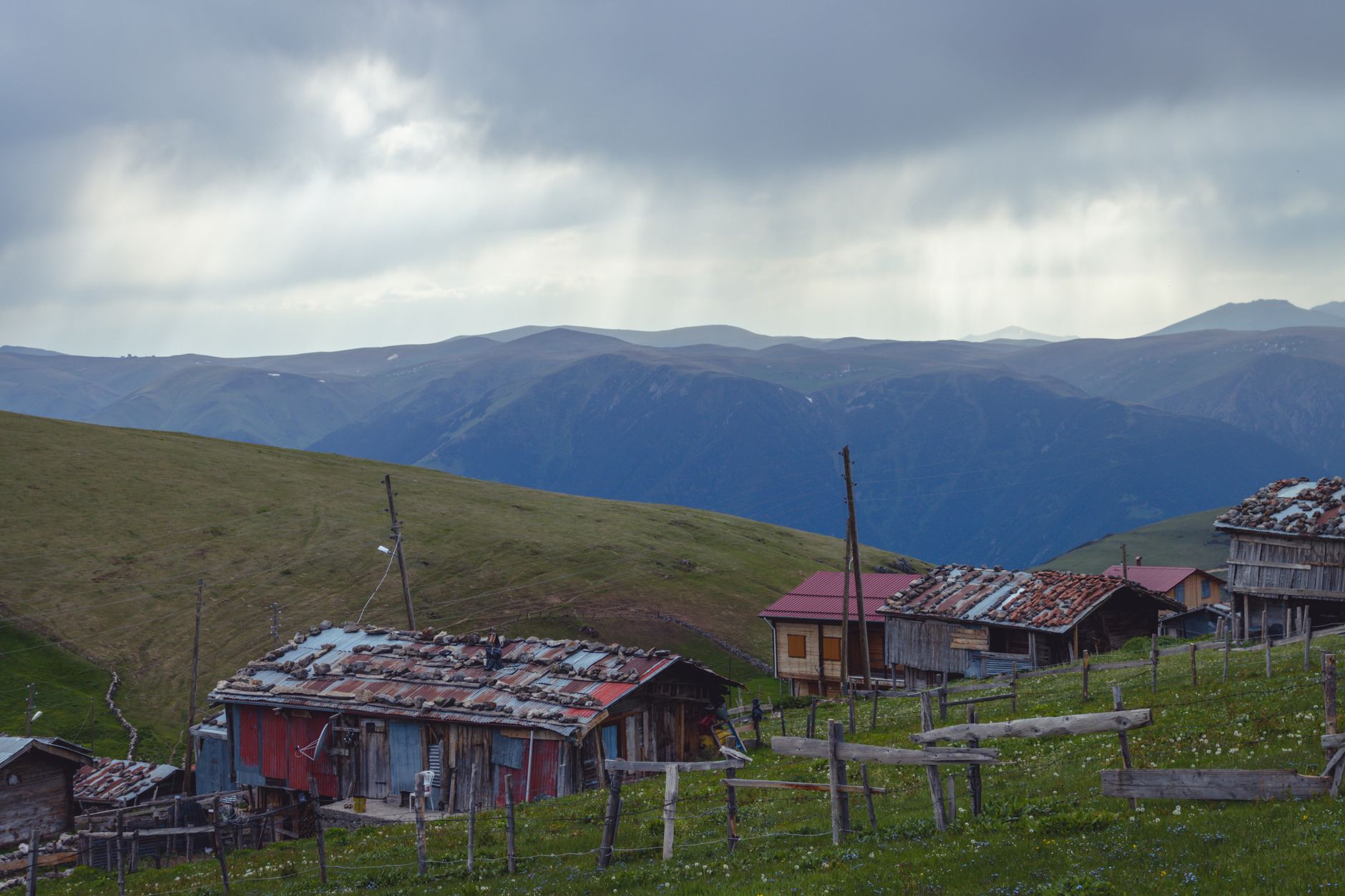
North of Kastamonu, the Küre Mountains rise in a series of forested ridges that tumble towards the Black Sea. Much of this is protected as Küre Mountains National Park, one of Türkiye's most important conservation areas, a UNESCO World Heritage tentative site and a haven for wildlife including brown bears, wolves, roe deer and the rare Caucasian black grouse.
The park is a paradise for walkers. Well-marked trails lead through virgin oak, beech, fir and pine forests, past waterfalls, caves and traditional mountain villages where life still follows the rhythm of the seasons. In spring and early summer the meadows are carpeted with wildflowers and orchids.
Birdwatchers flock here for raptors, woodpeckers and migratory species, while the network of eco-tourism guesthouses and village homestays makes it easy to spend several days exploring the mountains on foot.
Outdoor Adventures: Canyons, Rivers and Trails
One of the region's highlights is the Valla Canyon, one of the deepest canyons in Türkiye, where a dramatic suspended walkway and viewing platform hover above the gorge. Nearby, the Horma Canyon offers easier walking through a cool, green corridor of rock and forest.
Rivers such as the Devrez and Gökırmak provide rafting, canoeing and fishing, while cyclists and 4x4 enthusiasts tackle the mountain roads linking villages like Pinarbaşı, Azdavay and Şenpazar. In winter, the higher slopes around Ilgaz (just south of Kastamonu) turn into a modest ski and snowshoe destination.
Guided day trips from Kastamonu can combine a canyon walk, a village lunch of fresh trout and cornbread and a visit to a local beekeeper or cheese-maker, giving a real taste of rural Black Sea life.
Getting There and Getting Around
Kastamonu lies roughly halfway between Istanbul and the Black Sea coast, about 7–8 hours by road from Istanbul and 3–4 hours from Ankara. The nearest airports are Kastamonu Airport (KFS) with seasonal domestic flights, and the larger Samsun (SZF) and Ankara Esenboğa (ESB) airports, both around 3–4 hours away by car or bus.
Long-distance buses run frequently from Istanbul, Ankara and Black Sea cities to Kastamonu's otogar; from there, dolmuş minibuses connect to the old town and surrounding villages. Renting a car is the most flexible option for exploring the Küre Mountains and national park, where public transport is limited.
Once in town, most historic sights and bazaars are walkable. For the mountains, join a guided eco-tour, hire a local driver or base yourself in a village guesthouse.
When to Go and How Long to Stay
Spring (April–June) and early autumn (September–October) are the best times to visit, with mild temperatures, green landscapes and ideal hiking conditions. Summer is warm and lively, while winter brings snow, a quieter atmosphere and a cosy charm in the timber mansions.
Allow at least three to four days: one or two for Kastamonu's old town, bazaars and cuisine, and another two for the Küre Mountains and canyons. With more time, you can add Ilgaz, the Black Sea beaches at Cide or the historic port of Sinop.
Come for the Ottoman streets, stay for the forests, food and genuine hospitality: Kastamonu and the Küre Mountains are the hidden Black Sea heritage that most travellers miss, and the ones who find it never forget it.
Top Highlights
Popular Activities
Thinking about a trip to Turkey?
Share your contact details and a vetted local expert will follow up with a plan built around you — free, no obligation.
