

Kastamonu's Valla Canyon: Türkiye's Deepest Gorge Country
Discover Türkiye's Deepest Canyon
Tucked away in the rugged Küre Mountains of Kastamonu, Valla Canyon is a natural wonder that few travelers have experienced. Carved by the icy waters of the Devrekani River over millennia, it holds the title of Türkiye's deepest gorge, with sheer cliffs dropping more than 1,200 meters from rim to riverbed. The canyon stretches approximately 12 kilometers, creating a dramatic landscape that feels like a hidden world.
For confident hikers, Valla offers an unforgettable adventure. The main trail descends steeply from the village of Pınarbaşı, weaving through ancient forests and past hidden waterfalls. As you make your way down, the roar of the river grows louder, and the canyon walls close in around you, revealing layers of geological history. The descent is challenging but rewarding, with every turn offering a new perspective of this immense natural cathedral.
Even if you're not up for the full descent, there are several viewpoints along the rim that provide breathtaking vistas. These accessible spots allow casual visitors to marvel at the canyon's scale without the strenuous hike. The village of Pınarbaşı itself sits perched near the edge, offering a perfect base for exploration.
Trails for Adventurous Hikers
The classic route into Valla Canyon begins at the trailhead near Pınarbaşı village. It's a demanding, full-day hike that requires sturdy footwear, plenty of water, and a good level of fitness. The path is well-marked but steep and rocky in places, with some sections requiring hands-on scrambling. The reward is reaching the canyon floor, where you can cool off in the emerald pools of the Devrekani River and stand beneath towering rock walls that block out the sun.
For those seeking a longer adventure, you can continue downstream to the İkizce waterfalls, a series of cascades hidden deep within the gorge. This extension adds a few hours to the journey and involves some river crossings, so it's best suited for experienced trekkers. Always check local conditions and consider hiring a guide, as water levels can rise quickly after rain.
Another option is the partial descent to the first viewpoint, which takes about two hours round-trip. This gives you a taste of the canyon's grandeur without committing to the full day. Whichever route you choose, you'll be surrounded by pristine nature and the sense of discovery that comes with exploring one of Turkey's least-visited natural treasures.
Easy Viewpoints for Casual Visitors
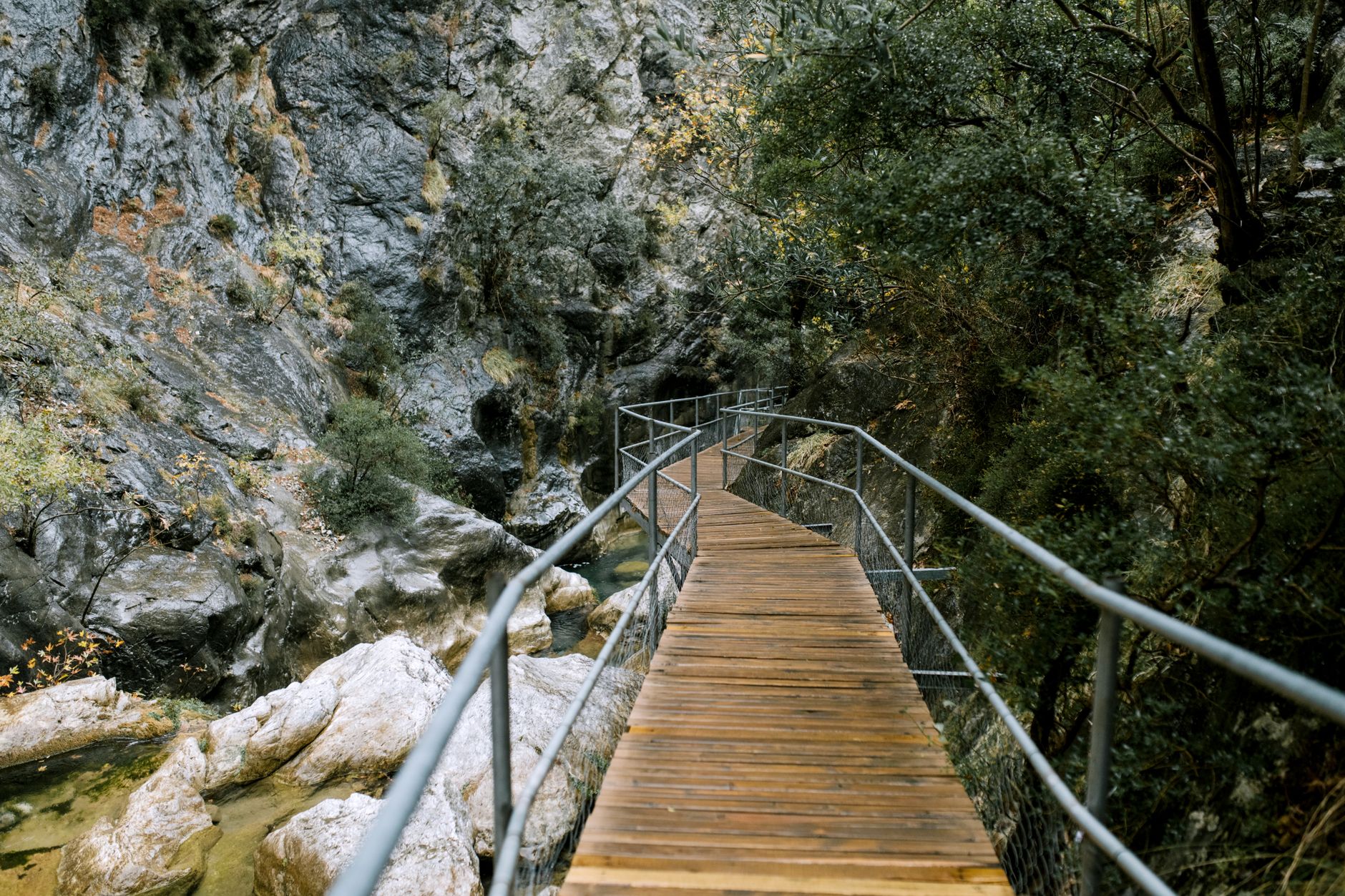
Not everyone needs to descend into the depths to appreciate Valla Canyon's beauty. A network of wooden platforms and viewing terraces has been installed at key points along the rim, offering safe and spectacular views. The most popular is the Glass Terrace (Cam Teras), which juts out over the abyss, giving you a thrilling bird's-eye view of the canyon floor far below.
These viewpoints are easily accessible by car or a short walk from the village. They're perfect for families, photographers, and anyone who prefers a more relaxed pace. Interpretive signs provide information about the canyon's geology and wildlife, adding context to the stunning scenery. Sunset and sunrise are particularly magical times to visit, when the light paints the rock faces in shades of gold and pink.
For a different perspective, you can also drive to the nearby Ilıca waterfall, a charming cascade that's just a short stroll from the road. It's a great spot for a picnic and a gentle introduction to the region's natural attractions.
Local Guesthouses and Village Hospitality
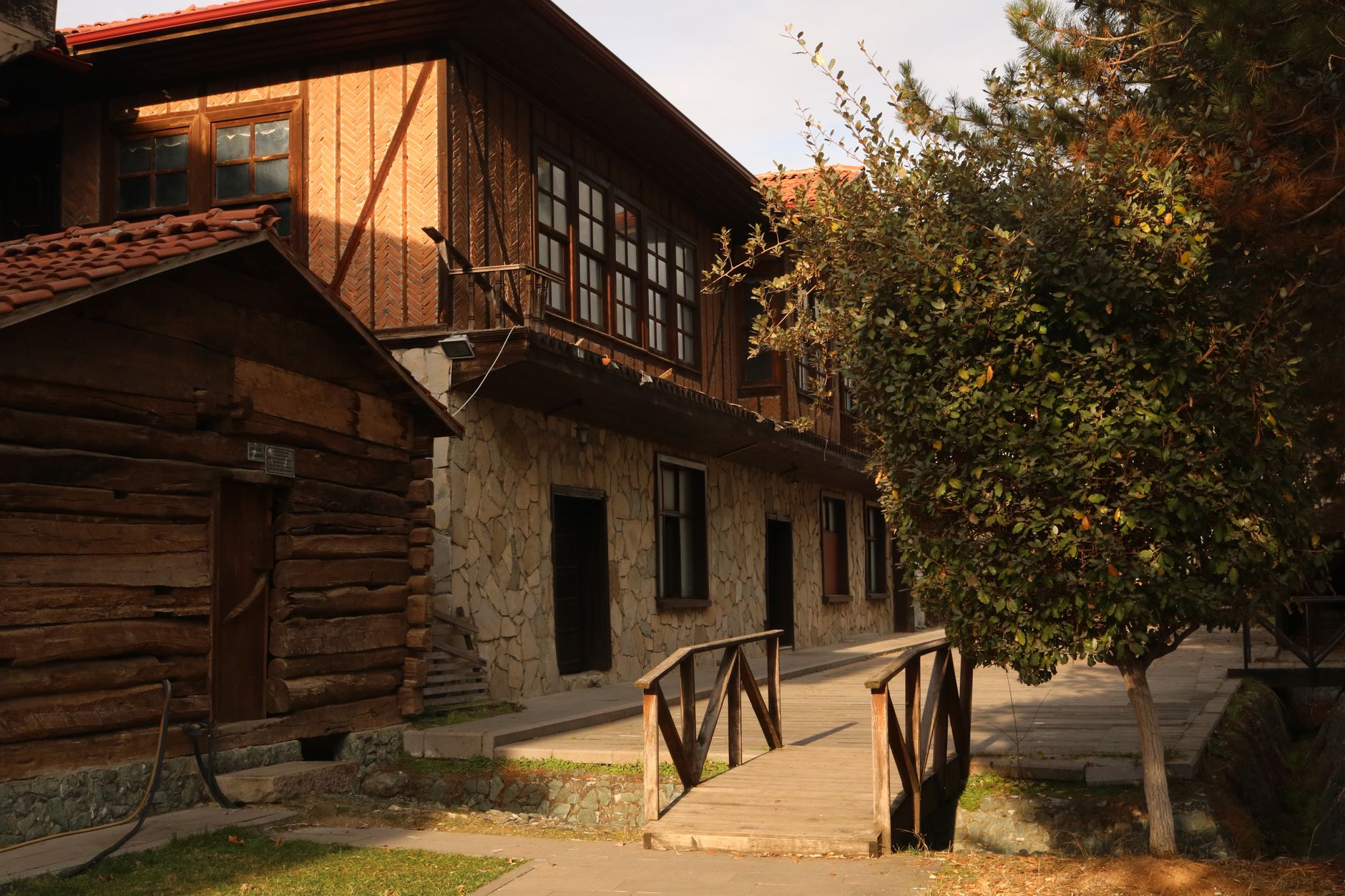
Accommodation in the Valla Canyon area is primarily in family-run guesthouses in Pınarbaşı and the surrounding villages. These simple but comfortable establishments offer a warm welcome and a chance to experience authentic rural Turkish hospitality. Many guesthouses are housed in traditional wooden buildings, some of which have been in the same family for generations.
Rooms are typically basic but clean, with private bathrooms and sometimes balconies overlooking the valley. Rates are very reasonable, and the experience is far more memorable than a generic hotel. Be sure to book ahead in summer, as the number of rooms is limited and the area is gaining popularity among domestic travelers.
Even if you don't stay overnight, you can visit one of these guesthouses for a meal. The owners often prepare home-cooked dinners using produce from their own gardens, and the conversations around the table are as enriching as the food.
Seasonal Access and When to Go
The best time to visit Valla Canyon is from May to October, when the weather is mild and the trails are clear. Spring brings wildflowers and rushing waterfalls, while autumn offers cool, crisp days and vibrant foliage. Summer can be hot at the rim but pleasantly cool down in the canyon, making the descent a refreshing escape.
Winter access can be limited due to snow and ice, especially on the higher trails. Some guesthouses close from December to March. If you do visit in winter, be prepared for cold temperatures and check road conditions before setting out. The canyon takes on a stark, dramatic beauty in the snow, but it's only for the well-prepared.
Regardless of season, always check the weather forecast and local advice before heading into the canyon. Flash floods are possible after heavy rain, and the rocks can be slippery. A flexible itinerary is recommended.
Rewarding Village Breakfasts
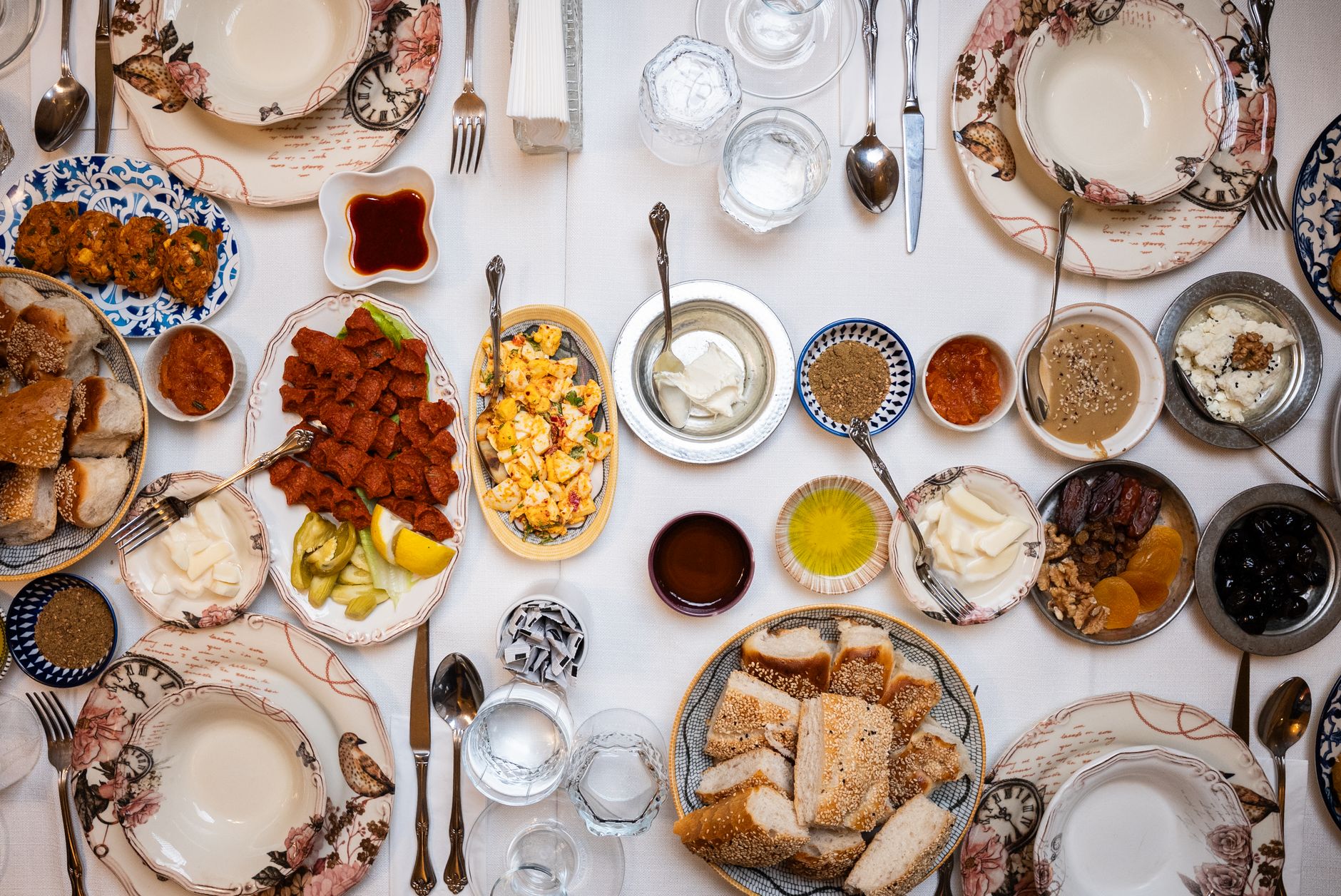
One of the greatest pleasures of a visit to Valla Canyon is the traditional village breakfast, known as kahvaltı. Served in guesthouses and local eateries, it's a lavish spread of fresh, homemade ingredients: warm bread from the village oven, creamy butter, honey from local hives, cheeses, olives, eggs cooked in a copper pan, and endless cups of tea. It's a meal that fuels you for a day of hiking and connects you to the land and its people.
Many guesthouses include breakfast in the room rate, and it's often served on a terrace with a view of the canyon. The emphasis is on seasonal, local produce, and you might find jams made from wild berries picked in the surrounding forests. Don't rush – breakfast here is a social occasion, and you'll likely be invited to linger over multiple glasses of çay.
For lunch or dinner, look for small family restaurants serving regional specialties like etli ekmek (meat-filled flatbread), mantı (Turkish dumplings), and fresh trout from the Devrekani River. Vegetarians will find plenty of options, from stuffed vegetables to hearty bean stews. The food is simple, honest, and deeply satisfying.
Top Highlights
Popular Activities
Thinking about a trip to Turkey?
Share your contact details and a vetted local expert will follow up with a plan built around you — free, no obligation.
